
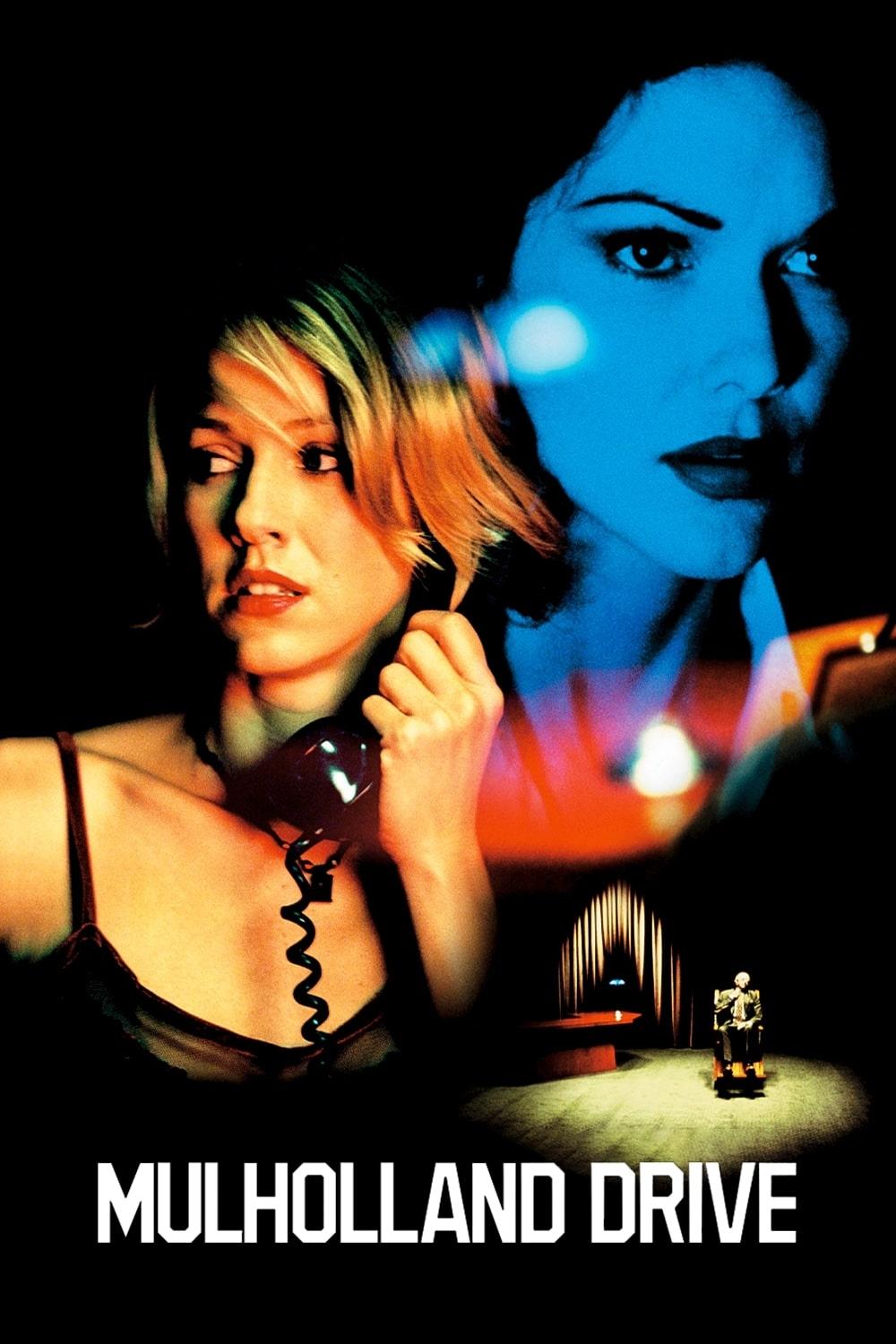
Plot Summary
When I sat down to revisit “Mulholland Drive,” all expectations rooted in conventional storytelling quickly went out the window. David Lynch, who has built his reputation on bending and fracturing narrative logic, delivers a hypnotic psychological thriller that pulled me into its uncanny version of Los Angeles right from the start. The story is set in a sun-drenched yet shadowy Hollywood, where an amnesiac woman and an aspiring actress cross paths, their lives intertwining in ways that defy linear explanation. As I followed their journey through ambiguous auditions, mysterious blue keys, and a city alive with both beauty and menace, I found that the film rarely offers straightforward answers. In fact, the sequence of events is so densely layered and dreamlike that trying to untangle the plot is nearly as mysterious as the city it’s set in.
If you’ve never seen “Mulholland Drive,” it’s important to know that Lynch specializes in narrative riddles. Viewers are offered fragments—a car accident on a twisting hilltop road, a haunted nightclub, cryptic encounters with shady figures—rather than traditional plot points. These fragments create a tapestry of intrigue that, for much of the film, left me disoriented but completely riveted. While I avoid diving into major spoilers, I will say that halfway through, the ground beneath both the story and my own understanding seemed to vanish. The plot doubles back on itself, identities shift, and reality splinters, turning the movie into more of a puzzle than a straightforward narrative. I found that the less I tried to impose logic and the more I gave in to the ominous mood, the richer my experience became. If you’re expecting neat resolutions, “Mulholland Drive” isn’t that kind of film; instead, it rewards curiosity and close attention, granting new meaning with every rewatch.
Key Themes & Analysis
Lynch’s command of psychological suspense and surrealism is, in my opinion, the film’s strongest attribute. “Mulholland Drive” obsesses over the concept of identity, exposing how fragile, malleable, and ultimately unfathomable the self can be. I was especially drawn to its meditations on longing, disappointment, and the dark underbelly of celebrity culture—all swirling beneath LA’s glossy surface. The city becomes a character itself, both seductive and crushing; every palm-fringed street hides the threat of shattered dreams.
From a directing standpoint, what always impresses me is how Lynch employs surreal editing and off-kilter framing. The cinematography, by Peter Deming, turns familiar locations into alien landscapes—with shifting perspectives, oversaturated daytime shots, and ominously quiet nighttime streets. The result made me question what’s really happening in every scene. Whether I was looking at a neon-lit diner or the hazy view from Mulholland Drive itself, I felt an underlying sense of dread and unreality that pulled me deeper into the film’s mystery.
The performances, and especially that of Naomi Watts, are nothing short of transformative. Watts delivers a performance that morphs from naive optimism to searing anguish, embodying the duality at the heart of Lynch’s vision. She swings between identities and emotional registers, often within the same scene. Laura Harring’s enigmatic, wounded presence is equally mesmerizing, and together, the pair anchor the film’s shifting realities in something emotionally true.
Lynch’s mastery lies in refusing to give easy answers. He leans into symbolism (the blue box, the mysterious figure at Winkie’s diner), letting these images accumulate power the longer I dwell on them. The film’s motifs often gesture toward trauma, failed ambition, and the distortion of memory. Each time I watch, I’m left interrogating not only what happened in the story, but how we make sense of our own stories—where memory, fantasy, and regret intertwine. “Mulholland Drive” is less a puzzle to be solved than an experience to be felt, one that lingers with a sense of haunting ambiguity.
My Thoughts on the Historical & Social Context
Looking back at when “Mulholland Drive” arrived in 2001, I’m struck by how its themes resonated with the era’s collective anxieties and aspirations. The early 2000s saw Hollywood wrangling with changes—the indie film boom was cooling off, digital media was just starting to erode traditional power structures, and the myth of overnight stardom lingered at the edge of disaster. That tension seeps through every frame of this film. I see “Mulholland Drive” as a vivid reflection of Hollywood’s treacherous terrain, where dreams are manufactured just as quickly as they’re dashed. Lynch doesn’t just satirize the “City of Angels”; he eviscerates it, exposing the emotional cost of making yourself over for the camera and for others’ approval.
In my own view, the movie’s depiction of fractured identity and systemic exploitation speaks to much larger issues: the commodification of personal narratives, the erasure of self in pursuit of acceptance, how women in entertainment are alternately idolized and chewed up by the machine. I can’t help but read the film as Lynch’s purposely fractured response to a shifting world—where nothing is stable and where illusion is often as real as fact. Watching today, I’m reminded of how relevant these questions remain in the age of social media, when self-presentation and hidden traumas are more entwined than ever. Lynch’s exploration of delusion, failure, and longing still feels acutely modern, and I believe that’s why the film continues to haunt viewers, decades after its debut.
Fact Check: Behind the Scenes & Real History
Digging into the backstory of “Mulholland Drive,” I discovered that the film was originally conceived as a TV pilot. In 1999, Lynch directed a longer version for ABC, hoping to launch an ongoing series. When the network rejected the project, citing its opaque narrative and unsettling tone, Lynch didn’t give up. Instead, he shot additional footage and transformed the pilot into a feature-length film. For me, this production twist is fascinating because it explains the film’s dreamlike, episodic structure—scenes feel both disconnected and linked, like fragments of a larger, unknowable story.
Another detail that stands out is Lynch’s use of innovative sound design. He collaborated with longtime sound editor Angelo Badalamenti to craft the film’s unnerving audio landscape: distorted city noises, strange whispers, and a score that oscillates from swelling romance to chilling minimalism. This sonic experimentation doesn’t just serve the narrative; it’s a character in its own right. The film’s most memorable moments—such as the sequence at Club Silencio—are as much about what’s heard as what’s seen. I’m convinced this meticulous attention to sound is crucial to the hypnotic, dreamlike quality that sets “Mulholland Drive” apart from even Lynch’s other works.
For a bit of casting trivia, I learned that Naomi Watts was relatively unknown when she landed the lead role. After years struggling in Hollywood, she nearly gave up acting before Lynch cast her. This real-life narrative echoes the movie’s own story of struggling to break into the business, and Watts’ breakthrough performance felt, to me, like an echo of the very dreams and anxieties the film explores. The blurring of real-life hardship and on-screen performance is one reason the movie feels so intimate and unsettling.
Why You Should Watch It
- Unparalleled Atmosphere: The film’s immersive mood draws you into a shadowy, mysterious world unlike anything else.
- Standout Performances: Naomi Watts and Laura Harring deliver emotionally raw performances that are unforgettable and deeply affecting.
- Endless Rewatch Value: Every viewing reveals new layers of meaning and symbolism, making it one of the most rewarding films for engaged audiences.
Review Conclusion
Every time I watch “Mulholland Drive,” I’m reminded why I count it among my favorite films. Its refusal to give easy answers, its lush and unsettling visuals, and its profound emotional undertow ensure a cinematic experience that lingers for days. It’s not a movie for those seeking straightforward storytelling, but if, like me, you hunger for films that challenge, stimulate, and unsettle, I can’t recommend it highly enough. For its inventiveness, haunting beauty, and raw performances, I’d give “Mulholland Drive” 4.5 out of 5 stars.
Related Reviews
- Lost Highway (1997): I recommend this earlier Lynch film because it similarly plays with identity, dreams, and reality, weaving a noir-inspired mystery that fans of “Mulholland Drive” will find just as perplexing and hypnotic.
- Persona (1966): Ingmar Bergman’s masterpiece is a must-see for anyone fascinated by the breakdown of self and the unsteady boundaries between two female leads. Its psychological depth and surreal tone parallel Lynch’s exploration of fractured identity.
- Black Swan (2010): I see Darren Aronofsky’s psychological thriller as a contemporary take on ambition and disintegration, echoing Lynch’s focus on the performance-driven pressure cooker of female identity and fame.
- Perfect Blue (1997): This animated film from Satoshi Kon delves into a pop idol’s unraveling reality, with a fractured narrative and disturbing sense of paranoia that reminded me of the eerie uncertainty of “Mulholland Drive.”
If you want to explore this film beyond basic facts, you may also be interested in how modern audiences respond to it today or whether its story was inspired by real events.
🎬 Check out today's best-selling movies on Amazon!
View Deals on Amazon