
Plot Summary
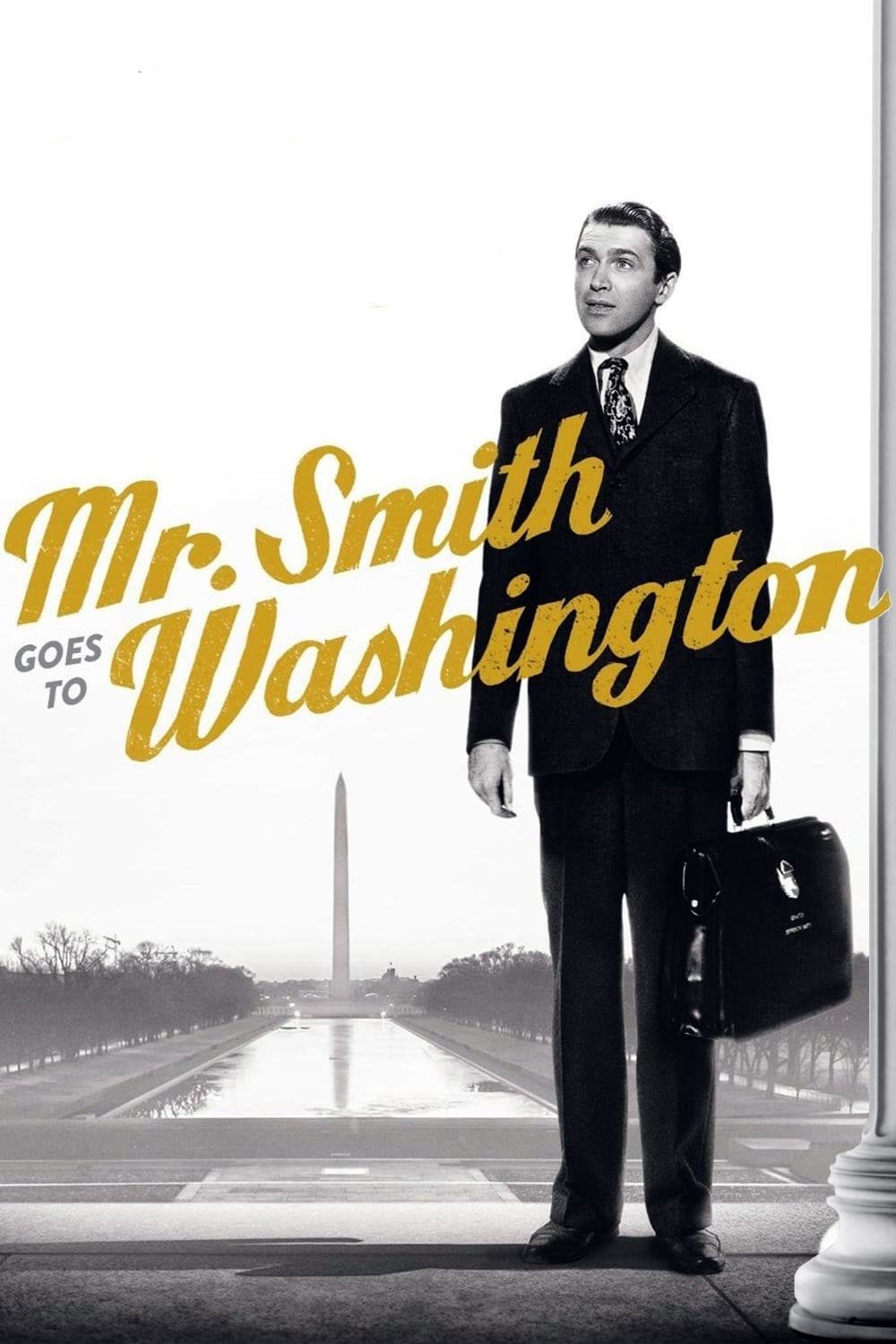
There are movies I return to when I need to remind myself of the power of idealism, and Frank Capra’s “Mr. Smith Goes to Washington,” released in 1939, sits atop that particular list for me. As a political drama grounded in the solid hands of Capra, I’ve always found its balance of cynicism and hope almost magnetic. The plot, for those not yet initiated or in need of a refresher, centers on Jefferson Smith—an earnest, wide-eyed leader of a youth organization, unexpectedly appointed to the U.S. Senate. What I love is how Capra pitches Smith into the churning waters of Washington, D.C., pitting his patriotism and untainted spirit against a tide of corruption, manipulation, and backroom deals.
As Smith tries to initiate a bill to better the lives of America’s children, he unwittingly challenges powerful, corrupt interests. There’s a mounting sense of tension as Smith becomes entangled in the machinery of government, with his youthful honesty threatened by those leveraging the system for personal gain. Without revealing detailed spoilers until later in the film, I can say that Smith’s progression from naïveté to embattled idealist, and the allies and antagonists he meets along the way, form the beating heart of Capra’s storytelling.
Capra doesn’t merely sketch a simplistic good vs. evil tale. He complicates Smith’s journey with moments of self-doubt and despair, tempered by moments of grace provided by his secretary, Clarissa Saunders, and by fleeting glimpses of institutional integrity. The resulting odyssey is part civics lesson, part emotional rollercoaster, and, in my mind, always compelling for how it channels both patriotic optimism and shrewd skepticism.
For people concerned about plot spoilers, I’ll just say: the second half of the film pivots into territory that is iconic—featuring one of classic Hollywood’s most legendary set pieces. For newcomers, discovering how Smith chooses to confront the system’s injustice is a ride best experienced without advance knowledge.
Key Themes & Analysis
What struck me most, even on first viewing, was how Capra wields the tools of the medium—cinematography, dialogue, performance—to sharpen the film’s indictment of political cynicism and reaffirmation of democratic ideals. At its core, I see “Mr. Smith Goes to Washington” as a pointed examination of moral courage versus institutional corruption. The movie rarely shies away from exposing the venality festering in American politics, positioning Smith as an avatar for underdog resistance.
I’ve always admired how the film captures the intimidating grandeur of Washington. Joseph Walker’s cinematography frames the domed halls of the Capitol in a way that oscillates between awe and menace. Wide shots dwarf Smith, visually reinforcing his vulnerability, yet moments of close-up—especially during the climactic Senate scenes—remind me that immense change can hinge on the conviction of a single individual.
Directorially, Capra’s pacing is a marvel. The narrative moves with a propulsive urgency, yet he’s not afraid to linger in moments of doubt or heartbreak, allowing the audience space to mourn or hope alongside Smith. The dialogue, both crackling and vulnerable, swings from biting satire to affectingly heartfelt tributes to American principles.
And then there are the performances. James Stewart’s turn as Jeff Smith is, for me, the soul of the movie—one of the most vulnerable, fiercely impassioned roles I’ve seen. Stewart embodies equal parts gawky innocence and steel-spined defiance. What’s remarkable is how his “man of the people” persona never slips into caricature; instead, every tremble in his voice or beat of hesitation feels authentic, fueling the movie’s emotional stakes.
I have always been struck by Jean Arthur’s performance as Clarissa Saunders. She’s more than just Smith’s confidante. As the street-smart, weary Senate secretary who ultimately becomes the architect of Smith’s education, Arthur brings complexity, wit, and a lived-in charm to her role. Her guidance is where the script’s idealism finds its backbone—grounding Smith’s naïveté with sharp wisdom forged by experience.
The film’s supporting cast impresses as well. Claude Rains, as the conflicted Senator Paine, shows the psychological toll of compromise—sometimes with just a downward glance or a wavering voice. Edward Arnold’s take on Jim Taylor, the manipulative party boss, underscores, for me, the insidious ways power corrupts. Every supporting character, even those with little screen time, seems purpose-built to deepen the story’s exploration of personal versus institutional ethics.
Beyond its performances, I am routinely blown away by Capra’s employment of symbolism. The famous filibuster scene is, to me, a breathtaking mix of technical bravura and emotional force. Watching Stewart stagger through exhaustion, clutching at his ideals, I could not help but be moved. Here, Capra transforms a single man’s resistance into a universal act of hope. The scene’s pacing, the crescendo of Stewart’s hoarse pleas—the endurance of one voice against a hundred—all serve as a lasting testament to the possibility of principled dissent.
What also stands out is how Capra masterfully blends tones. The movie never shies away from bitter satire—lambasting media corruption and political wheeling-dealing—but it refuses to let go of hope. Smith’s boyish enthusiasm is not mocked by the narrative but, rather, cherished. The contradictions of American democracy are not avoided; instead, they are acknowledged and wrestled with, head-on.
Strong direction, evocative visuals, and a script brimming with urgency and wit—these are just some of the reasons I regularly revisit “Mr. Smith Goes to Washington.” But what I carry away most is how effortlessly Capra provokes self-reflection. The film compels me to ask: Would I find the courage to stand alone against overwhelming odds? For all its period details, the questions the movie raises feel achingly relevant, even now.
My Thoughts on the Cultural Impact & Legacy
There are some films I appreciate for their craft; others, I treasure for their influence. “Mr. Smith Goes to Washington” stands out for how it forever altered my sense of what a Hollywood studio drama could achieve. Watching Stewart’s Jeff Smith battle against the machinery of American power, I realized that cinema could wield a social conscience—even, and perhaps especially, in its most crowd-pleasing forms.
For me, this film’s enduring legacy is twofold. First, it proved that Hollywood could engage with pressing, even controversial, issues without sacrificing entertainment value or emotional punch. When I look back, I see how it paved the way for later films that similarly blended sharp political criticism with characters who believe—sometimes naïvely, sometimes stubbornly—in decency and justice.
Second, I can’t overstate how “Mr. Smith” shaped public expectations of both the political process and political movies. Its influence on real-world perceptions of democracy echoes even today. I personally discovered the film in my teens, at a point when I was deeply skeptical about the possibility of authentic change in politics. Capra’s portrait of a principled—if imperfect—outsider gave me a new lens through which to view the intersections of idealism and pragmatism. In an era of increasing cynicism, that was, and remains, invaluable.
What I find just as intriguing is the way the film’s DNA penetrated later classics—movies like “All the President’s Men,” “The Candidate,” and Aaron Sorkin’s work in television. The template Capra created—character-driven, ethically-charged, laced with humor in the face of darkness—resonates throughout the American cinematic landscape. Personally, revisiting “Mr. Smith” always reignites my belief that films can aspire to more than escapism—sometimes, they can become blueprints for the very world we wish to build.
As a film curator and critic, “Mr. Smith Goes to Washington” set a benchmark for how I evaluate not just political stories, but any story that seeks to confront injustice in a way that is both unflinching and, ultimately, uplifting. Its moral clarity remains a north star, challenging me to demand more from cinema and from the real-world institutions it so artfully interrogates.
Fascinating Behind-the-Scenes Facts
Digging into this movie’s production history only makes me appreciate it more. One detail that always makes me marvel is Frank Capra’s casting process. The director’s first choice for the role of Jefferson Smith was actually Gary Cooper, but, unable to land him, Capra eventually approached James Stewart. This gamble not only elevated Stewart’s career but, in my mind, gave the film an authenticity and emotional grounding it might otherwise have lacked. Stewart had already shown potential in earlier Capra collaborations, but “Mr. Smith” transformed him into an icon of American cinema.
Another remarkable nugget is the film’s filming of the Senate floor. Capra was denied permission to shoot inside the real Senate chamber, so he commissioned a nearly exact replica on the Columbia Pictures lot. The set’s stunning attention to detail—even down to the tiniest fixtures—helped set the tone of institutional gravitas so necessary to the story’s tension. This technical investment, for me, paid dividends in the movie’s immersive sense of place.
I’m also consistently fascinated by how the film’s release sparked controversy. Many real-life politicians condemned the movie at the time, accusing it of undermining faith in government. Some foreign countries, sensing its anti-corruption message, even banned it out of fear that it might inspire unrest. The idea that a film could inspire that level of anxiety in established authorities says a lot about its power—and about Capra’s deft touch as both artist and provocateur.
Why You Should Watch It
- If you’ve ever wondered whether passionate individuals can genuinely affect change, this film offers a powerful, emotionally charged answer.
- The performances, especially by James Stewart and Jean Arthur, exemplify classic American acting at its finest—infusing idealism with humanity.
- Capra’s directorial choices, from sharp pacing to symbolic setpieces, make for a viewing experience that’s at once entertaining and profoundly thought-provoking.
Review Conclusion
Whenever I revisit “Mr. Smith Goes to Washington,” I’m reminded of the endurance of hope—and the importance of defending it against cynicism. Capra’s vision, Stewart’s inspired performance, and the film’s razor-sharp critique of power have, for me, lost none of their potency with time. If anything, their resonance has only intensified in our turbulent world. For anyone interested in movies that combine craft, heart, and cultural significance, I cannot recommend it enough.
My rating: 5/5 stars.
Related Reviews
- “All the King’s Men” (1949) – I recommend this for its incisive look at how idealism can be manipulated by power, mirroring Smith’s ethical journey but with a darker twist. Both films dissect the cost of political ambition but from differing angles of morality.
- “The Candidate” (1972) – This modern classic resonates with me for how it explores a newcomer’s unexpected collision with political realities. Its blend of sharp political satire and character-driven narrative feels like a spiritual successor to Capra’s template.
- “12 Angry Men” (1957) – While not about electoral politics, this courtroom drama echoes “Mr. Smith’s” belief in the power of a single unwavering voice. I always see both films as blueprints for stories about ethical courage within flawed institutions.
- “The American President” (1995) – This film follows Capra’s tradition by weaving romance and integrity into the highest echelons of government. It offers a lighter tone but still grapples with the interplay of personal conviction and public life.
For readers looking to go deeper, these perspectives may help place the film in a broader context.
🎬 Check out today's best-selling movies on Amazon!
View Deals on Amazon