
Plot Summary
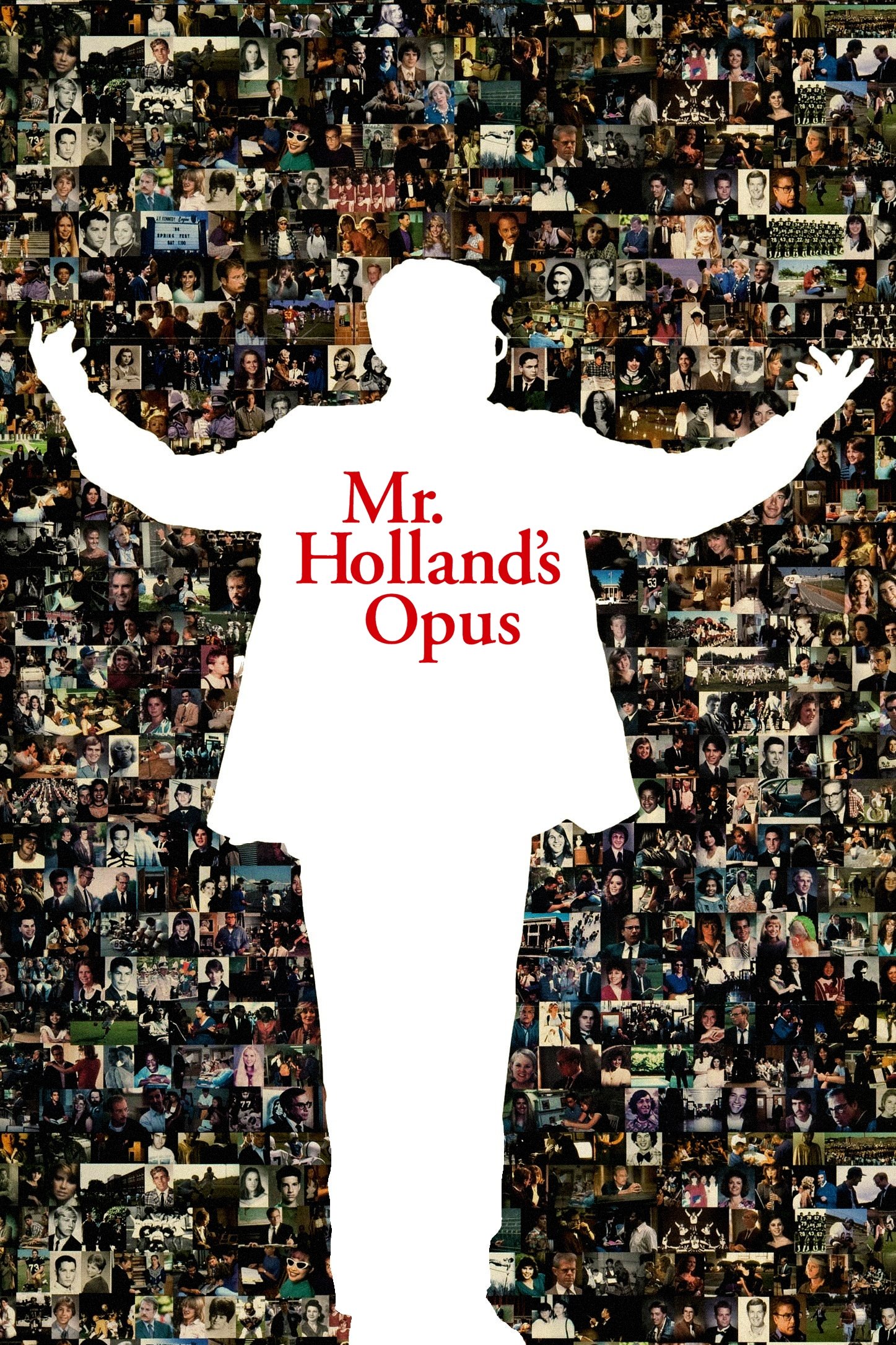
My first impression of “Mr. Holland’s Opus” was a vivid reminder of how the fabric of everyday life can become extraordinary through dedication and creativity. Directed by Stephen Herek, this film weaves a gently unfolding tapestry set in the heart of Americana—a public high school brimming with hope, challenges, and changing times. As I watched, I followed the life of Glenn Holland (Richard Dreyfuss), a passionate composer who sets aside his personal creative ambitions to take a job as a high school music teacher, initially intending it as a temporary stopover.
Through the lens of Holland’s journey, I found myself engrossed in the small, intimate victories that punctuate a teaching career: the awkward struggles of musically inept students, the joy of a budding talent finding their voice, and the slow but steady transformation of a reluctant faculty into a supportive community. While the narrative spans three decades, it avoids flashy melodrama, instead tracing the nuanced evolution of Holland’s relationships—with students, administrators, and above all, his own deaf son. Without revealing pivotal moments or final resolutions, I can say that the movie’s emotional core is a meditation on personal growth, sacrifice, and the enduring influence of art in daily life. If you wish to avoid learning more about specific transformational events, now would be the time to pause before proceeding further into the film’s narrative details.
Much of the story’s richness lives in the interactions between Holland and his students—their failures, small triumphs, and the ripple effects of his commitment. Every scene feels intent on celebrating both the relentless demands and subtle rewards of shaping young lives, while never shying away from the personal cost to Mr. Holland’s ambitions and family bond.
Key Themes & Analysis
The longer I sat with “Mr. Holland’s Opus,” the more I became convinced that its real subject isn’t music itself, but the subtle, often-unrecognized power of teaching as a vocation. Through Dreyfuss’s performance, I saw a man torn between private dreams and the needs of his community, the tug-of-war between selfishness and selflessness. This struggle forms the beating heart of the film and grounds its key themes: legacy, the unpredictability of fulfillment, and the tension between art and practicality.
I was especially struck by the film’s unhurried pace, which mirrors the slow accretion of meaning in real life. Each scene felt considered, allowing both the audience and the characters room to breathe. Stephen Herek’s direction resists overt sentimentality, instead earning its emotional beats through restraint and detail. The cinematography, which softly transitions through changing decades, uses visual cues like school banners, evolving hairstyles, and subtle shifts in color temperature to situate us in time without resorting to gimmickry. I found this attention to the small gestures—silent looks in the corridors, the hush of a deserted classroom—deeply evocative.
Acting, for me, became the film’s sustaining force. Richard Dreyfuss delivers one of his career’s most nuanced performances, embodying both the hope and the quiet frustrations of a man trying to do right by himself and others. I also saw true heart in supporting roles: Glenne Headly’s Iris Holland—gracefully rendered as the steadfast wife who quietly bears the weight of her husband’s ambitions—and Olympia Dukakis as Principal Jacobs, representing a steady, often unsentimental voice of institutional reality. Jay Thomas and William H. Macy add dimension, showing the shifting expectations of administrators and teachers across generations.
But what struck me most was how music, while a constant motif, acts as a metaphor for the cycles of hope, disappointment, and transformation that define education itself. The classroom, in Holland’s world, becomes a stage not only for symphonic achievement but also for the quiet dignity of ordinary endeavor. Through episodic vignettes—a struggling clarinetist, a rebellious student who needs direction—the film illustrates that heroic acts of teaching are rarely recognized as such in their time. The real “opus,” I realized, is not the grand symphony Holland wishes to compose, but the lives he shapes in uncounted, incremental ways.
The interplay of sound design and score stays with me. Michael Kamen’s sweeping music underscores key moments without ever suffocating them, and the use of well-known pop and classical pieces roots scenes in their respective time periods. These musical choices do more than signal era or mood—they echo the film’s core theme that life, like music, is as much about listening and adapting as it is about performing.
My Thoughts on the Historical & Social Context
When I think about the mid-1990s, I remember a world in transition—public education struggling with reduced funding, shifting values, and a cultural debate about the worth of the arts. Watching “Mr. Holland’s Opus,” I felt a strong nostalgia for a pre-digital, face-to-face kind of teaching, but also an undercurrent of anxiety about the precarious state of arts education. Released at a time when many schools were cutting music and theater programs, the film’s impassioned defense of the arts felt both urgent and deeply personal to me. Holland’s battles with administrative bureaucracy and shifting curricular priorities echo real-life stories from classrooms across America.
What resonated was how the film—while rooted in the particular decades it spans—captures timeless concerns about the cost of progress, the definition of success, and the often invisible nature of public service. I was moved by its honest exploration of how personal passions can be sidelined in service of a greater good, and yet, how those sacrifices create ripples far beyond what is immediately visible. In an era dominated by standardized testing and relentless quantification, the story’s message about the quiet, cumulative impact of devoted teachers offers a critique that still stings.
From my perspective, “Mr. Holland’s Opus” matters as much today as it did at its release because it renders visible the essential, but often undervalued, work of educators. Watching the film, I thought of how easily entire generations of students and teachers slip from memory—how the ledger of their influence is written in living hearts, not exam scores or statistics. To me, the film is a testament to the unsung architects of our culture: those who, day after day, shape our future through kindness, courage, and relentless belief in potential.
Fact Check: Behind the Scenes & Real History
Digging into the production background, I was fascinated to learn how Richard Dreyfuss became Mr. Holland. The role required an authenticity that went beyond acting chops: Dreyfuss spent considerable hours with music educators and even took conducting lessons. His preparation is evident in the film’s many music scenes, which feel both credible and emotionally true—a detail that sets the film apart from more superficial “teacher saves the day” narratives.
I also discovered some illuminating differences between the film’s depiction of music education and real-world practice. The character of Mr. Holland is an amalgam of countless teachers, and his decades-long curriculum changes mirror actual policy shifts in American public schools, particularly the erosion of arts funding during the Reagan-era budget cuts and the rise of standardized test priorities. While certain classroom dramatics may feel cinematic, the essential struggles—advocacy for the arts, personal sacrifice, and the slow-building triumphs of classroom mentorship—are drawn from real life.
What genuinely intrigued me was a small production choice with major emotional payoff at the end: the film’s climactic musical piece, the so-called “Opus.” Composer Michael Kamen wrote this section specifically for the movie and then brought in a blend of real student musicians and professionals to perform it on camera, resulting in a performance with visibly authentic energy. This extra layer of veracity, for me, cemented the emotional force of the movie’s final scenes.
Why You Should Watch It
- Richard Dreyfuss’s exceptional performance makes Mr. Holland utterly believable—a rare teacher-hero who is dignified, complex, and deeply human.
- The film’s meditation on the value of education and the arts speaks to ongoing debates about what matters in our school systems today.
- Its emotional storytelling and realistic depiction of personal sacrifice offer more than nostalgia; they prompt us to appreciate the often-invisible contributions of everyday mentors and guides.
Review Conclusion
For me, “Mr. Holland’s Opus” is more than a sentimental portrait of a teacher’s journey—it is a stirring affirmation of how meaningful a life spent in service to others can be, even when that service defers one’s own dreams. The combination of strong cast, quietly observant direction, and a topic that cuts to the bone of education’s purpose, make this a powerful experience. The film’s willingness to linger on the incremental, sometimes thankless details of teaching deepened my respect for real educators. While some episodic vignettes border on cliché, the overall honesty and warmth carry the film to genuine emotional resonance.
My star rating: 4.5/5. This film left me thoughtful, moved, and newly appreciative of every unsung mentor quietly building the “opus” of their students’ lives.
Related Reviews
- Dead Poets Society (1989): If you were moved by the celebration of teaching and the quiet rebellion against conformity in “Mr. Holland’s Opus,” Peter Weir’s film offers a similarly personal look at the lasting effects of a single inspirational educator, beautifully rendered by Robin Williams.
- Music of the Heart (1999): Featuring Meryl Streep as a violin teacher striving to keep music alive in an underserved school, this film resonates with the same themes of perseverance, student transformation, and the social value of the arts in education.
- October Sky (1999): Like “Mr. Holland’s Opus,” this movie explores how one mentor can ignite a lifelong passion and change the trajectory of young lives. It’s rooted in real events but shares a similar warmth, hopefulness, and respect for the teacher-student bond.
- The Emperor’s Club (2002): For viewers drawn to the moral complexity and long-term impact of teachers, this classroom drama offers another thoughtful meditation on guidance, disappointment, and legacy.
If you want to explore this film beyond basic facts, you may also be interested in how modern audiences respond to it today or whether its story was inspired by real events.
🎬 Check out today's best-selling movies on Amazon!
View Deals on Amazon