
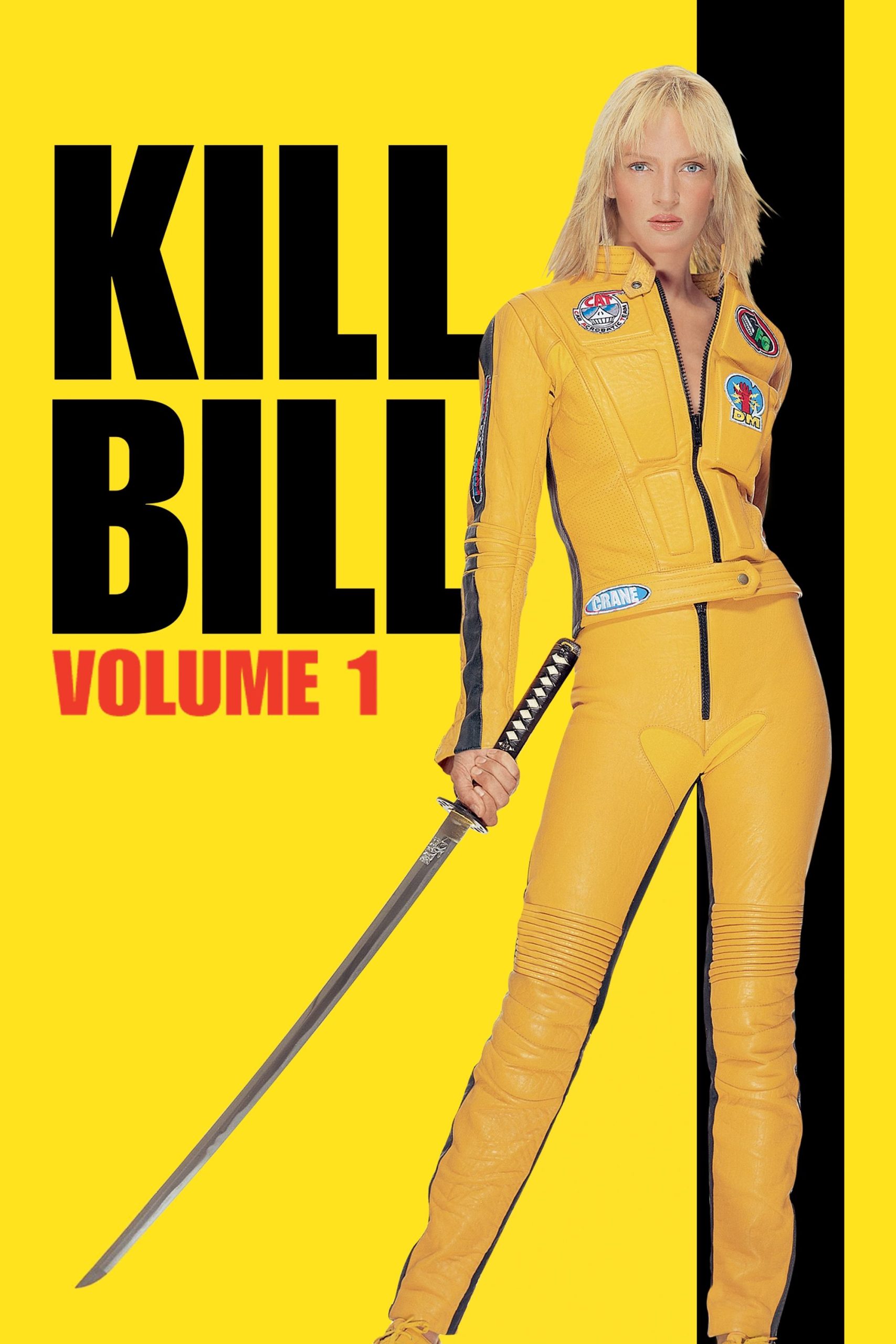
Plot Summary
Whenever I think back to Quentin Tarantino’s intoxicating blend of martial arts, pulp fiction, and vengeance-driven storytelling in “Kill Bill: Vol. 1”, the intensity of the opening sequence always floods my memory. The film, for me, is less of a traditional narrative and more of a fever dream—a revenge tale filtered through the director’s wild, cinephile imagination. On the surface, I watched a tale of a former assassin, known only as The Bride (her name—a deliberate mystery)—play out her meticulous campaign of retribution across a sprawling, stylized canvas.
The plot, as I experienced it, unfolds in a fractured, non-linear fashion—a signature Tarantino move. The Bride awakens from a four-year coma after surviving a massacre at her own wedding rehearsal. With burnishing intensity, she sets her sights on hunting down her former associates in the Deadly Viper Assassination Squad, and ultimately, the enigmatic Bill, her one-time lover and mentor. Each chapter felt like a riotous homage, bouncing from the slick halls of a Japanese crime syndicate to rain-soaked showdowns and blood-spattered duels. I noticed, too, that the film is never just about the violence; it’s about suspense, honor, betrayal, and memory, all tangled into a neon-drenched tapestry. And yes—while the stakes are personal, the world into which the story plunges is anything but ordinary. (For readers who wish to remain unspoiled, I’ll steer clear of the climactic plot payoffs, reserving the brutal reveals that make this film best experienced firsthand.)
Key Themes & Analysis
What always pulls me back into Kill Bill: Vol. 1 is how the film blurs the line between homage and originality, using references as a foundation for something truly its own. Tarantino openly wears his obsessions—samurai cinema, spaghetti westerns, old-school kung fu films—on his sleeve, but rather than simply copying, he fuses them into a dizzying new whole. For me, the film’s most dominating theme is the inexorability of revenge—its power to both liberate and consume. The Bride’s journey pulses with both fury and vulnerability; she’s a character defined by loss yet propelled by a chilling clarity of purpose.
The cinematography absolutely dazzled me. Robert Richardson, the director of photography, crafts striking images: razor-sharp silhouettes, saturated splashes of color, and operatic lighting that swings between stark monochrome and vibrant Technicolor. One iconic sequence that epitomizes Tarantino’s directorial gusto is the House of Blue Leaves battle, where Uma Thurman’s Bride carves a path through dozens of adversaries. The flowing choreography, rapid-fire edits, and sudden shifts—from anime flashbacks to nearly silent moments of tension—create a hypnotic rhythm I find relentlessly energizing. Equally, RZA’s soundtrack, alive with classic surf rock, Japanese ballads, and brassy funk, curates mood as much as narrative.
For me, what distinguishes Kill Bill isn’t just the violence (though the film’s operatic bloodletting is legendary), but the way Tarantino manages to inject heart, humor, and a deep respect for character archetypes—even as he subverts them. Uma Thurman’s performance is astonishing: I’m enthralled by how she balances stoic resilience with raw, emotional vulnerability. Thurman imbues The Bride with a chilling determination but never lets us forget the tragedy lurking behind her mission. Lucy Liu, as O-Ren Ishii, delivers a fearsome, nuanced antagonist; her own arc, revealed in anime form, is haunting—a brilliant example of how Tarantino plays with storytelling form to deepen character study.
I also found myself reflecting on the film’s playful yet pointed use of genre conventions. Every action set piece is both a love letter to and a remix of Eastern and Western genre traditions: Samurai honor collides with spaghetti Western swagger, all delivered through Tarantino’s sharply witty, pop culture-infused dialogue. This collision of styles becomes a commentary on cinema itself: What does it mean to borrow, to pay tribute, to transform? The result is a film that’s as much about cinematic history as about its characters’ personal reckonings.
My Thoughts on the Historical & Social Context
When Kill Bill: Vol. 1 first debuted in 2003, the film arrived at a fascinating, tumultuous moment in American pop culture. Having grown up watching action movies dominated by male leads, I felt an unmistakable charge seeing a female action hero who is both physically unstoppable and psychologically complex. This wasn’t simply Sarah Connor or Ripley—this was a protagonist whose sheer brutality was matched by a palpable sense of loss, nurturing, and resilience. Amid the early 2000s, audiences were craving new representations, and I’ll never forget how energized I felt by The Bride’s transformative power on screen.
The film also thrived at a moment when genre mash-ups were rare in Hollywood. Tarantino’s bold blending of Eastern and Western tropes—often deploying subtitled Japanese dialogue, animated backstory segments, and honed martial-arts action—mirrored a growing cultural curiosity about global storytelling traditions. From my perspective, Kill Bill became a gateway for many Western viewers, myself included, into the kinetic worlds of Shaw Brothers cinema and Japanese yakuza films. It seemed to give permission for “highbrow” audiences to enjoy “lowbrow” pleasures, challenging the boundaries of what prestige cinema could be.
Socially, the violence and representation in Kill Bill sparked fierce debates. There was real discomfort, even outrage, over the scale and stylization of the film’s bloodshed, especially as it was delivered by—and upon—female characters. For me, this only underscored Tarantino’s willingness to provoke—forcing us to confront our own thresholds for cinematic violence, gender roles, and the moral ambiguities of vengeance. The film’s lasting relevance stands as proof that these questions haven’t been resolved. In a time of ongoing discussions about female empowerment, the ethics of revenge, and the globalization of film culture, I continue to find Kill Bill: Vol. 1 a provocative, conversation-starting artifact—a film that simultaneously glorifies and interrogates the catharsis of payback.
Fact Check: Behind the Scenes & Real History
Pulling back the cinematic curtain only makes my appreciation for Kill Bill: Vol. 1 deeper, as the production history is interwoven with surprises, risks, and creative gambles. For one, the collaboration between Uma Thurman and Quentin Tarantino was so central to its conception that Thurman herself helped conceptualize The Bride during the making of Pulp Fiction nearly a decade earlier. In fact, Tarantino considers Thurman his “muse” for the project, and the script was written with her explicitly in mind. Their close working relationship unfortunately also led to high-profile controversy over on-set safety—most notably, Thurman’s harrowing car crash during filming, which highlighted just how far some productions push in pursuit of authenticity.
Another detail that fascinates me: the House of Blue Leaves sequence required weeks to choreograph and shoot, involving hundreds of extras and gallons of (specially-formulated) fake blood. To avoid issues with the MPAA ratings board, the explosive fight scene pivots into black-and-white midway through, allowing the violence to feel stylish rather than exploitative, and cleverly sidestepping American censorship standards. This switch wasn’t just a practical choice—it tapped into the aesthetic tradition of classic samurai cinema, which often employed monochrome visuals both for artistry and restraint.
I’m always intrigued by the way Tarantino’s “realism” functions. While Kill Bill: Vol. 1 leans into fantasy, it is packed with razor-sharp details—from samurai sword craftsmanship (inspired by real Japanese swordsmiths) to yakuza corporate structure. Yet, the truth is, no assassin squads like the Deadly Viper Assassination Squad have existed in real-life criminal history; their larger-than-life stylization is pure Tarantino fantasy, meant to evoke the moral clarity and mythic violence of genre storytelling. The film’s authenticity isn’t in sticking to real assassin lore, but in conveying the pulse and pathos of the revenge myth—something that speaks as much to our imaginations as to reality.
Why You Should Watch It
- Because the film is an exhilarating masterclass in genre-blending, offering a visually intoxicating experience unlike any standard Hollywood revenge film.
- Because Uma Thurman’s performance as The Bride is among the most memorable and layered action heroines ever put to screen—her journey feels cathartic, vulnerable, and fierce.
- Because Tarantino’s daring storytelling, pop-culture sensibility, and stylistic bravura make every scene unpredictably thrilling, demanding you pay attention and stay on your toes.
Review Conclusion
When I revisit Kill Bill: Vol. 1, I’m always astonished at how confidently, and sometimes chaotically, the film dances between genres, tones, and emotional beats. For me, this is Quentin Tarantino at his most exuberant—worshipping the cinema he loves while remixing it into something urgent, personal, and unmistakably his own. It’s not just blood and acrobatics; it’s a meditation on pain, survival, and the seductive pull of violent catharsis.
Is it flawless? Hardly. Some might argue it’s pure spectacle over substance, or that its violence borders on excess. But for me, these choices are the very reason the film lingers in the mind long after the credits roll. Kill Bill: Vol. 1 is a rare kind of kinetic, bravura filmmaking—one that invites you to grapple with your own taste for revenge, your appetite for genre, and your longing for something unforgettable. I’d rate it 4.5 out of 5 stars for its audacious ambition, technical mastery, and uncompromising vision.
Related Reviews
- Lady Snowblood (1973) – This Japanese cult classic shaped much of Kill Bill’s style and narrative. I find its vengeful heroine and stylized bloodshed to be direct inspirations, offering a feminist and visually lush counterpoint to Tarantino’s vision.
- Oldboy (2003) – If you loved Kill Bill’s fusion of brutal revenge and dazzling aesthetics, Park Chan-wook’s Korean masterpiece is an emotionally devastating, stylish thriller that similarly explores the costs and consequences of vendetta.
- Crouching Tiger, Hidden Dragon (2000) – I can’t help but recommend Ang Lee’s masterwork to fans of Kill Bill’s balletic swordplay and strong female warriors. Its gorgeous cinematography and poetic action sequences evoke the same sense of mythic grandeur.
- Pulp Fiction (1994) – For those fascinated by Tarantino’s kinetic style, nonlinear storytelling, and razor-sharp dialogue, this earlier hit remains a touchstone for dark humor and genre-bending brilliance.
- The Bride with White Hair (1993) – If epic, tragic romance enmeshed with stylized martial arts appeals to you, this Hong Kong fantasy film offers a mesmerizing blend of heroism and heartbreak in a world as visually rich as Tarantino’s.
If you want to explore this film beyond basic facts, you may also be interested in how modern audiences respond to it today or whether its story was inspired by real events.
🎬 Check out today's best-selling movies on Amazon!
View Deals on Amazon