
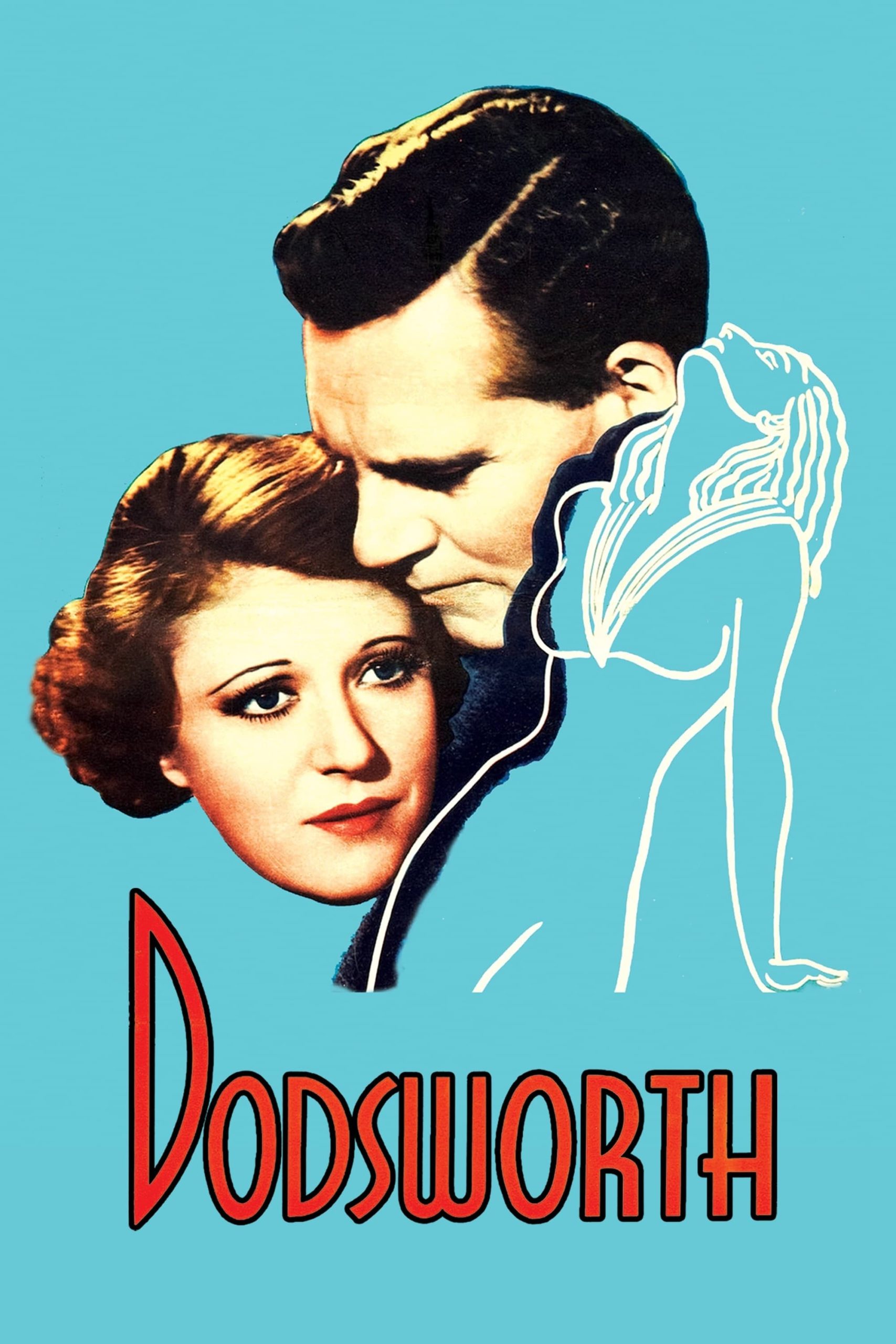
Plot Summary
There’s something quietly astonishing about watching a narrative unfold at a more human pace, and this is exactly how my experience was with William Wyler’s sophisticated drama. When I first sat down with this film, I was struck by its mature unraveling of marital expectations and transatlantic identity. The film follows Sam Dodsworth, an industrialist who retires and, at the prompting of his ambitious wife Fran, embarks on an extended tour of Europe. What begins as an anticipated adventure quickly reveals underlying cracks in their marriage. While I’ll refrain from spoiling the emotional crescendos that make the film’s third act so memorable, I will say that the real engine powering the story isn’t melodrama, but a steadily mounting emotional realism.
We don’t get overwrought plot turns or broad brushstrokes here. Instead, I became engrossed in the subtleties of marital discontent and the sometimes-painful search for personal identity, even late in life. Both Sam and Fran find themselves enticed—and ultimately challenged—by the new cultures and romanticized prospects that Europe offers. For anyone approaching the film for the first time, I’d encourage embracing the small, telling moments between the leads as the truest guide through its story.
Key Themes & Analysis
What drew me in most powerfully was the way Dodsworth navigates the space between American pragmatism and European romanticism. The contrast is not simply geographical; it’s deeply personal, found in how Sam and Fran each respond to the freedoms and temptations of continental life. Wyler deftly teases out these tensions through measured pacing, striking compositions, and—most of all—the remarkable restraint of his cast.
Walter Huston’s portrayal of Sam left a deep impression on me. There’s genuine humility in his performance—a sense of a man shaped by the straight lines of American industry, suddenly finding himself lost among the nuances of foreign society and, just as poignantly, of his wife’s ambitions. Fran, played with a brittle elegance by Ruth Chatterton, became for me a symbol of the restless anxieties of modernization and feminine aspiration. I saw in her character neither villain nor victim, but a complex portrait of someone out of step with tradition, yearning for connection and status outside the confines of marriage. This film’s depiction of a woman who feels both liberated and alienated by changing social norms remains astonishingly modern.
In terms of direction, Wyler’s subtle visual language stood out. While some 1930s dramas can drown under their own theatricality, I found Dodsworth measured and assured, each shot feeling quietly purposeful. When characters drift away from each other—sometimes physically, sometimes emotionally—the frame lingers, making me acutely aware of distance and longing. The use of mirrored reflections, especially in Fran’s scenes, underscores the duality of public image versus internal chaos. Cinematographer Rudolph Maté’s deft use of light and shadow communicates uncertainty and nostalgia, giving the film a visual poetry that few contemporaries matched.
Another key theme that echoed long after the credits was the cost of self-discovery. The journey through Europe is both literal and metaphorical, and I found myself sympathizing with Sam’s bewilderment as much as Fran’s dissatisfaction. Through their evolving perspectives, Dodsworth exposes the ambivalence of progress and the heartbreak that comes with realizing what—or who—truly constitutes home. The screenplay’s refusal to cast easy judgments stands out; both infidelity and loyalty have emotional consequences here, and everyone is laid bare by the film’s end.
My Thoughts on the Historical & Social Context
Watching Dodsworth from the vantage of the 21st century was a revelation. I was acutely aware that this isn’t just a film about two individuals, but about post-World War I anxiety, shifting gender roles, and the American dream’s collision with old-world ideals. Released in 1936, the world was perched precariously between wars, and the shadows of the Great Depression lingered heavily across the Atlantic.
The depiction of marriage—mature, imperfect, and full of longing—struck me as startlingly progressive for its time. Few films from the era so centrally confront the emotional and existential cost of changing social norms. From my perspective, the film’s honesty rings true today, as our society continues to grapple with traditional values versus modern autonomy—not just in relationships but across nearly every facet of identity.
I couldn’t help but view Fran’s restlessness as a reflection of the broader unease among women of the 1930s. She isn’t simply hungry for European sophistication; she’s hungry for recognition and self-definition in a world that often denied it. The film, in my mind, channels the burgeoning feminist consciousness just beginning to challenge the status quo. It refuses to treat women’s desires as secondary or simplistic—something that would have felt quietly radical to audiences in the pre-war era.
Importantly, Dodsworth captures the American fascination and insecurity surrounding Europe. The scenes in Paris, Venice, and beyond are painted with both enchantment and suspicion, symbolizing the tension between an old world in decline and a new world unsure of its place. I was fascinated by how this duality mirrors our own times; we still look abroad searching for meaning, yet inevitably confront the realities left behind. For me, that’s what makes Dodsworth feel so urgent and relevant even now.
Fact Check: Behind the Scenes & Real History
Diving into the making of Dodsworth revealed some remarkable facets that only deepened my respect for the production. First, I learned that Walter Huston had originated the role of Sam Dodsworth on Broadway, giving his screen performance an authenticity rarely seen in early Hollywood adaptations. His history with the character is palpable in every gesture—there’s a lived-in quality that can’t be faked, and I was fascinated to discover how this lent an extra layer of subtlety to the film version.
The directorial choices were another revelation for me. William Wyler was famously meticulous—reportedly reshooting certain pivotal scenes dozens of times, even by 1930s standards. This relentless pursuit of perfection brought out the best in his actors and set a high-water mark for emotional realism in American cinema. I’ve always admired Wyler’s reputation, but knowing just how much effort underpinned the film’s restraint gave me new appreciation for its quiet intensity.
I also discovered that the original source material—Sinclair Lewis’ 1929 novel—came out at a time of immense social flux. While the film maintains the novel’s critique of American materialism and personal fulfillment, it softens some of the book’s more caustic edges, particularly regarding Fran’s ambitions and fate. This, I think, was a shrewd adaptation choice that gives the film its enduring emotional impact and helps modern viewers connect to both characters without casting them as outright heroes or villains.
Why You Should Watch It
- An honest, emotionally nuanced examination of marriage and midlife reinvention—far ahead of its time for 1930s Hollywood.
- Exceptional performances by Walter Huston and Ruth Chatterton, bringing rare depth and humanity to their roles.
- Lush cinematography and direction by William Wyler, offering both continental sophistication and quietly devastating storytelling.
Review Conclusion
Dodsworth resonated with me far more than I expected. Its delicate balance of heartache, humor, and self-revelation lingers, making it a film that I find myself thinking about long after viewing. The marriage at its heart avoids both easy sentimentality and cold cynicism; instead, the film allows its characters to unfold with all the flaws, yearnings, and contradictions of real life. Wyler’s direction, matched with those unforgettable performances, crafts a story that bridges eras while speaking with fresh urgency to every generation searching for meaning, home, and second chances. For its emotional honesty, technical excellence, and enduring relevance, I gladly assign Dodsworth 4.5 out of 5 stars.
Related Reviews
- “The Best Years of Our Lives” (1946): I recommend this film for its profound exploration of postwar identity and shifting domestic roles, echoing Dodsworth’s themes of reinvention and dislocation.
- “Brief Encounter” (1945): If you felt moved by Dodsworth’s intimate portrayal of longing and marital discord, you’ll find similar resonance in David Lean’s quiet, aching romance set in an England of changing morals.
- “Mrs. Miniver” (1942): Wyler again directs, but this time the film explores courage and resilience under social upheaval. Both films probe at what holds families and marriages together amid profound external changes.
- “Rebecca” (1940): Hitchcock’s gothic drama explores another marriage shaken by shifting power dynamics and personal secrets. If you appreciate Dodsworth’s psychological depth, this adaptation of Daphne du Maurier will offer rich thematic parallels.
If you want to explore this film beyond basic facts, you may also be interested in how modern audiences respond to it today or whether its story was inspired by real events.
🎬 Check out today's best-selling movies on Amazon!
View Deals on Amazon