
Plot Summary
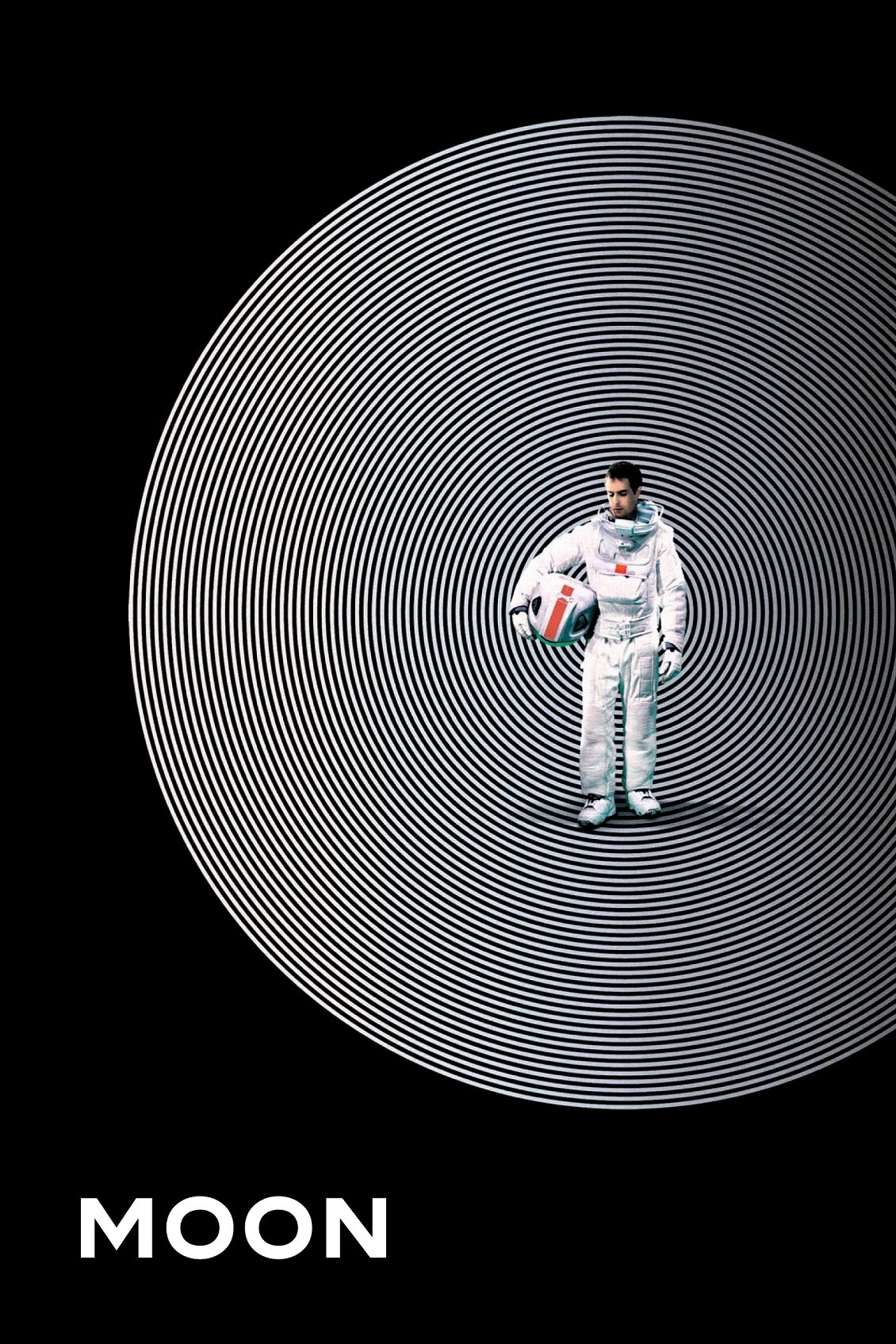
As someone who first encountered Duncan Jones’s science fiction drama “Moon” years after its quiet theatrical debut, I felt immediately absorbed by how elegantly it captured loneliness and identity. The film follows Sam Bell, played by Sam Rockwell, who is closing out a three-year stint mining helium-3 alone on the far side of the moon. Rather than relying on explosive special effects or alien encounters, “Moon” drew me in with its patient, intimate exploration of Sam’s daily routines, his only company being the base’s AI companion, GERTY (voiced with icy warmth by Kevin Spacey). There’s a subtle creeping dread to the monotony, as minor mishaps and physical deterioration hint that not everything is as it appears.
Without unveiling the film’s signature twist, I can say the narrative pivots on a discovery Sam makes after an accident on the lunar surface. The film carefully balances slow-burn suspense with a meditation on what it means to be human and alone. I felt on edge as subtle clues and Sam’s increasing paranoia built toward an unsettling confrontation with the truth behind his isolation. If you’re reading this before viewing and wish to stay unspoiled, rest assured: the film’s careful pacing and emotional beats pay off best when experienced with minimal foreknowledge. The sense of mystery, underscored by a haunting score and minimalist set design, left me reflecting on its implications long after the credits rolled.
Key Themes & Analysis
What struck me most during my first and subsequent viewings of “Moon” is how the film foregrounds the question of personal identity and selfhood. Here, solitude isn’t just a setting: it’s a crucible. I found myself drawn to how the lunar base became an arena for one man’s psychological unraveling. The sterile, claustrophobic sets create more than a physical sense of isolation—the white walls, humming machinery, and lack of color seemed to amplify the feeling of being cut off from humanity.
Jones’s directorial style invites me to dwell on the film’s broader implications. It’s the way the camera lingers on Sam’s exhausted expressions, or how GERTY’s glowing emoticons offer only the illusion of comfort, that elevates the story from mere sci-fi procedural to a metaphor for alienation in the modern age. There’s something so relatable in watching Sam struggle with his memory, his routine, and the subtle suspicion that his life is not entirely his own. In these moments, I found it impossible not to reflect on issues like workplace exploitation, the commodification of individual identity, and the ethical murkiness emerging from technological advancement.
Cinematographically, “Moon” is a marvel of restraint. Rather than flashy visuals, I find the film’s atmosphere is sculpted by shadow and soft light, reminiscent of classic sci-fi like “2001: A Space Odyssey”. But there’s an emotional warmth here, a personal intimacy, in how the camera clings to Sam Rockwell’s every gesture. His performance is, in my judgment, the linchpin of the entire venture: Rockwell’s ability to convey fraying resolve, brittle hope, and suppressed panic grounds even the film’s most surreal twists in authentic emotion.
One of the most powerful undercurrents in “Moon” is its exploration of what it means to be expendable in a technological world. I couldn’t help but project myself into Sam’s shoes, questioning what I would do if my sense of self was suddenly destabilized by forces beyond my understanding. GERTY’s ambiguous motives echo all the ways modern technology aids and controls us; the film asks tough questions but avoids moralizing, leaving me to wrestle with the implications myself.
Corporate indifference is another key theme I couldn’t ignore. The film subtly criticizes the dehumanizing effects of profit-driven motives, reflected in how Sam’s employer, Lunar Industries, regards its workers—and ultimately, the very concept of a worker. Watching Sam’s vulnerability laid bare, I was confronted by the persistent relevance of labor ethics, automation, and the cost of treating people as parts of a machine.
Finally, I found “Moon” quietly hopeful. Amid all its existential questioning, there are glimmers of resilience and compassion. The interplay between Sam and GERTY, for all its mechanical mediation, hints that understanding and empathy can emerge even in the coldest, most inhuman environments. For me, this is the thread that lifts “Moon” beyond mere dystopian warning into moving philosophical reflection.
My Thoughts on the Historical & Social Context
Looking back at the world in 2009, I see why “Moon” resonated as deeply as it did with me and with audiences attuned to its subtle warnings. The late 2000s were shadowed by economic downturn, technological upheaval, and emerging ethical concerns about the role of automation and AI in daily life. “Moon” emerged in a landscape anxious about job security and debates over what technology might mean for our sense of individuality.
From my perspective, the film’s themes felt like a direct response to the period’s unease. Watching Sam Bell’s daily grind—utterly alone, replaceable, monitored—I was reminded of the emotional costs paid by workers caught up in systems too vast to understand or control. Just as employees in real workplaces were being subjected to increasing surveillance and automation, Sam’s existence on the lunar base mirrored those anxieties in allegorical form. The exhaustion, the creeping mistrust of one’s environment and even one’s own mind, all struck me as symptoms of a wider societal malaise.
What fascinates me most is that, over a decade later, “Moon” is more relevant than ever. We now grapple with how tech companies use our data, how automation impacts human dignity, and whether AI will enhance or erode our autonomy. The questions posed by Jones’s film—”What is a person?” “Who benefits from our labor?”—linger in today’s debates over cloning, robot ethics, and gig labor. So when I revisit “Moon,” I’m reminded that the allure and the menace of technology are inseparable, and that science fiction’s role isn’t just to predict the future, but to crystallize our present doubts for future generations to reckon with.
Fact Check: Behind the Scenes & Real History
It’s not just the film’s atmosphere that fascinates me, but the story behind its making. One detail I find especially telling is how the entire film was shot over only 33 days and on a tight budget. Duncan Jones and his team employed practical effects and intricate miniatures for the lunar landscapes rather than relying on expensive CGI. This decision, I think, lent the film its unique texture and made the confinement feel tangible, as if you could almost smell the metallic tang of recycled air within the base.
Another aspect that stands out is Sam Rockwell’s workload. For me, knowing that Rockwell performed opposite himself for much of the filming—sometimes acting with tennis balls or stand-ins, later composited through visual effects—adds another level to his tour de force performance. His ability to create distinct personalities, to play off himself with such subtlety and nuance, is nothing short of remarkable, especially given the limited resources the production had.
As for historical accuracy, “Moon” wisely avoids tying itself to any real missions or lunar mining operations. However, the idea of harvesting helium-3 as a future energy source isn’t merely science fiction; there’s genuine scientific interest in extracting it from the Moon. While the film takes creative liberties, the scenario feels plausible enough to spark real-world discussions about the ethics of space labor and the use of clones or AI on dangerous missions. These speculative leaps, in my opinion, are what make Jones’s approach so compelling; he crafts a near-future world close enough to our reality to unsettle, but distant enough to provoke imagination and debate.
Why You Should Watch It
- Sam Rockwell’s transformative, multilayered performance anchors the film with raw, personal authenticity you rarely find in sci-fi.
- The film’s intimate focus on psychological isolation transcends genre, inviting powerful reflection on what technology and labor mean for personal identity today.
- Practical effects and minimalist design craft an atmospheric, visually striking world that brims with tension, even on a limited budget—showing how style and substance can combine to stunning effect.
Review Conclusion
After living with “Moon” over several watches and letting its themes sink in, I can say it stands among my favorite modern science fiction films. I’m constantly impressed by how Duncan Jones combines emotional depth, philosophical sophistication, and technical artistry in a contained, character-driven story. I keep returning to Sam Rockwell’s extraordinary performance, the moral ambiguity Jones weaves around technology and identity, and the way the film’s visual restraint lets deeper questions breathe. For viewers who, like me, crave sci-fi that challenges as much as it entertains, “Moon” offers a rare blend of tension and contemplation. I confidently rate it 4.5 out of 5 stars—it’s a film whose haunting ideas and emotional resonance endure far beyond the final frame.
Related Reviews
- “Solaris” (2002, dir. Steven Soderbergh): I recommend this cerebral, meditative science fiction drama for its similar focus on isolation, psychological breakdown, and questions of memory. It’s a film that, like “Moon,” uses its space setting not for spectacle but for deep existential probing.
- “Ex Machina” (2014, dir. Alex Garland): If you’re captivated by “Moon’s” exploration of AI and the ethics of creation, this provocative chamber piece offers a tense, stylish look at power, manipulation, and self-awareness in a near-future tech world.
- “Silent Running” (1972, dir. Douglas Trumbull): For those who appreciate “Moon’s” use of practical effects and themes of environmental stewardship and personal conviction, this early eco-sci-fi about a lone caretaker and his robot companions shares a kindred spirit of melancholy and hope.
- “Her” (2013, dir. Spike Jonze): While a tonal departure, “Her” is another emotionally resonant meditation on humanity’s relationship with artificial intelligence and loneliness, offering a poetic counterpoint to the existential dilemmas of “Moon.”
If you want to explore this film beyond basic facts, you may also be interested in how modern audiences respond to it today or whether its story was inspired by real events.
🎬 Check out today's best-selling movies on Amazon!
View Deals on Amazon