
Plot Summary
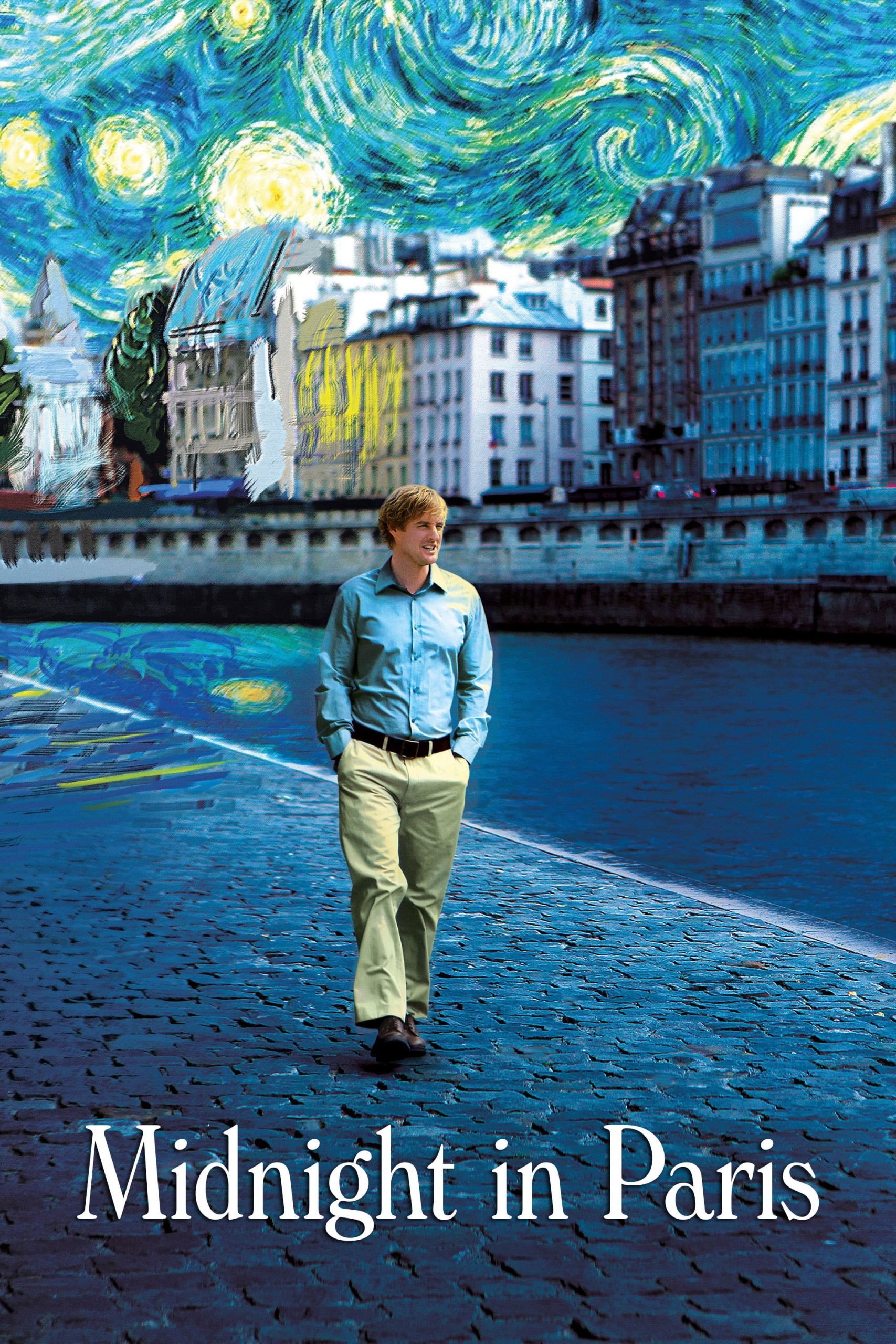
From the moment I first sat down to experience “Midnight in Paris,” I felt as though I’d slipped into an impressionistic painting. Director Woody Allen immerses us in a whimsical time-traveling romance, which blends nostalgia, fantasy, and personal discovery. The film opens with Gil Pender—a Hollywood screenwriter whose creative soul aches for more than glossy scripts and California sunshine—wandering the golden streets of Paris with his fiancée. To me, the initial scenes evoked a sense of longing; Gil’s obsession with the city’s past mirrors a universal hunger for meaning and belonging. Paris becomes not just a backdrop but a character itself, its rain-soaked boulevards humming with possibility.
This film’s story hinges on an idea I find enchanting: what if you could literally step into your favorite era and meet the legends who shaped art, literature, and love? Each midnight stroll transports Gil back to the 1920s, surrounded by iconic figures—from F. Scott Fitzgerald and Zelda, to Ernest Hemingway, Gertrude Stein, and even Salvador Dalí. I love how these transitions never feel gimmicky; they’re more like invitations to self-reflection, each encounter gently nudging Gil toward a deeper understanding of what truly matters to him.
If you’re wary of spoilers, I’ll just say that the film’s magic lies in its subtlety; plot twists unfold as gentle revelations rather than shocking turns. The way these midnight encounters reshape Gil’s worldview stays delicately balanced on the edge of fantasy and reality. For anyone seeking a straightforward love story, be prepared—this film belongs to dreamers and romantics, those for whom Paris at midnight still holds secrets worth chasing.
Key Themes & Analysis
The idea I keep returning to is nostalgia—its allure, limitations, and how it shapes our identities. “Midnight in Paris” fundamentally challenges my assumptions about the ‘good old days.’ I’ve always found myself drawn to the past—classic novels, black-and-white films, music from another era. Watching Gil, I recognized that longing in myself: the belief that happiness exists somewhere in the sepia-toned memory of another time. The film masterfully cautions against romanticizing bygone eras at the expense of living fully in our own.
I can’t discuss “Midnight in Paris” without marveling at the cinematography. Each frame feels purposely crafted to transport viewers—not just to a different location, but through time. I felt the pervasive glow of golden streetlights and early morning mist; it’s as if the city is filtered through memory itself. Director Woody Allen orchestrates this atmosphere with a gentle, knowing touch—never straining for magic, but letting Paris simply reveal itself. Scenes shift seamlessly from contemporary cafés to Roaring Twenties salons, their color palettes distinct yet consistently romantic. These choices aren’t merely aesthetic. They reinforce a central idea: that enchantment isn’t found by escaping reality, but by embracing it with fresh wonder.
Allen’s direction tempers whimsy with restraint. The film never succumbs to parody. Instead, it invites me to contemplate how we idealize cultural icons—Fitzgerald sharing cocktails, Hemingway hanging broodingly in a corner, Picasso arguing over abstract art. Every encounter is shaded with respect and gentle humor. Owen Wilson’s performance as Gil is particularly resonant—subdued, vulnerable, and full of restless yearning. He shoulders the film’s emotional arc, and I found myself invested in his journey, rooting for him to find clarity amidst the glamour and ghosts. Supporting turns by Marion Cotillard, Rachel McAdams, and Adrien Brody all contribute layers of wit, charm, and complexity.
At its heart, “Midnight in Paris” is about the tension between imagination and acceptance. It asks whether our nostalgia is a source of inspiration or an obstacle to genuine happiness. By blending fantasy and realism so elegantly, the film becomes more than just a love letter to Paris; it’s a meditation on the mysterious power of longing itself, and on the courage it takes to let go of idealized dreams and embrace the magic we might find right now, in the present moment.
My Thoughts on the Cultural Impact & Legacy
What struck me most about “Midnight in Paris” is how its resonance has only grown since I first discovered it. Unlike typical period pieces, this film occupies a rare space—where nostalgia isn’t just a plot device, but a lens for questioning my own relationship with both art and history. The film’s exploration of ‘golden age thinking’ challenged me to reflect on why I cherish certain works, eras, or creative icons. It pushed me to acknowledge how easily reverence can slide into escapism.
I’ve returned to “Midnight in Paris” time and again, both for comfort and creative inspiration. Its cultural legacy is evident in the countless films and series that have since adopted its gentle, surrealist approach—from whimsical time-travel plots to lush, atmospheric cityscapes. I often see echoes of Allen’s approach in how filmmakers invite us to see historical figures not as distant legends, but as flawed, intriguing companions.
The personal impact, for me, lies in the film’s gentle insistence that the value I ascribe to the past is often a mirror of what I yearn for in my own life. I came away with a deeper appreciation for how cinema can make us not only see, but feel the tension between romantic longing and present-day fulfillment. As a curator, I find its influence everywhere—in renewed interest in literary salons, in a resurgence of classic art deco visuals, and in conversations around how pop-culture shapes our sense of time and belonging. This film matters because it continues to inspire viewers—myself included—to both honor our cultural heritage and rediscover the poetry of our everyday lives.
Fascinating Behind-the-Scenes Facts
I’ve always loved learning how artistry on the screen is achieved offscreen, and “Midnight in Paris” offers some truly compelling lore. First, the film’s casting process famously led to a sudden change: Michael Sheen was originally meant only for a brief appearance, yet his chemistry in early scenes expanded his role into a memorable foil for Owen Wilson’s Gil. That adaptability exemplifies how dynamic and organic Allen’s approach can be—willing to reshape the narrative to accommodate surprising actor pairings.
Another tidbit I find irresistible involves the opening montage. Allen included over 60 shots of Paris, filmed carefully over several days, at different times and in varying light. Rather than relying on stock footage or CGI, the team waited patiently to capture the city’s many moods—golden mornings, rainy afternoons, midnight illuminations. It’s an old-fashioned but deeply effective approach; I can absolutely feel that sense of accumulated time and memory each time I watch these images flicker by.
Finally, the film’s immersive period details meant intricate costuming and set design. Research shows costume designer Sonia Grande sourced authentic vintage pieces and worked with French ateliers to recreate the bespoke look of 1920s Paris. This dedication to detail wasn’t just about visual authenticity but about conjuring an emotional truth—the result is a world that feels tactile, rather than simply staged or stylized.
Why You Should Watch It
- For lovers of art, literature, and history, “Midnight in Paris” serves as a living museum—playful, poignant, and endlessly inspiring.
- If you crave films that blend magical realism with personal growth, this story sings with sincerity while gently upending cliché.
- Anyone who’s ever longed for another era—or questioned their place in this one—will find comfort, challenge, and maybe a little wisdom here.
Review Conclusion
Every time I return to “Midnight in Paris”, I feel a sense of homecoming—a reminder that the art we love, and the places we imagine, are invitations to live more fully in the world we inhabit now. This movie is a rare blend of wishful thinking and gentle, practical truth, brought to vivid life through exquisite visuals, thoughtful writing, and a deeply resonant lead performance by Owen Wilson. For me, it’s not just a film to enjoy, but one to revisit over years, as my own sense of nostalgia subtly shifts with age and experience. I rate “Midnight in Paris” an enthusiastic 4.5 out of 5; it’s a movie whose charm, depth, and insight into the human condition only deepen with every viewing.
Related Reviews
- La La Land (2016): I often pair this with “Midnight in Paris” because both films weave romance, artistry, and bittersweet nostalgia into modern cityscapes. If you crave vibrant visuals and a subtle meditation on following your dreams, Damien Chazelle’s musical is a natural follow-up.
- Before Sunset (2004): Richard Linklater’s dialogue-rich drama is one I revisit when I need to reflect on how fleeting moments in European cities can become transformative. It shares a contemplative tone and a fixation on possibility versus reality.
- The Purple Rose of Cairo (1985): Also directed by Woody Allen, this film is like a cinematic sibling, blending fantasy and longing as it explores what happens when the movies we love come alive. It’s less about Paris, but just as reflective about art, escapism, and yearning.
- Amélie (2001): Both “Midnight in Paris” and “Amélie” are love letters to Paris, romantically capturing the magic of the city while delving into themes of destiny, whimsy, and the quiet courage required to embrace life’s small wonders.
For readers looking to go deeper, these perspectives may help place the film in a broader context.
🎬 Check out today's best-selling movies on Amazon!
View Deals on Amazon