
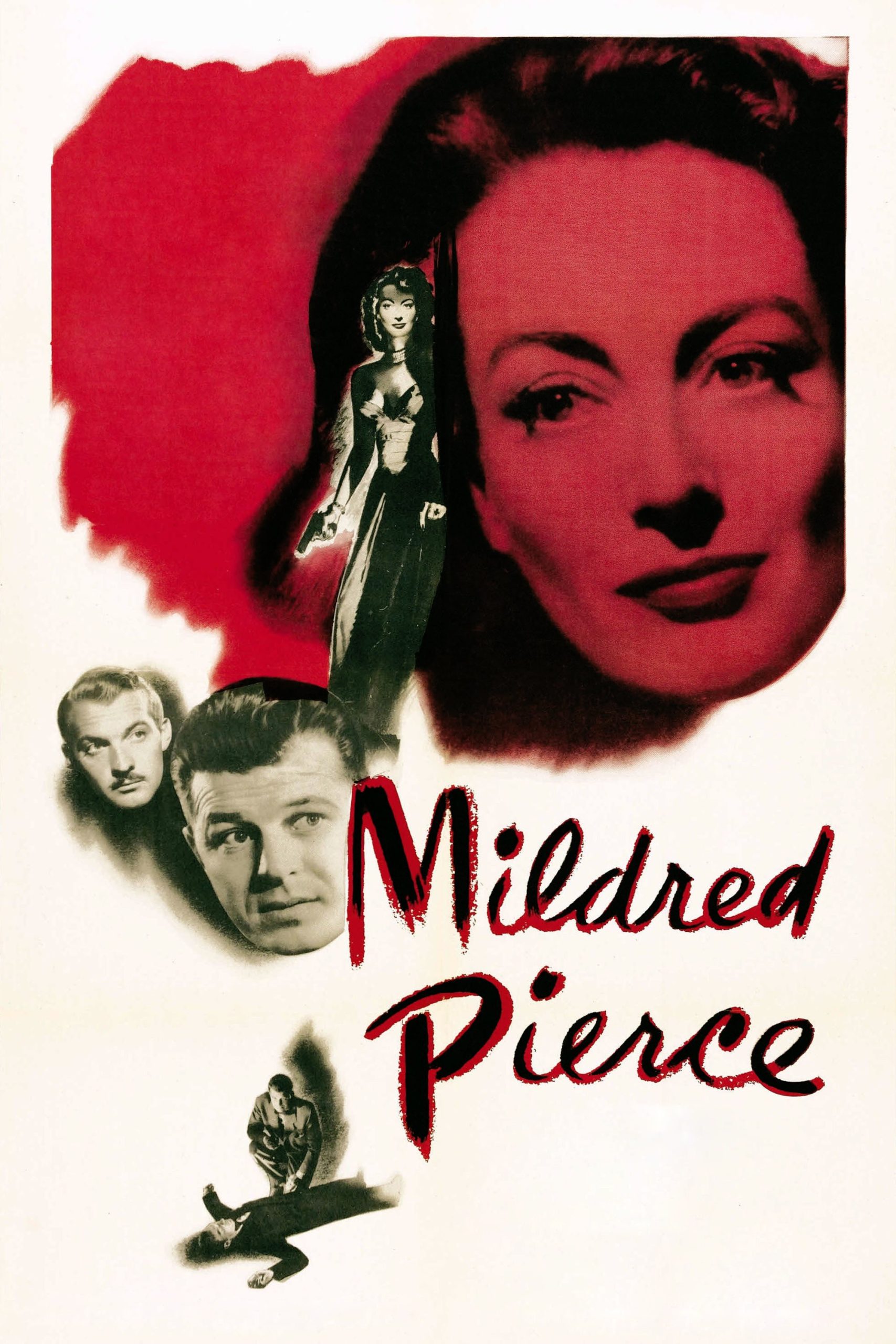
Plot Summary
The first time I watched “Mildred Pierce” (1945), I was swept up not by its notorious reputation or the shadowy frames of its film-noir style, but by the palpable sense of desperation that Joan Crawford brings to the screen. Directed by Michael Curtiz and based on James M. Cain’s novel, the film immediately lures me into the stormy life of a mother whose ambition and love are both her greatest assets and most dangerous liabilities. I find the film’s approach—an intricate maze of flashbacks and tense interrogations—keeps me guessing about not just whodunit, but who Mildred truly is beneath her meticulous veneer.
At its heart, I see “Mildred Pierce” as a striking portrait of a woman determined to protect and provide for her children in a world that scarcely forgives women for wanting it all. The story follows Mildred, who, after her marriage collapses, decides to pull herself up by the bootstraps and build a new life. Venturing into the traditionally male-dominated world of business, she painstakingly builds a restaurant empire from scratch. Yet she faces resistance at every turn—from societal expectations, from her disapproving daughter Veda, and, perhaps most poignantly, from her own fears of inadequacy as a mother and as a woman.
For anyone yet to see this film, I want to note that the central mystery is one of the key draws—who is responsible for the shocking crime that opens the film? I won’t reveal any crucial twists, but I can promise that the journey to the answer is as absorbing as the revelation itself. Through Curtiz’s direction, the movie weaves between past and present, with every character holding back more than they reveal. This constant tension lends the film a haunting quality that never lets up, and by the final act, I am always left marveling at just how much suspense and humanity can fit within a “women’s picture” from Hollywood’s Golden Age.
Key Themes & Analysis
When I peel back the moody lighting and swirling cigarette smoke, what lingers about “Mildred Pierce” is its urgent depiction of maternal sacrifice and ambition. Mildred is both a product and a maverick of her era—her journey from housewife to successful business owner is groundbreaking for its time, yet her ultimate goal is heartbreakingly simple: to win her daughter’s approval.
One of the first things that strikes me is the film’s nuanced contemplation of gender roles. The way Mildred navigates the male-dominated realms of business, romance, and even criminal suspicion says so much about both the postwar era and ongoing conversations about women “having it all”. Every shot of Mildred behind a counter or at a restaurant opening feels quietly revolutionary, especially knowing how rare such images were in 1940s American cinema.
On a technical level, Michael Curtiz’s direction is masterful. I’m especially enamored with how he fuses noir aesthetics—those sharp Dutch angles, the cloaking shadows, the rain-slicked streets—with the domestic melodrama at the film’s core. It’s a stylistic gamble that pays off, infusing Mildred’s seemingly mundane struggles with an operatic intensity. The ever-present interplay between light and darkness is more than visual flair—it signals the moral ambiguity of each character, drawing me into the shifting alliances and buried secrets that propel the narrative.
Joan Crawford’s Oscar-winning turn as Mildred is the linchpin of the film. Every time I watch it, I am captivated by the undercurrent of vulnerability she brings to the steeliness of her performance. Whether she is coaxing warmth into her daughter Veda’s coldness or dodging the suspicions of the police, Crawford manages to evoke both sympathy and frustration. I often find myself torn: is she a tragic hero or a cautionary tale?
The supporting cast also deserves recognition. Ann Blyth as Mildred’s daughter, Veda, delivers one of the screen’s great villainesses without ever descending into caricature. Her icy entitlement and emotional manipulation make Veda an unforgettable counterpoint to Mildred’s relentless giving. Jack Carson, in his recurring roles as friend, confidant, and sometimes betrayer, manages to be both likable and infuriating. The ensemble’s chemistry—shot through with guarded glances and barely concealed resentments—adds intricate texture to every interaction.
Ultimately, I come back to “Mildred Pierce” again and again for its deft blending of genres. It’s not just a mystery nor a simple melodrama; it’s a commentary on the price of love, the rigidity of society’s expectations, and the messy choices made in the shadows between right and wrong.
My Thoughts on the Historical & Social Context
Reflecting on “Mildred Pierce” within its 1945 release context, I’m always struck by how the film is shaped by the era’s undercurrents and anxieties. Coming at the tail end of World War II, the film filters the instability and ambitions of the home front through its heroine’s journey for independence. Women who had stepped into the workforce during the war were now facing pressure to return to their “proper” domestic roles. Yet, here comes Mildred—a woman who not only refuses to step back but pushes further, seeking control over her destiny through entrepreneurship and hard work.
Watching the film, I can’t help but read it as a subtle rebuke to contemporary gender mores. Mildred’s dogged determination makes her an avatar for millions of women who found new ambitions during wartime and refused to let them go, even when society wanted to put them “back in their place.” The film exposes the limitations of the American Dream, especially for women—success comes at a cost, and personal achievement is entangled with sacrifice, criticism, and often, heartbreak.
More than just a time capsule, the movie resonates today in its depiction of class anxiety and the performative aspect of family life. I’m reminded how fiercely social climbing and economic survival are intertwined—not just for Mildred, but for so many trying to rise above circumstance. The film’s biting portrait of mother-daughter rivalry and the dangers of equating love with material comfort feels just as potent in our current era of “doing it all.”Even decades later, I find its themes of independence, social mobility, and the precariousness of female success are all profoundly relevant—which is why “Mildred Pierce” keeps speaking to new generations.
Fact Check: Behind the Scenes & Real History
Digging into the backstage tales of “Mildred Pierce,” I always come away fascinated by the layers of Hollywood myth and real-life struggle. Here are a few tidbits that often reshape how I view the film:
- Joan Crawford’s career revival—By 1945, Crawford’s status as a top-tier star had dimmed. She fought fiercely for the role of Mildred, reportedly even showing up unannounced at Warner Bros. to campaign for the part. Her gamble paid off; not only did she win the Oscar, but she also reinvented herself as a queen of melodrama, proving her doubters wrong in the most public way possible.
- Stylistic innovations—What makes the look of “Mildred Pierce” so striking to me is how Curtiz merged classic domestic melodrama with the hard-boiled aesthetics of film noir. Apparently, this hybrid style was not entirely intentional at first; the production leaned into the shadows and moody visuals as a solution to budgetary restraints and to mask aging sets. The result, ironically, became one of the film’s most iconic elements—demonstrating how necessity frequently breeds cinematic innovation.
- Adaptation challenges—The original novel by James M. Cain is decidedly more risqué, dealing with additional taboos and adult situations that the Hays Code of the time would not allow onscreen. I find it intriguing how the screenplay transformed these forbidden elements into subtext, using longing glances and stifled dialogue to do the heavy lifting. This not only increased the dramatic tension but also forced viewers (myself included) to read between the lines, deepening my appreciation for what goes unsaid.
There are also questions about historical authenticity. While the film captures certain economic and gender struggles of the Depression and wartime periods, it softens some of the novel’s edges—especially its depiction of sexuality and social class. Yet I feel this doesn’t diminish its power. Instead, “Mildred Pierce” cleverly camouflages its sharper critiques inside glossy Hollywood packaging.
Why You Should Watch It
- If, like me, you appreciate character-driven dramas that are as visually striking as they are emotionally complex, “Mildred Pierce” stands out as one of the best examples of its kind.
- You’ll find it a compelling snapshot of a pivotal moment in American culture—one that still sparks conversation about women’s roles, ambition, and sacrifice.
- The film features some of the most memorable performances in classic cinema, especially Joan Crawford’s career-defining turn, which alone is worth the price of admission.
Review Conclusion
From my vantage point, “Mildred Pierce” isn’t just a classic; it’s a living document of female resilience, ingenuity, and heartbreak. Every time I watch, I’m reminded how relevant its questions remain—questions about the price of ambition, the obligations of motherhood, and the confines of society’s gender roles. The haunting visuals, sharp performances, and magnetic direction have lost none of their potency with time. My rating: 4.5/5 stars. It’s a near-perfect blend of intrigue, emotion, and artistry—essential viewing for anyone who treasures intelligent, stylish filmmaking.
Related Reviews
- “Now, Voyager” (1942): I recommend this for its powerful exploration of female self-discovery, challenging social conventions, and the transformative power of love, all wrapped in noir-influenced melodrama that echoes “Mildred Pierce’s” emotional depth.
- “Double Indemnity” (1944): I see strong connections in its blending of noir thrills with morally ambiguous characters and the dark side of ambition. Both films pull me into stories where personal desire clashes with social expectations.
- “Stella Dallas” (1937): For those taken by the theme of motherly sacrifice and class struggle, this earlier film is a must-watch. Its emotional stakes and focus on societal judgment make it feel like a spiritual predecessor to “Mildred Pierce.”
- “The Reckless Moment” (1949): If you’re drawn to “Mildred Pierce’s” depiction of ordinary women thrust into noir-tinged danger, this later melodrama amplifies that sense of lurking peril and family tension.
If you want to explore this film beyond basic facts, you may also be interested in how modern audiences respond to it today or whether its story was inspired by real events.
🎬 Check out today's best-selling movies on Amazon!
View Deals on Amazon