
Plot Summary
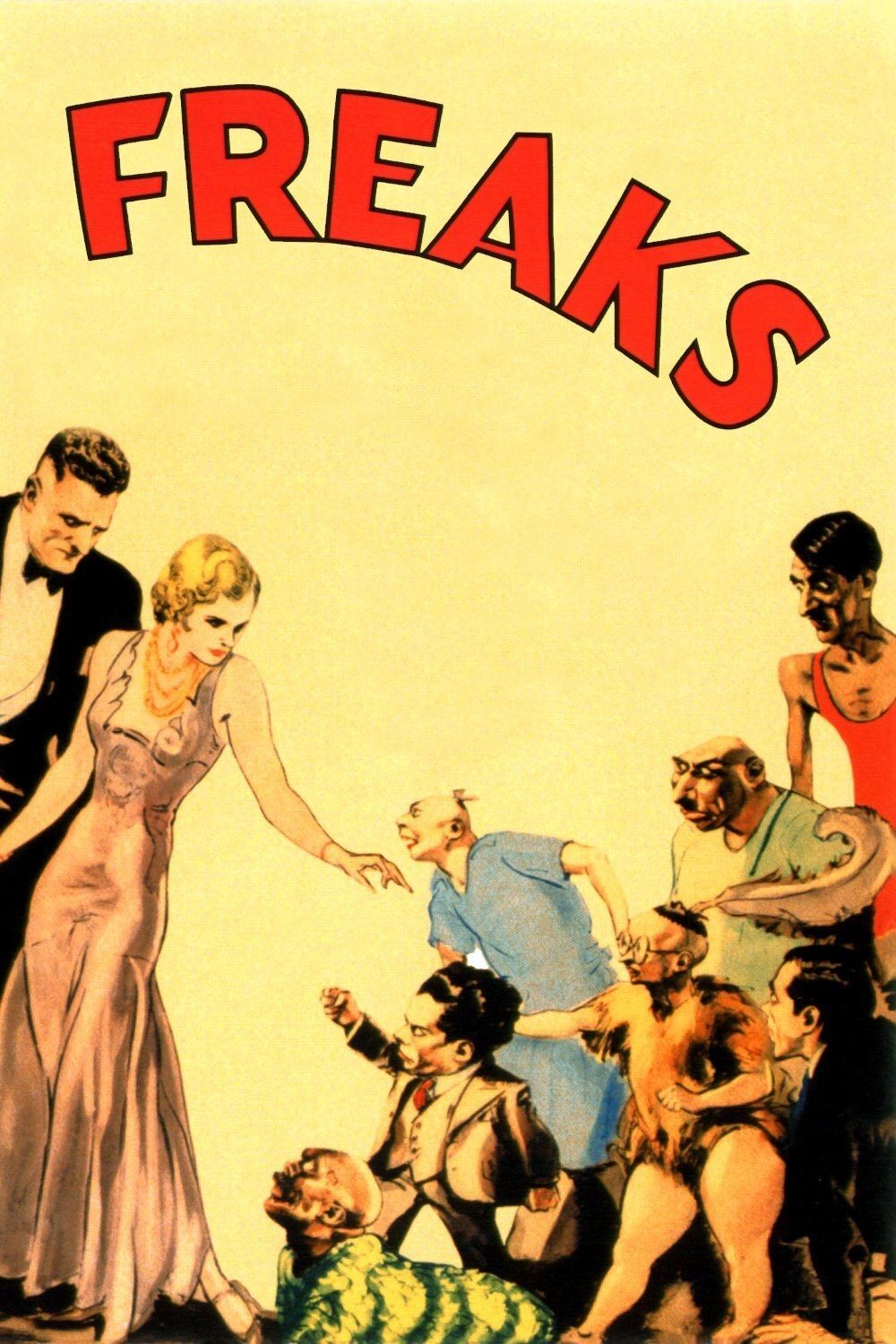
When I first watched Tod Browning’s Freaks, I knew immediately I was experiencing a story unlike any other that classic Hollywood dared to tell. The film brought me into the close-knit world of a traveling circus sideshow, where the so-called “freaks”—members of the troupe with physical disabilities or differences—try to navigate life as outsiders both within and beyond their own community. The central narrative follows Hans, a little person who inherits a sum of money, drawing the attention of the beautiful trapeze artist, Cleopatra. She and her lover, the strongman Hercules, have their own self-serving intentions. Their callousness toward Hans and his fellow performers sets off a chain of suspenseful, emotional, and, ultimately, shocking events. The film is laced with subversive tension and raw emotion as it peers into the bonds and betrayals within this marginalized group.
While I’m careful about spoilers, I should warn that some surprises are essential to why the film remains so controversial. What most astounded me was how the story unfolds: what begins as a drama quickly veers toward horror—not so much through visceral fright, but through the cruelty the characters endure at the hands of those who call themselves “normal.” Browning prompts me, as a viewer, to question who the true monsters are. Witnessing the ways characters find solidarity or inflict harm shifts the ground beneath my expectations. The story’s climax, which I won’t describe in specifics, forcefully redefines the idea of who deserves our empathy and admiration.
Key Themes & Analysis
I’m constantly amazed by how Freaks refuses to settle into one tidy genre—oscillating between melodrama, horror, and social commentary. For me, the most powerful theme is otherness and belonging. Browning, himself a former circus performer, uses the camera as a lens for empathy, never treating his “freaks” as spectacles but as rounded, vulnerable individuals. I was particularly moved by the way the film portrays camaraderie and loyalty among the sideshow characters—they have their own rituals, jokes, and language, forming a protective community in the face of outside scorn.
More than any other aspect, the film’s cinematography left a deep impression on me. The intimate, unflinching close-ups of actors with physical differences are haunting not because of their appearance, but because the camera lingers with compassion. There’s no attempt to mask or sensationalize difference here; instead, I felt a radical honesty, as if the film was asking me to question whose gaze is truly monstrous. Many scenes, especially the infamous banquet sequence, are staged to maximize both the characters’ humanity and their unity. The dinner table moment—lively, raucous, almost joyous—quickly turns dark as outsider malice creeps in. This juxtaposition of warmth and menace convinced me of Browning’s skill as a director willing to take risks that few others of his era dared.
I can’t talk about Freaks without singling out the acting. Because Browning cast real circus performers, including Harry Earles as Hans and Daisy Earles as Frieda, the authenticity is jaw-dropping. The dialogue feels awkward at times—but that awkwardness, to me, only heightens the honesty of the performances. Olga Baclanova’s Cleopatra stands out as an audacious, predatory presence; her seductive charisma and heartless disdain embody the film’s central moral inversion. Hercules, played with brute arrogance by Henry Victor, provides a chilling counterpoint. Collectively, I was drawn into a world that feels lived-in, not manufactured, with every cast member contributing to its raw, communal energy.
What I return to, time and again, is the film’s relentless moral ambiguity. Sympathy shifts place at dizzying speed. By the final reel, my allegiances had changed, not because the film manipulated me, but because Browning constructs a world where “normalcy” is just a mask. Freaks, at its core, asks what it means to be human, and does so more provocatively than nearly any Hollywood film I know.
My Thoughts on the Cultural Impact & Legacy
When I think about what elevates Freaks to the status of legend, it isn’t just its narrative ambition or its technical chutzpah. For me, it’s how the film forced both the studio and the audience to confront their own prejudices—something few films, then or now, accomplish with such visceral directness. The film was so controversial upon its release that it was effectively buried by its own studio; audiences were horrified not only by the tone, but by the simple act of putting marginalized bodies on screen as protagonists. MGM pulled it from theaters, and for years it languished, its legend growing in whispered stories and midnight screenings.
I remain convinced this suppression only strengthened its influence. Over time, Freaks emerged as a rallying point for both horror aficionados and disability rights advocates. I’ve encountered countless filmmakers citing it as inspiration for breaking boundaries—David Lynch, John Waters, and Guillermo del Toro among them. For me, the film’s enduring appeal lies in its contradictions. Viewed through a modern lens, it’s clearly problematic in places, but also surprisingly empathetic, even radical. Browning’s willingness to center the marginalized, to challenge the binary of beauty and monstrosity, foreshadowed decades of boundary-pushing cinema.
Personally, as someone who curates and critiques both mainstream and fringe works, I find myself returning to Freaks not just for its historical value, but because it exemplifies the radical power of representation. It matters to me that the film reframes the horror genre, transforming “monstrosity” into a site of community, resilience, and, ultimately, poetic justice. Its legacy is alive in every narrative that dares to put the outsider at the center, to disrupt the rules of sympathy and disgust. In shaping the conversation around cinematic representation, “Freaks” continues to challenge what movies can and should do.
Fascinating Behind-the-Scenes Facts
What really fascinates me about Freaks is the wealth of extraordinary stories that emerged from its turbulent production. My favorite anecdote concerns Tod Browning’s deeply personal casting choices. He insisted on hiring real sideshow performers—including Johnny Eck, the “half-boy,” and conjoined twins Daisy and Violet Hilton—rather than relying on prosthetics or visual trickery. This was revolutionary at the time, and it led to a set atmosphere that, by many accounts, was respectful and familial among the performers, but tense between them and some traditional MGM staff. I’ve read that some crew members even refused to eat in the same commissary as the cast, highlighting just how radical Browning’s vision was in its social context.
I’m also struck by the story of how the original cut of the film ran over 90 minutes, but horrific audience reactions led MGM to pull more than 30 minutes of footage. Lost forever, these scenes reportedly delved further into both the everyday camaraderie and the ultimate vengeance of the sideshow troupe. I often wonder how these lost moments might have amplified the film’s empathy, nuance, and social critique; the version we have still feels raw, but the tragedy of that missing footage is something I can’t help but ponder everytime I watch.
An additional detail I find remarkable is how the film’s set became a cultural flashpoint. According to interviews with the surviving cast, many of Hollywood’s elite would visit the set out of morbid curiosity—but those closest to Browning described a profound sense of solidarity among the “freaks” themselves. The shoot, it’s said, created lifelong bonds and unusual power dynamics, where the marginalized performers found themselves for once at the heart of a major studio production.
Why You Should Watch It
- It’s a rare example of early Hollywood challenging social norms about beauty, disability, and humanity on its own daring terms.
- The performances are authentic and deeply moving, offering a level of representation nearly unheard of in the golden era of Hollywood.
- The film’s legacy has profoundly shaped both horror cinema and the broader conversation about who gets to be seen and heard on screen.
Review Conclusion
Every time I revisit Freaks, I’m reminded why it endures as both a source of fascination and discomfort. It’s not a “safe” film, nor is it a perfect one; there are moments that make me wince or cringe, but also countless instances of tenderness, defiance, and gothic artistry unlike anything else produced in early Hollywood. I value it not just for its daring subject matter, but for the way it continues to force conversations about representation, exploitation, and the blurry line between compassion and horror. For those willing to engage with its provocative spirit, “Freaks” remains a bold, unforgettable landmark in cinematic history. I give it 4.5 out of 5 stars: essential, flawed, and forever ahead of its time.
Related Reviews
- The Elephant Man (1980) – David Lynch’s haunting biographical drama resonated with me for the way it treats physical difference and society’s inhumanity. Much like Freaks, it urges me to reconsider who we cast as “monstrous” in both film and life.
- Peeping Tom (1960) – Michael Powell’s controversial shocker, like Browning’s work, centers on the outsider experience and our discomfort with those who don’t fit. Its psychological complexity and taboo-smashing narrative make it a natural companion piece.
- Santa Sangre (1989) – Alejandro Jodorowsky’s surreal tale of circus life and revenge feels, to me, like an audacious spiritual successor—equally intent on redefining horror and celebrating society’s fringes.
For readers looking to go deeper, these perspectives may help place the film in a broader context.
🎬 Check out today's best-selling movies on Amazon!
View Deals on Amazon