
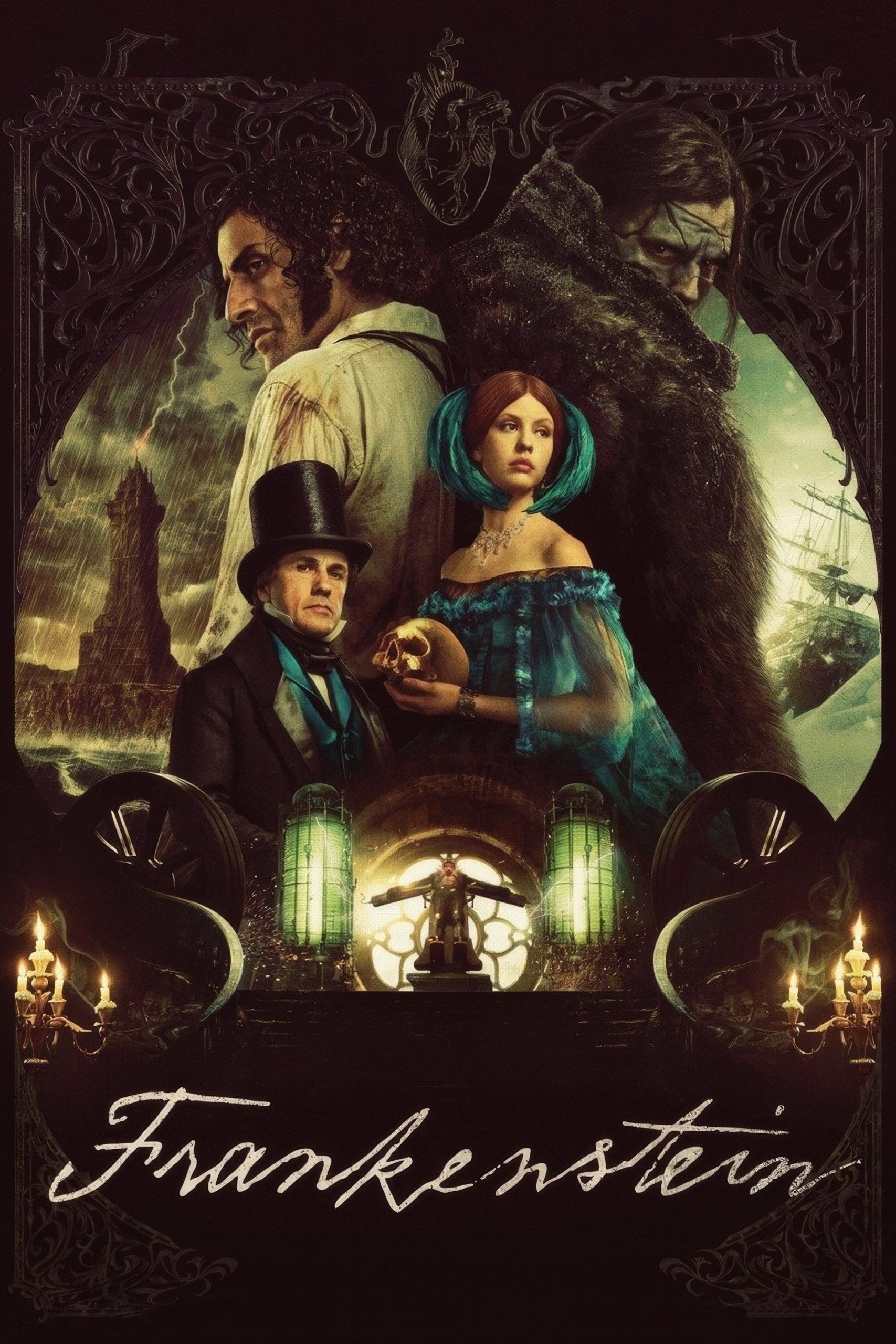
Plot Summary
The first time I saw James Whale’s 1931 “Frankenstein”, I was instantly struck by how it doesn’t waste time with drawn-out exposition, instead choosing to build a palpable sense of dread from the opening sequence. Dr. Henry Frankenstein, a brilliant but troubled scientist, is obsessed with the idea of reanimating dead tissue. With the assistance of his loyal, if cowed, aide, Fritz, he robs graves and acquires body parts for a secret experiment: the construction of a living man. Whale’s direction immediately immerses me in the story’s gothic atmosphere—a fog-shrouded countryside, looming shadows, and an isolated tower laboratory where the infamous creation takes place.
I appreciate how the film’s narrative builds tension through suggestion and implication, rather than relying entirely on explicit horror. Frankenstein’s “monster,” brought to life in one of the most iconic scenes in all of cinema, becomes the focal point. The film follows the consequences of Frankenstein’s scientific transgression, and his relationship with his fiancée Elizabeth, his mentor Dr. Waldman, and the villagers who grow increasingly suspicious. The story’s progression is measured and deliberate, carefully concealing the creature’s impulses and true nature.
While I could recount the details of every twist and turn, I think it’s more rewarding to experience those discoveries firsthand. If you’re worried about spoilers, stop reading here. The climax involves a fateful confrontation between creator and creation, set against the backdrop of a frightened and hostile world, which I find as haunting today as it must have been for Depression-era audiences.
Key Themes & Analysis
What consistently draws me back to “Frankenstein” is how it grapples with some of humanity’s deepest moral and philosophical questions: the limits of scientific ambition, the consequences of playing God, and society’s capacity for cruelty toward outsiders. Whale translates these themes through visual and emotional storytelling rather than heavy-handed dialog. The oppressive set designs, all twisting staircases and looming machinery, transform the screen into a living nightmare, suggesting that Frankenstein’s downfall is as much psychological as physical.
Boris Karloff’s portrayal of the Monster stands as, to my mind, one of the most sympathetic performances in horror history. Karloff’s ability to channel innocence, fear, pain, and rage behind layers of make-up is nothing short of miraculous. There’s a tragic vulnerability to the Monster that still hits me deeply—a being who never asked to be born, yet suffers for his very existence. Every time I watch his interactions with children or recoil from fire, I’m reminded that the true horror isn’t the creature itself, but the rejection and alienation imposed by humanity.
The film’s cinematography is a marvel of expressionist storytelling. Arthur Edeson’s use of stark lighting, dramatic shadows, and disorienting camera angles amplifies a sense of doom and inevitability. I find the visual language as integral to the storytelling as the script itself. Every bolt of lightning, every flash of the laboratory’s bizarre equipment, deepens my immersion and suggests that science, unchecked by conscience, can unleash consequences beyond our control.
What I admire most about Whale’s direction is his refusal to paint moral judgments in black and white. Dr. Frankenstein is neither villain nor hero; his decisions are both understandable and horrifying. The Monster is both innocent and deadly, at once a victim and a threat. This gray area is why “Frankenstein” endures for me: it asks questions about responsibility that can’t be easily answered, making it a film as emotionally and intellectually provocative today as it was nearly a century ago.
My Thoughts on the Historical & Social Context
I’m always fascinated by the way cultural anxieties seep into art, and “Frankenstein” is an ideal case study. Released during the Great Depression, the film mirrored real fears about scientific invention, unchecked progress, and the breakdown of familiar social structures. The world was changing rapidly—electricity, automobility, and new forms of industrial power were transforming life in ways no one had fully grasped. I sense that Dr. Frankenstein’s obsession with creation is a metaphor for the era’s anxieties: what might happen if humans lose control over the technology they wield?
It’s also impossible for me to separate the Monster’s journey from the politics of exclusion and “otherness” in the 1930s. As I watch villagers chase the misunderstood creature with blazing torches, I see parallels to the scapegoating and persecution rampant in societies wracked by economic hardship. The film captures how quickly empathy evaporates when confronted with difference or the unknown. The Monster’s fate—crafted by human hands, hated by its creators—reflects a universal truth: those who don’t conform are often destroyed by the very communities that fear and reject them.
Why does this matter now? Because I see the same cycles of technological innovation and social upheaval playing out in our century. Modern scientific dilemmas—gene editing, AI, and more—echo the moral ambiguities embedded in “Frankenstein”. I find myself continually challenged to ask the film’s central question: Do we have the wisdom to handle the power we claim?
Fact Check: Behind the Scenes & Real History
Peering behind the curtain of “Frankenstein,” I’ve discovered a treasure trove of fascinating, sometimes unsettling production stories—
insights that deepen my appreciation for the film. For one thing, Boris Karloff’s casting was almost an accident. The studio originally wanted Bela Lugosi (famous for “Dracula”) to play the Monster, but he reportedly refused due to disagreements about make-up and the lack of dialogue. Karloff, a relative unknown, endured hours of painful make-up and a heavy costume, bringing extraordinary pathos to a role others saw as little more than a monster in rags.
I’m also endlessly intrigued by the film’s technical innovations. To create the now-legendary laboratory scenes, the filmmakers enlisted electrical effects wizard Kenneth Strickfaden, whose handmade devices—buzzing, sparking, glowing with unnatural energy—actually worked. Many of the props in the “It’s alive!” scene actually carried electrical current, posing real danger to cast and crew. Years later, these same contraptions were used in Mel Brooks’s “Young Frankenstein,” creating an unbroken legacy of monstrous invention.
When I compare the cinematic Monster to the character in Mary Shelley’s original novel, the differences are striking. Shelley’s creature speaks eloquently and philosophically; Whale’s Monster is mute and animalistic. This shift reflected Hollywood’s desire to focus on visual terror rather than intellectual discourse. I personally find both interpretations chilling in their own way, but Karloff’s performance brings out the story’s emotional core—something the book’s creature, as articulate as he is, rarely achieves in silence.
Why You Should Watch It
- Boris Karloff’s performance delivers unmatched emotional complexity, turning a mute monster into a profoundly sympathetic figure.
- The film’s visual style and technical innovations continue to influence horror and science fiction, making it a foundational work of cinema.
- Its grappling with timeless ethical dilemmas and the dangers of marginalization remains relevant for anyone questioning the impact of scientific progress on society.
Review Conclusion
When I reflect on the lasting power of “Frankenstein,” what lingers isn’t just the terror or the trappings of Gothic horror—it’s the profound, unsettling humanity at the core. James Whale’s direction, Boris Karloff’s unforgettable portrayal, and the film’s eerie, expressionistic visuals make it impossible for me to look away. Even after so many decades, I find myself wrestling with its questions about creation, responsibility, and belonging. For me, “Frankenstein” isn’t just a landmark of cinematic history—it’s a mirror held up to our deepest hopes and fears.
My rating: 5/5
Related Reviews
- Bride of Frankenstein (1935) – I consider this a triumphant sequel, expanding both the scope and emotional depth of the original, with Whale returning to push boundaries and inject biting social commentary within the horror framework. The interplay of tragedy and dark humor is mesmerizing.
- The Cabinet of Dr. Caligari (1920) – For anyone interested in the stylistic roots of “Frankenstein”, I highly recommend this German Expressionist gem. Its abstract sets, psychological undertones, and visual experimentation directly influenced the look and feel of early American horror.
- The Invisible Man (1933) – Another James Whale classic, this film channels a similar atmosphere of scientific hubris and social paranoia, underscored by groundbreaking special effects and a chilling, unhinged lead performance.
- Nosferatu (1922) – Like “Frankenstein”, this silent film fuses horror with tragedy, channeling societal anxieties through the figure of the monstrous outsider. Its visionary imagery and haunting use of light left their mark on generations of filmmakers.
If you want to explore this film beyond basic facts, you may also be interested in how modern audiences respond to it today or whether its story was inspired by real events.
🎬 Check out today's best-selling movies on Amazon!
View Deals on Amazon