
Plot Summary
I don’t think any film has ever managed to marry simplicity and depth quite like Robert Zemeckis’s Forrest Gump. The first time I sat down with it, I expected a straightforward drama about an unlikely hero, but what I found was a journey that cut across the fabric of American history, culture, and even my own outlook. The story follows Forrest, whose wisdom is as unconventional as it is profound, as he unwittingly influences major events while remaining blissfully true to himself. Even though Forrest seems to stumble through life, his experience becomes a lens through which I saw America’s ups and downs, hopes and heartbreaks.
Warning: Minor narrative points ahead, but major plot twists remain unspoiled. What always impressed me was how Forrest’s path weaves through iconic American decades—from the innocence of his Alabama childhood to the Vietnam War and beyond—without ever feeling forced. Through friendship, heartbreak, and unimaginable fortune, I found myself reshaping my own understanding of perseverance and kindness. With a supporting cast that genuinely breathes, especially Jenny (Robin Wright) and Mama (Sally Field), the movie provides more than a mere timeline of events; it becomes a living, breathing portrait of yearning and hope.
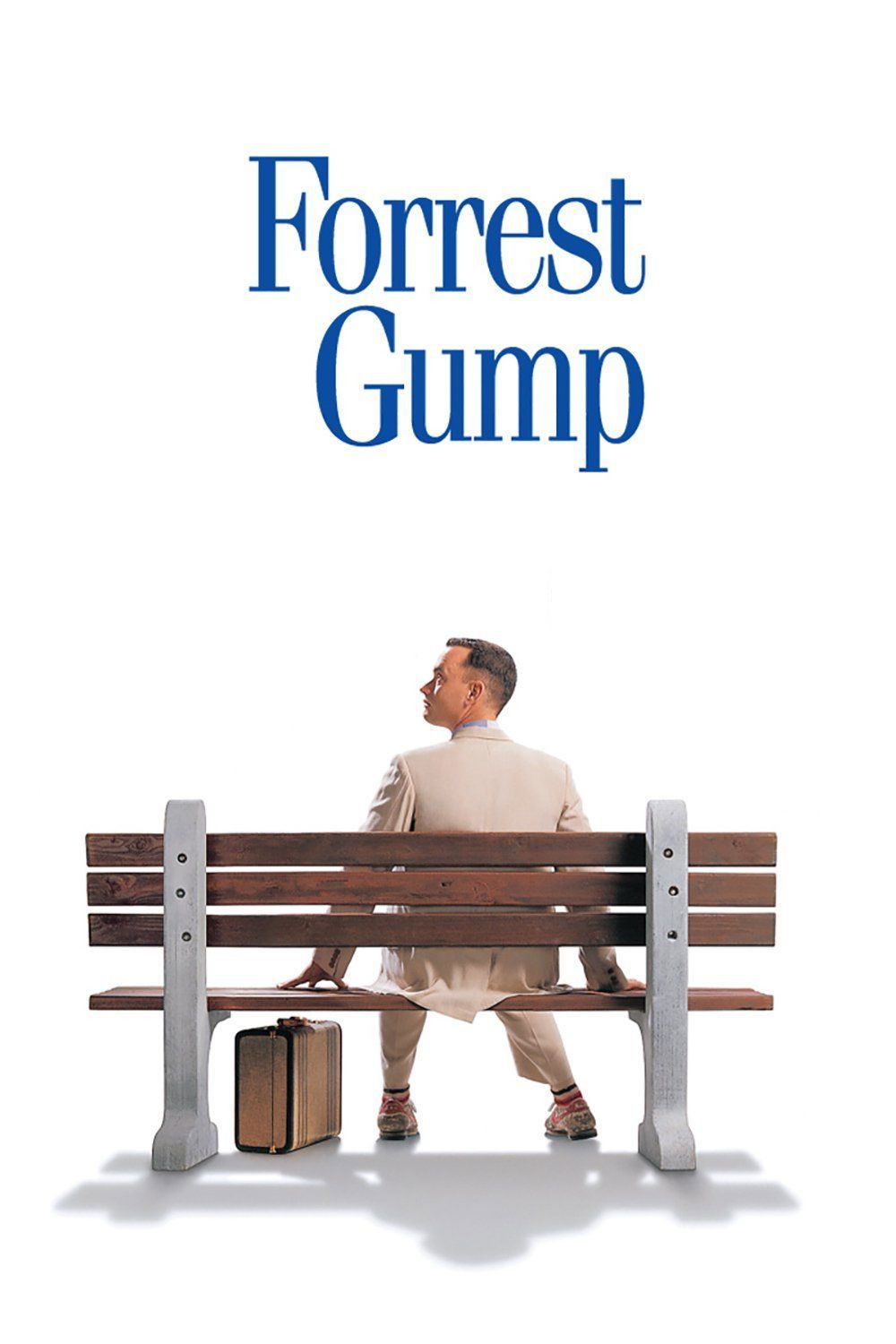
Every time I watch Forrest recount his life’s narrative on that Savannah bench, I’m reminded that life, as he so gently puts it, is indeed full of surprises. The layers here are more than just historical backdrops; they feel personal, even intimate. The film nudges me to look at my own life’s journey, the serendipitous twists and the gentle wisdom of simply putting one foot in front of the other.
Key Themes & Analysis
It’s the deliberate honesty and unwavering simplicity of Forrest’s worldview that continues to strike me the most. Zemeckis never shies away from depicting the pain and darkness of the times—from the shifting American landscape to the trials of love and loss—but always through Forrest’s clear, unclouded perspective. The more I reflect on the film, the more convinced I am that Forrest Gump is a meditation on innocence, fate, and the unpredictability of life. There’s a gentle tension in how Forrest accepts every new phase—be it unexpected football stardom, acts of heroism, or his relentless pursuit of Jenny. Rather than treating his intellectual challenges as a disadvantage, the film makes him a symbol of hope and integrity in a cynical world.
What really gets under my skin, in the best way possible, is Zemeckis’s use of cinematography that blends nostalgia and realism. I’m consistently floored by how archival footage is so seamlessly integrated with fiction. Those moments of Forrest meeting historical figures span the playful and the profound, blurring the boundaries between myth and reality in ways that challenge me to question what’s truly possible. It’s not just a technical trick; it’s a physical manifestation of how stories and memories can merge, creating new truths.
Tom Hanks’s performance, in my opinion, is one of the finest balancing acts ever to reach the screen. Hanks never leans into parody or pathos; instead, he crafts Forrest as genuinely compassionate, deeply human, and unconsciously charismatic. There is not a trace of condescension, which makes every scene feel honest and lived-in. I also have to mention Gary Sinise’s unforgettable turn as Lieutenant Dan—a performance that manages to capture pain, anger, and reluctant transformation in remarkably economical strokes.
On a broader level, the film’s themes of destiny versus free will constantly resurface in my mind. Forrest often speaks about the feather floating on the breeze—a visual motif that Zemeckis returns to more than once. I interpret this as a reminder that while fate may guide us, our choices and kindness matter most. The movie’s blend of humor and heartbreak, success and tragedy, never feels manipulative; it reflects real life’s contradictions, and I never come away without feeling both uplifted and sobered. What I treasure most is the way Forrest’s sincerity cuts through the noise of history, distilling grand events to their emotional core.
Every rewatch, I notice subtle details: the tableaus of running across America, the pastel sunlit fields, the storm-lashed shrimping expeditions—all rendered with a painter’s care. Alan Silvestri’s score ties these visuals together, effortlessly moving me between laughter and tears. In the end, I think that’s Zemeckis’s greatest achievement: making majesty out of the mundane, and finding wonder in the ordinary.
My Thoughts on the Cultural Impact & Legacy
When I consider why Forrest Gump matters so much to me—not just as a film critic but as someone who curates movies for meaning—I am constantly reminded of its profound impact on pop culture and storytelling. Its release in 1994 was lightning in a bottle: a moment where sentimental warmth and social commentary could exist in the same breath. My own appreciation for American cinema was genuinely shaped by this film. Before seeing Forrest’s journey, I took the idea of “the American dream” at face value; afterwards, I understood how complicated, painful, and yet beautifully achievable it could be—even for those least expected to succeed.
Beyond my personal lens, there’s no denying the way this film changed how Hollywood approached both history and narrative. Suddenly, it was possible to tell an absorbing story that doubled as a tapestry of American moments—not just retelling events, but reframing them through unique eyes. The “Forrest Gump” effect rippled outward: I saw a new wave of character-driven epics, where everyman protagonists became the architects of their times.
What resonates most with me to this day is Forrest’s perseverance and optimism—a message potent enough that I find myself quoting it in conversation. Even the catchphrases—“Life is like a box of chocolates”—have become shorthand for embracing uncertainty. The film’s willingness to veer between lightness and gravitas mirrors life more closely than almost anything else I’ve encountered onscreen. For those of us who curate films to challenge, inspire, and comfort, this one remains a touchstone—a reminder that the intersection of personal and public history is where great cinema happens.
I also believe that “Forrest Gump” did something few films have managed since: it bridged generational gaps. As a viewer, I’ve found I can recommend it to friends, students, even family across age groups, and it always lands with fresh relevance. Its sense of time, place, and unfiltered perspective continues to spark conversation, introspection, and empathy. That’s the kind of legacy I seek out as a curator—films that become part of cultural DNA, not just for a moment, but for decades to come.
Fascinating Behind-the-Scenes Facts
Diving into the production of “Forrest Gump” always reveals layers of ingenuity. One of the most intriguing elements for me is Tom Hanks’s decision to waive his salary in favor of a share of the box office receipts. That gamble turned him into one of the highest-paid actors of all time—and perfectly parallels Forrest’s own improbable journey.
I was also fascinated to learn about the groundbreaking visual effects. At a moment when digital technology was just coming into its own, Zemeckis’s team integrated Forrest into archival news footage, swapping actors’ faces and tweaking footage frame by frame. That seamless dance between real and reimagined history won the film its well-deserved Oscar for Best Visual Effects—something I often point out when friends marvel at later technological milestones, because so much started here.
Perhaps most moving is the story behind Gary Sinise’s portrayal of Lieutenant Dan. To authentically depict his character’s injury, Sinise wore blue fabric on his lower legs so digital artists could erase them in post-production. His commitment, combined with collaborative technical innovation, set a new standard for realism and empathy in representing disabled veterans onscreen. These details elevate the finished film beyond nostalgia or star power; they make it a technical and artistic touchstone that continues to inspire filmmakers and critics—myself included.
Looking behind the scenes always deepens my appreciation, serving as a reminder that cinematic greatness so often springs from creative risks and relentless attention to detail.
Why You Should Watch It
- It offers a profoundly unique perspective—Forrest’s innocence transforms the epic sweep of modern history into something fresh, heartfelt, and universally relatable.
- The performances are unforgettable—from Tom Hanks’s Oscar-winning role to the nuanced emotional arcs of the supporting cast, every character left a mark on me.
- The film blends humor and heartbreak effortlessly—I honestly can’t think of another movie that makes me laugh and cry so sincerely, sometimes within the same scene.
Review Conclusion
Sitting with “Forrest Gump,” I always come away with more than just a memory of storytelling; I walk out into my own life a bit lighter, a touch more open to possibility. This is a film that champions decency, resilience, and the unexpected gifts of being exactly who you are. As a curator, I cannot think of another piece that threads the needle between technical mastery and emotional generosity quite so well. On every rewatch, its lessons become richer, its humor more keen, and its faith in the simple power of kindness shines brighter. My enduring verdict? 4.5 out of 5 stars. For anyone who treasures the intersection of big ideas and bigger hearts, “Forrest Gump” remains an essential experience.
Related Reviews
- “The Pursuit of Happyness”: I recommend this film for its deep dive into unlikely perseverance. Like “Forrest Gump,” it takes an outsider’s journey through the American landscape, pairing heartbreak with hope and perseverance.
- “Big Fish”: For those captivated by fable-like storytelling and the blurred line between myth and memory, “Big Fish” offers a similarly lyrical take on the father-son relationship, bringing imaginative storytelling to emotional truths.
- “Rain Man”: I see close thematic parallels here, particularly as both films place neurodiverse protagonists at the center, exploring the bonds of family, trust, and the quiet dignity found in unexpected lives.
- “Catch Me If You Can”: If it’s character-driven journeys through iconic American eras you crave, this Spielberg gem is a must-see, blending historical charm with real-life drama.
For readers looking to go deeper, these perspectives may help place the film in a broader context.
🎬 Check out today's best-selling movies on Amazon!
View Deals on Amazon