
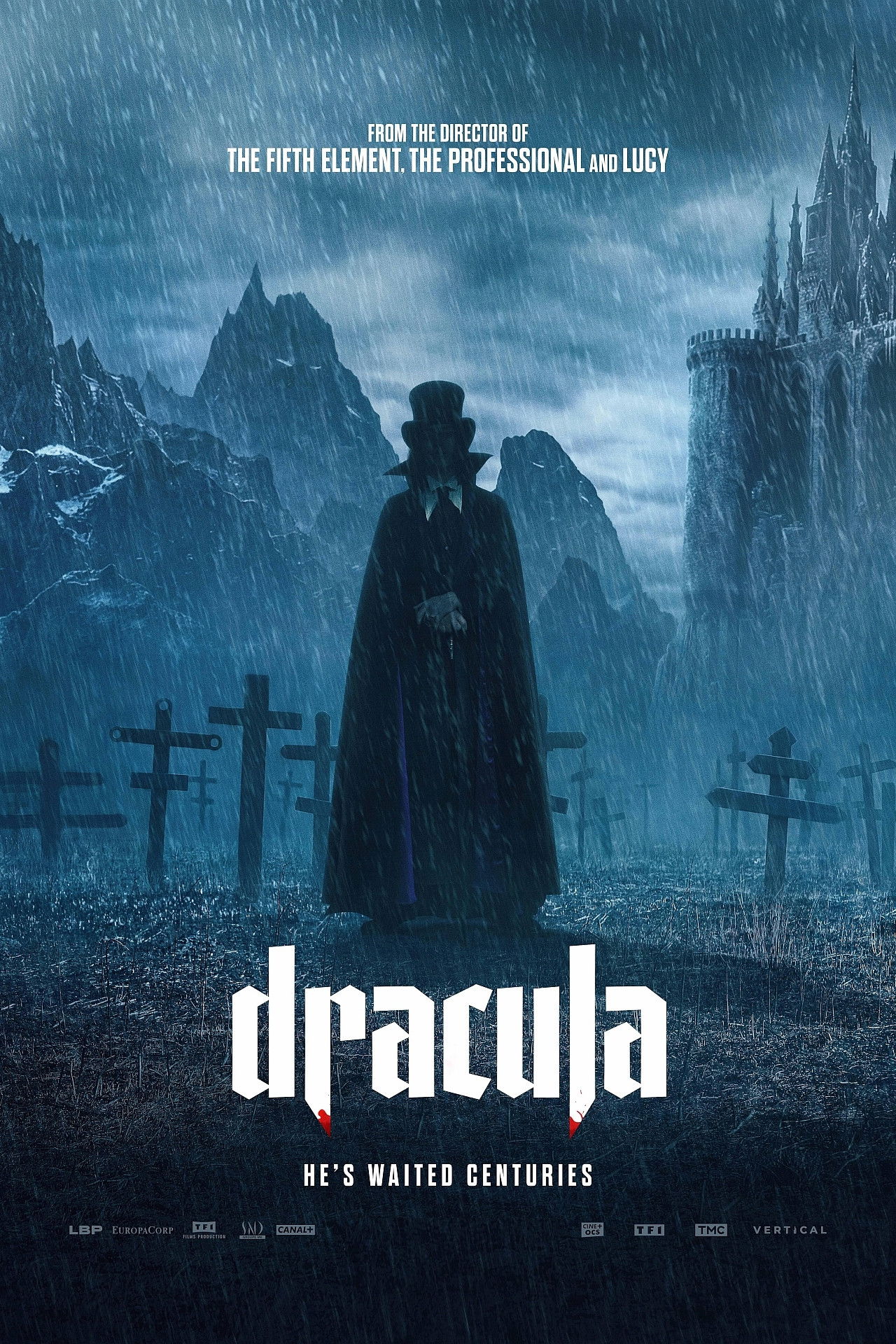
Plot Summary
With every rewatch, I step back into the shadowy world that Tod Browning meticulously crafted in this legendary gothic horror. The film opens with an eerie sense of foreboding that immediately pulls me into the grimly beautiful setting—Transylvania, its atmosphere made tangible through foggy landscapes and vast castles. Bela Lugosi’s Count Dracula is introduced not only as a character but as a force of nature: mysterious, elegant, and unmistakably threatening. Instead of bombarding viewers with endless exposition, the film lets dread seep in gradually. I’m always impressed by how little dialogue is needed; Lugosi’s measured gaze and deliberate cadence tell me everything I need to know about Dracula’s intentions.
Eventually, the action transitions from Dracula’s castle to London, weaving old-world terror into the heart of modern civilization. The count, ever the predator, infiltrates British society, charming and chilling his way through upper-class drawing rooms and psychiatric wards. The character of Renfield—played with manic intricacy by Dwight Frye—serves as an unsettling intermediary between Dracula and his would-be victims. I’m careful to avoid major spoilers, but it’s safe to say that the film’s chess match between Dracula and his adversaries drives the final act to an intense crescendo. Every viewing reminds me that what really gives this narrative its power isn’t just the rise and fall of Dracula’s ambitions, but the constant interplay of desire, dread, and taboo lurking beneath every interaction.
Key Themes & Analysis
What never fails to fascinate me is how Dracula uses horror to explore repression, seduction, and the darker corners of human nature. The film doesn’t indulge in explicit violence or gore, yet it manages to unsettle me with its slow, hypnotic rhythm and suggestive imagery. I often find myself fixated on the effective use of light and shadow; each scene feels like a silent threat. The cinematography, much of it credited to Karl Freund, leverages darkness not merely as a backdrop but as a living, breathing entity—one that encroaches upon both the characters and the audience’s imagination. In my opinion, the play of illumination and shadow brings the supernatural elements to life with almost tangible weight; every flicker of candlelight or swirl of fog becomes a participant in the drama.
I’m also struck by how Browning’s direction embraces restraint to heighten uncertainty. There are moments where the camera lingers just a bit longer than expected, inviting my mind to fill in what’s left offscreen. This economy of storytelling gives the supernatural a humanity that is rare for the genre, especially in early sound cinema. The dialogue feels formal, even archaic at times, which only adds to the atmosphere of estrangement from reality. For me, this intentional stylization sets Dracula apart from its many imitators.
Casting is a point I always come back to, because Bela Lugosi’s performance revolutionized how vampires would be portrayed across film history. His suave, magnetic presence is a study in controlled menace—a reminder that evil can wear a perfectly tailored suit. Each time I watch, I notice new subtleties in his delivery: the rigidity of his posture, the arch of an eyebrow, the mesmerizing cadence of his speech. These details are mirrored in the supporting cast, particularly Frye’s Renfield, who embodies desperation, madness, and servitude without ever sliding into caricature. Even the comparatively understated performances (like Helen Chandler’s Mina or Edward Van Sloan’s Van Helsing) help maintain a sense of taut, moral tension between predator and prey.
It’s this marriage of visual sophistication and psychological nuance that keeps me returning. I find myself pondering how the film abstracts its anxieties around sexuality, disease, and cultural invasion into its supernatural iconography. Dracula doesn’t just frighten—I believe it interrogates what it means to lose control, to be seduced, or to become an outsider within one’s own home.
My Thoughts on the Cultural Impact & Legacy
When I consider the impact Dracula has had, both on horror cinema and my own appreciation for the genre, I’m stunned by its lasting vitality. The movie was released in the shadow of the silent era, grappling with the challenges and opportunities of synchronized sound. Yet, decades later, it hasn’t faded into quaintness or kitsch. On a personal level, I view Dracula as the foundational text of American Gothic film—a blueprint that has shaped not just every subsequent vampire story but also our broader language for fear and fascination on screen.
What resonates with me most is how the film established a modern mythology around monsters, making the vampire a symbol of societal anxiety. Its influence isn’t limited to overt imitation or parody; nearly every modern horror film owes something to the template set here. The visuals, pacing, and even moments of silence have come to define Hollywood horror’s grammar. When I watch Dracula, I feel as though I’m tuning into a root system that nourished everything from Hitchcock’s psychological thrillers to today’s atmospheric arthouse horror.
From a curator’s perspective, I appreciate how Browning’s choices reflect a time when subtlety was necessity, rather than affectation. He carved a space for mood and suggestion, cultivating a genre that was more than jump scares or gimmicky spectacle. Every time I revisit this film, I rediscover its daring confidence: it trusted audiences to feel as much as to see. Personally, the film matters to me because it introduced me to the power of cinematic suggestion. I credit it with shaping my love for classic horror—not just for the monsters, but for the worlds and worldviews they uncover.
Fascinating Behind-the-Scenes Facts
Delving into the film’s production history, I’m continually awed by the makeshift innovation that made Dracula possible. One fact I find especially intriguing is that Bela Lugosi was not the studio’s first choice for Dracula. Universal originally wanted Lon Chaney for the part, but Chaney’s untimely death left the role open—offering Lugosi, who had played Dracula on Broadway, a chance to stake his claim. To me, this twist of fate feels poetic, considering how Lugosi’s performance came to define not only his career but the entire vampire archetype.
I’m also fascinated by how practical limitations shaped the film’s aesthetics. The team relied heavily on sets repurposed from other Universal productions, creatively recycling resources in the midst of the Great Depression. For instance, the towering, cobweb-filled castle interiors were originally used in earlier silent films. I always marvel at how this forced inventiveness created the movie’s uncanny sense of displacement and decay, turning budget constraints into atmospheric gold.
Another tidbit that captivates me is the parallel Spanish-language version of Dracula, shot simultaneously at night with an entirely different cast and crew. For years, I thought of this as a minor footnote, but after watching it, I realized the contrasts are striking: the Spanish version is bolder in camera movement and even more expressive in visual storytelling. The existence of this “dual Dracula” only intensifies my respect for what Browning and his collaborators achieved, especially given how experimental the entire enterprise was for its time.
Why You Should Watch It
- It’s a masterclass in atmosphere, demonstrating how darkness and suggestion can conjure fear more effectively than special effects.
- Bela Lugosi’s performance as Dracula remains a genre-defining act, offering a timeless study in charisma and menace.
- As the genesis of the Universal Monsters legacy, it’s essential viewing for anyone who cares about the history—and future—of horror cinema.
Review Conclusion
After every revisit, I’m left with the conviction that the movie’s enduring power lies not in its antiquity but its artistry. Dracula weaves together shadow, suggestion, and uncanny poise into a tapestry of suspense that still haunts me. While some elements—like its stage-bound dialogue and deliberate pacing—feel of their time, the core anxieties and dark romanticism are ageless. For horror aficionados, film historians, and anyone drawn to the roots of cinema’s greatest monsters, this is not just a film but a rite of passage.
I credit Dracula with awakening my appreciation for the subtleties of horror and the craft involved in conjuring dread. For me, it stands tall as a foundational text in the genre’s lexicon. With little hesitation, my rating is 4.5/5 stars—the kind of classic that invites new readings every time and never dims with age.
Related Reviews
- Frankenstein (1931): I highly recommend this film because, like Dracula, it’s a Universal classic that blends gothic storytelling with existential horror. The shared era and atmosphere make them logical counterpoints, and Boris Karloff’s interpretation of the Monster is as iconic as Lugosi’s Dracula.
- Nosferatu (1922): For viewers interested in the roots of vampire cinema, this German expressionist take on the Dracula myth taps into similar themes of contagion and subconscious dread, but with a more dreamlike, avant-garde sensibility.
- The Innocents (1961): I recommend this film for those who love slow-burning psychological horror that relies on suggestion and atmosphere rather than spectacle. It’s another masterclass in tension, moral ambiguity, and supernatural menace, echoing many of the formal strategies that make Dracula so unforgettable.
- Let the Right One In (2008): For a modern spin, this Swedish film explores the vampire myth with artful restraint and emotional depth, carrying forward many of the themes and motifs first established in Browning’s classic.
For readers looking to go deeper, these perspectives may help place the film in a broader context.
🎬 Check out today's best-selling movies on Amazon!
View Deals on Amazon