
Plot Summary
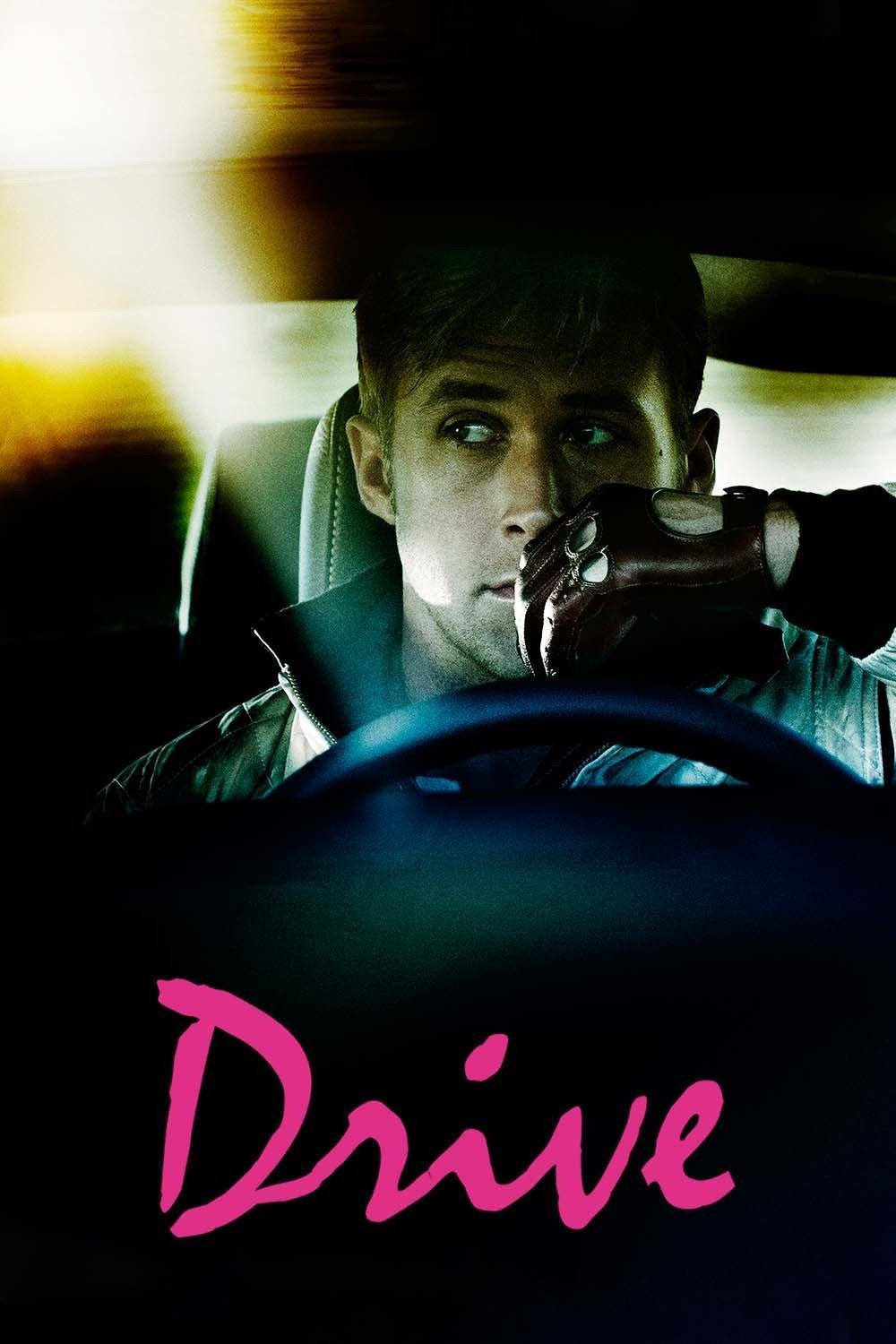
I’ll never forget the first time I watched “Drive,” directed by Nicolas Winding Refn, because it immediately felt like no other crime thriller I’d experienced. The film’s spine isn’t built on relentless action, but on patient, almost hypnotic sequences that pulse with tension. The story centers around a nameless protagonist, simply known as The Driver, played with stunning restraint by Ryan Gosling. He’s a stuntman by day and a getaway driver by night, navigating Los Angeles’s neon-lit underbelly with monastic discipline. Rather than following the usual caper film formula, I became absorbed in the deliberate pacing and quiet moments, as the Driver’s world collides with his neighbor Irene and the descent into criminal chaos that follows their fateful connection.
Without veering into overt spoiler territory, I’ll mention that the plot draws deeply from noir; the Driver’s solitary life gets irrevocably tangled due to a botched heist and his attachment to Irene and her young son. The violence, when it does erupt, is unflinching and deeply affecting—not there for spectacle, but for consequence. If you want to go in totally blind, be prepared for some harrowing turns. That said, what truly separates “Drive” for me is how the plot is treated as a vessel for atmosphere and emotion rather than as a straightforward, goal-oriented narrative. Every decision and movement feels saturated with unspoken motives and longing.
Key Themes & Analysis
“Drive” hit me hardest as a reflection on identity and isolation. I found the Driver to be a living contradiction: competent yet vulnerable, caring but capable of ruthless violence. His understated performance becomes a statement about fractured masculinity–always in motion, but never truly arriving anywhere emotionally. Gosling’s almost wordless approach imbues every glance, every pause, with a sense of internal conflict I rarely see in this genre.
The theme that lingers most is alienation in modern urban life. The city is rendered as a beautiful yet cold labyrinth, with neon-pink hues and synth-heavy music evoking a kind of stylish emptiness. There’s romance, but it’s always at arm’s length; moments of kindness are fleeting before threats intrude. I felt that the film’s violence stands as a dark counterpoint to the Driver’s tenderness, forcing me to question how much of his goodness is simply the flip side of his capacity for destruction. The code he lives by is both his shield and his curse.
I can’t discuss “Drive” without highlighting Nicolas Winding Refn’s directorial touch. Every frame feels meticulously composed, reminiscent of both European art cinema and gritty American noirs. The use of color is extraordinary—bright, saturated pinks and shadow-soaked blues—which supports the film’s mythic, almost fairy-tale quality. The Los Angeles of “Drive” is not the city I know from postcards; it’s a world of lonesome streets and deserted diners, a dreamscape as much as a crime scene.
Another aspect that truly stunned me was the interplay between sound and silence. Cliff Martinez’s electronic soundtrack is both pulsating and introspective, turning car chases into ballets of movement and mood. In scenes where I’d expect banter or exposition, Refn instead wields silence as a weapon, letting the weight of decisions and consequences fully land before my eyes. This patient, sometimes disquieting approach is where the movie’s emotional power comes into full effect.
The supporting cast deserves mention as well. Carey Mulligan creates a gently melancholic presence as Irene, and Bryan Cranston adds surprising pathos as the hapless mechanic Shannon. Albert Brooks is particularly memorable, taking on a rare villainous turn and infusing it with both warmth and menace. The performances are all calibrated to the film’s subdued, almost poetic rhythms. Each character is given just enough space to resonate as more than genre archetypes.
I walked away from “Drive” convinced that it is as much a meditation on longing and transformation as it is a crime thriller. The Driver’s jacket, emblazoned with a golden scorpion, sticks with me not just as a visual marker but as a metaphor for the impossible balance between fragility and danger. The film asks: Can someone truly change, or are they forever defined by their circumstances? This central question, to me, is what keeps the story relevant and emotionally engaging, far beyond the superficial appeal of its brutal action or retro styling.
My Thoughts on the Historical & Social Context
I can’t help but view “Drive” through the lens of its time—released in 2011, right on the edge of a new decade and post-financial crisis America. There’s a peculiar sense of dislocation that fits with the uncertainty many felt back then. As the world staggered from recession and communities became more atomized, I saw “Drive” as capturing the emotional detachment and guardedness that permeated both individual and communal life. The film’s urban alienation echoed how disconnected modern existence can feel, an undercurrent that resonated personally with me.
I also believe “Drive” fit into a broader cultural hunger for anti-heroes and morally complex protagonists. In an era defined by real-world unrest and shifting social norms, the traditional lines between good and bad started to blur in popular culture as well. The Driver is emblematic of this grey morality. His compassion is as honest as his violence; both emerge from a survival instinct shaped by an unfeeling world. This duality felt emblematic of the anxieties and aspirations of the early 2010s—a time when people reevaluated everything from relationships to their roles in society.
From my perspective, another layer that “Drive” excavates is the performative nature of masculinity. It questions the myth of the lone, heroic man by showing how such solitude is as much a curse as a virtue. That felt particularly poignant against the backdrop of social conversations around gender, isolation, and identity—themes that have only gained traction in the years since. The enduring relevance of the film, for me, rests on its willingness to probe the costs of stoicism and the difficulty of genuine connection in a fractured world. “Drive” remains a mirror, reflecting anxiety, beauty, and violence in uneasy balance—and that’s why, after all these years, it still feels important.
Fact Check: Behind the Scenes & Real History
As someone fascinated by the gap between the polished final product and the messy reality of filmmaking, “Drive” offers several compelling tidbits that I think are worth sharing. The casting process itself is a story. Ryan Gosling wasn’t the studio’s first choice for the Driver—Hugh Jackman was actually attached in earlier development stages, but the film’s tone ultimately shifted when Gosling and Refn took the reins. I believe this decision was pivotal; Gosling’s silent intensity provides a haunting emotional core that a more traditionally charismatic star might have muffled.
From a technical standpoint, I love learning that many of the car chase scenes were filmed with practical effects rather than relying on CGI. This commitment to old-school stunt work not only grounds the action but also imparts a tactile energy to the film’s most memorable sequences. The tension I felt during those chases is rooted, I think, in knowing that what’s on screen is the result of meticulous choreography, not digital trickery.
What truly fascinates me is the stylistic inspiration: Refn drew heavily from 1980s neo-noir and the music-driven atmospheres of films like “Thief” and “Risky Business”. He also borrowed narrative beats from classic westerns, treating Los Angeles as both a battleground and a last frontier of the outsider hero. These references aren’t just aesthetic flourishes—they fundamentally shape the mood and rhythm of “Drive,” connecting the film to a larger cinematic heritage while carving out its own distinctive identity.
Why You Should Watch It
- For its mesmerizing blend of style and substance: The synthesis of striking visuals, haunting music, and minimalist storytelling creates an experience that is as emotionally resonant as it is visually unforgettable.
- To witness one of Ryan Gosling’s most nuanced performances: His portrayal of the Driver is a masterclass in restraint and internalized emotion, making every gesture and silence feel loaded with meaning.
- Because it redefines the modern crime thriller: “Drive” breaks away from formulaic storytelling, offering instead a poetic exploration of isolation, violence, and fragile connection.
Review Conclusion
For me, “Drive” stands as a rare achievement—a film that fuses pulpy crime storytelling with the meditative patience and visual splendor of art cinema. Its elegance lies in not explaining everything, but inviting me to linger in the shadows between action and reflection. From the moment the synth soundtrack erupts over the nighttime cityscape to the final, ambiguous shot, I was transfixed by its spell. I recommend “Drive” to anyone who hungers for a crime thriller that lingers long after the credits roll. I give it a 4.5/5—essential viewing for anyone invested in the evolution of the genre.
Related Reviews
- Only God Forgives (2013): Also directed by Nicolas Winding Refn, this film delves even deeper into themes of violence and emotional detachment, but within the neon-lit streets of Bangkok. I recommend it if you’re drawn to “Drive’s” hypnotic style and want to see a more abstract take on the lone anti-hero archetype.
- Thief (1981): Michael Mann’s procedural blends 1980s aesthetics, pulsing electronic music, and a meticulous depiction of a criminal’s double life. Much like “Drive”, it explores the existential costs of living outside the law, but with a more old-school noir touch. The influence on Refn’s film is clear and, for me, makes for an essential complementary watch.
- Collateral (2004): If you’re captivated by tense, atmospheric urban storytelling, “Collateral” offers a similarly riveting nocturnal journey through Los Angeles. Both films pair stoic leads with moral ambiguity, and I see “Collateral’s” strong performances and tightly orchestrated tension as a natural pairing with “Drive”.
- Blue Valentine (2010): For another look at Ryan Gosling exploring fractured identity and longing, I’d recommend this raw, intimate drama. Though not a crime film, it shares “Drive’s” emotional intensity and willingness to linger in moments of quiet heartbreak.
If you want to explore this film beyond basic facts, you may also be interested in how modern audiences respond to it today or whether its story was inspired by real events.
🎬 Check out today's best-selling movies on Amazon!
View Deals on Amazon