
Plot Summary
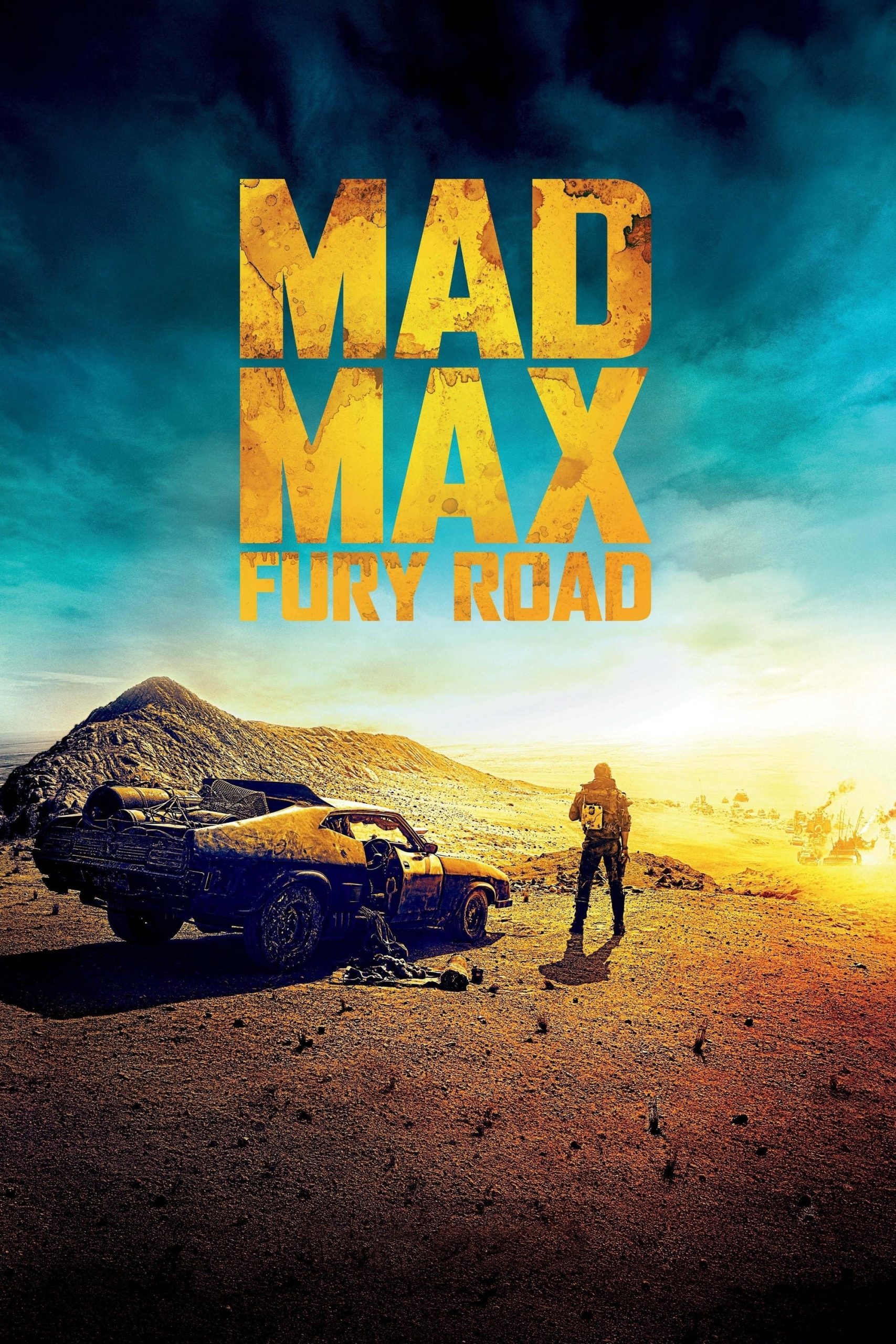
Long before I even began watching, I’d already absorbed the visual legend of “Mad Max: Fury Road” through pop culture: roaring cars, haunting wasteland visages, and Tom Hardy’s masked face peering from billows of sand. But nothing could have prepared me for the experience George Miller, a director with a near-mythical reputation for merging action spectacle with existential grit, crafts in this high-octane reboot of the dystopian genre.
Set in a squalid, resource-crushed future where the last remnants of humanity are ruled by a tyrannical warlord, the film wastes no time hurling the audience into chaos. I found myself caught between the primal drive for survival and the aching hope for redemption embodied by the leads. Max (Tom Hardy), a drifter tormented by trauma, is swept up in a desperate escape led by Furiosa (Charlize Theron), an enigmatic warrior determined to liberate captive women known as the “Wives” from Immortan Joe’s grasp. Their journey is a relentless chase across the wasteland, stitched together by roaring engines and dust storms that seemed to swallow all reason.
What grabbed my attention wasn’t just the non-stop movement, but the way every character—ally, enemy, or outsider—felt motivated by a unique kind of desperation. Miller’s world isn’t simply post-apocalyptic; it’s densely textured, with every rusted hubcap and tattooed body haunted by a broken society’s failing logic. The plot itself unfolds as a strange dance: there’s barely time for exposition, yet I always sensed what was at stake for each participant. If you want to avoid any spoilers, you can stop here, but it’s enough to say that the pursuit across the wasteland builds toward moments of spectacular brutality and understated humanity that lingered with me long after the engine noise faded.
Key Themes & Analysis
What stirs me most about “Fury Road” isn’t just the breakneck stunts or relentless pacing—though both redefine the limits of what the action genre can do. Beneath all the cracked chrome and battered flesh, I saw a film unapologetically obsessed with freedom, agency, and the possibility of renewal.
Themes of liberation, redemption, and eco-dystopia surge through every sequence. I couldn’t ignore how Furiosa’s quest to save the Wives becomes a meditation on bodily autonomy and revolutionary courage. Unlike so many action blockbusters content with surface-level empowerment, “Fury Road” gives its women tangible agency—Furiosa is not a sidekick, but the engine of the narrative. The Wives, too, oscillate from passive possession to active participants, and their struggle struck me as a potent riposte to the genre’s history of objectifying female characters.
The desolate aesthetic does more than set a mood—it’s Miller’s thesis statement made visual. The world feels shriveled by war, with every survivor fighting for trickles of water and gasoline. This isn’t just a canvas for thrills; it’s a rebuke against consumerism and environmental neglect. I found the relentless scarcity haunting: Miller’s future felt inches rather than centuries from my reality, and each sun-bleached skull on screen reminded me of how fragile civilization can be.
On a technical level, I couldn’t look away from the jaw-dropping, practical stunts that dominate the film. Nearly every explosion, somersault, or vehicular acrobatics was accomplished with real vehicles and performers. The decision to rely on practical effects—eschewing CGI when possible—makes the film’s chases and crashes much more immersive. There’s a relentless momentum that doesn’t feel digitally constructed, and that grit rooted me in the action far more than most contemporary blockbusters.
Charlize Theron’s Furiosa is a revelation. Every line etched into her face, every clenched gesture, radiates a battered strength. I found her performance more evocative with each viewing, often outshining Hardy’s subtler, more interior Max. There’s beauty in their dynamic—equal parts rivalry, trust, and shared trauma. Even the supporting cast, from Nicholas Hoult’s sweaty, unstable Nux to Hugh Keays-Byrne’s grotesquely charismatic Immortan Joe, makes the wasteland pulse with personality.
What left me most awestruck was how Miller employs intensity not simply for its own sake but to excavate deeper questions about humanity: What do we owe each other in a broken world? Can compassion exist amid violence? The film’s dialogue is minimal, its action maximal, but every thunderous set-piece propels themes of survival, atonement, and the flickering hope of community.
My Thoughts on the Historical & Social Context
Watching “Mad Max: Fury Road” in 2015, I couldn’t help but see it as a mirror for the anxieties and aspirations of our own era. The mid-2010s were marked by global uncertainty—climate change on the news, despots on the rise, and an ever-growing sense of precarity swirling across the headlines. I felt the tension in Miller’s vision: a world where natural resources are privatized, where the vulnerable become chattel for the powerful, where every oasis could be lost to greed. In the Wives’ desperate bid for autonomy, I found echoes of real-world movements for bodily rights and emancipation.
This movie landed at the apex of a pop culture reckoning—“Who gets to survive, and at what cost?” The dialogue around feminism, environmental crisis, and the collapse of old social orders was already flaming hot when “Fury Road” roared into theaters. Seeing Furiosa at the center of such carnage wasn’t just a subversive twist on genre norms—it felt like a shout of defiance. For me, her journey, and that of the Wives, reads like an allegory for resistance: fighting back against not just a single tyrant, but the entire machinery of a broken system.
I also saw the film’s cross-generational appeal as a testament to its contemporary resonance. For lifelong fans of Mad Max, there’s the visceral thrill of returning to an iconic wasteland. But for a younger audience, I felt the story’s rage and yearning—anger at the status quo, hope for reinvention—was more vital than nostalgia. That’s why “Fury Road” spoke so powerfully to me in 2015, and why it endures years later in an era when the questions it raises remain so painfully unresolved.
Fact Check: Behind the Scenes & Real History
When I dug into the making of “Fury Road,” I was astonished by Miller’s commitment to grit and realism. First, more than 80% of what we see on screen—exploding cars flipping end-over-end, daredevils swinging from speeding rigs on poles—was achieved with practical effects rather than CGI. Stunt coordinator Guy Norris and his team reportedly rehearsed over 150 intricate stunts, many in the deserts of Namibia, where much of the movie was shot. I can feel this authenticity in every dust-choked, sun-scorched frame.
One production challenge that fascinated me lies in the film’s tortuous casting journey—Tom Hardy, for instance, was considered a considerable risk stepping into Mel Gibson’s legendary shoes. But the real tension played out between Hardy and Theron, who reportedly clashed frequently on set, a detail which I felt lent extra texture to their fraught on-screen relationship. According to multiple sources, the arduous nature of the shoot—oppressive heat, grueling days, and a lack of script clarity—created a palpable tension, oddly enriching the battered, desperate chemistry I witnessed between Max and Furiosa.
In terms of historical accuracy, “Fury Road” isn’t drawing from specific real-life events, but the film is rife with references to resource wars and water crises that parallel real-world struggles in many societies. Miller has cited the collapse of infrastructure in failing states across history—the fall of Rome, environmental disasters, and even Australia’s own arid landscapes—as influences that shaped his vision of societal decay. For me, these inspirations make the film both a warning and a parable: the nightmarish world it depicts is fantastical, but its logic is rooted painfully in the choices societies make today.
Why You Should Watch It
- An unparalleled demonstration of action cinema that blends practical effects with visionary storytelling: I was consistently on the edge of my seat, and I doubt I’ll ever see car chases staged quite like this again.
- A deeply resonant social allegory that challenges norms about power, gender, and survival: Few blockbusters dare to dig as deep, or say as much, amidst such relentless spectacle.
- Performances that redefine archetypes: Charlize Theron’s Furiosa, in particular, shattered my expectations of what a hero in a dystopian saga could be.
Review Conclusion
No matter how many times I revisit “Mad Max: Fury Road,” I’m always left breathless—by the magnitude of its imagery, the clarity of its themes, and the battered hope it offers in a world gone mad. I consider this film not just a technical marvel or a genre reinvention, but a vital, angry elegy for a planet and a generation on the brink. It’s messy, relentless, and sometimes even beautiful, daring us to envision a future that’s more than just survival. My star rating: 5/5.
Related Reviews
- Children of Men (2006): I recommend this film for its haunting, near-future wasteland and its profound exploration of hope in a world without future generations. Like “Fury Road,” it uses kinetic action and stunning set-pieces to deepen its contemplation of human resilience.
- The Road Warrior (1981): As Miller’s earlier Mad Max entry, this one is essential for anyone gripped by the blend of vehicular chaos and lone-wolf heroics. I see it as the ur-text for “Fury Road”—rawer and leaner, but clearly the DNA for Miller’s newer vision.
- Snowpiercer (2013): This story of class warfare on a dystopian train resonates with the same themes of survival, rebellion, and environmental collapse. I consider it a fascinating companion for viewers drawn to the social parables and relentless pacing of “Fury Road”.
- Dredd (2012): The stylized violence and lawless society here offer a grimmer, more claustrophobic take on post-apocalyptic justice. If you appreciate how “Fury Road” executes brutal, visually-arresting spectacle with a conscience, Dredd is a worthy follow-up.
If you want to explore this film beyond basic facts, you may also be interested in how modern audiences respond to it today or whether its story was inspired by real events.
🎬 Check out today's best-selling movies on Amazon!
View Deals on Amazon