
Plot Summary
From the moment I pressed play on Steven Spielberg’s “Lincoln,” I could sense this would be something far greater than just another historical drama. It’s not often that a movie about politics can keep me glued to my seat, but this one did it masterfully. The story immerses me in the fractious final months of the American Civil War, centering on President Abraham Lincoln’s desperate effort to push the Thirteenth Amendment through the House of Representatives, thereby abolishing slavery. Instead of telling the whole life story of Lincoln, Spielberg tightly focuses on just a few pivotal weeks, narrowing the scope so that every conversation, every whispered negotiation in the corridors of power, feels weighty and urgent.
I found myself mesmerized by the way the film balances public spectacle and private struggle. We aren’t just witnessing grand speeches in Congress; we are also invited into Lincoln’s family’s grief and anxiety, as well as the wranglings and bribery that paint the political process in all its messy shades. Backroom deals, ideological clashes, and the toll on Lincoln’s marriage and fatherhood are always present, layered with a tangible sense of history unfolding moment by moment. Even knowing the outcome, I felt real suspense as votes neared, because the film so vividly exposes the cost of moral change. I’ll refrain from full spoilers here, but it’s safe to say that the moments around the passage—or failure—of the amendment carry an emotional punch I was not prepared for. There are moments of both triumph and heartbreak woven seamlessly through the narrative, making the final act resonate long after the credits fade.
Key Themes & Analysis
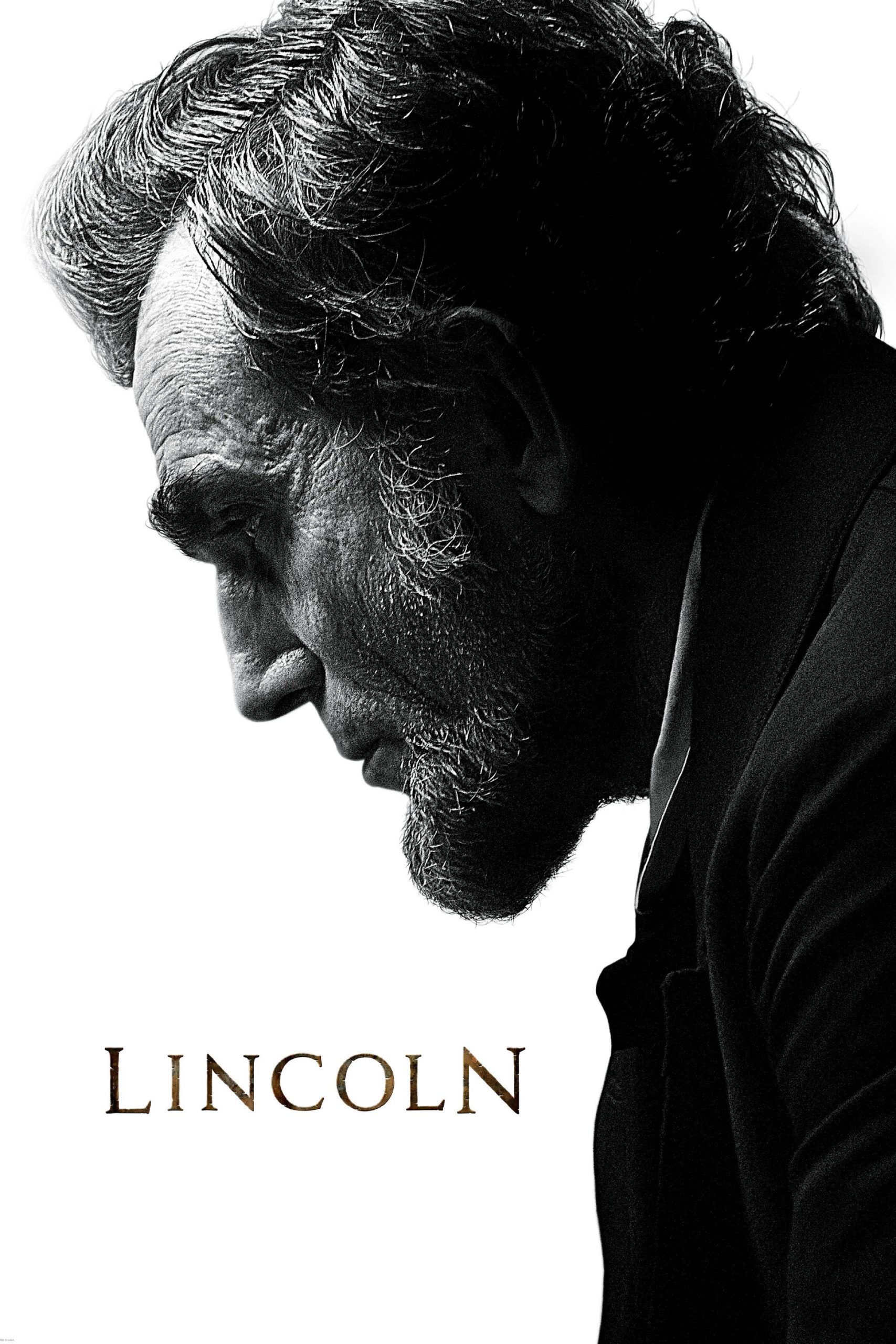
Every time I revisit “Lincoln,” I’m struck by just how effectively Spielberg transforms the halls of government into an arena of personal and ideological warfare. This isn’t a film that treats history with distant reverence; it plunges me directly into the moral and political ambiguity of nation-changing decisions. I see how the movie’s core theme—the cost of moral leadership—echoes through every frame. Lincoln is not a flawless hero; he’s portrayed as cunning, sometimes manipulative, and always deeply human. That’s what makes Daniel Day-Lewis’s performance so haunting to me. He doesn’t play Lincoln as a marble statue, but as a tangle of empathy, wit, weariness, and steel.
I also find myself analyzing how the supporting cast embodies themes of division and unity. Tommy Lee Jones, as Thaddeus Stevens, takes the moral absolutist’s position, providing a biting contrast to Lincoln’s pragmatism. Sally Field, portraying Mary Todd Lincoln, delivers a raw depiction of grief and political calculation. What I love most here is Spielberg’s commitment to showing democracy as a messy, human process—not idealized, but deeply flawed and often infuriating. The film’s political machinations, from horse-trading to outright bribery of House members, made me reconsider my assumptions about how major change truly happens in government.
Janusz Kamiński’s cinematography is another highlight for me. The rooms are often shot in muted light, with dust motes swirling in the air, invoking the feeling of history being made in real time. The limited color palette, the smoky interiors, and the heavy shadows all contribute to a palpable sense of urgency and gravity. Every shot feels intentional, designed to reflect not just period authenticity, but also the internal weather of the characters. John Williams’s restrained score never overwhelms but punctuates the emotional stakes with subtle precision.
At its heart, the film asks hard questions about the price of progress. What compromises are we willing to accept to achieve a greater good? Lincoln’s willingness to manipulate, persuade, and even deceive—while always haunted by the human cost—feels uncomfortably contemporary. As I watch, I can’t help but reflect on the power and burden of leadership. The most gripping tension isn’t in the battlefield scenes, but in smoky chambers where a handful of decisions change the course of American history. That focus on words over action spoke directly to my passion for political cinema, proving that suspense does not demand violence if the stakes are this high.
My Thoughts on the Historical & Social Context
The year 2012 was a fascinating moment in American life: the country was grappling with political polarization, debates over civil rights, and growing anxieties about government accountability. Watching “Lincoln” through that lens, I felt like Spielberg was speaking directly to my generation. He doesn’t reduce history to simple heroism. Instead, I saw a parallel between the backroom deals of 1865 and the gridlock of our own time. It almost felt like an encouragement—a cinematic reminder that even the great social victories of the past were the messy product of compromise, advocacy, and personal conviction.
I remember the first time I saw the film in theaters, emerging with a renewed sense of how live-wire relevant Lincoln’s struggle remains. Today’s debates about equality, justice, and leadership gain texture in my mind when I recall how Lincoln had to argue, cajole, and sometimes bend the truth to move America forward. The film doesn’t shy away from the idea that progress is imperfect and costly. In a climate where civic discourse can feel both vital and exhausted, I found Lincoln’s patience—and his moments of doubt—uniquely resonant. Watching “Lincoln,” I was reminded that history isn’t just made by visionaries, but by people willing to do the grinding, often unglamorous work of persuasion. That message hit home for me as intensely relevant, both at its 2012 release and in the current societal climate.
Fact Check: Behind the Scenes & Real History
As much as I enjoy the film as a work of art, I’m just as captivated by the obsessive attention to detail that went into its making—and the deliberate choices where the filmmakers shaped history to fit the screen. For starters, Daniel Day-Lewis’s journey to playing Lincoln is legendary in itself. He spent months reading Lincoln’s writings, poring over contemporaneous accounts, and even adopted the president’s high, reedy voice, which at first struck me as unusual but soon felt undeniably authentic. The commitment to authenticity in makeup and costuming is so deep that even Lincoln scholars have praised Day-Lewis’s physical transformation. Yet, what fascinates me most is how the actor refused to break character on set, maintaining Lincoln’s demeanor between takes, which must have created a surreal sense of immersion for the cast and crew.
Then there’s the screenplay, penned by Tony Kushner. Unlike many historical films that take broad liberties, Kushner based much of his script on Doris Kearns Goodwin’s highly respected biography “Team of Rivals.” That said, I noticed several clear creative departures. For example, some members of Lincoln’s cabinet are portrayed as more deeply opposed or supportive of the amendment than the historical record shows. In reality, the motivations and timelines were more muddled. Spielberg made these choices, I believe, to clarify the stakes for modern audiences—compressing complex politics into more digestible cinematic drama.
The production itself is filled with interesting anecdotes. Shooting took place in and around Richmond, Virginia, using many period buildings that had been untouched for decades. The decision to use practical lighting—oil lamps, windows, and candlelight rather than Hollywood spotlights—gives the film a tactile authenticity that I genuinely felt transported by. Few details escaped Spielberg’s notice; even the telegrams and paper documents in the film were copied from originals in the Library of Congress. I found it fascinating how Spielberg deferred to historians on set to catch the smallest anachronism, yet willingly invented scenes to drive home his philosophical points. That tension between accuracy and artistry is, for me, one of the film’s defining features.
Why You Should Watch It
- If you crave a masterclass in acting, Daniel Day-Lewis’s portrayal of Abraham Lincoln is something you will remember for years—utterly human, haunting, and unforgettable.
- You’re interested in films that show how real, messy politics make history, and you want to see how major social change is engineered, not just announced.
- Every visual and sound cue immerses you in the era, so if period authenticity and immersive cinematography matter to you, “Lincoln” is a sensory and intellectual feast.
Review Conclusion
Whenever I recommend “Lincoln,” I find myself returning to just how rare it is for a Hollywood film to strike such a precise balance between humanity and history. This is not a hagiography or a civics lesson; it’s a living, breathing portrait of one of America’s most consequential leaders, presented at his most embattled and morally complex. Spielberg doesn’t shy away from the grit, and Day-Lewis’s performance makes Lincoln simultaneously towering and vulnerable. As I watched, I felt swept up in the urgency and anxiety of a nation on the brink—reminded that the past is never quite as simple or as distant as we might imagine.
For its brilliant acting, razor-sharp script, and painstaking world-building, I would rate “Lincoln” a near-masterpiece: 4.5 out of 5 stars. This is a film that refuses to simplify or sanctify, inviting the viewer into the messy reality of both history and progress—an invitation I will gladly accept again and again.
Related Reviews
- “The Post” (2017) – I’m compelled to recommend Spielberg’s own “The Post” to anyone who appreciated “Lincoln’s” portrayal of political process. Both films examine the intersection of power, moral responsibility, and the press, yet come at it from different eras. The tension between institutional secrecy and democratic process feels thematically connected, and the performances in both movies create a riveting sense of real stakes and ethical gray areas.
- “Selma” (2014) – For another film that distills a historical period into a single moment of social transformation, “Selma” offers a gripping and deeply humane portrait of Dr. Martin Luther King Jr. and the campaign for voting rights. Watching “Selma” after “Lincoln” made me reflect on the long arc of American progress and the recurring patterns of struggle and negotiation.
- “Good Night, and Good Luck” (2005) – This is a beautifully shot and meticulously detailed investigation into the ethics of leadership and journalism during the McCarthy era. I found the film’s black-and-white cinematography and focus on real-life political battles to echo “Lincoln” in style, if not period.
- “Darkest Hour” (2017) – If the experience of watching a single leader grapple with a nation’s fate resonated for you in “Lincoln,” “Darkest Hour” offers an equally intense and nuanced performance by Gary Oldman as Winston Churchill. Both films mix bureaucratic drama with personal vulnerability, making history feel urgent and alive.
If you want to explore this film beyond basic facts, you may also be interested in how modern audiences respond to it today or whether its story was inspired by real events.
🎬 Check out today's best-selling movies on Amazon!
View Deals on Amazon