
Plot Summary
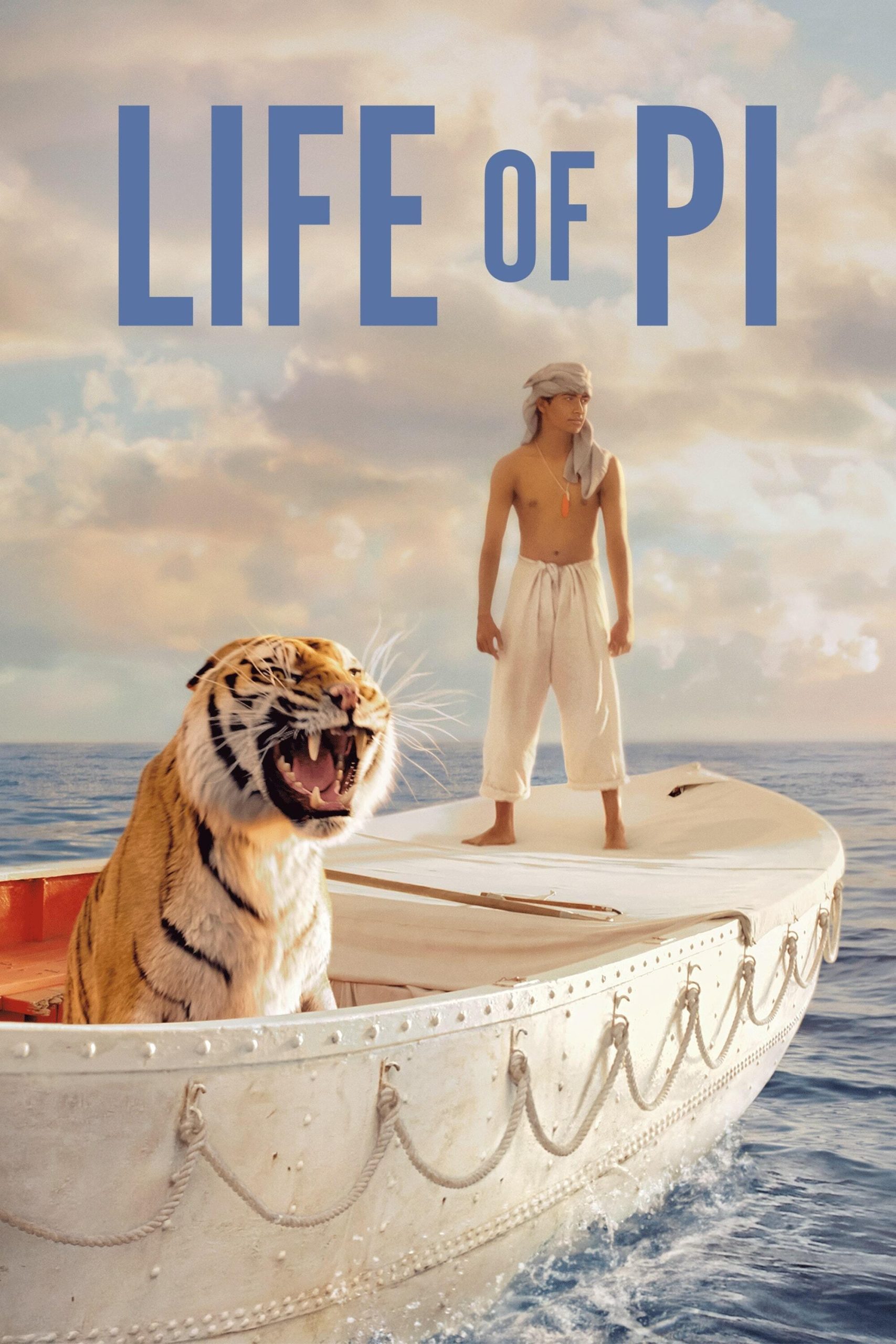
From the very first moments I experienced in Life of Pi, I felt swept away into a world that manages to be both intimate and epic in scale. Directed by Ang Lee, who in my mind is a true genre-shapeshifter, the film seamlessly fuses adventure, drama, and philosophical inquiry. At its heart, I saw the story as revolving around Pi Patel, a young man thrust into extraordinary circumstances after a traumatic shipwreck. Stranded in a lifeboat with only a Bengal tiger named Richard Parker for company, Pi’s journey across the Pacific Ocean unfolds as a mesmerizing tale of survival and spiritual awakening.
While I found the premise simple at first glance, the narrative quickly became layered with mystery and allegory. Pi’s recollection of his ordeal forms the backbone of the story, and the film often jumps between his present-day self—now an adult sharing his unbelievable tale with a visiting writer—and the harrowing days at sea. This use of dual timelines made me empathize deeply with Pi, experiencing his youthful hope and terror with hindsight and maturity. The lifeboat becomes a microcosm for Pi’s existential struggles as he battles nature, hunger, fear, and his own sense of faith.
I’m careful not to reveal too much for those who haven’t watched, but a spoiler warning is in order for those unfamiliar with the film’s major turns. The story is more than just physical survival; as Pi recounts alternate versions of his time at sea, I found myself questioning the boundaries between truth, story, and belief. The film’s conclusion subtly invites viewers to decide which reality they prefer to accept—a choice that lingers long after the credits roll. Even years after seeing it, I still find myself reflecting on what truth really means in a world where faith sometimes must bridge the gaps that facts cannot fill.
Key Themes & Analysis
As I sat reflecting on Life of Pi, I found the film’s exploration of faith, resilience, and the search for meaning to be not only visually stunning but emotionally resonant. The theme that stood out to me most was the idea of faith’s transformative power—not just in a religious sense, but as a survival mechanism during periods of great hardship. Pi’s journey is peppered with references to Hinduism, Christianity, and Islam, presenting faith as something deeply personal yet universally relevant. In witnessing Pi’s internal struggle, I recognized my own questions about life’s difficult moments and the stories we tell ourselves to make sense of them.
The cinematography by Claudio Miranda, which earned an Academy Award, left a strong impression on me. The visuals are nothing short of breathtaking—from the glassy surface of the ocean beneath fantastical starry skies to the explosive violence of a storm at sea. Each frame felt like a living painting, and I became aware of how Lee uses color, water, and light to evoke both the dangers and wonders of nature. When Pi and Richard Parker reach the seemingly magical floating island, the imagery captured the fine line between reality and fantasy, reinforcing the film’s central question: what do we choose to believe?
The digital realization of Richard Parker remains one of the most impressive achievements I’ve seen in modern cinema. The tiger’s authentic movements and subtle expressions made the bond—and constant threat—between boy and beast feel startlingly real. This was not just an effects showcase; it was a delicate dance between character and technology, and I never once felt removed from the emotional stakes. Suraj Sharma, who plays the teenage Pi, deserves special recognition. His performance brought genuine vulnerability and ingenuity to the role, anchoring everything amid a sea of visual trickery. I believed his fear, his hope, and his fleeting moments of joy.
From a directorial standpoint, Ang Lee’s touch is unmistakable. He transforms what could have become just a survival story into a philosophical meditation on faith, truth, and the human spirit. The use of three separate actors to convey Pi at different ages lets us see his growth, both literal and metaphorical, as the film unfolds. Lee never shies from ambiguity, often letting silence and visual metaphor speak louder than dialogue. For me, that restraint deepened the impact of Pi’s revelations, leaving space for personal interpretation rather than imposing a singular moral.
My Thoughts on the Historical & Social Context
When Life of Pi was released in 2012, I saw it as a moment of transition—not just for Hollywood, but for broader cultural conversations about belief and identity. The early 2010s felt like a period of rapid change, when global cinema was becoming more daring with storytelling, effects, and multicultural perspectives. I remember how audiences were growing more skeptical about straightforward narratives; we wanted films that challenged belief systems and invited debate instead of dictating answers.
In this climate, I felt the film’s themes—faith enduring amidst chaos, the subjective nature of truth, and the blending of Eastern and Western philosophical ideas—struck a unique chord. In an era increasingly dominated by political and religious polarization, Life of Pi seemed to offer an antidote: a story that asked viewers to hold conflicting truths in their minds without resorting to cynicism. The film’s Indian setting and spiritual undertones felt fresh, especially as mainstream blockbusters too often defaulted to Euro-American perspectives.
Reflecting on the film today, I see its resonance has, if anything, grown stronger for me. With ongoing debates about disinformation, personal identity, and the power of storytelling, Life of Pi’s central question about what makes a story “real” feels even more relevant. I find myself repeatedly asking: is it the facts that matter most, or the comforts and lessons we take from the stories we tell? Personally, Lee’s film nudged me toward the idea that sometimes, believing in something beautiful and hopeful—even in the absence of proof—can shape our resilience in the face of overwhelming odds.
Fact Check: Behind the Scenes & Real History
Diving into the production history and inspiration behind Life of Pi, I uncovered several facets that deepened my appreciation for the finished film. First, I learned that much of the movie’s most iconic ocean imagery was filmed entirely in a massive custom-built water tank in Taiwan. This technical innovation allowed Ang Lee to choreograph the storm sequences and sun-dappled scenes with unprecedented control, resulting in striking visuals that simply wouldn’t have been possible with traditional ocean shooting.
From a casting standpoint, it surprised me that Suraj Sharma, who had never acted professionally before, was cast after an open call that drew thousands of applicants. His raw performance isn’t just luck; Sharma endured months of physical and emotional preparation, even receiving “tiger training” to safely interact with the digital elements on set. I see this as a gamble that paid off beautifully, giving Pi a sense of authentic youthfulness and fear that an established actor might not have been able to replicate.
One of the most fascinating behind-the-scenes facts I uncovered relates to the adaptation process. The novel by Yann Martel was long considered “unfilmable” due to its surreal and allegorical content. Several directors were attached before Ang Lee tackled the project, each struggling with the book’s ambiguous narrative and heavy reliance on visual metaphor. Lee’s decision to embrace, rather than explain away, the story’s ambiguity is part of what makes the film so successful in my eyes. He blended technical mastery with narrative restraint, creating a final product that doesn’t offer easy answers—even about its own origins or the reality of its events.
Why You Should Watch It
- It’s a masterclass in visual storytelling, offering some of the most breathtaking cinematography I have seen this century.
- You’ll find a genuinely moving exploration of faith and survival, with enough philosophical depth to reward thoughtful viewers long after watching.
- The central performances and technical achievements—especially the rendering of Richard Parker—create an unforgettable emotional journey that transcends typical adventure films.
Review Conclusion
For me, Life of Pi stands as a unique milestone in contemporary cinema—a film that functions as a visual poem, a spiritual inquiry, and a gripping survival story all at once. Ang Lee’s directorial choices and Suraj Sharma’s heartfelt performance ensured that the film never felt like a mere technical exercise. Instead, I walked away contemplating what I choose to believe, and how stories—especially those shaped by adversity—can sustain us. If you care about films that dare to be both beautiful and wise, this one deserves your time and attention.
My Rating: 4.5/5
Related Reviews
- The Tree of Life (2011) – Much like Life of Pi, Terrence Malick’s meditative epic uses stunning imagery and nonlinear storytelling to probe questions about existence, faith, and the meaning of suffering. The film’s blend of intimate family drama and cosmic awe reminded me of Lee’s handling of big ideas within a personal framework.
- Cast Away (2000) – If the survival aspect of Life of Pi resonated with you, Robert Zemeckis’s solo odyssey starring Tom Hanks is a natural companion piece. Both films center on isolation, ingenuity, and the search for meaning in hardship, though through very different narrative tones and settings.
- Slumdog Millionaire (2008) – Danny Boyle’s film also explores the intersection of fate, trauma, and hope in an Indian context, using vivid visuals and non-linear storytelling to challenge perceptions of truth and destiny. I find the way both films weave cultural specificity into universal themes makes them kindred spirits.
- The Revenant (2015) – Alejandro G. Iñárritu’s brutal survival epic shares Life of Pi’s visual ambition and raw emotional stakes, with a focus on one man’s encounter with the elemental forces of nature and his own will to endure.
If you want to explore this film beyond basic facts, you may also be interested in how modern audiences respond to it today or whether its story was inspired by real events.
🎬 Check out today's best-selling movies on Amazon!
View Deals on Amazon