
Plot Summary
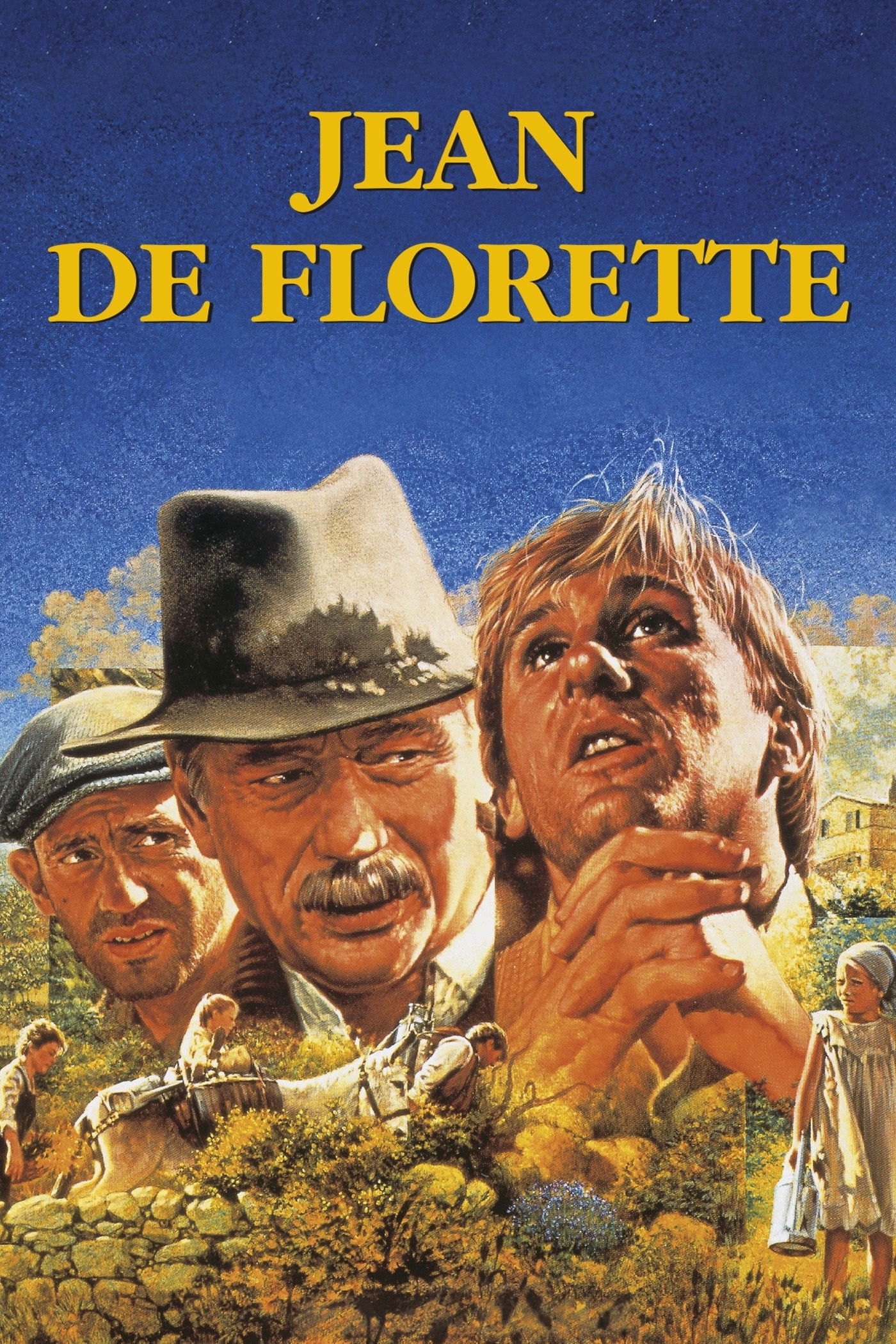
When I first sat down to experience Jean de Florette, director Claude Berri’s 1986 drama swept me directly into the dusty, sun-beaten hills of rural Provence. Set in the post-World War I era, this film immediately felt intimate, personal, and, at the same time, mythic. The story follows an unassuming town outsider, played with haunting optimism by Gérard Depardieu, who inherits a remote farm. With his city-bred hope and unwavering ambition, he challenges the old ways and expectations of rural life. Around him, the community guards its resources and secrets fiercely, and I watched as local farmers—portrayed with sly calculation and deep pathos by Yves Montand and Daniel Auteuil—scheme to take advantage of the newcomer’s inexperience. As the seasons burn on, their seemingly small acts of manipulation accumulate, entwining fate and tragedy so subtly that I found myself increasingly enmeshed in the slow-brewing tension.
If you’re concerned about spoilers, rest assured I’ll leave the film’s most devastating twists unspoken. What struck me was the persistent sense of inevitability—the feeling that everyone is playing their part in a rural fable, where survival means outlasting and outwitting your neighbor. With every scene, I felt the oppressive dryness of withheld water, the yearning for belonging, and the unspoken violence under the surface of idyllic landscapes. The film’s plot isn’t about grand heroics or evil villains—its true drama lies in small moral choices, heavy with long-term consequence.
Key Themes & Analysis
From the very beginning, the film’s central theme—man versus nature—resonated with me. The arid beauty of Provence is not just a backdrop, but a living, breathing adversary. The struggle for water becomes a metaphor for survival, hope, and, ultimately, heartbreak. I was struck by how director Claude Berri never resorts to melodrama. Instead, he lets the camera linger on the land—fields marked by rocks, endless stretches of sun-bleached soil, and the cool darkness of a spring hidden under stone. Each frame felt purposeful, and I realized that nature in this story is not passive; it is indifferent, powerful, and sometimes cruel.
It was the film’s slow pacing that drew me closer to the characters’ emotional worlds. Gérard Depardieu, in the role of Jean, conveys a rare vulnerability and resolve. I found myself rooting for his innocent faith in rationality and progress, even as I saw how dreadfully mismatched those ideals were against the suspicion and tradition surrounding him. Yves Montand and Daniel Auteuil portray local peasants whose moral universe is drenched in ambiguity—they are both sympathetic and despicable, shaped by generations of scarcity. I found myself thinking about what I might do in their place, and the film never lets me settle comfortably into judgment. That moral grayness, for me, is the film’s greatest strength.
Cinematographically, this film is gorgeous without being ostentatious. The lighting, bathed in Provençal sunlight, shapes the world as both inviting and treacherous. I noticed how Berri composes shots to isolate characters—an image of Depardieu’s Jean standing alone in an empty field, dwarfed by sky and stone, struck me as both beautiful and mournful. Berri’s subtle editing and patient pacing give the story space to breathe, building tension through silence and implication rather than confrontation.
What truly stayed with me, though, was the film’s quiet critique of ownership and community. The clash between “insider” and “outsider” is not just about land, but about who is entitled to dreams and resources. I felt it in every suspicious glance and every polite conversation laced with threat. At its core, the film explores how envy, scarcity, and family legacy poison relationships and thwart justice. Layers of greed and secrecy are revealed so deftly that I was constantly reevaluating my sympathies and judgments throughout.
My Thoughts on the Historical & Social Context
When I reflect on why Jean de Florette resonated so deeply during the mid-1980s, I’m struck by its intersection of post-war French nostalgia and the shifting socioeconomic landscape of its own era. The film’s story—rooted in the years just after World War I— echoed national anxieties about rural decline, the loss of traditional ways of life, and the longing for renewal. By the 1980s, France was midway through dramatic modernization, and the countryside was, in many ways, shrinking both economically and culturally. Watching this film, I couldn’t help but connect its existential desperation—the fear of losing land, heritage, or hope—to collective worries about globalization and rural disenfranchisement that persisted well into the 20th century.
The sense of suspicion toward outsiders in the film parallels real postwar anxieties about change and the erosion of close-knit communities. As someone drawn to stories of belonging and exclusion, I found myself haunted by the ways in which the film uses landscape not only as a setting, but as an instrument of fate. Even now, the very idea that one’s aspirations—like Jean’s—might be undone not by personal failings, but by collective reluctance and fear, feels familiar. In an era still marked by debates on immigration, cultural identity, and resource distribution, I see potent echoes of my own social climate mirrored in this nearly 40-year-old film.
For me, the film’s relevance hasn’t faded. The themes of resilience, community suspicion, and the cost of secrets feel urgent when viewed against the backdrop of modern rural depopulation, debates over who has access to land or capital, and the persistence of class boundaries. Jean de Florette remains a meditation on the painful costs of insularity and the resilience of hope. Watching it today, I find myself reflecting on how little the dynamic between insider and outsider has truly changed.
Fact Check: Behind the Scenes & Real History
Researching Jean de Florette only deepened my appreciation for Berri’s attention to authenticity and cinematic ambition. One production fact that fascinates me is that Berri shot the film back-to-back with its sequel, Manon des Sources, essentially treating the two as a single epic story. Filming both consecutively was a significant logistical feat, allowing for a seamless continuity between the storylines and production design—something I feel is palpable in the film’s immersive world-building.
I was also intrigued to learn that the iconic, parched landscapes on screen were not entirely the work of nature. To achieve the film’s bone-dry look, Berri’s crew reportedly planted and then deliberately allowed crops to die from lack of water, capturing the grimly authentic sense of rural drought. This level of dedication helped me understand why the struggle for water feels so immediate and visceral on screen.
Architecturally, the tiny Provençal village where most of the film is set was meticulously restored for production. Berri’s team revived several abandoned farmhouses to recreate a believable rural community untouched by modernity. Knowing this, I can see how every frame reflects not only the character’s isolation, but the community’s connection to its agricultural roots—a testament to the film’s historical diligence.
The story itself draws inspiration from Marcel Pagnol’s novels, which fictionalized the rural landscape but drew heavily from Pagnol’s youth in Provence. While the characters and the water conflict might not be precise historic facts, the social tensions and agricultural hardships shown in the film closely mirror real struggles faced by southern French farmers between the wars. For me, this blend of fact and folklore brings the tragedy closer and sharpens its universal message.
Why You Should Watch It
- Its powerful performances and breathtaking cinematography immerse you so deeply that rural Provence becomes more than just a setting—it’s a living character.
- The story explores universal struggles of hope, betrayal, and the human cost of survival, making the film emotionally resonant and thematically rich for any era.
- If you care about films that challenge easy morality and offer complex characters—neither wholly victim nor villain—this film invites empathy and nuanced reflection like few others I’ve seen.
Review Conclusion
Few films have left an imprint on me quite like Jean de Florette. Its vision of humanity—unyielding, quietly desperate, capable of beauty and cruelty in equal measure—remains as potent now as when it premiered. For me, the film’s greatest achievement lies in making a simple story about water into a haunting allegory about trust, kinship, and the price of exclusion. If you seek a film where performance, direction, and theme join in perfect, understated equilibrium, this is an essential experience. My rating: 5/5.
Related Reviews
- Manon des Sources (1986) – This sequel, also directed by Claude Berri and starring the same core cast, is deeply intertwined with Jean de Florette’s story. I recommend it because it completes the fable while offering a new lens on revenge, redemption, and rural insularity. Watching both films together amplifies their emotional impact and narrative resonance.
- Diary of a Country Priest (1951) – Directed by Robert Bresson, this film similarly immerses the viewer in a provincial French setting, where landscape and inner turmoil shape fate. I see it as a kindred work in its meditative pacing, psychological depth, and its exploration of faith and community suspicion.
- The Tree of Wooden Clogs (1978) – Ermanno Olmi’s portrait of rural Italian peasants evokes the same sense of hard-won survival, community dynamics, and the invisible struggles of outsiders. For anyone moved by the intricate dance between tradition and change in Jean de Florette, this film offers a similarly immersive, empathetic rural tableau.
If you want to explore this film beyond basic facts, you may also be interested in how modern audiences respond to it today or whether its story was inspired by real events.
🎬 Check out today's best-selling movies on Amazon!
View Deals on Amazon