
Plot Summary
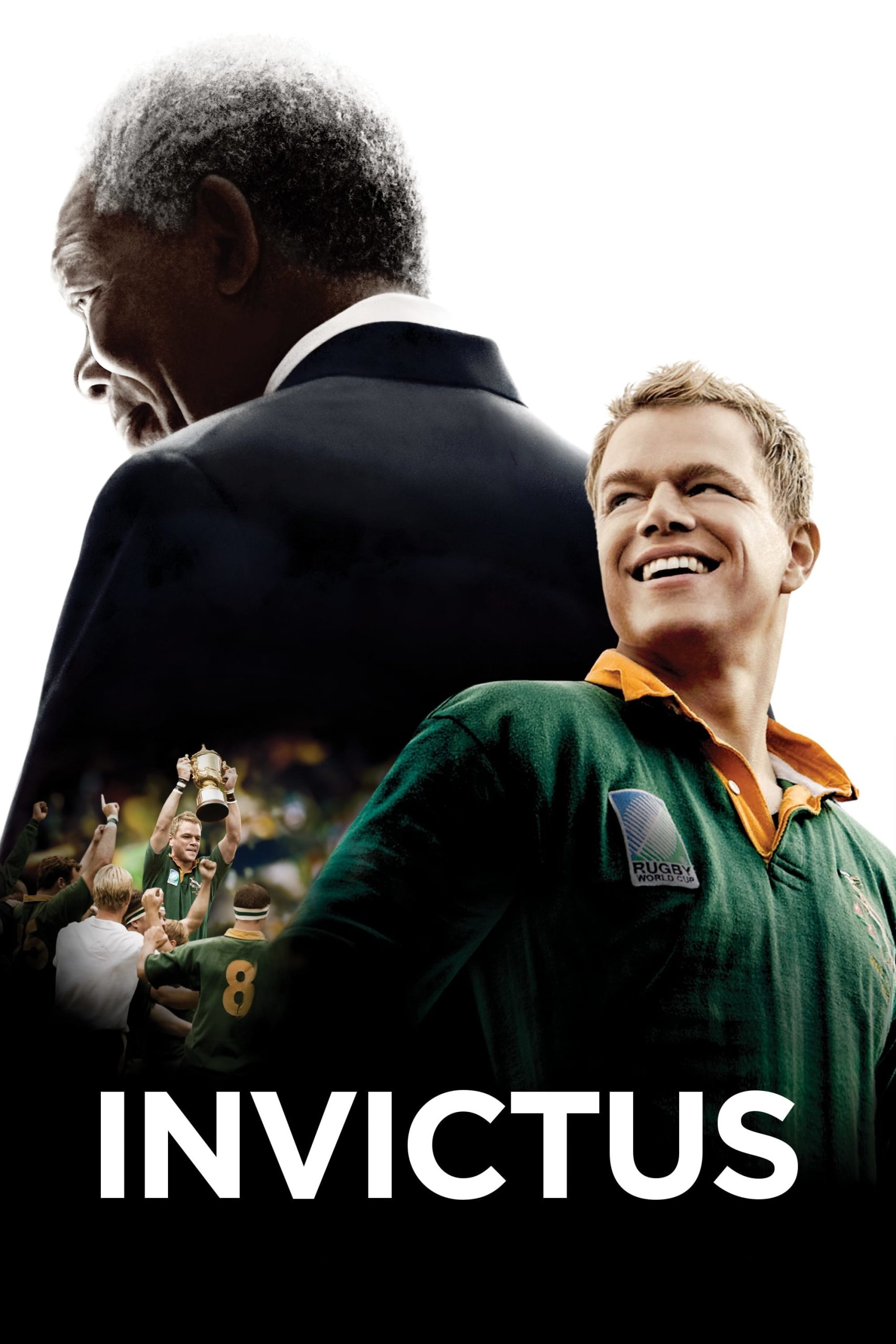
Whenever I revisit the cinematic landscape of the late 2000s, “Invictus” stands out as one of Clint Eastwood’s most resonant works—a film that refuses to rest on the laurels of its feel-good trappings. Foregrounding the turbulent backdrop of post-apartheid South Africa, I find the narrative remarkable in the way it weaves together the personal and the political without sacrificing emotional subtlety. The story draws its energy from the real-world efforts of Nelson Mandela (portrayed by Morgan Freeman) as he guides South Africa through the fragile early days of reconciliation. Mandela’s bold, unifying strategy: rally the fractured nation around the underdog national rugby team, the Springboks, captained by Francois Pienaar (Matt Damon).
The film allows us to witness, through Mandela’s newly elected presidency, the nation’s distrust, hope, and desire for change. I’m consistently moved by scenes depicting the skepticism on both sides of the racial and political divide. Eastwood orchestrates the drama with a patient hand, letting moments breathe—whether it’s a tense cabinet meeting or a locker-room exchange heavy with expectation. While “Invictus” builds inevitably towards the 1995 Rugby World Cup, it’s less about winning a game and more about staking a claim on a shared future. I won’t spoil the specific beats of the climactic match for new viewers, but I think it’s fair to say that the real victory of the film isn’t just on the scoreboard—it’s found in the collective heartbeat of an evolving nation.
Key Themes & Analysis
What strikes me most about “Invictus” isn’t just its historical specificity but how it dares to probe universal questions about forgiveness, leadership, and the true cost of unity. I have rarely seen a mainstream sports drama so quietly subversive, driven by a director’s conviction in the power of understatement. Eastwood, often praised for his economical style, turns restraint into a signature. In my view, his decisions behind the camera heighten the emotional authenticity—every visual choice seems selected to underscore the characters’ internal struggles rather than overshadow them with spectacle. The muted color palette helps reinforce the seriousness of South Africa’s wound, while the use of crowd scenes and wide shots captures both mass euphoria and individual alienation.
On a thematic level, “Invictus” stands apart by foregrounding two kinds of courage: the political bravery required to forgive, and the day-to-day resilience needed to transform symbolic gestures into reality. I was particularly struck by how Mandela’s philosophy is articulated, not only through stirring speeches but in the quiet, personal interactions with his bodyguards and political adversaries. Eastwood’s confidence as a director is felt in the film’s willingness to dwell in silences—spaces where characters contemplate not only victory or defeat, but reconciliation or resentment. For me, the heart of the film lies in Freeman’s uncanny ability to channel Mandela’s warmth and willpower. His performance is layered, measured, and quietly electrifying—arguably one of the most convincing portrayals of a modern world leader I’ve seen on screen.
Matt Damon’s Pienaar is equally fascinating, not for grand speeches but for his growing realization that he’s taking part in a history bigger than himself. There’s a moment, late in the film, where Pienaar tours Mandela’s prison cell—the smallness of the room, the passage of time, and the weight of expectation become almost overwhelming. This scene, for me, crystallizes the emotional throughline of the movie: empathy as the essential engine of transformation. On the whole, the supporting cast (from the skeptical Afrikaner bodyguards to the everyday township supporters) fill out the tapestry, each bringing subtlety to roles that could easily have been mere archetypes in another director’s hands.
Cinematically, I also appreciate how Andrew Lesnie’s camera often adopts the eye-level view of participants and spectators, reinforcing the sense that nation-building is not just an abstract ideal but a collection of tense, uncertain, lived moments. “Invictus” is not about smooth victories, but about the bumpy, incremental progress of hope. It reminds me, on every rewatch, that the path to collective healing is as dynamic and fraught as any championship game.
My Thoughts on the Cultural Impact & Legacy
Having viewed and re-viewed “Invictus”, I find its influence on cinema and society to be enduring and vital. Rarely does a sports movie transcend genre constraints to become a touchstone for conversations about leadership and national identity—but Eastwood’s film accomplishes just that. When I first watched it, I was drawn to the story’s optimism, but what keeps me returning is how unflinching it is about the costs of such optimism. The film arrived at a moment when global audiences were wrestling with ideas of division and reconciliation—not only in South Africa, but in any place where the past threatens to choke the future.
As a film curator who seeks out stories that capture historical turning points without descending into hagiography, I appreciate “Invictus” for its disciplined refusal to let anyone off the hook—Mandela is rendered as both visionary and pragmatic politician; Pienaar, as both hero and uncertain leader. I’ve witnessed firsthand how the film invites audiences to reflect on the daily reality of social progress. Community screenings I’ve hosted have sparked conversations about forgiveness, justice, and the responsibility of those in power to give hope rather than just orders. This is a film, in my experience, that acts as both a window and a mirror—letting us see a different culture’s struggle, but also calling us to consider our own responses to healing and change.
For me, “Invictus” does more than depict one iconic sporting event or one legendary leader. It has helped shape the sports drama genre by anchoring it in civic, rather than just athletic, stakes. The word “invictus” itself—meaning “unconquered”—feels less about the team than about the irrepressible drive for dignity that animates lasting change. Even now, I hear echoes of this film’s message in the way subsequent movies grapple with history, heroism, and the difficult work of reconciliation. That’s why, years later, “Invictus” continues to resonate with me both as art and as an ethical provocation.
Fascinating Behind-the-Scenes Facts
One aspect that always fuels my appreciation for “Invictus” is the backstory behind its making. For instance, Morgan Freeman was personally chosen by Nelson Mandela long before principal photography began; Mandela himself said Freeman was the only actor he wished to portray him. I think knowing this lends an extra layer of authenticity to Freeman’s performance—he’s not just performing from a script, but fulfilling a living wish. On another note, Matt Damon had to undergo rigorous physical training to convincingly play an international rugby captain. Not only did he have to nail the South African accent, but he also transformed his physique, enduring daily workouts and practice with seasoned rugby professionals. I remember reading about how he spent months learning the game’s nuances alongside Francois Pienaar himself, which is evident in Damon’s physical confidence during key match scenes.
Another detail that fascinates me: Clint Eastwood and the cinematographic team opted for hyper-realistic rugby sequences—eschewing stylized, over-choreographed play for tightly shot action. Filming at real South African stadiums with crowds of actual rugby fans, the production embraced unpredictability, lending the climactic match scenes a documentary immediacy. It’s these kinds of behind-the-scenes decisions, in my view, that elevate the film from biopic to lived experience.
Why You Should Watch It
- It offers a stirring, hopeful vision of what leadership can accomplish when paired with empathy and vision.
- The nuanced performances—especially from Morgan Freeman and Matt Damon—deliver rare depth in both the sporting and political arenas.
- It’s a sports movie that transcends the genre, focusing more on collective healing and national identity than on the outcome of a game.
Review Conclusion
Every time I rewatch “Invictus,” I’m reminded not only of its technical strengths, but of its rare ability to galvanize and inspire without sugarcoating history. As a lover of complex character studies and a mentor to new filmmakers, I’m heartened by how Eastwood balances spectacle with soul, and how the cast embodies their roles with depth and authenticity. It remains, for me, one of the most valuable sports dramas ever made because it dares to ask hard questions about unity, resilience, and the ongoing struggle for a shared future. I give it a rating of 4.5/5 stars.
Related Reviews
- “Chariots of Fire” (1981) – I recommend this for its driven focus on individual perseverance and national pride, emphasizing how athletics can reflect broader cultural conflicts and aspirations.
- “12 Angry Men” (1957) – Although not a sports film, its intimate interrogation of leadership, prejudice, and the nature of justice makes it a compelling parallel for audiences invested in the power of dialogue and transformation.
- “The Queen” (2006) – This is another powerful example of a biographical drama where national figures must balance personal conviction with public responsibility during a moment of cultural crisis.
- “Remember the Titans” (2000) – It echoes similar themes of racial reconciliation through sport, and would appeal to anyone moved by stories about breaking down social barriers through teamwork and determination.
For readers looking to go deeper, these perspectives may help place the film in a broader context.
🎬 Check out today's best-selling movies on Amazon!
View Deals on Amazon