
Plot Summary
The first time I watched Inherit the Wind, I was struck by how effortlessly Stanley Kramer plunged me into the boiling heart of a small-town courtroom drama while addressing ideas that felt as immediate as this morning’s news cycle. I can’t talk about Kramer’s 1960 film without recognizing his signature hand at direction: there’s a searing urgency that compels every frame of this thought-provoking courtroom spectacle. Ostensibly a dramatization, the film draws direct inspiration from the 1925 Scopes “Monkey” Trial—something I knew only in passing, yet I quickly discovered just how alive these historic tensions remain in today’s debates.
I found myself absorbed by the clash of personalities: the idealistic teacher on trial for teaching evolution, the dogged defense attorney, and an articulate but stubborn prosecutor. Kramer, never one to shy away from controversy, uses this real-life case as a backdrop for fleshed-out confrontations between individuals with deeply personal stakes. The story unfurls with an earnest reporter’s arrival in town, which I found to be an inspired touch—an outsider’s perspective distilling the fevered pitch within the community.
What kept me glued was how every scene pulses with underlying tension—there’s a palpable friction between the townsfolk, each wrestling with their faith, their identity, and the discomfort of challenging established doctrine. As someone who’s fascinated by social dynamics under pressure, I saw each line of dialogue as yet another lever operating on the townspeople’s fears and hopes. The personal costs of standing up for one’s beliefs are rendered painfully real—families splitting, friendships becoming battlegrounds. While the trial is the film’s ostensible centerpiece, I kept returning to the smaller, quieter moments; those scenes, for me, became the soul of the film.
(If you’d prefer to avoid spoilers regarding the outcome of the trial, you may want to skip any discussions of the final verdict, though I’ve kept key revelations contained and focused instead on what resonated with me the most in the journey itself.)
Key Themes & Analysis
What resonates most deeply every time I revisit Inherit the Wind is its unflinching commitment to exploring the boundaries of free thought. Through Kramer’s lens, the courtroom doesn’t merely play host to a legal proceeding—it becomes a philosophical battleground. The theme of intellectual freedom versus dogmatic tradition isn’t handled with kid gloves. Instead, I was consistently met with scenes that force characters—and by extension, myself as a viewer—to reckon with uncomfortable questions: Can progress and tradition coexist? Are we, as a society, willing to defend the right to think differently, even when the majority balks?
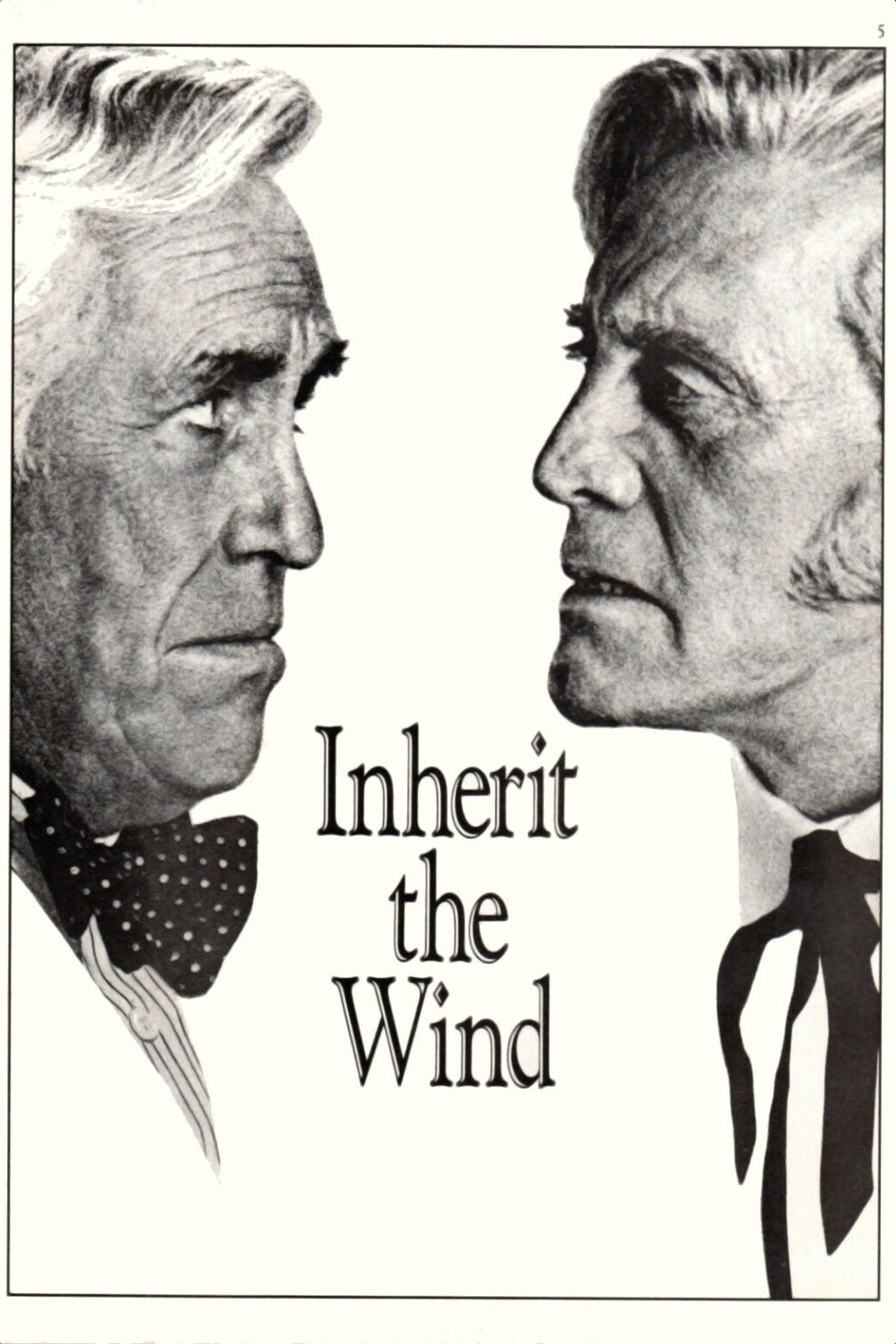
Every time I watch this film, Kramer’s direction stands out to me for its sense of scale. The intimacy of the overcrowded courtroom—thick with humidity, sweat, and anticipation—felt almost claustrophobic. It’s not just physical; it’s ideological. I was particularly struck by the way Kramer frames the attorneys: Spencer Tracy’s Henry Drummond, defending the evolutionist, is often isolated in close-ups, which emphasizes his lonely position against the town, while Fredric March as Matthew Harrison Brady basks in wide, communal shots, bathed in the approval of the crowd. I love how these choices build the sense of one man versus the world, versus the crowd—a classic conflict that never loses its intensity.
For me, there’s an unforgettable electricity generated by the lead actors. Spencer Tracy’s performance is a lesson in emotional restraint and moral steel; he’s never bombastic, always deliberate. I’m moved by the complex empathy he brings—a man acutely aware of the stakes not just for his client but for society at large. On the other side, Fredric March gives Brady a tragic dignity, refusing to turn him into a caricature even as he stands firmly on the “wrong” side of history. Their verbal jousting—marked by flashes of wit and exasperation—remains, for me, among the most invigorating courtroom exchanges I’ve witnessed in cinema.
I’m equally fascinated by Stanley Kramer’s penchant for using lighting and cinematography to evoke mood. The use of shadow and light in the courtroom becomes a visual metaphor for the clash between enlightenment and ignorance, a touch that’s neither heavy-handed nor self-congratulatory. I noticed how shadows grow longer as debates deepen, underscoring the growing complexity of the issues at hand. The sharp, black-and-white contrasts often mirror the ideological divides within the community, yet there are quieter moments—the glow of a lamplight late at night, or sunlight streaming through a window—that suggest hope and the possibility of change.
What captivated me most, though, wasn’t simply the intellectual debate or the technical prowess. This film is ultimately about courage: the courage to challenge accepted truths, the bravery of vulnerability, the risk inherent in standing alone. There’s a personal cost to every major decision. I found myself reflecting on the ways fear and faith shape the tenor of our national conversations—an issue that’s only grown more urgent since 1960. Even though legal precedents have shifted, the cultural battles over science, belief, and freedom continue to echo in schools and courtrooms across the world. Watching Inherit the Wind, I found myself wrestling anew with how I define my own beliefs—and how I defend, or challenge, those of others.
My Thoughts on the Cultural Impact & Legacy
I often return to Inherit the Wind not just for its courtroom drama, but because I see it as a bold, defiant call to action—a cinematic warning not to let society’s fear of uncomfortable ideas curtail curiosity or debate. Experiencing it as a curator and critic, I appreciate how Kramer deftly uses the power of cinema to ignite dialogue that outlasts the rolling credits.
For me, what’s remarkable is how the film’s philosophical core remains so urgently relevant. I’ve watched the way it’s become a touchstone for later films grappling with similar tensions—whether it’s legal dramas about moral uncertainty or movies addressing the price of dissent. I believe Inherit the Wind carved out a new space for social commentary within mainstream American film; its willingness to “go there” before it was fashionable made it a trailblazer. Kramer doesn’t sugarcoat: he interrogates, sometimes provokes, but never retreats.
When I think about its enduring resonance, I’m most stirred by the empathy the film cultivates. It’s all too easy to paint those who disagree with us as mere antagonists, yet Kramer insists upon the dignity—and frailty—of every character. That’s a lesson I wish more cultural conversations would internalize. And even now, decades later, I still find its message personally invigorating: defending the freedom to think and question isn’t just an abstract virtue, it’s a lived necessity for progress.
What I value most, as someone steeped in both film history and cultural curation, is how this film continues to shape the genre. Its DNA is visible in the works of later filmmakers—whether in the patient legal jousting of “A Few Good Men,” the ideological struggles of “The Verdict,” or the impassioned journalism of “Spotlight.” Each owes a debt to the way Inherit the Wind blazed a path for films that are intellectually rigorous while fiercely human.
Fascinating Behind-the-Scenes Facts
Diving into the film’s production history, I was drawn to several behind-the-scenes stories that shine new light on why the final result feels so momentous.
First, the casting of Spencer Tracy nearly didn’t happen. Tracy was deeply hesitant about playing another crusading lawyer so soon after his turn in “Judgment at Nuremberg.” It reportedly took personal appeals from director Kramer and even a share of the film’s profits to persuade him. Watching the film, I’m grateful Tracy relented—his performance as Drummond is as layered and satisfying as any in his career.
Second, the film’s location shoot in the sweltering summer heat posed technical and emotional challenges. The producers aimed for visual authenticity, and that meant plenty of long, uncomfortable days for both cast and crew in real Southern locales. Several actors later reflected on the sense of genuine agitation this heat induced, which I think added to the friction and sweaty authenticity—every bead of perspiration felt genuine to me.
Third, the decision to shoot in black-and-white was a conscious artistic gamble. At a moment when studios were loudly trumpeting the glories of color, Kramer bucked the trend with reasoning that impressed me: he believed the stark contrasts of monochrome lent the trial scenes a kind of timeless gravity, emphasizing the divide between dogma and enlightenment. Looking back, I can’t imagine the film working as powerfully in color; the absence of visual excess focuses all our attention on words, faces, and ideological stakes.
What continued to fascinate me was hearing that Kramer would often keep the camera running between takes to capture unscripted reactions, lending key scenes a spontaneity I always found honest and immediate.
Why You Should Watch It
- The film’s exploration of free thought versus established tradition is as essential in today’s polarized climate as it was in 1960.
- The performances by Spencer Tracy and Fredric March set a standard for courtroom drama, offering emotionally resonant lessons on empathy and conviction.
- The film’s visual style, narrative bravado, and willingness to dig into the messiness of belief make it both timeless and endlessly re-watchable.
Review Conclusion
I’m continually floored by how Inherit the Wind continues to challenge and inspire me, expertly balancing historical context with personal urgency. As a lover of social drama, what I find most compelling is its refusal to offer easy answers. The measured direction, bold themes, and magnetic performances from Tracy and March ensure that the film never slips into didacticism or melodrama. Instead, it remains an enduring reminder that the battles over ideas, curiosity, and conviction aren’t relics—they’re still very much alive, pulsing through every generation.
On my scale, this powerhouse of a film still earns a resounding 4.5 out of 5 stars. It’s an absolute must-see for anyone who cares about the tensions that drive culture forward—and those who relish cinema that refuses to play it safe.
Related Reviews
- “12 Angry Men” (1957) – I often recommend this to fans of Inherit the Wind for its gripping, dialogue-driven focus on justice, prejudice, and moral bravery. Like Kramer’s work, it traps its characters in a pressure-cooker environment and demands that viewers grapple with competing truths.
- “A Man for All Seasons” (1966) – This film resonates with me due to its focus on integrity and conscience under political and religious scrutiny. It, too, dramatizes the individual’s struggle against the machinery of orthodoxy, making it a spiritual sibling to Inherit the Wind.
- “Judgment at Nuremberg” (1961) – Another Stanley Kramer legal drama, this time confronting the aftermath of World War II. For anyone compelled by the exploration of law, morality, and civil courage, the thematic overlap is undeniable. Plus, Tracy’s presence gives it a familiar gravitas.
For readers looking to go deeper, these perspectives may help place the film in a broader context.
🎬 Check out today's best-selling movies on Amazon!
View Deals on Amazon