
Plot Summary
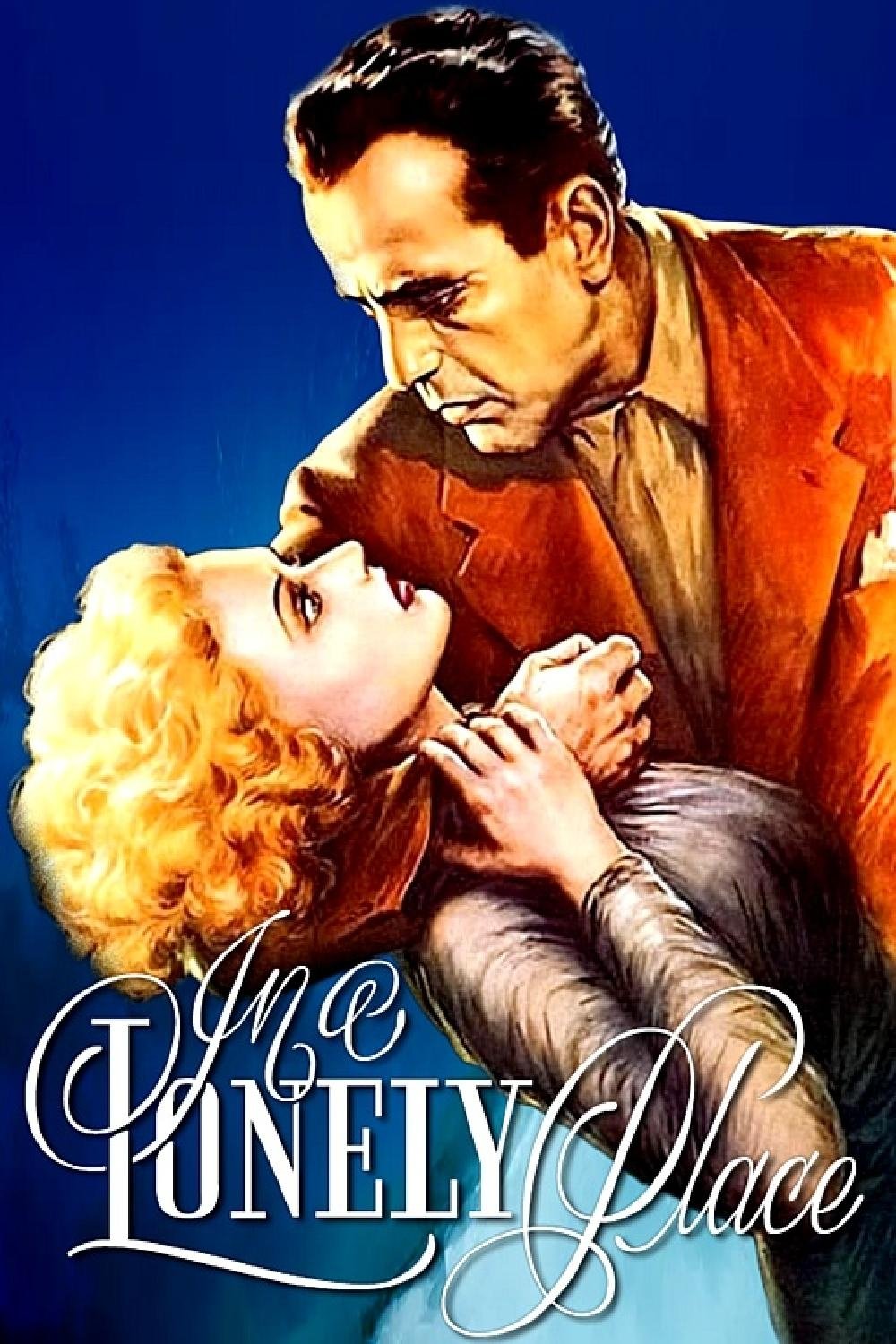
From the opening frames of “In a Lonely Place,” I found myself pulled into the swirling uncertainty and tension that only Nicholas Ray could conjure within such a restrained space. This 1950 psychological noir drapes Los Angeles in looming shadows, betraying the sense of sunlit safety often attributed to Hollywood. Following Dixon Steele (Humphrey Bogart), a troubled and volatile screenwriter, I was constantly shifting my allegiances and suspicions. Dixon becomes embroiled in a murder investigation—not as part of a clever genre twist, but because the darkness in his character makes him genuinely plausible as a suspect.
The film establishes its unease early as Dixon, embittered by his floundering career, is asked to adapt a novel he’s never read. He invites a young woman, Mildred Atkinson, to his apartment for a plot rundown, a seemingly innocuous encounter that ultimately catalyzes the film’s crisis. The next morning, she is found murdered, and Dixon, last seen with her, immediately falls under the lens of suspicion. His neighbor Laurel Gray (Gloria Grahame) becomes a crucial figure—offering both an alibi and a spark of tumultuous romance. As the story unfolds, I found myself caught in the tightening net of distrust, as the line between love, protection, and paranoia blurred.
If you want to avoid major spoilers, steer clear from here. Ray’s narrative is less about the whodunnit and far more about watching two people try to salvage hope and trust amid their own capacities for self-destruction. The film, to me, is always teetering on the edge—never letting the audience settle into moral certainty.
Key Themes & Analysis
What gripped me most about “In a Lonely Place” is its uncompromising dissection of isolation, trust, and the fragility of human connection. This isn’t a detective story that hinges on clever plot mechanics—it’s a study of what happens when two deeply wounded people struggle to break free from the emotional prison cells they’ve built. The title holds more than one meaning: the literal loneliness of the central characters and the spiritual desolation of post-war America.
The way Nicholas Ray composes each frame only heightens this tension. The cinematography, with its heavy use of shadow and stark lighting, mirrors the conflict within Dixon. There are moments where I felt suffocated by the close interiors, amplifying the sense that even in the vastness of Los Angeles, the characters cannot escape themselves. Every shot is saturated in unease, using noir conventions not just for mood, but as a visual language for psychological turmoil.
Humphrey Bogart’s performance lingers with me more than most in his career. Bogart is renowned for playing antiheroes, but here, he is raw, unpredictable—even frightening. His charm becomes another weapon, deployed as much against himself as others. Gloria Grahame, for her part, does something remarkable. Her Laurel Gray isn’t a mere femme fatale; she’s complex, vulnerable, and desperate to believe in Dixon even as she notices her own doubt growing. Their chemistry is volatile, and each exchange crackles with subtext—every loving caress shadowed by dread.
I was especially fascinated by how the film places domestic violence and toxic masculinity at its core long before these topics dominated cultural conversation. Dixon alternates between tenderness and explosive anger, and each act leaves its mark on those around him. The narrative repeatedly questions whether love can redeem a person so deeply scarred—or whether it is merely another opportunity for harm. This ambiguity made me rethink noir’s boundaries, extending far beyond detectives and femme fatales into truly modern psychological territory.
Beyond the technicalities, I felt a deep sense of empathy for characters striving for connection in a world that seems engineered for misunderstanding. The script is sharp, poetic, and at times deeply cynical—each piece of dialogue reverberating with the devastation of postwar emotional fallout. For me, this is less a murder mystery and more a tragedy about what happens when hope runs up against the inescapable ghosts of one’s own past.
My Thoughts on the Cultural Impact & Legacy
The first time I encountered “In a Lonely Place,” I was stunned by how much of its DNA I recognized in later films about tortured artists, damaged relationships, and ambiguous morality. There’s an honesty here—something that still feels raw and exposed, resisting tidy resolution. What resonates with me today is how unflinchingly Ray and his cast depict emotional violence—how suffering can reverberate through every attempted act of intimacy. This is not simply a relic of classic Hollywood; it feels startlingly contemporary, its darkness echoing in the emotional labyrinths of films from “Chinatown” to “Lost in Translation.”
As someone who curates film history for a living, I’ve often held up “In a Lonely Place” as a turning point for noir. The genre usually flirts with fatalism, but here, it burrows into the very heart of insecurity and vulnerability. Ray essentially paved the way for a more introspective, character-driven noir that would surface in the American new wave decades later. Watching it, I can’t help but think about how many antiheroes of the modern era—from Michael Mann’s damaged men to the soul-scarred leads in HBO dramas—owe their lineage to Bogart’s Dixon Steele.
I’m also struck by the film’s legacy of turning the glamour and myth of Hollywood inside out. It challenges the audience to look past the surface, to ask whether art can ever really save the artist, or whether the act of creation is another lonely terrain altogether. The fact that this film foreshadows so many subsequent explorations of toxic relationships and creative alienation gives it enduring relevance. For me, it represents a rare kind of cinematic courage—a willingness to expose the open wounds beneath the cool surface.
Fascinating Behind-the-Scenes Facts
Delving into the backstory of “In a Lonely Place,” I’ve discovered a handful of production tales that genuinely enrich my appreciation of its achievement. The casting, for one, took a fascinating turn. Originally, the role of Laurel was meant for Ginger Rogers, but Nicholas Ray insisted on casting his then-wife, Gloria Grahame—an inspired but tense decision that bled into the film’s palpable anxiety. The couple’s marriage was crumbling during production, leading to a unique legal contract stipulating that Ray would direct Grahame professionally without any interference or inappropriate behavior at home—a chilling reflection of the on-screen relationship.
Technical hurdles also played a role. Ray often opted for a naturalistic, almost documentary-like approach to lighting and blocking, eschewing elaborate sets for real Hollywood locations. He insisted on capturing the city’s unease, even filming late-night sequences in authentic, shadowy streets to lend credibility to the atmosphere of suspicion. This approach demanded exceptional patience from cast and crew, but it lends the final film an authenticity that I feel vibrates in every frame.
Finally, I find it particularly fascinating that the script underwent significant changes from the source material. In Dorothy B. Hughes’ original novel, Dixon is unambiguously guilty—a full-fledged sociopath. Nicholas Ray and screenwriter Andrew Solt made a deliberate choice to suggest ambiguity instead, inviting the audience’s sympathy and doubt rather than condemning their protagonist outright. This creative pivot gave the film its unique philosophical weight, elevating it from a simple noir to a meditation on the perilous search for redemption.
Why You Should Watch It
- The psychological depth and moral ambiguity are rare even in classic noir—there’s no simple “good” or “evil” here, just people struggling to connect.
- Bogart and Grahame’s performances are unfiltered and deeply affecting, breaking away from their archetypal screen personas for something achingly real.
- Ray’s singular directorial touch offers an unsettling portrait of Hollywood’s dark underbelly, all wrapped in stunning black-and-white photography.
Review Conclusion
Every time I revisit “In a Lonely Place,” I come away shaken by its refusal to resolve its own tensions. This is a noir that stands the test of time not because of its murder plot, but because it sees the biggest mysteries as internal—etched on the faces of people who cannot outrun their fears. Between Bogart’s haunted bravado, Grahame’s trepidatious devotion, and Ray’s unsparing directorial eye, the film crafts a psychological labyrinth I never tire of exploring. For anyone seeking a noir that questions as much as it thrills, my personal rating is 5/5 stars.
Related Reviews
- Sunset Boulevard (1950) – Like “In a Lonely Place,” this film interrogates Hollywood’s dreamscape and inner darkness, focusing on isolation and delusion among the industry’s outcasts.
- Chinatown (1974) – Roman Polanski’s neo-noir masterpiece echoes Ray’s atmosphere of moral decay and personal alienation, blending genre with sharp social commentary and ambiguity.
- The Conversation (1974) – Francis Ford Coppola’s intense character study, much like Ray’s film, positions paranoia and emotional isolation within a tense thriller structure, featuring haunting performances.
- Leave Her to Heaven (1945) – Another psychological noir, this film subverts classic genre expectations by focusing on obsessive love, featuring lush cinematography and emotional volatility.
For readers looking to go deeper, these perspectives may help place the film in a broader context.
🎬 Check out today's best-selling movies on Amazon!
View Deals on Amazon