
Plot Summary
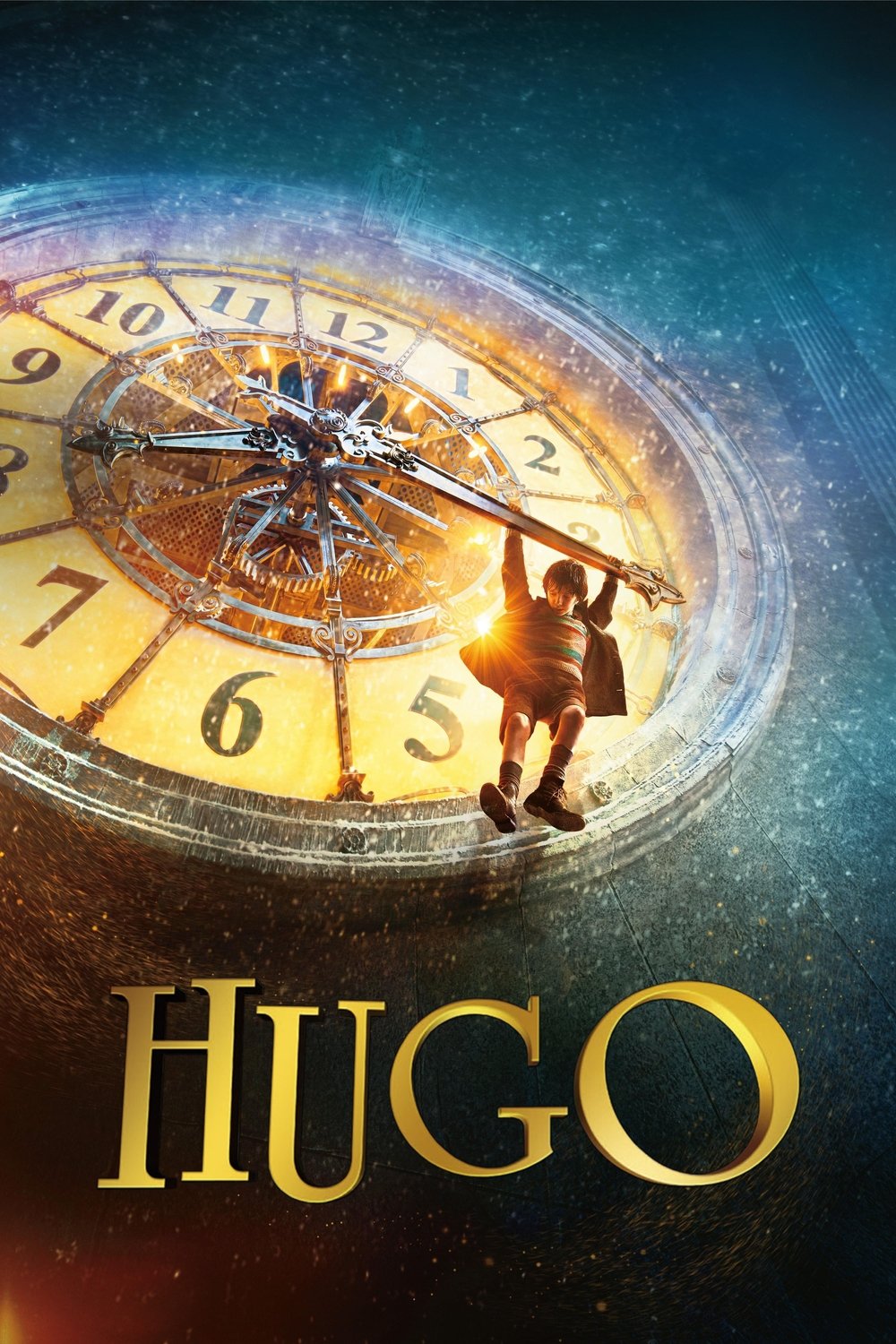
It’s rare that a film transports me so immediately, but within the first ten minutes of Martin Scorsese’s “Hugo,” I was utterly drawn into its enchanting world of clockwork mysteries and Parisian wonder. I remember being captivated by the labyrinthine setting: a 1930s Paris railway station, alive with steam, echoes, and ceaseless motion. As the young protagonist Hugo Cabret scurried through secret passages and winding gears, I felt like I was sharing his secret vantage point on the world. His story—an orphan living in the station’s walls and tending its clocks—pulled me in without needing to spell out every detail. For those new to the film, I promise to skirt major spoilers, but it’s worth knowing that the real heart of “Hugo” lies in his pursuit of a broken automaton, a mysterious notebook, and the shadowed figure of Georges Méliès, the old toy shop owner who seems haunted by forgotten memories.
As I watched Hugo unravel the puzzle left behind by his late father, I saw the film gracefully balancing adventure, history, and the kind of longing only true dreamers can appreciate. The narrative offered a web of secrets to piece together, but at its core, what *affected me most* was its affectionate ode to curiosity and perseverance. The way Scorsese built suspense through small details—the winding of a clock, a lost key, the slight movement of gears—made every discovery, every connection, infinitely more satisfying. Even as the plot unfurled, I found myself pulled into the emotional world beneath the action, especially as the destinies of Hugo and Méliès began to entwine.
Key Themes & Analysis
What struck me most about “Hugo” wasn’t just its visual splendor (though I’d be remiss not to highlight how visually sumptuous the film is—every frame is soaked in golden light and intricate shadow), but its bold exploration of memory, loss, and the redemptive power of cinema itself. I was constantly reminded that this movie isn’t simply a children’s fable; it is, in many ways, a manifesto for artists and creators everywhere.
I found the central motif—the automaton Hugo’s father tried to repair before his untimely death—deeply symbolic. Watching Hugo pour his entire soul into fixing the mysterious machine, I saw reflections of anyone who’s tried to restore their own sense of purpose from broken pieces. The automaton becomes more than a mechanical puzzle; for me, it represented the universality of longing for meaning, and finding beauty in fixing what the world overlooks.
Martin Scorsese directing a family film was, initially, a surprise to me. However, after experiencing his approach to “Hugo,” it feels like the most logical project he could have chosen. No other director, in my opinion, could have delivered such an exuberant and deeply personal celebration of cinema’s history and magic. The way Scorsese wove the real-life story of Georges Méliès—a true pioneer of film—into Hugo’s journey, created a dual narrative that pulsated with reverence for the past while speaking directly to today’s storytellers. Every set piece, from the bustling train platforms to the whimsical, fantastical flashbacks to early cinema, drew me closer to the roots of the medium I love.
The acting grounded these magic-realist flourishes. Asa Butterfield’s performance as Hugo struck me as especially nuanced. He blends wide-eyed wonder with a quiet grief, drawing me in and making his quest register as both perilous and personal. Chloe Grace Moretz, as Isabelle, glimmered with that sense of possibility that kids dream up when they’re on the brink of adventure. But it was Ben Kingsley’s portrayal of Georges Méliès that lingered with me long after the credits. I found his performance—not just melancholy but imbued with a sense of creative heartbreak—to perfectly encapsulate the pain and transcendence of forgotten artists.
On a technical level, I have rarely witnessed such a loving marriage of modern technology and old-fashioned craft. The cinematography by Robert Richardson dazzled me, using 3D not as a gimmick but to immerse the audience so viscerally in Hugo’s world. I recall how the wheels, clocks, and staircases seemed to extend past the screen. These choices underscored Scorsese’s belief that the tools of today can honor the achievements of the past. For me, every scene, every camera move, is a testament to the immersive power of thoughtful filmmaking.
My Thoughts on the Cultural Impact & Legacy
Whenever I think of “Hugo,” I see it not only as a personal gem but as a vital turning point in how family films can honor film history. As a curator and critic, I’m endlessly grateful for how “Hugo” challenges audiences—young and old—to see cinema as a living art form, not a relic. The way Scorsese embedded pieces of real film history, from the recreation of hand-painted silent films to Méliès’s glass studios, completely redefined my expectations for what “family-friendly” storytelling could achieve. It was a >strong>revelation to see a movie ostensibly made for children treat its audience with such intelligence and reverence for legacy.
What “Hugo” means to me personally is hard to overstate. The film gave new urgency to my role as a promoter of classic works, showing that old artistry can be introduced to new generations only if we make the act of remembering as exciting as discovery itself. In shaping how audiences see the birth of cinema, “Hugo”—and Scorsese through it—has played a huge part in popularizing film preservation efforts and rekindling interest in the silent era. And as someone with a deep passion for the medium’s history, I was genuinely moved by how the movie repositions forgotten pioneers like Méliès as foundational, deserving to be rediscovered and celebrated.
The cultural resonance of “Hugo” extends beyond its story. I see its legacy every time a young viewer asks about early film techniques or when cinephiles seek out Méliès’s shorts. The film’s call to “fix the broken pieces” echoes in many restoration projects and in how I approach every recommendation: invite curiosity, honor the past, and tell these stories with genuine wonder.
Fascinating Behind-the-Scenes Facts
The production of “Hugo” itself feels almost as magical as the story onscreen. What always floors me is the amount of technical ambition involved. For instance, I learned that Scorsese shot the film in native 3D, not out of trend-chasing but as his heartfelt tribute to the wonders of early cinema’s technological advances. His belief was that the immersive, tactile sense of space—especially within the intricate, labyrinthine train station—could only be captured by using the best tools available. I have enormous respect for this directorial choice: it leaves audiences physically drawn into Hugo’s discoveries, shifting the passive viewing experience into something much more adventurous.
On the casting front, it was fascinating to discover that Ben Kingsley not only learned magic tricks for his portrayal of Méliès, but also worked with film historians to shape his performance, ensuring a rare authenticity. I find it telling that Kingsley credited Méliès himself as his inspiration, which allowed him to deliver a performance at once theatrical and deeply humane. The result speaks for itself—his scenes convey both showmanship and poignant loss.
Another behind-the-scenes detail that always stays with me is the painstaking construction of the Paris train station set. Rather than relying solely on green screens, the filmmakers built an enormous 360-degree set at Shepperton Studios, recreating everything from the grand concourses to the intricate clockwork interiors. For me, this was a testament to Scorsese’s belief in blending practical effects with technological innovation, channeling the film’s own themes of craftsmanship and preservation.
Why You Should Watch It
- Exquisite Visual Storytelling: I was blown away by the seamless marriage of digital and practical filmmaking—a masterclass in how style can serve substance.
- A Moving Tribute to Cinema’s Roots: For anyone with even a passing interest in film history, “Hugo” offers a heartfelt, accessible introduction to silent-era artistry.
- Performances That Resonate: I found the cast—especially Ben Kingsley and Asa Butterfield—breathed such emotional life into their roles that their struggles and triumphs became unforgettable.
Review Conclusion
Every time I revisit “Hugo,” I’m reminded of how much it means to see a modern filmmaker engage so directly with the joys and pains of creative legacy. I believe Scorsese’s film achieves what few family movies dare: it asks us to rediscover the wonder in forgotten places. Its technical sophistication, layered performances, and loving reverence for cinema’s roots make it, for me, a singular achievement. While not every moment lands with the same force, the film’s cumulative effect—its invitation to see the world through the eyes of a curious orphan and a broken artist—inspires me every time. “Hugo” earns my highest recommendation as a film both for dreamers and the ones who keep the magic alive. Rating: 4.5/5 stars.
Related Reviews
- The Artist (2011): As I reflected on “Hugo’s” passion for silent cinema, “The Artist” immediately came to mind. This black-and-white homage to the silent era offers a similarly evocative portrait of Hollywood’s early days. I recommend it to anyone moved by “Hugo’s” celebration of lost artistry and the transformative power of film.
- Pan’s Labyrinth (2006): I find Guillermo del Toro’s dark fantasy a perfect companion for viewers drawn to “Hugo’s” magical realism and exploration of childhood in a time of upheaval. Both films invite us to rediscover innocence and hope amid hardship, framed by lush, cinematic worlds.
- Midnight in Paris (2011): For those as entranced by “Hugo’s” romantic vision of historical Paris as I am, “Midnight in Paris” is essential. It plays with nostalgia, artistic longing, and the idea of meeting one’s heroes, much like Scorsese’s film.
For readers looking to go deeper, these perspectives may help place the film in a broader context.
🎬 Check out today's best-selling movies on Amazon!
View Deals on Amazon