
Plot Summary
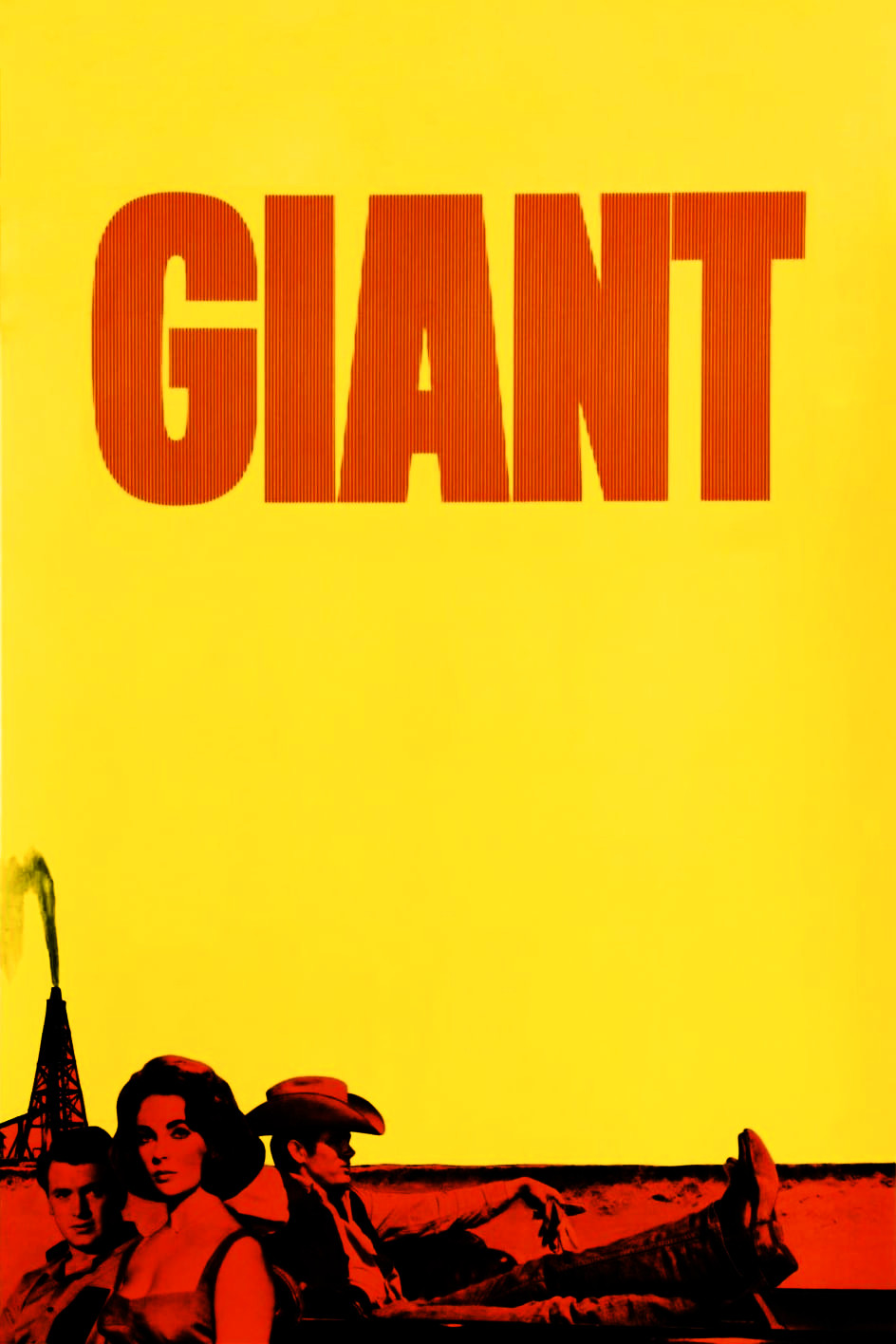
I remember sitting down to watch “Giant” for the first time with almost a sense of awe—knowing I was about to experience three-plus hours that promised to sweep me across decades, landscapes, and seismic social change. I quickly found myself drawn into the saga of the Benedict family, their sprawling Texas ranch, and the stubborn heartbeat of their lives set against the oil boom. The story begins as Jordan “Bick” Benedict Jr., a cattle baron whose pride is only rivaled by his wealth, meets and marries the fiercely independent Leslie Lynnton. Watching their relationship evolve felt like watching Texas itself transform—unyielding and yet, in unexpected moments, deeply tender. There’s a third figure who instantly made an impression on me: Jett Rink, a ranch hand whose hunger for fortune and respect makes him forever an outsider.
As I traced their lives over decades—moving between lavish ranch house rooms, rough oil fields, and windswept plains—I was struck by how the film made time feel palpable. The narrative does not shy away from the complexities of generational conflict, shifting gender roles, and most notably, racial prejudice simmering beneath the surface of affluence and tradition. Although the main milestones of their family life unfold on an operatic scale, each scene is rich with subtle gestures—glances exchanged at dinner tables, the weight of unspoken resentment, and dreams deferred.
Without delving into detailed spoilers, I’ll just say that the trajectory of the Benedict family is irrevocably altered by personal ambition, social upheaval, and the arrival of oil on their land. The story’s scope, spanning love, rivalry, and legacy, is so grand that it never lets you forget the individual struggles that shape its characters. At every turn, I sensed the director’s—George Stevens—commitment to painting both the beauty and the contradictions of Texas in transition.
Key Themes & Analysis
What has always made “Giant” unforgettable for me is how it tackles the intersection of personal destiny and historical transformation with a sweeping yet intimate gaze. I find Stevens’ direction to be masterful in how he never loses sight of the intimate realities tucked inside his epic canvas. The most resonant theme, by far, is the tension between old money ranching and the disruptive promise (and poison) of oil wealth.
The theme of social hierarchy and embedded racism left a lasting impact on me. Instead of shying away from how Mexican-Americans are treated by the white ruling class, the film asks difficult questions through Leslie’s growing empathy and defiance. I am always intrigued by her insistence on recognizing the dignity of those around her, especially in scenes where her attempts to challenge status quo come with their own costs. The film’s social commentary feels hauntingly prescient—an indictment of privilege wrapped in the warmth of melodrama.
As a viewer and someone who analyzes cinema regularly, I couldn’t help but notice the evolution of the gender dynamic between Bick and Leslie. Watching her assert her intellect and challenge her husband’s worldview, especially given the film’s 1956 release, made me reflect on how progressive her characterization felt. She serves both as a love interest and as a force for change—something that is never treated as easy or bloodless.
And then there’s Jett Rink, perhaps the most tragic character in the story, played with searing intensity by James Dean. His journey from marginalized ranch hand to embittered magnate is, for me, one of the most compelling studies of ambition and alienation in all classic Hollywood cinema. Jett’s rise mirrors the oil-fueled transformation of the American West—ugly, triumphant, and ultimately lonely. Every time I watch his scenes, I am struck by the palpable sense of yearning just beneath his bravado, and how much of that loneliness lingers long after the credits roll.
Cinematography stood out for me as another reason this film has such weight. The way William C. Mellor captures the barren Texas landscape—vast skies, endless dusk, and the smallness of people in the face of nature—reminds me that even the grandest ambitions are dwarfed by the land itself. Every wide shot adds a mythic quality to otherwise intimate drama, making personal disputes feel elemental.
Performance-wise, I have to emphasize just how extraordinary the three leads are. Elizabeth Taylor’s nuanced portrayal of Leslie is both elegant and deeply emotive, while Rock Hudson finds a delicate balance between pride and vulnerability as Bick. James Dean, in what would tragically be his final role, brings a rawness and desperation to Jett that I honestly still haven’t seen matched by any contemporary actor in similar roles. Their chemistry, conflicts, and moments of reconciliation feel as physical and real as the changing landscape around them.
Finally, the pacing may seem leisurely to viewers accustomed to today’s quick cuts, but I actually relish the film’s patience. It lets emotions ferment and gives the characters room to breathe—making the climactic confrontations all the more powerful. Every time the narrative lingers on a seemingly mundane detail—a family dinner, a glance at a newborn, a storm rolling in—I felt the weight of history pressing in from all sides.
My Thoughts on the Cultural Impact & Legacy
Whenever I revisit “Giant,” I do so not just as a lover of classic cinema, but as someone who genuinely believes the film changed the way American movies approached grand-scale storytelling. There’s something deeply exhilarating in how Stevens risks sprawling length and emotional density to address the mythos of Texas and, by extension, the United States itself. For me, the film’s enduring relevance comes from its willingness to interrogate American identity—not as a monolith, but as a shifting, often uneasy balance of power, race, and progress.
Giant’s legacy can’t be overstated, especially when I reflect on how it helped shape the “American epic” genre. Later films about dynasties, class mobility, and intergenerational conflict borrow liberally from its blueprint. But what’s even more meaningful to me is how “Giant” foregrounds issues of race and social justice at a time when most mainstream films skirted them entirely. Many of its scenes—from dinner table debates to moments of protest—feel eerily contemporary. I see its echoes in everything from “There Will Be Blood” to “Dallas” and even some aspects of contemporary prestige television dramas.
Personally, the film has become a touchstone for how I view stories about identity. Rarely do I encounter an old Hollywood film that so fearlessly interrogates the gap between the ideals of the American Dream and its reality. I keep returning to Leslie’s journey because she refuses to accept easy answers—and neither does the film. If anything, its moral courage and refusal to let its heroes off the hook set a precedent for the type of cinema I seek out and champion. The way “Giant” looks at legacy—how power is handed down, questioned, and sometimes shattered—still resonates with me every time I revisit its windswept homestead.
Beyond these grand ideas, there’s something deeply personal in how “Giant” balances scale with sensitivity. It’s that attention to both the epic and the intimate that shaped my understanding of what truly great films can achieve—a legacy that continues to inform my own work as a curator and critic today.
Fascinating Behind-the-Scenes Facts
Every time I read about “Giant’s” production, I find myself swept up in the sheer scale and ambition that went into making it. One of the most extraordinary stories for me involves James Dean’s approach to his final role. Dean was so committed to authenticity that he actually lived on location in Marfa, Texas, and even adopted some of Jett Rink’s mannerisms off-camera. It’s haunting to realize that this was the last time we’d see him on screen, and that drive for total immersion is present in every anguished gesture.
Another behind-the-scenes detail I find fascinating is the logistical complexity of filming over such an extended timeline—both in the narrative and in real life. To convincingly age the principal actors by decades, the makeup department pioneered special techniques and prosthetics that became industry standards. Watching Hudson, Taylor, and Dean believably transform before my eyes is a testament to both the artistry and technical grit that brought the story to life.
And then there’s the landscape itself—a character in its own right. The filmmakers constructed an entire mock-up of the Benedict mansion, which was planted in the middle of the arid West Texas plains. The image of that house jutting up out of the earth is so iconic that locals in Marfa have protected remnants of the site for generations. Visiting Marfa years later, I understood firsthand why the choice of location was so crucial: nothing else could have given the film its mythic scale and authenticity.
Why You Should Watch It
- An uncompromising exploration of race, class, and change in the American West brings topics to light that are often overlooked in Hollywood epics.
- The performances by Elizabeth Taylor, Rock Hudson, and James Dean are masterclasses in character transformation and emotional depth.
- Cinematic ambition—both visually and narratively—makes “Giant” an essential experience for anyone interested in film history or American culture.
Review Conclusion
Each time I revisit “Giant,” I am reminded of what drew me to cinema: the thrill of watching art and ambition collide. This is a film that refuses to shrink from complexity—whether that means lingering on the flaws of its heroes or refusing to offer neat resolutions. With breathtaking landscapes, astonishing performances, and a willingness to wrestle with America’s most fraught issues, “Giant” stands as both an unforgettable experience and a necessary reckoning. For me, it truly earns its place among the greats. I rate it 4.5 out of 5 stars.
Related Reviews
- Hud (1963) – I recommend “Hud” for its unflinching exploration of generational tension and moral ambiguity in the American southwest. Like “Giant,” it uses wide-open spaces and family drama to interrogate shifting social values, with a similarly moody atmosphere.
- There Will Be Blood (2007) – I see Paul Thomas Anderson’s oil epic as very much in conversation with “Giant.” Both films trace the corrosive power of ambition and greed against the backdrop of Texas industry, and the towering performances by Daniel Day-Lewis echo James Dean’s haunted intensity.
- East of Eden (1955) – With its James Dean performance and familial unrest, this earlier film captures much of the same emotional volatility and generational struggle as “Giant.” I particularly appreciate the way both films reveal their characters’ vulnerabilities without diminishing their power.
- Days of Heaven (1978) – Terrence Malick’s masterpiece shares “Giant’s” painterly approach to landscape and its focus on the intersection of love, class, and survival. I find the blend of romance and social commentary to be a perfect companion for viewers seeking depth and atmosphere.
- Duel in the Sun (1946) – If you’re drawn to the sweep, melodrama, and bold colors of “Giant,” this earlier epic about passion and prejudice in the American west is definitely worth considering. Its operatic tone and willingness to confront social issues make it thematically similar while offering a distinct directorial style.
For readers looking to go deeper, these perspectives may help place the film in a broader context.
🎬 Check out today's best-selling movies on Amazon!
View Deals on Amazon