
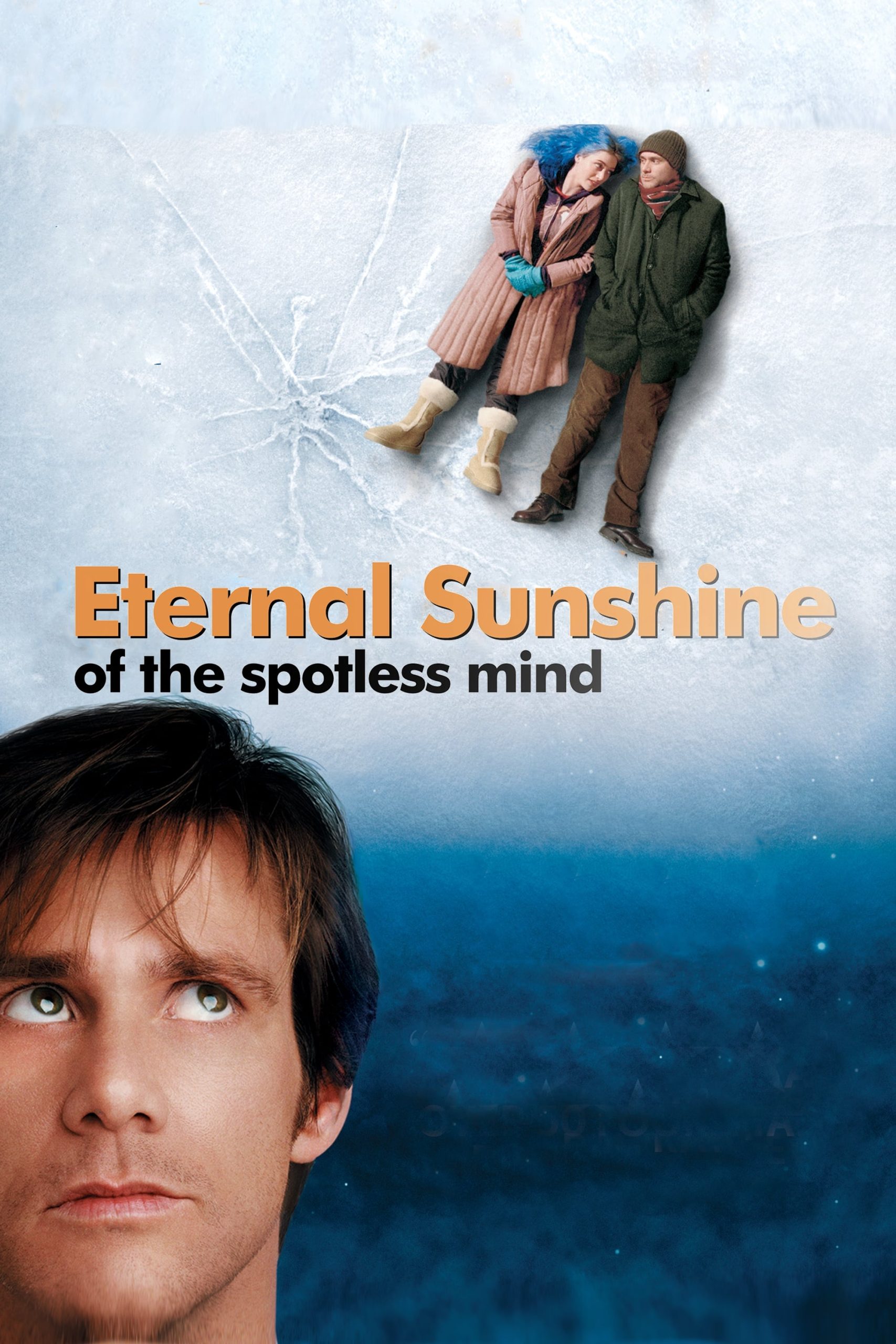
Plot Summary
The first time I watched this film, I remember being unsure if I was witnessing a love story, a tragedy, or a peculiar science fiction parable. I hesitate to spell out every narrative detail, because that would rob prospective viewers of those jaw-dropping revelations that made my own experience so affecting. Suffice it to say, the film explores how memory intertwines with heartbreak and hope, as an introverted man named Joel discovers that his ex-girlfriend Clementine has erased him from her mind, thanks to the services of a shadowy clinic. In an impulsive fit of pain and confusion, Joel decides to undergo the same procedure. What I found astonishing is how the movie drops me directly into Joel’s intimate, fragmented memories—the story loops around, ellipses and flashbacks blending in a way that mimics the nonlinear feeling of remembering itself. The rules are dreamlike, the tone oscillates between bitter humor and aching sincerity. I often tell new viewers that to fully appreciate the story, you should allow yourself to let go of conventional plot navigation and sink into the raw, emotional current. Be forewarned: past this point, I’ll be speaking a bit more openly about the story’s trajectory, so minor spoilers may be ahead as I dig deeper into my analysis.
Key Themes & Analysis
What struck me most while watching Eternal Sunshine of the Spotless Mind was the relentless vulnerability at its core. Director Michel Gondry, working from a script by Charlie Kaufman, crafts not just a narrative but a mosaic of feeling—a puzzle about love, loss, and whether we are doomed to repeat our past mistakes. The act of erasing memories, initially presented as a technological marvel, becomes an existential proposition. I found myself questioning whether painful memories are best forgotten or if, paradoxically, they give our lives depth and texture.
On the surface, this might seem like another quirky indie romance, but Gondry’s directorial choices elevate the material into the realm of the surreal. I was continually drawn to the way the film’s visuals—especially the dream sequences—fold reality in on itself. Scenes bleed into one another; familiar faces flicker and dissolve. Gondry employs practical effects over digital trickery whenever possible, using in-camera transitions, shifting sets, and inventive blocking to simulate the instability of memory. This gives the movie a tactile, handmade quality that I haven’t seen replicated elsewhere.
From an acting standpoint, what transfixes me is Jim Carrey’s astonishingly restrained performance. Known for his maniacal energy, Carrey here internalizes his anxiety as Joel, playing him as awkward, uncertain, and heartbreakingly human. Opposite him, Kate Winslet’s Clementine is the emotional engine of the film—her unpredictable, impulsive spirit bursts across the frame in every scene. The chemistry between the leads, paired with the aching silences and moments of desperation, feels uncomfortably real to me—especially as their dynamic is refracted through the chaotic lens of memory loss. Even the supporting cast, including Kirsten Dunst, Mark Ruffalo, Elijah Wood, and Tom Wilkinson, add layers of moral ambiguity and comic relief, making the entire world feel fully lived-in.
But beyond those obvious strengths, it’s the themes that resonate the longest with me. The movie interrogates the cost of escapism, the value of personal pain, and the circularity of love. As Joel and Clementine dart through their shared past, grasping at fading moments, the film refuses to provide easy answers. I left the viewing haunted by questions: If we could forget someone we loved, would we? Should we? Is it possible to truly start over, or are we prisoners of our emotional histories? Gondry and Kaufman deliver a story that I can’t shake—a cinematic poem about the ways we sabotage and save ourselves, sometimes simultaneously.
My Thoughts on the Cultural Impact & Legacy
What endures for me is how fundamentally this film redefined what a romantic drama could achieve. It set a new template for blending science fiction with raw human intimacy—opening doors for later films and series to tackle emotional pain in surreal, visually inventive ways. When people discuss “modern classics,” this title comes up repeatedly, and I firmly believe it deserves that status. I remember being awed not just by its narrative risks, but by its willingness to trust the audience’s intelligence. Unlike mainstream romances, it doesn’t spoon-feed reassurance or rely on archetypes. Instead, it dives head-first into uncertainty, awkwardness, and the bittersweet comfort of familiarity repeating itself.
To me as a curator, this film matters because it champions the complexity of adult relationships in a way that’s both intellectually adventurous and emotionally raw. I continually reference it as an example of how films can treat heartbreak and romance not as plot points, but as existential dilemmas. Its impact on indie cinema and the wider genre cannot be overstated; filmmakers who came after—think of “Her” or “Anomalisa”—took cues from its willingness to let memory and longing take center stage.
Personally, few movies have made me reflect so deeply on my own relationships—their patterns, their joys, their wounds. The questions it raises stay with me: Are we brave for loving again even if we know how things might end? Are the scars of heartbreak worth the wisdom they leave behind? Every rewatch feels like a new conversation with myself, and I know I’m not alone. The enduring popularity and cult following this film enjoys is a testament to its resonance—and its refusal to tie anything up in a neat bow.
Fascinating Behind-the-Scenes Facts
There are some production stories I find just as compelling as what appears on screen. For one, I was amazed to learn about Michel Gondry’s insistence on practical, in-camera effects. Instead of relying on digital manipulation, entire sets were often moved around Carrey while the camera kept rolling, so that memories would shift and collapse in real time. That explains the almost hallucinatory transitions in Joel’s mind—it wasn’t just clever editing, but physical craftsmanship in action.
I was equally intrigued by a casting story: Jim Carrey was Gondry’s only choice for Joel, despite studio concerns. At the time, Carrey was best known for his comedic roles, but Gondry saw something deeply melancholic in him. As filming progressed, Gondry reportedly encouraged the cast to improvise and break character boundaries, leading to moments of aching authenticity (including an infamous beach house scene where Carrey’s stumbling dialogue was left entirely unscripted).
Lastly, details about the film’s unusual shooting schedule fascinate me. Scenes were often filmed out of sequence, late at night, and in real locations during winter—meaning the actors sometimes genuinely shivered, stumbled, or lost their train of thought. This unpredictability was a method to keep everyone “off-balance” and generate genuine confusion and vulnerability on screen. I believe it’s why the performances feel so emotionally exposed.
Why You Should Watch It
- The film offers a one-of-a-kind experience in both storytelling and visual style, immersing you in the raw, chaotic interior world of memory like nothing I’ve ever seen.
- It dares to ask uncomfortable, honest questions about love and healing, challenging viewers to reflect on their own relationships and regrets.
- Actors like Jim Carrey and Kate Winslet deliver the most vulnerable, complex performances of their careers, giving the story a pulse and depth that lingers long after the credits.
Review Conclusion
By the time the story faded out, I felt simultaneously devastated and uplifted—convinced that, in its own way, this film understands the fragile, infuriating, miraculous nature of love better than any other. I return to it again and again, each time uncovering new emotional layers and technical wonders. If you’re searching for cinema that values honesty over fantasy, and if you welcome stories that leave some questions unresolved, this film is essential viewing. After weighing all its aching, beautiful complexity, I would rate it an enthusiastic 5/5.
Related Reviews
- Her (2013): The meditative tone and focus on memory, technology, and fragmented relationships remind me of why “Eternal Sunshine” strikes such a chord. Spike Jonze’s film similarly probes the interplay between loss, love, and technology in a visually hypnotic fashion.
- Synecdoche, New York (2008): Written and directed by Charlie Kaufman, this existential drama also deals with the unreliability of memory and the search for meaning in chaotic relationships. Both films demand emotional investment and reward repeat viewing.
- Lost in Translation (2003): For viewers craving melancholic, character-driven explorations of love’s uncertainties and fleeting connections, Sophia Coppola’s film offers a quieter yet equally resonant journey.
For readers looking to go deeper, these perspectives may help place the film in a broader context.
🎬 Check out today's best-selling movies on Amazon!
View Deals on Amazon