
Plot Summary
From the very first moments I spent in Monstropolis, I was drawn into a world both whimsical and surprisingly relatable. I couldn’t help smiling as I watched the city coming alive: a bustling place where monsters clock in at a power company and worry about rising utility costs just like we do. Monsters, Inc., directed by Pete Docter, instantly builds a universe where the mundane concerns of work blend seamlessly with the fantastical premise that monsters fuel their society by harvesting children’s screams. The heart of the narrative, for me, isn’t simply about two monsters trying to return a lost child to her home; it’s about discovering compassion where you least expect it and questioning long-held assumptions.
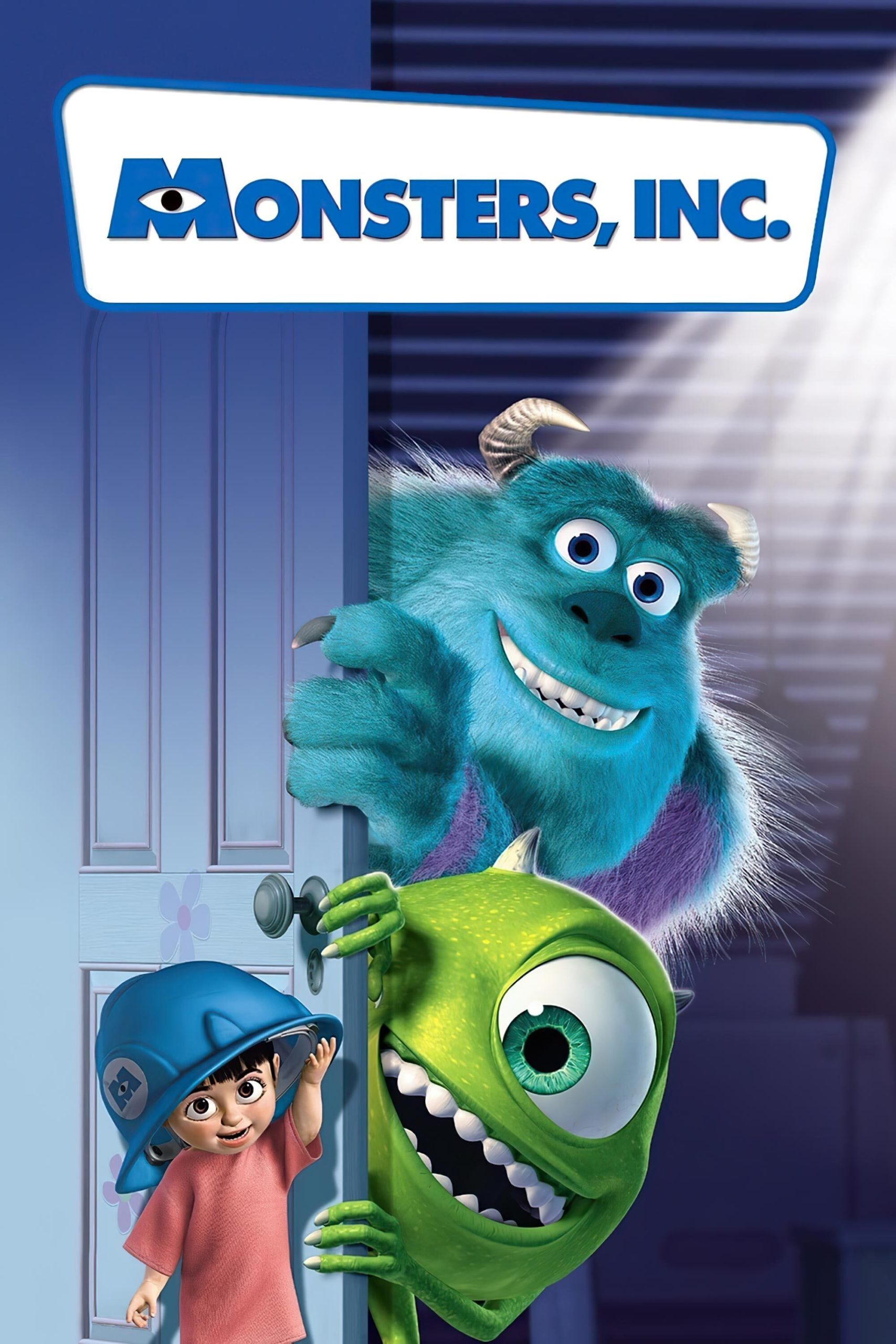
Without giving away the most pivotal twists, I can say the film follows Sulley and Mike, two coworkers and best friends at the scream-processing factory, as they encounter little “Boo”—the adorable human girl who accidentally crosses over into the monster realm. This moment disrupts everything, not just for Sulley and Mike, but for the services and systems of Monstropolis itself. Through their frantic attempts to return Boo before their world descends into chaos, I found myself invested in both the slapstick humor and anxiety-ridden suspense. The story progresses with layers of intrigue; rivalries at work, corporate cover-ups, and a genuine sense of danger—but, above all, a growing tenderness that I found touching. The emotional beats never feel out of place, landing with earnestness that’s rare in family animation.
Key Themes & Analysis
What always strikes me about Monsters, Inc. is its balance between cheerful absurdity and deep, often unspoken messages. On the surface, it’s a fable about monsters scaring children at night—but beneath, I see a complicated meditation on energy, fear, and empathy. The central conceit, that the city uses children’s screams as a power source, parallels real-world discussions about exploiting resources and the ethics behind industry. Watching Sulley and Mike come to question their entire system, I felt a resonance with the ways individuals are sometimes complicit in harmful institutions—until a personal experience forces a change of heart.
The film spends a great deal of time satirizing workplace culture. I found myself laughing at Randall Boggs’ devious office politics and Roz’s bureaucratic humor, while also reflecting on how easy it is for companies to lose sight of the people (or monsters) affected by their policies. Pete Docter’s direction stands out in how it maintains this fine line between parody and genuine character study; the film’s pacing is crisp, never lingering too long on a joke or a piece of exposition, yet it always gives its characters enough time to breathe and grow. The dynamic between Sulley (voiced by John Goodman) and Mike (Billy Crystal) is genuinely affecting—full of comic timing, but anchored in the reality of long-term friendship tested by extraordinary circumstances.
Visually, I’m always amazed by the film’s innovation. The use of CGI in creating fur texture, especially on Sulley, felt revolutionary when I first saw it, and it hasn’t lost its luster. I remember staring at the screen, marveling at each strand of animated fur moving independently, a technical achievement the Pixar team labored over. The animation isn’t just a technical showcase—it makes the characters feel alive and tactile, deepening my emotional investment. On a thematic level, the notion that “laughter is more powerful than fear” remains the movie’s clearest message to me. The transition from harvesting screams to harnessing laughter is both an optimistic vision and a pointed critique of how societies rely on negative emotions or scarcity when positive solutions may exist.
On the acting front, I think the film owes much of its enduring appeal to the voice cast. Goodman brings warmth and moral gravity to Sulley, making his character’s growth feel authentic and earned. Crystal’s Mike Wazowski is pure comic delight, his rapid-fire delivery a perfect counterpoint to Sulley’s earnestness. Mary Gibbs, who voices Boo, delivers a surprisingly naturalistic performance for such a young child. Each supporting player, whether it’s Steve Buscemi hamming it up as Randall or Jennifer Tilly as the charming Celia, brings Monstropolis to vibrant life. I’ve always admired how the film juggles this large, eccentric cast without losing its emotional thread.
My Thoughts on the Historical & Social Context
When I reflect on the early 2000s—the moment Monsters, Inc. debuted—I can’t escape the shadow of global anxieties looming just beneath the surface. The film was released a few months after September 11, 2001, when issues of fear, safety, and the unknown preoccupied much of American society. I believe the movie adapts to its times with a gentle hand, subtly questioning the culture of fear prevalent in both our real world and its fictional universe. Watching Sulley come face to face with Boo feels like an allegory for embracing the unfamiliar; the “other” becomes someone worthy of protection and understanding, not suspicion.
All these years later, the movie’s core critique—that power and prosperity built on the fear of the vulnerable leads nowhere fulfilling—rings truer to me than ever. I’m reminded of contemporary debates on sustainability and ethical responsibility: is it better to exploit what’s easiest, or to seek better, kinder solutions? The film never preaches, yet I see its story as a nudge toward kindness, empathy, and the bravery to challenge outdated systems. Its social commentary has only grown more relevant over time, especially in today’s world where institutions and individuals alike are reckoning with how their daily routines impact others.
Personally, I see Monsters, Inc. as a kind of morality tale for children and adults alike—a parable for questioning authority and reimagining what’s possible when compassion is prioritized. At the same time, it serves as an ambassador for the lighter side of fear, transforming what once haunted our childhoods into a vehicle for laughter and joy, which I find remarkable given the social anxieties circulating during the film’s release. I find that the movie’s sense of hope still matters to modern audiences, offering a message that transcends its genre trappings.
Fact Check: Behind the Scenes & Real History
Delving into the making of Monsters, Inc., I unearthed several nuggets that only increased my appreciation. First, the technical challenges faced by Pixar were immense. Achieving realistic fur for Sulley was a milestone—animators developed proprietary software to render and animate over 2.3 million individual hairs on Sulley’s body. This wasn’t just a visual upgrade; it allowed for nuanced expressions and movement that made Sulley relatable, proving how technical achievement can enhance storytelling on a profound level.
I also learned that Billy Crystal, who voices Mike Wazowski, was originally offered the role of Buzz Lightyear in Toy Story but turned it down—something he later admitted to regretting. When the opportunity for Monsters, Inc. came along, I read that he leapt at the chance, bringing his own humor and improvisation to Mike’s character. The film’s comedic timing and chemistry between Mike and Sulley owe much to Crystal and Goodman recording many scenes together, a practice that isn’t always common in animation, but one that I think paid off in spades.
Lastly, while the central conceit—monsters entering children’s rooms at night—feels rooted in fairy tales and urban legends, I’ve never seen it executed with such imagination. The “door vault” sequence, where hundreds of portals swing and swoop through the air, wasn’t inspired by any single myth but remains a testament to the creative liberties Pixar took. The concept of harnessing children’s fear for energy remains original, crafted wholly for the film rather than adapted from folklore or history, which underscores the studio’s emphasis on inventiveness over retelling existing stories.
Why You Should Watch It
- The film’s humor and heart offer something for every age—it’s one of the few animated movies I’ve seen that makes me laugh as much as it makes me think.
- Its visual storytelling is a masterclass in animation innovation, with technical breakthroughs that still set standards for CGI today.
- The story’s message about empathy and challenging fear-driven systems is, in my view, more vital now than ever, carrying real resonance for contemporary audiences.
Review Conclusion
Every time I revisit Monsters, Inc., I’m reminded why it endures. Few family films manage to balance joy, suspense, and thoughtful commentary so gracefully. I walk away inspired by its optimism, charmed by its world, and just a little more hopeful that laughter might truly be the greatest source of energy we possess. For inventive storytelling, emotional intelligence, and technical prowess, I gladly rate this movie 4.5 out of 5 stars.
Related Reviews
- Inside Out (2015): Made by the same director, Pete Docter, this film also breaks emotional and visual ground, translating internal psychological states into whimsical, relatable adventures. If you enjoyed the blend of childhood wonder and deep emotional resonance in Monsters, Inc., I think Inside Out will equally fascinate you.
- Wall-E (2008): Another Pixar classic that pairs stunning animation with a powerful critique of modern society. Like Monsters, Inc., it uses a unique premise—in this case, a waste-covered Earth and a lonely robot—to comment on environmental responsibility and hope. The heartfelt storytelling and intricate world-building make it an essential follow-up.
- Lilo & Stitch (2002): I find this film closely aligned in its misfit camaraderie and celebration of unconventional families. It melds heart, humor, and science fiction in a tropical Hawaiian setting, making it a perfect recommendation for anyone who appreciated the unlikely bonds at the center of Monsters, Inc.
- The Iron Giant (1999): Though distinct in animation style, its themes resonated with me as another take on friendship across worlds and the courage to reimagine what’s possible. If you crave heartfelt storytelling with a sense of wonder and social critique, this is a must-see.
If you want to explore this film beyond basic facts, you may also be interested in how modern audiences respond to it today or whether its story was inspired by real events.
🎬 Check out today's best-selling movies on Amazon!
View Deals on Amazon