
Plot Summary
Whenever I revisit Spike Lee’s 1992 biographical drama about Malcolm X, I’m immediately struck by how fully it immerses me in the transformation of one of America’s most powerful, controversial, and misunderstood figures. Rather than merely reciting historical milestones, the film plunges me into Malcolm’s journey starting from his tumultuous youth through his spiritual metamorphosis and eventual leadership as a relentless activist. The script—adapted from “The Autobiography of Malcolm X”—brings his internal battles to life, accentuating how formative experiences, harsh realities, and brief moments of hope carved out his evolving worldview.
I was especially impressed by the film’s rhythmic structure, which swept me through distinct phases: the brash days of “Detroit Red” hustling on city streets, the jarring events of imprisonment, his awakening within the Nation of Islam, and, finally, the haunting clarity Malcolm finds after his pilgrimage to Mecca. Each stage feels distinct—almost like separate films stitched with a common, electric thread of self-reclamation and defiant search for truth.
The story never shies away from layered complexity. Even if you know the fate that awaits him, the film’s tension hinges on how Malcolm grows—sometimes painfully, sometimes defiantly—rather than where history ultimately takes him. For those wary of spoilers, I’ll steer clear of the tragic climax, but suffice it to say, the last act’s emotional charge left me breathless and reflective each time I’ve returned to this cinematic experience.
Key Themes & Analysis
What struck me most about “Malcolm X” isn’t just the scope of Spike Lee’s ambition, but the way he renders the titular figure’s contradictions as his greatest source of power. Transformation sits at the heart of the film. I saw Malcolm’s arc, not as one-dimensional radicalism, but a tapestry of identity, race, faith, and pride intricately woven with moments of doubt and vulnerability. The portrait is honest—it doesn’t shield the man from his missteps or anger, but lets him evolve within the cinematic lens.
Thematically, I found the movie’s exploration of black empowerment and self-discovery to be unflinchingly raw. Lee’s direction refuses to sanitize the realities of systemic oppression or Malcolm’s controversial calls for self-defense. Instead, the film’s narrative confronts the ongoing struggle for dignity, respect, and space within a hostile nation. Images of everyday racism, police brutality, and the bitter fruits of inequality are not just historical backdrops—they drive the urgency of Malcolm’s ascension and eventual re-evaluation of his beliefs.
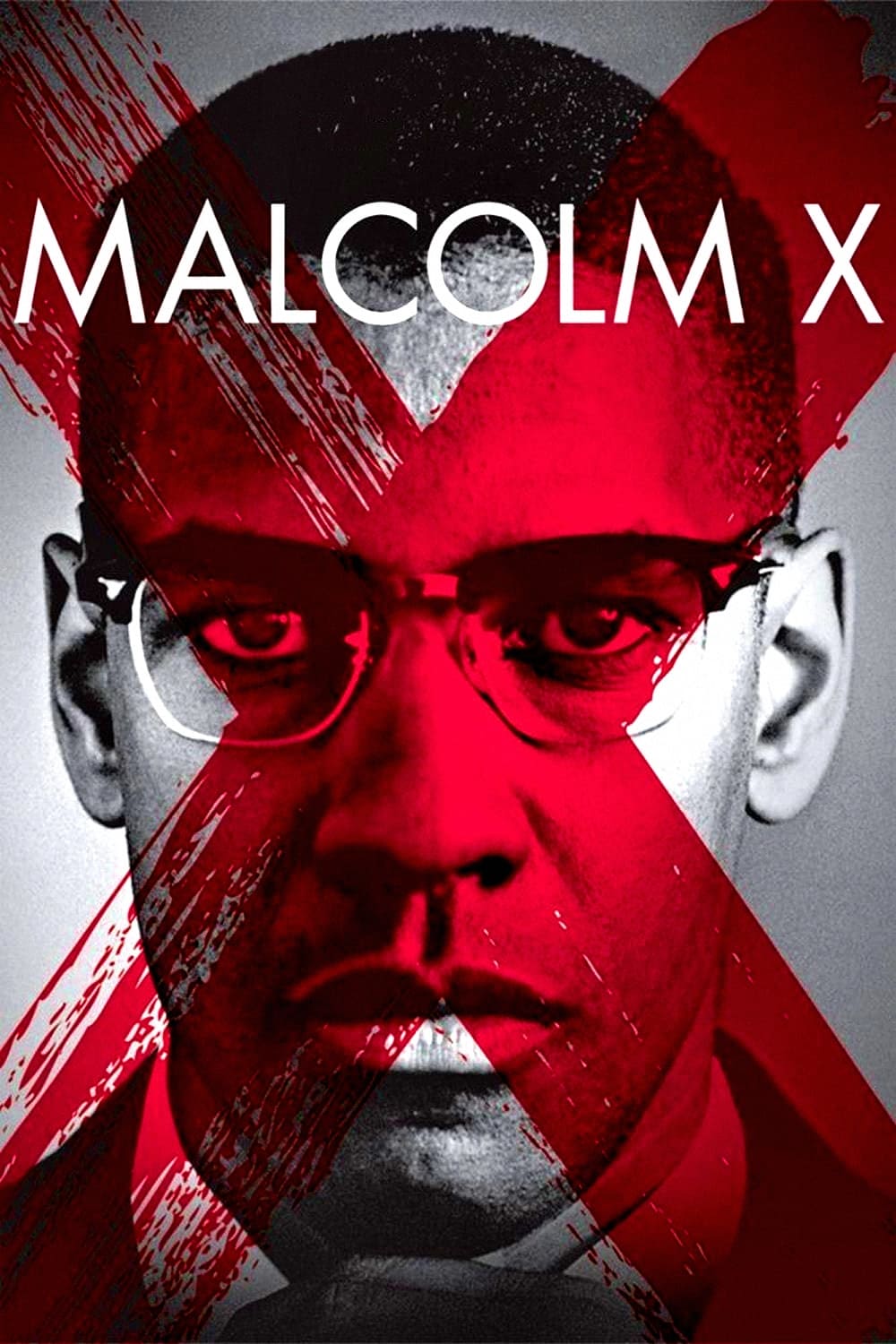
Cinematographically, I loved how Spike Lee structured scenes with almost operatic precision. There’s an epic sweep in the set pieces—humming jazz clubs, stark prison cells, electrifying marches, and intimate close-ups—that feels simultaneously historic and immediate. The color palette and camera angles are assertive: reds and blacks saturate early scenes to mirror Malcolm’s volatility, while moments of enlightenment are washed in ethereal light, capturing both violence and transcendence. I found myself seeing the world through Malcolm’s shifting eyes, viscerally attached to his physical and psychological states.
No discussion of this film would be complete, from my perspective, without praise for Denzel Washington’s performance. It’s nothing short of revelatory. His portrayal never settles for mimicry; instead, he embodies the emotional and intellectual restlessness that made Malcolm compelling in life. Every gesture, cadence, and glance carries the tension between rage and hope. I could feel Washington’s own personal investment in the character, making the journey personal for the audience in a raw, unforgettable way.
I also found Spike Lee’s own cameo and his recurring motifs—such as the iconic double-dolly shot—especially effective in grounding the story’s urgency in the present tense. The sound design, with bursts of jazz, gospel, and activist speech, layered with Terence Blanchard’s haunting score, created moments where cinema felt indistinguishable from lived history. The result is not just a biopic, but a living, breathing testament to the ongoing American struggle with race, identity, and transformation.
My Thoughts on the Cultural Impact & Legacy
For me, “Malcolm X” became more than a film—it became a cultural touchstone. As someone deeply invested in how movies shape conversation, I saw this film push Hollywood’s boundaries in both scale and content. It wasn’t just that the movie featured a Black historical icon at its center; it’s that Spike Lee insisted on a dynamic, deeply human portrayal, refusing caricature or flattening for mainstream comfort. Denzel Washington’s immersive performance echoed throughout my own appreciation for actors willing to dig under the skin, highlighting the necessity of representation done right.
I’ve always admired cinema that provokes dialogue, and “Malcolm X” generates it by holding a mirror to America’s unfinished conversations about race and justice. The film’s willingness to wrestle with Malcolm’s evolving ideology—his confrontational rhetoric, his disillusionment, and ultimately his capacity for transformation—felt genuinely radical in the early ‘90s. I noticed its impact ripple through later films, activists, and artists who saw in it a blueprint for honest, unflinching biographical storytelling.
On a personal note, I continue to return to this film whenever questions of voice, leadership, or challenging authority arise in the cultural arena. It’s a work that has shaped my standards for biopics, for directorial bravery, and for how cinema addresses (rather than sidesteps) uncomfortable truth. For me, its resonance lies in its refusal to offer easy answers, inviting viewers—in every era—to demand more from themselves and the world around them.
Fascinating Behind-the-Scenes Facts
I’ve always been fascinated by the sheer scale and dedication behind “Malcolm X’s” production. One detail that stays with me is the enormous challenge Spike Lee faced in securing funding. Several major studios weren’t willing to back a project they deemed “too controversial.” In a remarkable turn, esteemed Black leaders such as Oprah Winfrey, Bill Cosby, Michael Jordan, and Magic Johnson personally contributed funds to help Lee finish the film on his terms. To me, this collective support speaks volumes about the story’s urgency and the responsibility felt by an entire generation of trailblazers.
Another fact that underscores Denzel Washington’s commitment is that he not only studied Malcolm’s speeches and interviews intensely, but he adopted Malcolm X’s habit of speaking without contractions and reportedly fasted and refrained from eating pork during filming to inhabit the role both inside and out. This method approach is one of the reasons Washington’s performance feels so thoroughly lived-in—each moment radiates authenticity that jumps off the screen.
I was also intrigued by the film’s on-location shoot. The production was granted rare permission to film at Mecca, making “Malcolm X” the first non-documentary motion picture to shoot within the sacred sites. That decision did more than heighten the film’s realism—it added a global, spiritual authenticity that, to my eyes, elevated the film’s exploration of both religious transcendence and human commonality. These unsung risks and bold gestures behind the camera powerfully shape my appreciation for the finished work.
Why You Should Watch It
- An unforgettable lead performance by Denzel Washington that brings depth and nuance to a legendary and complicated figure.
- Spike Lee’s fearless direction and inventive visual style elevate the biopic form into something urgent, provocative, and undeniably relevant today.
- Rich historical insight and unfiltered social commentary that challenge viewers to confront uncomfortable truths about race, activism, and American identity.
Review Conclusion
My latest rewatch left me as electrified as ever by how “Malcolm X” fuses history, cinema, and activism into one dynamic meditation on change and conviction. This isn’t a film you simply observe—it’s one that draws you into its moral arguments and refuses to let you exit unchanged. Its artistry and honesty, anchored by a career-defining performance and purposeful direction, make it just as essential now as in 1992. Few films have made such a lasting impression on my sense of what biographical cinema can achieve—for that, I award it 5 out of 5 stars: a masterwork of empathy, craft, and political courage.
Related Reviews
- “Selma” (2014) – I recommend this film for how it similarly dramatizes the complexities of social movements and leadership within the Civil Rights era. Ava DuVernay’s directing style and David Oyelowo’s performance as Martin Luther King Jr. create a vivid, character-driven portrait that pairs powerfully with the themes of revolution and personal transformation found in “Malcolm X.”
- “Do the Right Thing” (1989) – Another of Spike Lee’s seminal works, this film’s vibrant New York setting, stylized visuals, and raw energy make it an essential companion piece for those exploring films that dissect racial tensions and community activism with both nuance and urgency.
- “Fruitvale Station” (2013) – Ryan Coogler’s debut places a contemporary spin on stories of race, injustice, and the personal costs of tragedy. Like “Malcolm X,” it forgoes romanticizing its central figure (Oscar Grant) and instead finds humanity through detail and honest observation, making it compelling viewing for those moved by true stories of struggle and resilience.
- “Ali” (2001) – With Will Smith portraying Muhammad Ali, this biography delves into the intersection of activism, identity, and faith. Its exploration of transformational Black icons, masterful performances, and commitment to complex representation make it a resonant choice for anyone inspired by “Malcolm X.”
For readers looking to go deeper, these perspectives may help place the film in a broader context.
🎬 Check out today's best-selling movies on Amazon!
View Deals on Amazon