
Plot Summary
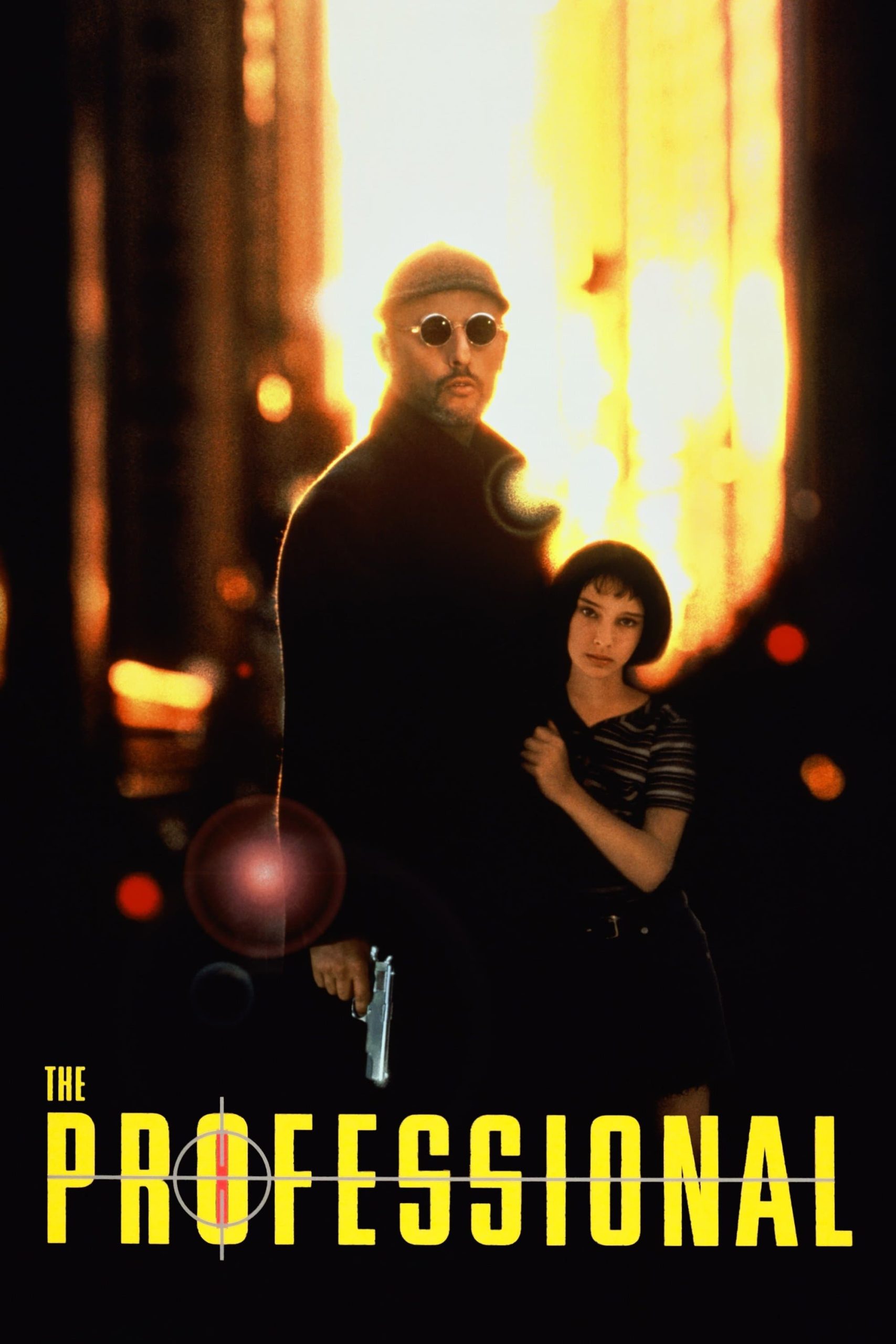
I’ll never forget the feeling of stepping into the world created by Luc Besson—the quiet tension, the slanted city light, and the unmistakable pulse of something dangerous lurking beneath the everyday. Léon: The Professional struck me immediately as more than a crime thriller; it’s a deeply unconventional character study. When I first watched it, I was drawn in by the story of Léon, a solitary hitman, and the sudden, tragic upheaval in the life of Mathilda, a young girl living down the hall. Their worlds crash together in the aftermath of violence, and what began as a rescue story quietly transforms into an exploration of emotional survival.
From my perspective, the plot really delivers tension not just through action, but through relationships. Léon leads a mechanical, isolated existence—meticulous in his work, almost childlike in his daily rituals, and emotionally walled off. For me, his world is turned upside down when Mathilda, desperate for help, forces her way into his apartment after a brutal act leaves her family destroyed (spoiler alert: I’ll avoid the major details, but that act sets everything in motion, and it’s a gut punch that’s hard to forget). The bond that forms between this unlikely pair propels the narrative away from standard action fare and towards a kind of bruised, haunting intimacy.
What kept me compelled is how Besson visually expresses their relationship through close, almost claustrophobic shots, the use of silence, and the tangible contrasts between Léon’s hyper-controlled world and the chaos that comes crashing in. The plot uses the classic revenge structure to tackle themes of innocence, trauma, and redemption—choices that I found deeply personal and far more provocative than the genre typically allows. The danger isn’t just on the streets or in Léon’s line of work; it simmers in the way trauma binds and isolates people, desperate to find connection in the most unlikely of circumstances.
Key Themes & Analysis
Reflecting on this film, what struck me most powerfully was its treatment of loneliness and unexpected connection. Léon is a killer almost by default—a man whose emotional world is shuttered so tightly that even his personal effects seem hollow. For me, Besson’s direction is all about the tiny ways humans reach out to one another, even when bruised by life. Mathilda’s pursuit of revenge is superficially simple, but at its core, I found it to be about her reclaiming agency in a world that’s stripped her of it. The film asks: When violence is all you’ve known, how do you even begin to trust or care for someone again?
The cinematography feels like an extension of the characters’ psychological world. I found the use of shadows and cramped interiors accentuates Léon’s alienation, almost suffocating in its intimacy. When Mathilda bursts into his life, the contrast in lighting and color—childish brightness against sterile routine—really made me feel the emotional stakes doubly hard. The camera lingers on the smallest gestures: a plant gently cared for, milk poured with ritual precision. These details, to me, become visual metaphors for the fragility of trust and the pain of hope.
The performances anchor the entire film. Jean Reno, as Léon, brings heartbreaking vulnerability to a role that could have been a cliché. His few lines, haunted eyes, and awkward physicality give me the sense of a man desperate for human connection but terrified by it. Natalie Portman, in what I still consider an astonishing debut, imbues Mathilda with a mixture of toughness and raw longing that feels risky and real. Her refusal to let Léon keep her at arm’s length drives the emotional force of the film. Gary Oldman’s antagonist remains one of the most memorable in 1990s cinema—unhinged, performative, unpredictable, and absolutely chilling. His scenes pulse with barely controlled mania, the sort of villainy that leaves me unsettled even after the credits roll.
In terms of themes, Besson weaves ideas of childhood lost, trauma, and moral ambiguity through the entire narrative. I view the film as a meditation on survival—not just physically, but emotionally. Both Léon and Mathilda are survivors, but not in the heroic sense. They’re shaped, scarred, and uncertain, constantly teetering on the edge of something more dangerous than bullets: vulnerability. The film dares to blur lines between protector and child, innocence and experience, which makes for troubling but utterly affecting viewing.
If I had to encapsulate why this film matters to me beyond its technical prowess, it’s the way it never lets sentimentality override discomfort. Even in its most tender moments, there’s a whiff of danger—psychological, emotional, even ethical. The dynamic between Léon and Mathilda may be unsettling at times, especially as it toys with the viewer’s expectations, but it remains honest about the ways trauma warps connection. No interaction is tidy. Nothing is glossed over. That refusal to sugarcoat pain is, I think, the movie’s ultimate gift and challenge.
My Thoughts on the Historical & Social Context
When I consider why Léon resonated so deeply on its release, I can’t help but think about the social and political climate of the mid-1990s. The world was turbulent; rising urban violence, a lingering sense of post-Cold War uncertainty, and growing cynicism towards institutional authority permeated Western cinema. In my view, Léon captures this mood by centering its narrative on damaged people scraping out meaning and redemption in an indifferent world.
From my personal perspective, the portrayal of law enforcement—particularly through Oldman’s character—highlights a profound distrust of the systems meant to protect society. The film’s New York feels gritty, inescapably alien to anyone outside the tightly knit communities that survive there. I find myself reflecting on how, in the ‘90s, this erosion of public trust was a livewire issue: from corruption scandals to rising crime rates, movies like Léon both channeled and fueled anxieties about justice, safety, and the vulnerability of the innocent. Mathilda’s story—abused as a child, failed by every institution—feels chillingly prescient to me today, given ongoing debates about systemic failures in child welfare and law enforcement.
It’s impossible for me to discuss this film without acknowledging its gender and age dynamics, which were controversial even at the time. The borderline transgressive relationship between Léon and Mathilda prods viewers to question their own boundaries and assumptions—a theme I appreciate even as it makes me uncomfortable. The ‘90s saw cinema teasing at the edges of acceptability, but what I take away is less about shock and more about the complexities of surrogate family, the cost of survival, and the aching desire for belonging. We’re not meant to find easy answers, and Besson’s willingness to keep those waters muddy is partly why I come back to this film, years later, still finding new layers to peel back.
For me, the movie’s continued relevance lies in its unflinching portrayal of people shaped, and sometimes broken, by their circumstances—and the faint hope that even the most unlikely bond can be transformative. That, I think, is why the film both rattled and moved audiences then, and why it speaks to me so powerfully now.
Fact Check: Behind the Scenes & Real History
Digging into the production history of Léon: The Professional always fascinates me. For one, I learned that Jean Reno only accepted the title role on the condition that he play Léon with minimal emotional depth—almost childlike, rather than a cold-blooded professional. This directorial decision amplifies the character’s vulnerability and reframes the relationship with Mathilda as one of mutual emotional immaturity instead of danger or exploitation. It totally changed the way I read their interactions—far more nuanced and less problematic than I’d originally assumed.
I was surprised to discover that Natalie Portman’s casting was hotly debated. She was just eleven when she auditioned and many considered her too young (even Besson hesitated, aware of the controversial subject matter). Yet Portman’s insistence, coupled with a maturity and screen presence beyond her years, won over both the director and the studio. Watching her now, I see an extraordinary performance that could easily have been ruined by overdose or overdirection. To me, the entire film’s credibility hangs on her delicate balance of vulnerability and toughness.
On the technical side, I found out that Besson reused many of the stylistic techniques he pioneered in his earlier film La Femme Nikita—especially the fast-paced, yet oddly balletic approach to violence and the sharply focused lensing of urban loneliness. What interests me most, though, is that while Léon feels American in setting (the grit of New York is everywhere), it’s unmistakably rooted in European sensibilities: melancholy, fatalism, and a deliberate refusal to glamorize violence. That blend of cultural influence stands out to me every time I rewatch the film.
Why You Should Watch It
- A rare, emotionally raw character dynamic—the relationship between Léon and Mathilda is equal parts troubling and deeply moving, unlike anything I’ve seen in mainstream action-thrillers.
- Unforgettable performances, especially from Jean Reno and young Natalie Portman, who bring the film’s unusual bond to life with subtlety and intensity.
- Luc Besson’s distinct visual storytelling—crisp, moody cinematography and a kinetic style that makes each moment feel heightened and unbearably tense.
Review Conclusion
Every time I revisit Léon: The Professional, I’m floored by how much more there is simmering beneath its surface. For me, it’s not really a film about hitmen or children in peril—it’s about loneliness, trauma, and the unpredictable, sometimes healing power of human connection. Luc Besson’s direction, the remarkable performances, and the refusal to give easy answers all combine to make this not just a genre exercise, but a haunting meditation on survival. My personal take? Léon: The Professional is a classic that continues to challenge, disturb, and resonate.
My Rating: 4.5/5
Related Reviews: More Films You Might Love
- Taxi Driver (1976) – I see this Scorsese classic as a spiritual cousin to Léon, with its bleak vision of urban isolation and a central outsider drawn into violence. Both films offer a raw exploration of damaged psyches struggling to find meaning or connection within a chaotic, indifferent city. If you were captivated by Léon’s emotional complexity, I believe Taxi Driver’s Travis Bickle will leave you pondering for days.
- La Femme Nikita (1990) – Besson’s earlier foray into the hitman genre features a female protagonist grappling with vulnerability, trauma, and survival, set against a similarly stylized backdrop. I always recommend it to those interested in moral ambiguity and Besson’s signature mix of visual flair and emotional grit.
- The Man from Nowhere (2010) – This South Korean action-thriller grabbed me with its fusion of propulsive violence and a surprising tenderness. Like Léon, it centers on a loner with a dark past who is pulled into protecting a child—and, in doing so, finds a glimmer of redemption. The emotional stakes and kinetic action are reminiscent of what makes Léon so enduring.
- City of God (2002) – For viewers intrigued by how children end up shaped and scarred by violence, this Brazilian masterpiece stands out. I drew a direct line between its unflinching look at innocence lost and Léon’s themes, despite the different settings. Its storytelling will stick with you just as fiercely.
- Oldboy (2003) – If it’s moral ambiguity, intense violence, and emotionally wounded leads you’re after, Oldboy is a film that, like Léon, refuses tidy answers. Its visual daring and relentless narrative make it a perfect companion for those drawn to challenging, character-driven thrillers.
If you want to explore this film beyond basic facts, you may also be interested in how modern audiences respond to it today or whether its story was inspired by real events.
🎬 Check out today's best-selling movies on Amazon!
View Deals on Amazon