
Plot Summary
From the instant I sunk into the black-and-white world of L’Atalante, every frame felt like an invitation—raw, poetic, never quite predictable. The film, directed by Jean Vigo and set on a barge traversing France’s rivers, isn’t simply about travel or love, but what I saw as an unguarded study of what happens when personal dreams and shared reality are forced to cohabit slender corridors. We’re carried along with newlyweds Juliette and Jean, who trade wedding bells for the gentle churn of canal water as they embark on married life in the cramped, peculiar universe of the cargo boat L’Atalante. Traveling alongside the couple is the irrepressible Père Jules, whose eccentric habits somehow evoke both chaos and comfort, and a young cabin boy equally drawn into their orbit.
I’m careful not to give too much away for those yet to experience the film’s quiet, cumulative impact—but at its core, the story isn’t really about where the couple goes, but what each discovers about themselves and one another in the face of isolation, monotony, and temptation. Their journey is laced not with melodrama but with the sort of emotional intensity that simmers, bursts, and then seeps, coloring every interaction, every silent glance. What kept me transfixed wasn’t grand narrative twists, but the gradual, searing honesty with which the film lays bare the founderings and little redemptions of love under pressure.
Key Themes & Analysis
What struck me more than anything is how L’Atalante manages to turn life’s unremarkable routines—washing clothes, making tea, patching wounds—into rhapsodic rituals. To me, Jean Vigo’s direction is less about moving the plot from point A to point B, and more devoted to capturing the paradoxes of intimacy: the comfort and the claustrophobia, a longing for adventure wrestled against the solace of the familiar. I saw the film’s central tension not merely as a marital quarrel, but a philosophical one: Can passion survive the inevitable abrasion of daily life? The boat is both a sanctuary and a prison, and Vigo uses its physical confines to reinforce the limits and liberations of love.
Every time the camera lingers on the mist shrouding the canal, or the play of light off the water, I felt as if the cinematography itself was meditating on uncertainty, yearning, and the fluidity of emotion. Jean Vigo, working with cinematographer Boris Kaufman, doesn’t just film the river—he lets the river’s rhythms and moods seep into the pacing, guiding the film’s cadence and making it viscously atmospheric. My eyes kept drifting to the odd, poignant little details: the cats that wander unconcerned through the boat’s decks, the detritus Père Jules has gathered from his global wanderings, and the juxtaposition of industrial machinery with gentle human touch.
As a viewer deeply attuned to acting styles, I was spellbound by the raw directness of Dita Parlo’s Juliette, who radiates both luminous innocence and unspoken frustration. In contrast, Jean Dasté, as Jean, embodies a sort of inward, bruised masculinity—yielding, then stormy, yet never a caricature. The performance that haunted me most, however, was Michel Simon’s Père Jules. Every gesture and line seems drawn from lived experience; he’s anarchic and unpredictable yet quietly, steadfastly loyal. The humanity these actors breathe into their roles lets even the film’s surreal flourishes feel utterly organic.
Where the film most enchanted me was in its magical-realist interludes—those fleeting, dreamlike visions, such as the underwater sequence with Jean searching for Juliette’s face. These moments, to me, show Vigo’s urge to reveal the inner weather of his characters. The use of sound and music felt ahead of its time, alternating between silence, bustling canal noise, and evocative score to establish both intimacy and distance. I found myself listening to the silences as much as the dialogue, feeling the weight of what is left unsaid. L’Atalante quietly undermines the conventions of the time — refusing easy resolutions, leaving emotional residue on every scene.
This is a film that made me reflect uncomfortably on the ways people can wound each other out of fear, not spite, and how joy is sometimes only visible in flashes, like a sunbeam on murky water. I was left with the impression that in the world Vigo creates, it’s the acceptance of imperfection that makes connection truly possible.
My Thoughts on the Cultural Impact & Legacy
As I look back on L’Atalante through the lens of a film curator, what endures isn’t just its innovation, but its stubborn refusal to be categorized. This isn’t merely an early sound film, nor strictly a romance or a slice of poetic realism—it’s a living, breathing document of what cinema can achieve when risk and vulnerability are permitted to flourish. When I first encountered this film years ago, I was unprepared for the visceral, almost tactile intimacy Vigo manages. He foregrounded emotional realism at a time when so much of international cinema was bound by theatrical convention or narrative neatness.
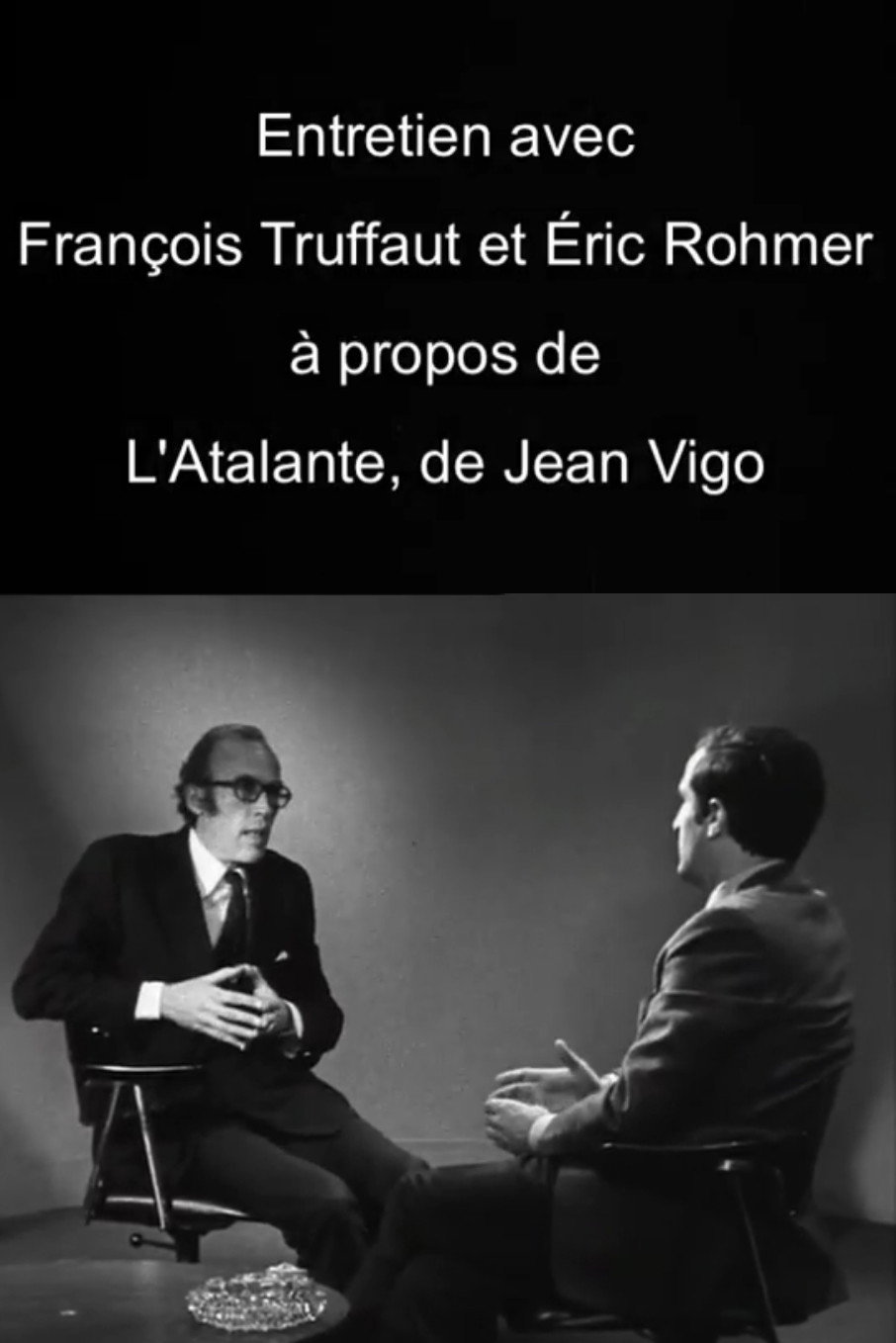
Historically, I’ve marveled at how L’Atalante was dismissed or truncated on its initial release, its brilliance buried by studio interference and poor distribution. Yet subsequent decades have only reaffirmed its stature, especially as directors like Truffaut, Godard, and Leos Carax have cited it as a blueprint for marrying documentary grit to dreams and longing. Personally, I find it fascinating how L’Atalante’s poetic techniques—the cycling of motifs, subjective camera, and abrupt shifts in tone—became standard-bearers for the French New Wave and beyond. Every time I curate a retrospective of films that reject linearity in favor of mood and texture, Vigo’s presence feels unmistakable.
But what truly resonates with me is how alive and open-ended the film remains so many years later. When I share this film with younger audiences or film students, they’re often surprised by how contemporary its confusions and cravings feel—marital discord, longing for adventure, the bittersweetness of reunion. In many ways, L’Atalante gave all of us permission to be uncertain, to portray love not as a climax but as a continuing, churning state of becoming. That has shaped my own standards for cinematic authenticity ever since.
Fascinating Behind-the-Scenes Facts
Behind the moody surfaces and lyrical flow of L’Atalante, I discovered some astonishing stories about its arduous creation. The first fact that floored me was how Jean Vigo was gravely ill with tuberculosis for much of the shoot. Despite his deteriorating health, he pushed himself day and night, often directing from a makeshift bed on the set, his feverish energy occasionally finding its way into the film’s own restlessness. Knowing that the film bears traces of both artistic aspiration and physical endurance makes its urgency even more poignant for me.
I’m also endlessly fascinated by the unconventional casting of Michel Simon as Père Jules. Simon’s persona was already legendary in French cinema—mercurial, somewhat unmanageable, and drawn to eccentric roles. During filming, Simon’s improvisational unpredictability sometimes threw fellow actors off balance, but Vigo reportedly relished these moments, refusing to tame Simon’s outbursts or filter his impulsive creativity. That decision, I believe, is what gave Père Jules such singular authenticity.
Another remarkable tidbit I uncovered in my research relates to the film’s ruined release. The original negative was ruthlessly recut by the studio, who didn’t trust Vigo’s vision. Whole passages were swapped, truncated, or lost altogether, and the film was retitled and mismarketed. Only after years of painstaking restoration by archivists and cinephiles did the version we now cherish become available. For me—and for anyone who loves film history—this journey from obscurity to revival feels infinitely moving, a testament to the resilience of true artistry.
Why You Should Watch It
- Its lush, poetic cinematography transforms the everyday into something magical, making it a masterclass in how setting and mood can evoke emotion as directly as dialogue.
- The performances, especially by Dita Parlo and Michel Simon, remain some of the most affecting and naturalistic I’ve ever seen—offering a window into the vulnerability and contradictions of real love.
- As a touchstone for subsequent generations of filmmakers, L’Atalante demonstrates how sheer creative risk can revitalize a well-worn genre, making it essential viewing for anyone interested in the evolution of cinematic language.
Review Conclusion
After living with L’Atalante—savoring its mingled hopes and sorrows, its heady blend of grit and lyricism—I’m convinced that it’s as much a transformative emotional encounter as a motion picture. Rarely do I see a film that so gracefully captures the ache, humor, and messiness of real intimacy, all underpinned by a restless longing for something more. Whether you approach it as a touchstone of film history or simply as a story about flawed people trying to love each other amidst uncertainty, the film’s impact lingers long after its enigmatic final shot. My own bar for cinematic artistry has been forever raised thanks to this singular achievement. I give L’Atalante a resounding 5/5 stars.
Related Reviews
- La Strada (1954) – Fellini’s masterpiece shares the poetic, itinerant quality of L’Atalante, with its focus on a couple adrift between desire and despair. Its blend of realism and magic will resonate with those moved by Jean Vigo’s work.
- Leos Carax’s Lovers on the Bridge (Les Amants du Pont-Neuf) (1991) – Personally, I always think of Carax’s feverish visual style and tragic romance as a spiritual descendent of Vigo. The film’s freewheeling tone and fusion of beauty with urban grit make it a worthy follow-up for viewers who savor cinematic risk.
- Port of Shadows (Le Quai des brumes) (1938) – For anyone drawn to the atmospheric melancholy and moral ambiguity of poetic realism, Marcel Carné’s film presents a moodier, darker parallel, featuring characters who are likewise shaped by fate, longing, and fleeting moments of connection.
- Mouchette (1967) – Robert Bresson’s gutting meditation on isolation reminds me of the same emotional authenticity that makes L’Atalante so unforgettable. Its unvarnished style and empathy toward its protagonists link it spiritually to Vigo’s legacy.
For readers looking to go deeper, these perspectives may help place the film in a broader context.
🎬 Check out today's best-selling movies on Amazon!
View Deals on Amazon