
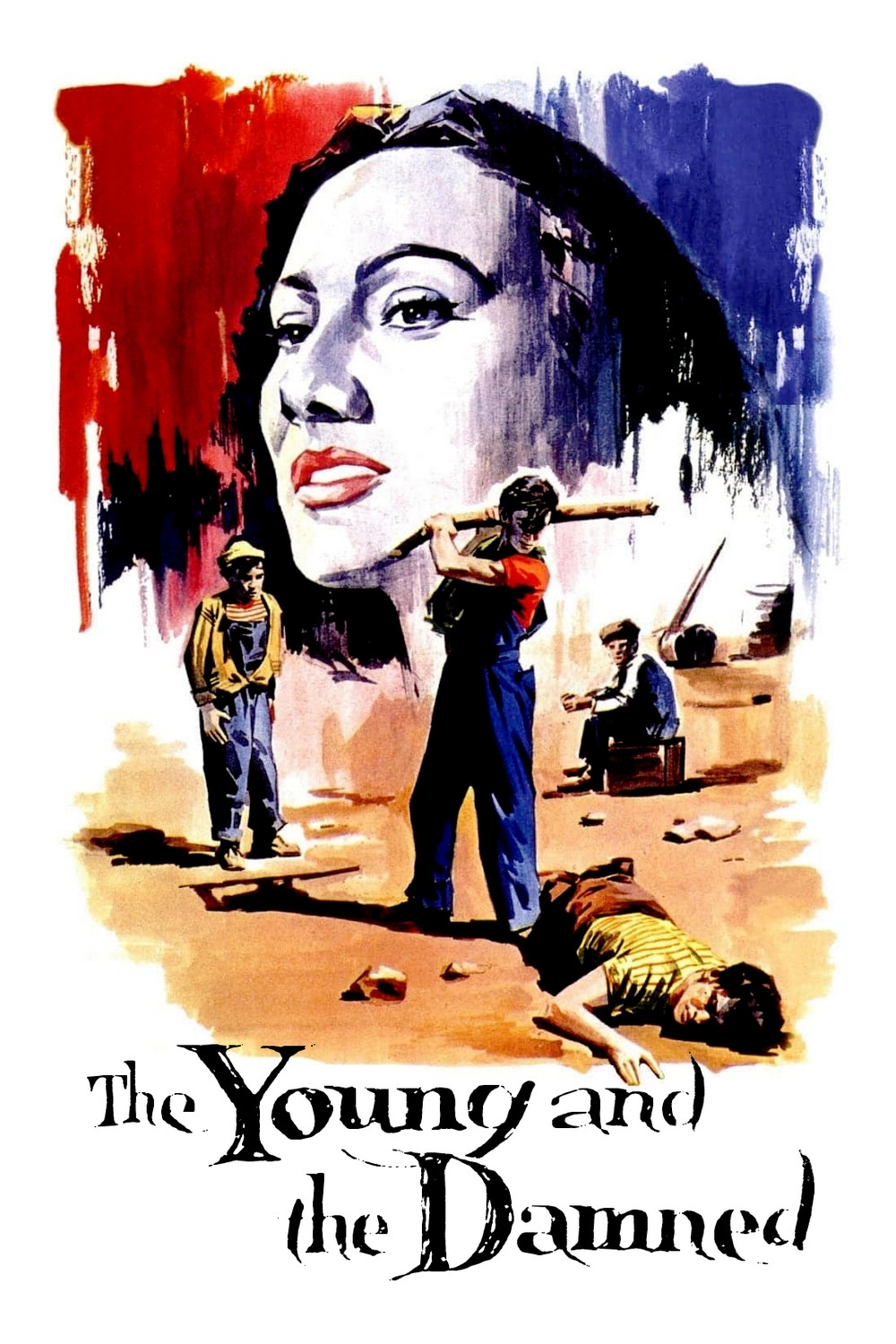
Plot Summary
When I first encountered Los Olvidados, I quickly realized I was about to witness something unflinching and deeply personal. The story, helmed by the legendary Luis Buñuel, throws you headfirst into the tangled lives of forgotten children on the streets of Mexico City. Rather than only telling a story about street urchins, I felt as if Buñuel was holding up a cracked mirror to society, forcing us to look at the face we so often turn away from.
Without revealing the film’s most critical twists (and I promise, I’ll warn before any true spoilers), I can say the film centers on Pedro, a young boy navigating the cruel labyrinth that urban poverty constructs. The arrival of Jaibo, a recently escaped reform school student, brings a haunting tension to the community. Jaibo’s presence is both charismatic and predatory, drawing other kids into a cycle of desperation and violence. What gripped me most was how the characters, especially Pedro, aren’t offered much in the way of clear choices or easy redemption. It’s not a story hung on grand gestures or melodrama, but on stolen bread, missed opportunities, and the harsh currency of survival.
Every turn feels raw and unsentimental, but Buñuel composes this tale with a surreal brushstroke. The day-to-day lives of these kids—scavenging, sleeping rough, searching for scraps of affection—become stark vignettes that feel both painfully real and almost allegorical. There’s a dream sequence mid-way that, to me, perfectly encapsulates the way hope clings to Pedro, even as reality keeps flinging him into despair. But be warned: if you’re looking for a narrative with an upbeat ending or clear morality, Los Olvidados doesn’t hand out easy answers or neat conclusions.
Spoilers ahead: Later in the film, allegiances are tested, and the cyclical nature of poverty reveals itself through betrayal and heartbreak. The violence, when it comes, is sudden and gutting, and I felt the sheer weight of inevitability that Buñuel bakes into every scene.
Key Themes & Analysis
What struck me first, and what I find most indelible about Los Olvidados, is its raw, unblinking depiction of social invisibility and abandonment. Buñuel doesn’t just tell a story about poverty; he confronts the audience, stripping away the comforting façade many films construct when tackling poverty. The children aren’t quiet symbols of hope. They’re not sanitized for easy digestibility. Instead, the film communicates the idea that these kids—these “forgotten ones”—exist in a parallel world, barely glimpsed by those passing by.
One theme that I deeply resonated with is the cruelty of societal neglect. The adults in Los Olvidados oscillate between apathy and outright hostility. There’s a recurring motif of doors—sometimes open briefly, often slammed shut, never quite letting these kids in. It made me realize, painfully, how institutions often serve as barriers instead of bridges.
When it comes to cinematography, the work of Gabriel Figueroa absolutely floored me. The camera doesn’t merely observe; it accuses, implicates, and occasionally grants fleeting grace. Shadows pool around children’s faces, emphasizing how the city itself feels oppressive and inescapable. I was especially taken by the way Figueroa frames wide shots of the barrio, contrasting them with intimate, almost claustrophobic close-ups during moments of conflict or vulnerability. There’s a recurring use of mirrors, broken or smudged, symbolizing identities fractured by poverty and trauma.
Buñuel, never one to shy away from challenging the audience, injects touches of surrealism. In one unforgettable dream sequence, the boundaries between reality and yearning blur—I found it both a technical and emotional high point. The imagery here isn’t just a visual flourish; it externalizes the psychological torment of the characters, making their internal world momentarily tangible. It’s one of those moments that lingers long after the film ends, a testament to Buñuel’s profound storytelling instincts.
The acting feels startlingly authentic. In many parts, I forgot I was watching actors at all. Roberto Cobo’s Jaibo stands out—he’s menacing, magnetic, and at times achingly vulnerable. As Pedro, Alfonso Mejía exudes a kind of bruised innocence. The non-professional cast members only add to the sense of verité. Every glance, every lopsided smile, carries volumes, and it’s this deceptively effortless realism that, for me, makes the heartbreak and fleeting kindnesses so profound.
Even the pacing of the film drew me in. Moments of brutal violence or betrayal are interspersed with quieter, almost tender scenes—a lullaby in the dark, a stolen glimpse of happiness—each one echoing the unpredictability that defines these children’s lives. The narrative structure pulls you in, refusing to let you look away even when what unfolds is almost too painful to bear. I walked away from Los Olvidados convinced that its core theme is the societal responsibility we all bear for the most vulnerable among us.
My Thoughts on the Historical & Social Context
Reflecting on the moment when this film emerged—Mexico in 1950—I can only imagine how jarring it must have been for audiences to see their city represented so bleakly onscreen. In an era when Mexican cinema generally leaned into mythic rural escapism or romantic nationalism, Buñuel’s message was a thunderclap of realism. For me, the real power of Los Olvidados comes from how daring it was in its refusal to sugarcoat. It was an indictment not just of individual cruelty, but of a broader social amnesia—a deliberate forgetting of those deemed inconvenient.
I see clear parallels with postwar anxieties. After WWII, urbanization surged across Latin America, and cities like Mexico City ballooned, often without adequate social infrastructure. The film’s release came just as the country was struggling to define itself amid modernization and deepening inequality. Watching it now, I’m gripped by how the issues Buñuel raised—youth homelessness, institutional neglect, cycles of violence—persist, often unchanged, in contemporary urban centers worldwide.
What’s more, there’s something timeless in the pain and humanity of Pedro and Jaibo. Buñuel’s vision, so daring in its day, still feels profoundly relevant. Every time I watch it, I find myself reflecting on how easy it is to overlook the struggles of the marginalized in our own society. The powerlessness of children, the indifference of bureaucracy, the way family can fracture under social pressure—these remain pressing realities. To me, Los Olvidados is a film that refuses to let us off the hook, and its call for empathy continues to echo decades later.
Fact Check: Behind the Scenes & Real History
One fact that fascinates me every time I revisit Los Olvidados is Buñuel’s decision to employ mostly non-professional actors for many of the crucial roles. This lent an extra layer of realism and vulnerability to the performances, which I believe is why the pain and joy on screen feel so immediate. I remember reading how Buñuel intentionally coached the child actors to avoid melodramatics, instead instructing them to react as they would in real life—grounding the film in a kind of documentary honesty.
Another piece of trivia I find remarkable is that the film’s initial release in Mexico was met with furious backlash. Many Mexican critics and politicians felt Buñuel had betrayed his adopted country. There were even calls to ban the film for its negative portrayal of urban life. Ironically, this controversy is what caught the attention of the Cannes Film Festival, where Buñuel was ultimately celebrated and awarded Best Director. I think it’s incredible how something born out of anger and discomfort went on to be recognized as a masterpiece.
Historically, Buñuel did draw inspiration from real-world realities of postwar Mexico City, especially the burgeoning population of street children that local officials often ignored or tried to hide. The opening scenes, shot on location in slums few would dare to depict, are a semi-documentary record of their time. And yet, the film’s ending—bleak and uncompromising—differs from earlier drafts intended to placate censors. Buñuel firmly refused to deliver a hopeful resolution, instead reaffirming his vision that the cycle of poverty and neglect persists unless confronted head-on. That creative defiance, for me, remains one of the film’s most significant legacies.
Why You Should Watch It
- It delivers an uncompromising, emotionally authentic portrait of childhood poverty—one that stuns with its honesty and boldness.
- Buñuel’s directorial style and the film’s haunting cinematography turn a grim story into an unforgettable aesthetic and philosophical experience.
- The film’s themes of neglect, resilience, and moral ambiguity are genuinely timeless and deeply resonant in any era.
Review Conclusion
After countless viewings, Los Olvidados remains, for me, a film that sits at the crossroads of cinema and conscience. Every frame pulses with urgency; every performance feels as if it’s torn from real life. Buñuel assembles a vision so honest that it risks alienating those who prefer their social commentary diluted. But it’s precisely this refusal to compromise—visually, thematically, or emotionally—that keeps me coming back. In a landscape crowded with sentimentalized depictions of hardship, this is a film that challenges and unsettles while never losing sight of the people at its core. It’s a landmark not just of Mexican cinema, but world cinema—and I give it a 5/5 stars for its enduring artistic and human power.
Related Reviews
- Bicycle Thieves (1948, Vittorio De Sica): Much like Los Olvidados, I find De Sica’s neo-realist classic haunting for its sensitive portrayal of working-class desperation on the streets of postwar Rome. If you’re drawn to films that don’t shy away from real-world struggles and use location as a character itself, you’ll discover similar emotional terrain here.
- Pixote (1981, Hector Babenco): Watching this Brazilian drama, I was reminded immediately of Buñuel’s commitment to unsparing realism. Pixote’s focus on street children and institutional abuse echoes the thematic concerns of Los Olvidados but for a different place and era. Its rawness and empathy will resonate if you found Buñuel’s vision compelling.
- City of God (2002, Fernando Meirelles and Kátia Lund): Although made many decades later, I see City of God as a spiritual successor to films like Los Olvidados. The sprawling depiction of youth violence, poverty, and survival in the favelas of Rio engages with similar social critiques, but through a modern, kinetic style. If you appreciate relentless realism mixed with bravura filmmaking, this one’s indispensable.
- The 400 Blows (1959, François Truffaut): Truffaut’s semi-autobiographical story of Antoine Doinel’s struggles as a misunderstood adolescent has always reminded me of Pedro’s plight. Both films use a combination of grit and poetry to explore the often-painful territory of lost childhoods and failed institutions.
If you want to explore this film beyond basic facts, you may also be interested in how modern audiences respond to it today or whether its story was inspired by real events.
🎬 Check out today's best-selling movies on Amazon!
View Deals on Amazon