Plot Summary
When I first sat down to watch Damien Chazelle’s La La Land, I felt an immediate tug of nostalgia for classic Hollywood musicals, yet I soon realized there was nothing simply retro about its ambitions. The story follows the intertwining lives of Mia Dolan, a struggling actress whose everyday pursuit of auditions is etched into her being, and Sebastian Wilder, a passionate yet uncompromising jazz pianist. What drew me in was how their collision—the mix of aspirations and heartbreak—felt both deeply personal and daringly universal. The film’s plot gently balances romance with professional struggle, steering clear of reducing its characters to mere archetypes. It’s a delicate dance where I could sense each misstep and triumph resonating with my own youthful hopes.
Chazelle crafts their journey through Los Angeles with a painterly sense of movement and spectacle. I was swept along as Mia and Sebastian meet amid the city’s sprawl, push and pull in pursuit of their incompatible artistic dreams, and confront the cost of ambition. The film’s structure—oscillating between dreamlike musical setpieces and moments that feel almost documentary in texture—kept me guessing. Without spoiling the details of their final fate, I can say the movie challenges the neatness of traditional romance and asks: is love always enough, or do we sometimes have to give it up for self-fulfillment? La La Land’s bittersweet, non-linear narrative and stylized expression make it as much an ode to possibility as it is a meditation on loss. Every song and scene seemed crafted to linger in my mind, well after the credits rolled.
Key Themes & Analysis
What struck me most about La La Land was its embrace of contradiction. The movie leans into the tension between romantic idealism and pragmatic sacrifice, embodying what it means to pursue impossible dreams in a city as unforgiving as Los Angeles. Chazelle’s direction, fusing old-school musical spectacle with millennial malaise, made me rethink what musicals can be—less escapist, more raw. By setting buoyant dance numbers atop freeways and in planetariums, he creates a world where fantasy and harsh reality constantly blur. I found the cinematography to be simply breathtaking—the camera glides with balletic grace, especially during the opening “Another Day of Sun” sequence, placing me right in that giddy LA traffic jam while showcasing the city as a living character.
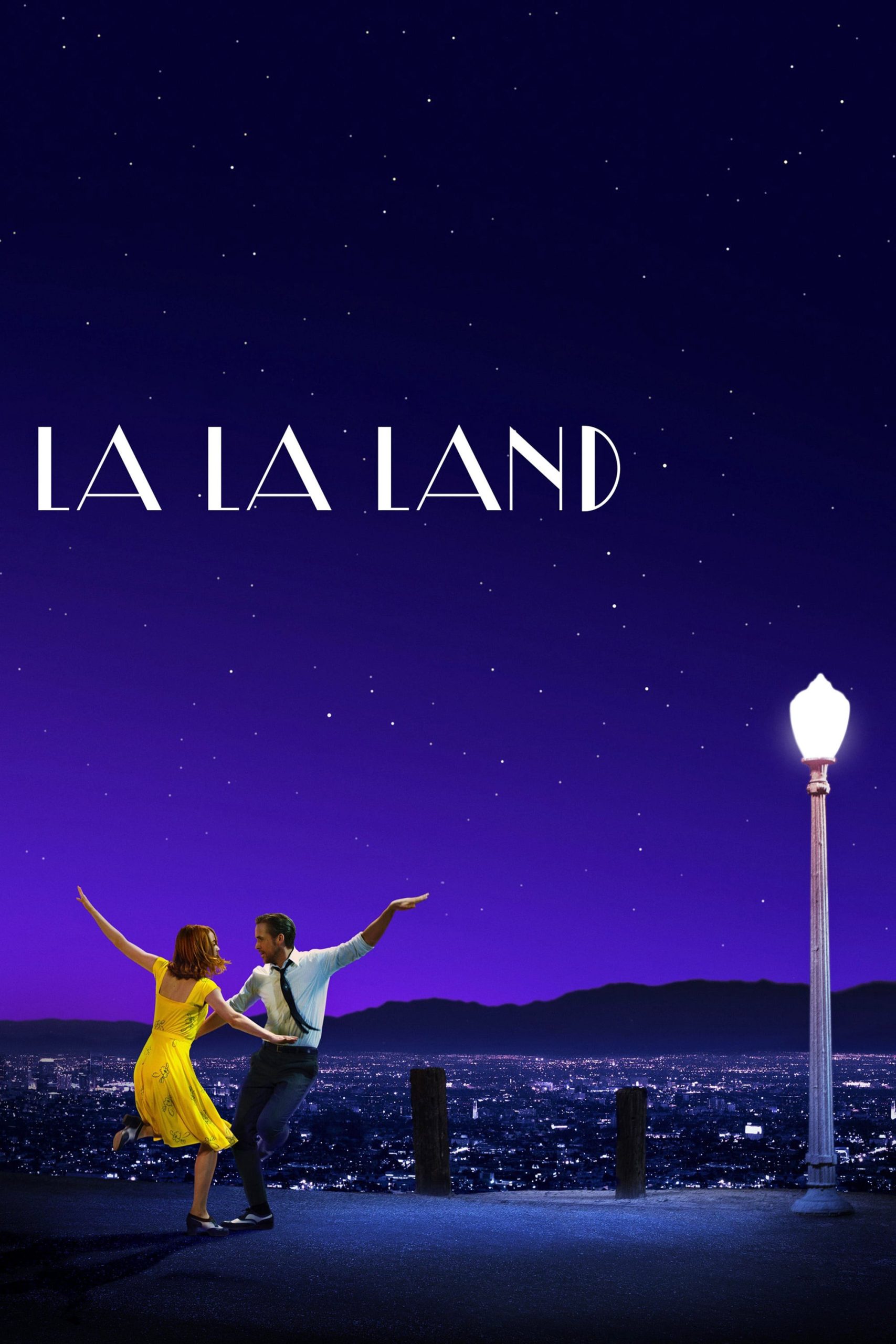
The film’s color palette is a standout element. I was captivated by the use of rich, primary hues—vivid blues, yellows, and reds drape the characters and their surroundings, infusing every frame with energy and longing. It’s hard for me not to be moved when I see Mia in her iconic yellow dress spinning down the street as dusk falls, a single figure daring to shine against the city’s vast twilight wash.
In terms of acting, what stuck with me was how Emma Stone and Ryan Gosling radiate authenticity through musical artifice. When Stone delivers Mia’s key audition monologue (“Here’s to the ones who dream…”), I felt her vulnerability so raw, it almost stung. Gosling’s Sebastian, meanwhile, is both charming and frustrating, reminding me that ambition often breeds blind spots. Their chemistry felt rooted in real friction and admiration, which lent their duets emotional weight—every dream sequence and ballad about longing, regret, and hope had a palpable undercurrent of missed connection.
Beyond its romance, La La Land is a film about the price of artistic integrity and the mythos of Hollywood dream-chasing. I was engrossed by how it depicts LA as both both a land of golden opportunity and unrelenting hardship. No matter how euphoric the musical highs, there’s always a trace of sadness—every fantasy is shadowed by compromise. The unspoken questions the film asks—“What would you trade for your dreams?” and “How much is too much to lose?”—are ones I grapple with long after watching.
My Thoughts on the Historical & Social Context
Returning to La La Land in the context of its 2016 release, I felt an immediate resonance with what was happening in the world at that moment. 2016 was a year marked by political and social division, but also by big hopes and cultural shifts in the film industry. To me, the film’s preoccupation with ambition—sometimes to the point of tunnel vision—mirrored the atmosphere of uncertainty and self-searching I felt around me. The rise of the gig economy, debates about creative versus commercial success, and questions about whether modern love can survive personal ambition all seemed to find a kind of symbolic home in Mia and Sebastian’s journey.
What hit hardest for me was how the film celebrates the outsider, the daydreamer who won’t fit into easy categories. At a time when traditional career paths seemed increasingly unreliable and millennials were often labeled as “entitled” or “unrealistic,” I saw La La Land as a gentle but clear challenge to those stereotypes. Its bittersweet message about the loneliness of dreaming and the risks of self-invention spoke to me—and, I believe, to an entire generation caught between longing and doubt.
If anything, the movie’s open-endedness about love and career seems even more relevant today. Watching the film now, with further distance from its release, I am moved by how its struggles have remained unchanged: chasing after a hope that sometimes demands heartbreak, and learning that not all songs end on a resolved chord. For all its fantasy, La La Land taps into real questions: How do you maintain integrity and optimism in a skeptical world? For those of us who see ourselves as artists, immigrants, or just dreamers, the film’s Los Angeles becomes any city, every crossroads—a metaphor I find hauntingly persistent.
Fact Check: Behind the Scenes & Real History
I’m endlessly fascinated by the journey La La Land took to reach the screen—a story nearly as dramatic as Mia and Sebastian’s. One of the most striking facts I discovered is that the movie was in gestation long before its 2016 debut. Damien Chazelle first wrote a version of the script in 2010, but almost every studio passed, seeing original musicals as commercially risky. He shelved the project temporarily to direct Whiplash, which later gave him the industry clout he needed. That perseverance mirrors the film’s own themes about creative setbacks and “failing upwards.”
Another detail that’s impossible for me to forget is the way the actors prepared for their roles. Ryan Gosling, who plays Sebastian, actually learned to play piano for the film. All the intricate jazz solos in the movie—including the dazzling riff during the pivotal club audition—are performed by Gosling himself, not by a stunt musician or through visual effects. Watching his hands glide over the keys, I felt the scene vibrate with authenticity.
On the subject of authenticity, something that often surprises people is the production’s approach to musical numbers. The now-iconic opening freeway sequence (“Another Day of Sun”) was shot over two days on a ramp to the Los Angeles freeway, using more than one hundred dancers, real cars, and practical effects. There’s no digitally generated magic; the sweat, sun glare, and choreography are all real. I think this commitment to practical staging makes the film’s opening feel alive and immersive in a way that green-screen effects rarely can.
Finally, I often reflect on how the movie references real Hollywood history, including nods to films like The Umbrellas of Cherbourg and Singin’ in the Rain. Yet, for all its affectionate tributes, it never quite settles for pure imitation. Instead, I feel it weaves history and innovation into something that’s both familiar and audaciously new.
Why You Should Watch It
- If you’re drawn to visually stunning films that pay loving tribute to classic Hollywood styles, this is essential viewing—few contemporary movies capture light, color, and movement with such rhapsodic flair.
- The emotional performances by Emma Stone and Ryan Gosling will stay with you long after the screen fades to black—their chemistry and vulnerability breathe life into every scene.
- La La Land is both escapist and profoundly human, balancing dazzling musical numbers with questions about sacrifice, resilience, and the costs of chasing one’s dreams.
Review Conclusion
Reflecting on my experience with La La Land, what stands out most is its refusal to choose between intimacy and spectacle, between happy endings and honest ones. I emerged from the film feeling both exhilarated and a little bruised—a testament to Chazelle’s ability to hit emotional chords both high and low. The breathtaking cinematography, exhilarating direction, and magnetic performances fuse into a bittersweet story that feels as alive and relevant today as it did in 2016.
For anyone who’s ever risked something for love or chased an impossible dream, this movie offers both inspiration and caution. I rate La La Land 4.5/5 stars—a modern-day classic whose melodies and questions echo long after the curtain falls.
Related Reviews
- The Umbrellas of Cherbourg (1964) – I highly recommend this French musical for its innovative use of color and sung dialogue. Its bittersweet romance and influence on La La Land’s final act make it a must-see for fans of films that blur the line between realism and fantasy.
- Whiplash (2014) – As another Chazelle project, I find Whiplash fascinating in the way it interrogates artistic ambition and sacrifice, but through the lens of jazz drumming instead of piano. Its intensity and exploration of the costs of excellence make it a compelling companion piece.
- Sing Street (2016) – This Irish coming-of-age musical drama resonates with me for its heartfelt depiction of young dreamers using music to find their way. If you love stories about balancing personal goals and relationships, it’s a perfect thematic match.
- 500 Days of Summer (2009) – I see strong parallels here in the way both films subvert romantic comedy tropes and offer unvarnished reflections on love, memory, and the passage of time in brightly colored cityscapes.
If you want to explore this film beyond basic facts, you may also be interested in how modern audiences respond to it today or whether its story was inspired by real events.
🎬 Check out today's best-selling movies on Amazon!
View Deals on Amazon