
Plot Summary
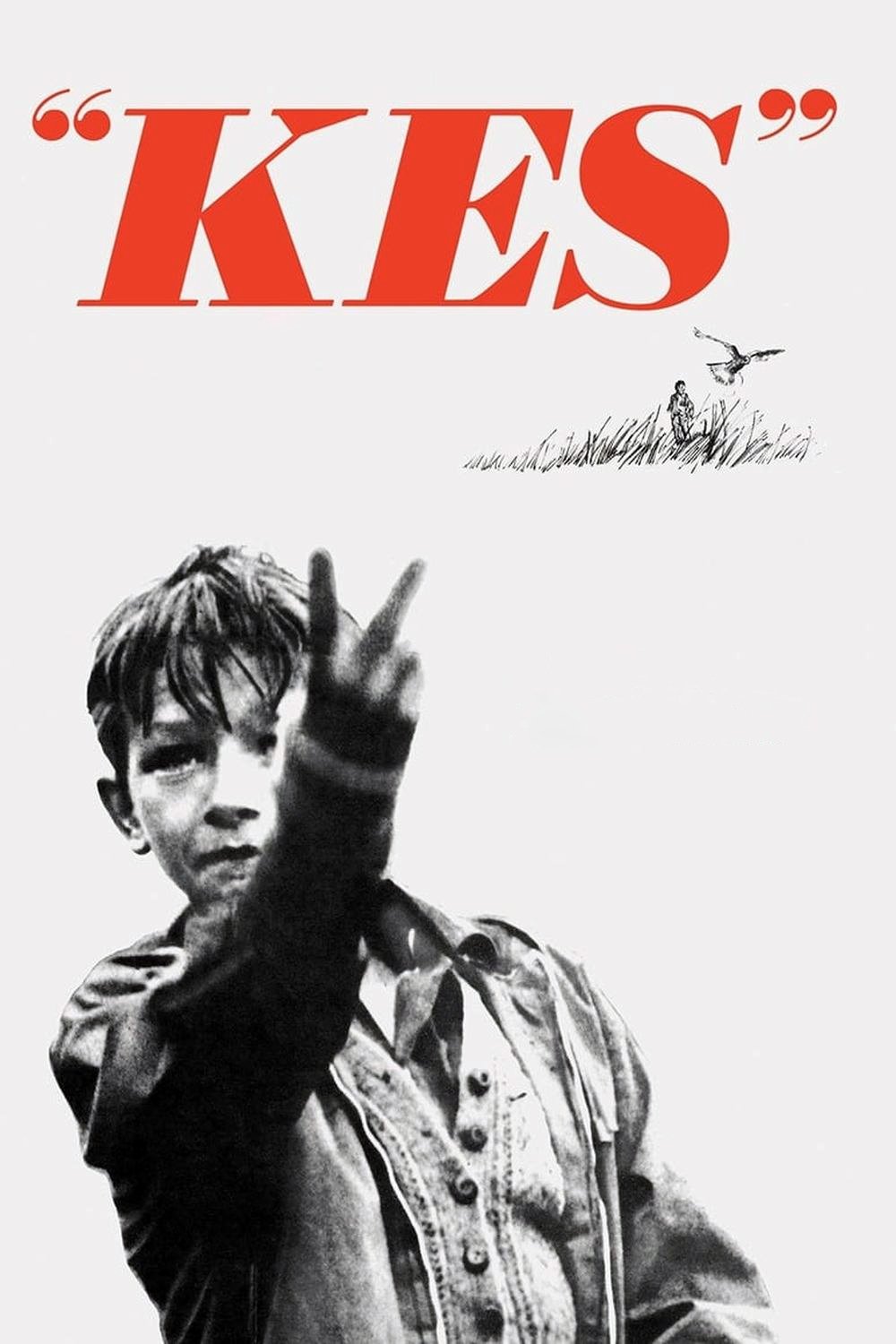
My first time watching “Kes” felt less like observing a story unfold and more like being quietly ushered into the soul of its main character, Billy Casper. Set in a working-class mining town in Yorkshire, this coming-of-age drama—masterfully directed by Ken Loach—immersed me in a world where dreams so often yield to harsh reality. Billy is a young boy whose daily existence is shaped by hardship: a fractured home life, bullying at school, and a prevailing sense that life doesn’t have much in store for boys like him. When Billy captures and begins to train a wild kestrel, something shifts. I saw a fragile hope awaken in him—a spot of color in the otherwise gray landscape that surrounds him.
I’m always careful not to give away too much about the ending, particularly because “Kes” builds such an intimate connection with the viewer that discovering each development as Billy does is essential. Still, it’s safe to say that Billy’s relationship with the kestrel becomes the focal point, granting him purpose and a rare sense of pride. The bird serves not just as a distraction from his troubles, but almost as a lifeline, tethering him to a sense of possibility. If you wish to avoid any spoilers, I would urge you to experience the story’s last act fresh—I found its emotional impact all the more profound for not knowing what was to come.
Key Themes & Analysis
Watching “Kes,” what struck me most forcefully was its unflinching portrayal of class struggle and institutional failure. The film, almost documentary-like in its realism, doesn’t romanticize the working-class environment or soften the blows delivered by indifferent teachers, violent siblings, or relentless poverty. The Yorkshire landscape is shot with such authenticity that I could almost feel the chill in the air. Cinematographer Chris Menges brings a muted palette and handheld camera work that underscores the fragility of Billy’s hope—each frame feels like a snapshot from real life, never polished, never stylized for effect.
Ken Loach’s direction demonstrates a deep empathy for his subject matter. I found myself drawn in by the way Loach resists melodrama; he lets moments breathe, even the silences stinging with suppressed emotion. The scenes depicting Billy training Kes are constructed with a kind of reverence, transforming falconry into a symbol of self-worth. I believe this is where “Kes” distinguishes itself: rather than presenting its protagonist as a mere victim, Loach carves out small victories and moments of transcendence amid relentless adversity.
The acting is astonishing in its naturalism. As Billy, David Bradley gives a performance that feels untouched by convention or pretense. He inhabits the role with a vulnerability and awkwardness that rings entirely true; his quiet, wide-eyed intensity conveys more than a dozen lines of dialogue ever could. The supporting cast, particularly Brian Glover as the overbearing PE teacher, bring a darkly comic edge that only serves to emphasize the grimness of Billy’s usual environment.
Themes of resilience, alienation, and fleeting hope pulse through every scene. I found myself reflecting on how the joys of youth are often so fragile, especially for those born into circumstances that offer little encouragement. The film’s most poignant moments, for me, are the quietest ones—Billy reading to Kes in the shed, a brief smile flashing across his usually guarded face. These scenes convey, without fanfare, the transformative power of care, whether directed toward another person or, as here, a wild creature.
My Thoughts on the Historical & Social Context
When I consider the year “Kes” was released—1969—I can’t help but think about the shifting social currents in Britain at the time. The late 1960s were a period marked by questions about class hierarchy, education reform, and the erosion of traditional industries. To me, “Kes” captures a snapshot of a society in transition, but it does so from the perspective of those left behind. The film doesn’t offer grand pronouncements or simplified villains; instead, it reveals how systems—schools, families, labor—can inadvertently crush the very people they are meant to nurture.
There’s a real difference between seeing something as a historical artifact and feeling its relevance today. I believe “Kes” matters now more than ever. In an age where economic uncertainty and social stratification remain pressing issues, watching Billy’s struggle feels heartbreakingly familiar. I sometimes wonder if we, as a society, have made enough progress since then, or whether the dreams of so many young people are still clipped by the same indifference. For me, the film’s enduring resonance lies in its unvarnished indictment of a society that too often fails to see the value in its most vulnerable children. The questions it raises—about agency, opportunity, and hope—are universal and timeless.
Fact Check: Behind the Scenes & Real History
Delving into the production history of “Kes” only deepened my appreciation for the film’s authenticity. One detail that fascinates me is that David Bradley, who plays Billy, was a complete amateur with no formal training before being cast. Loach and his team auditioned local schoolchildren from Barnsley and the surrounding area, seeking not actors, but real kids who understood the world they were trying to depict. The result, in my eyes, was an unforced realism that professional actors rarely achieve.
I’ve also read that the kestrels used in the film were meticulously handled to minimize stress, and that Bradley himself learned how to train and handle the birds for key scenes. This dedication to verisimilitude makes the falconry scenes feel every bit as gripping and tactile as any high-budget action set piece. To my mind, there’s a rawness to these moments that you simply can’t fake.
One final tidbit I love: the script is based on Barry Hines’ novel “A Kestrel for a Knave,” which itself drew from real experiences and people Hines knew growing up in Yorkshire. The accents, mannerisms, and locations are not generic stand-ins, but specific to that place and moment. This specificity, combined with Loach’s documentary style, makes “Kes” more than fiction—it’s a historical document, a glimpse into a vanishing world. Of course, some narrative liberties are taken, but the broad strokes are faithful to the economic and social constraints faced by many in post-war Britain.
Why You Should Watch It
- A deeply authentic portrait of working-class life that remains emotionally resonant
- One of the greatest child performances ever captured on film—David Bradley’s Billy is unforgettable
- Ken Loach’s direction and Chris Menges’s cinematography set a benchmark for social realist cinema that continues to inspire filmmakers today
Review Conclusion
For me, “Kes” remains one of the rare films that can claim not just to depict a place, but to somehow embody every hope, fear, and frustration of its inhabitants. There is pain in discovering that even acts of love and care may not be enough in the face of structural adversity, yet I leave each viewing of this film feeling more connected to the beauty and dignity found in small victories. It’s that unfiltered honesty, that refusal to sensationalize or sentimentalize, that leaves me so moved—and haunted—long after the credits roll.
If I had to assign a rating, I would give “Kes” a 5/5 for its fearless clarity, unforgettable performances, and the way it continues to challenge me every time I revisit it.
Related Reviews
- “The 400 Blows” (1959) – I find François Truffaut’s semi-autobiographical drama resonates deeply with “Kes” through its sensitive portrayal of a child’s inner life and struggles against authority. Like Billy, Antoine Doinel’s plight feels heartbreakingly real and relatable to anyone who has ever felt unseen.
- “Fish Tank” (2009) – Andrea Arnold’s gritty kitchen-sink drama inhabits a similar landscape of British working-class youth. The film’s raw performances and bracing realism remind me of the authenticity that makes “Kes” so powerful.
- “Ratcatcher” (1999) – Lynne Ramsay’s debut evokes the harshness and occasional tenderness of childhood in a struggling community. Both films use naturalistic style, striking imagery, and a child’s point of view to comment on broader social dysfunction.
- “Billy Elliot” (2000) – Although more uplifting in tone, this drama about a boy chasing a dream in another northern mining town is spiritually akin to “Kes.” The interplay of adversity, family strife, and the redemptive power of passion makes it a meaningful companion piece.
- “The Selfish Giant” (2013) – This contemporary British drama channels “Kes” through the lens of two boys navigating poverty and exclusion on the industrial fringes. Like Loach’s film, it refuses any easy answers, encouraging me to reflect on the enduring challenges facing working-class youth.
If you want to explore this film beyond basic facts, you may also be interested in how modern audiences respond to it today or whether its story was inspired by real events.
🎬 Check out today's best-selling movies on Amazon!
View Deals on Amazon