
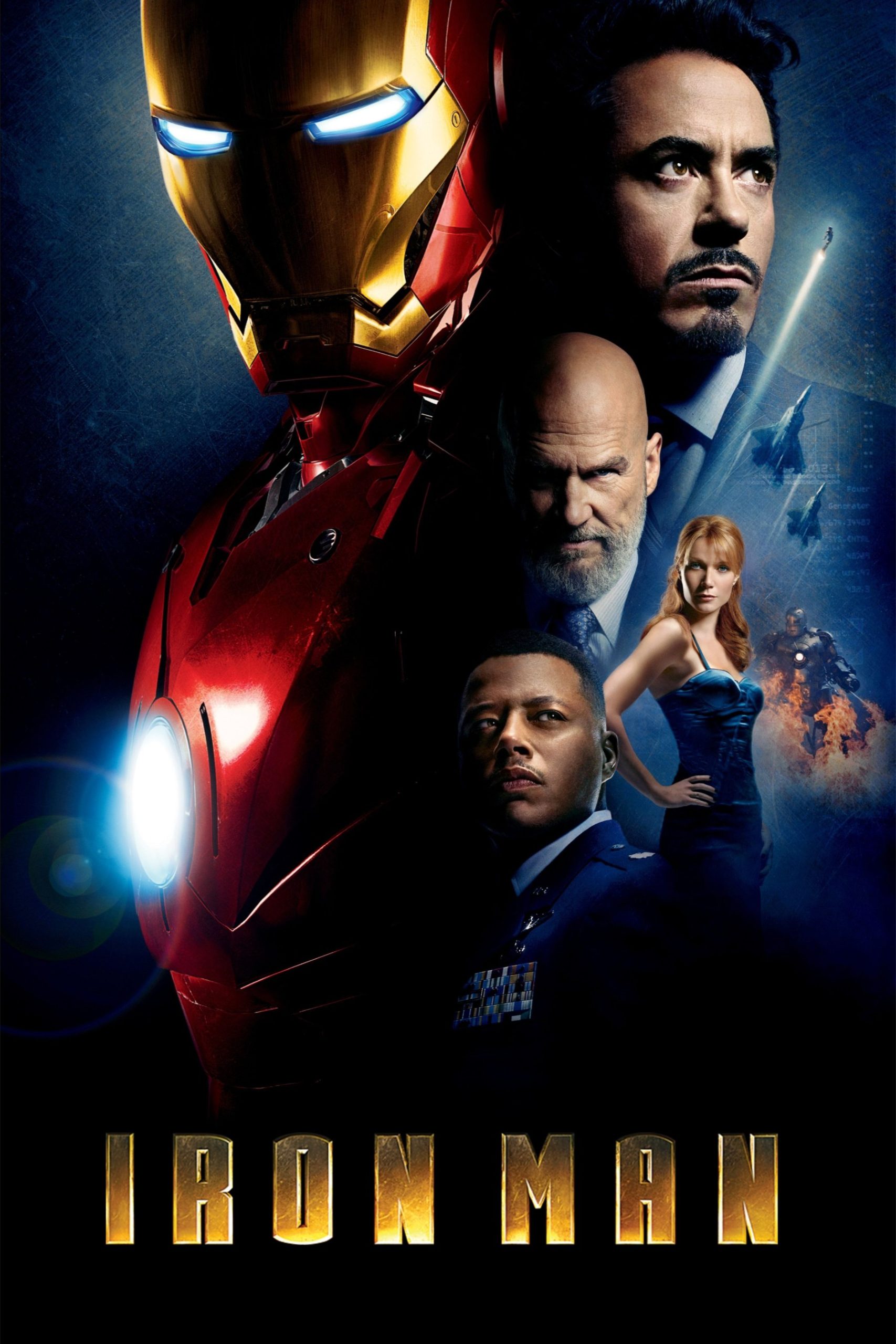
Plot Summary
I can still recall the surge of energy I felt as the first notes of AC/DC’s “Back in Black” thundered through the theater—it was clear I was in for a ride quite unlike any previous superhero experience. Jon Favreau, at the helm of this 2008 genre-defining film, wastes no time in throwing me into the chaotic world of Tony Stark: a billionaire engineer whose charm is only matched by his reckless bravado. As the story unfolds, I witness Stark’s world turned inside out by a shocking attack while in Afghanistan, a pivotal event that forces him to rethink not just his business—but his very identity as a person. Suddenly, the man once synonymous with arms manufacturing finds himself at the intersection of mortality, morality, and innovation. Without spoiling major revelations, I’ll simply say that Tony’s journey from captivity to self-made hero is a charged transformation fueled by ingenuity and regret, with moments of genuine fear and human vulnerability that set the stage for one of the most relatable superhero arcs in recent memory.
As a personal admirer of stories where technology meets ethics, I couldn’t help but be absorbed by Stark’s reinvention—a process dotted with second chances, unlikely alliances, and high-octane action sequences. Most notably, I found the film’s approach to his technological rebirth refreshingly tactile; Favreau’s direction never lets me forget the stakes or the scars, both visible and internal, that inform Tony’s mission once he returns home. The fallout of his decisions—both public and private—ripples outward, pushing the boundaries of what it means to be a hero.
Key Themes & Analysis
What truly differentiates Iron Man for me is how it prioritizes character over spectacle. Sure, there are flights and fights galore, but at its core, I see a story about personal accountability and transformation. Stark’s odyssey is as much an internal battle as it is a war against external threats, and Robert Downey Jr.’s performance brings a razor-sharp wit and a brokenness that feels desperately real. I’ve often argued that no other actor could have brought such a layered, unpredictable energy to Tony Stark’s self-discovery; the vulnerability Downey brings makes Stark’s genius and his flaws equally magnetic.
Favreau’s directing style stands out in its conversational looseness and refusal to treat superhero lore with undue solemnity. The camera lingers in unexpected places—on Stark’s workshop, the sparks flying both literally and metaphorically, or on the deadpan exchanges between him and his AI assistant J.A.R.V.I.S.—and I felt drawn in as if I, too, were tinkering away at a world-changing suit. The use of practical effects grounds the action in a gritty realism, most notably during the pivotal cave scenes where the earliest incarnation of Iron Man is born under duress. The sound design, the sparks, the weight of hastily-welded metal plates—each detail roots the film in tactile, emotional stakes.
I’m fascinated by how the film grapples with the ethical responsibility of invention. What begins as a story about flashy tech and corporate bravado gradually peels back to address consequences: How does a weapons manufacturer shoulder the devastation his creations wrought? I see Stark’s self-forgiveness—and refusal to return to the status quo—as an echo of post-9/11 anxieties about technology, accountability, and American intervention abroad. Stark isn’t just fighting villains; he’s wrestling with the ghosts of his own legacy.
While the film delivers its set pieces with gleeful confidence, I’m always most taken by its smaller moments—Pepper Potts (played by Gwyneth Paltrow) dressing Stark’s wounds, Rhodey’s conflicted sense of duty, and the sly interplay between loyalty and ambition within Stark Industries. These character-driven dynamics help the movie sidestep the pitfalls of typical origin stories, injecting it with a sincerity that makes even the most outlandish scenes feel emotionally coherent.
Visually, I found myself charmed by Matthew Libatique’s cinematography. His lens flirts easily between kinetic action and more intimate, dialogue-heavy sequences, imbuing the film with a duality that mirrors Stark’s dual life. The color palette shifts from arid bronzes and dusty neutrals in the caves to gleaming, almost sterile blues and reds in Stark’s workshop—reinforcing the distance the character travels thematically and emotionally.
Ultimately, the film’s structure and unapologetic tone set the blueprint for the Marvel Cinematic Universe. I remember being struck by how Iron Man doesn’t shy away from acknowledging the messiness of reinvention, and how Favreau’s steady directorial hand ensures that even Tony Stark’s missteps feel significant and hard-won.
My Thoughts on the Historical & Social Context
Reflecting on how Iron Man’s 2008 release shaped my perception of its narrative, I can’t ignore the era’s geopolitical backdrop. The mid-to-late 2000s were marked by prolonged wars in the Middle East, growing public skepticism about military contractors, and an increasing concern over technology’s unbridled proliferation. Watching Stark’s reckoning with the destructive reach of his inventions through this lens, I found the film resonated with contemporary debates over power, accountability, and corporate ethics. Tony Stark’s resistance to his own industry is, for me, an allegory for the American conscience wrestling with the unintended consequences of its global interventions.
I was personally struck by how the film deftly sidesteps jingoism, instead opting to interrogate the ethical ambiguities at play. This was a time when the superhero genre was beginning to mature, moving beyond clear-cut morality into gray territory. In today’s climate, the film still feels urgent—especially as we collectively grapple with the unintended impacts of artificial intelligence and military technology. Watching Stark choose to disavow easy profits for actual change feels newly radical every time I revisit the film. For me, that’s what separates Iron Man from the more disposable entries in the genre; its conscience is as vital as its spectacle.
The film’s global outlook, which dares to depict the realities of war and the costs of American corporate reach, lends it a relevance that endures. I find myself appreciating its willingness to critique as well as to cheer; the story’s optimism is always hard-won, sharpened by disillusionment and sincere attempts at restitution.
Fact Check: Behind the Scenes & Real History
One of the details I find most fascinating about Iron Man’s production is how it almost didn’t happen with Robert Downey Jr. in the lead. From everything I’ve researched, Marvel Studios initially hesitated to cast him due to his tumultuous personal history. Still, it was Favreau who insisted that Downey’s own jagged past would bring the right kind of edge and authenticity to Tony Stark—turning what could have been a risk into the film’s single greatest stroke of genius. Watching Downey forge Stark’s playful arrogance into an unexpectedly moving portrait of redemption, I still marvel at how perfect the casting feels in hindsight.
Another area where my research deepened my respect for the film is its blend of practical and digital effects. Rather than relying mainly on CGI, Favreau championed a mix of real-life suits and animatronics (courtesy of Stan Winston Studios) alongside visual effects. The gritty, tactile look of the original Mark I suit in the cave scenes is a direct result of these choices. For me, this decision injects a peculiarly human weight into the otherwise superhuman heroics—an innovation that contemporary superhero films often lack.
Finally, comparing the film’s setting to actual geopolitics, I discovered that while the comic book origin plants Tony in Vietnam, the movie’s choice to relocate him to Afghanistan isn’t just a narrative update—it’s a pointed reflection of American anxieties on the eve of the 2010s. That alteration grounds the story in contemporary realities without veering into heavy-handed commentary, making Stark’s transformation feel anchored and timely to me instead of a relic of past conflicts.
Why You Should Watch It
- Unrivaled lead performance: Robert Downey Jr. redefines both the superhero archetype and the antihero narrative with wit, vulnerability, and authenticity.
- Smart social commentary: The film interrogates corporatism and war profiteering, offering real-world relevance and a conscience often missing from blockbuster cinema.
- Engaging mix of realism and spectacle: Blending practical effects with digital finesse, Iron Man delivers action that’s as believable as it is exhilarating, making every confrontation resonate on a personal level.
Review Conclusion
What stays with me about Iron Man isn’t just its wisecracks or explosive set pieces; it’s the underlying conviction that nobody—no matter how powerful or broken—is beyond self-invention. Favreau’s deft direction, Downey’s magnetic performance, and the film’s shrewd ethical compass elevate it far above mere origin story. Each time I rewatch, I’m reminded why it set the standard for an entire cinematic universe. I give it 4.5 out of 5 stars: a near-flawless blend of heart, humor, and hard-won heroism that still feels urgently relevant today.
Related Reviews
- The Dark Knight (2008): I recommend this film for its similarly grounded approach to the superhero genre and its deep dive into moral ambiguity. Nolan’s examination of identity, justice, and chaos through the lens of Batman resonates with the introspective journey of Tony Stark. If you appreciated Iron Man’s ethical complexity, you’ll find plenty to ponder here.
- Spider-Man 2 (2004): For its focus on personal struggle, guilt, and the challenge of balancing genius with responsibility, Spider-Man 2 stands out. Sam Raimi’s vision brings an emotional weight that mirrors Iron Man’s approach to the burdens of heroism.
- Captain America: The Winter Soldier (2014): This entry in the Marvel saga shares Iron Man’s real-world political sensibility, interrogating surveillance and institutional trust. I found its hybrid of espionage thriller and spectacle to echo the same grounded realism and maturity.
- Minority Report (2002): Though not a superhero film, Spielberg’s sleek, tech-driven thriller explores personal redemption, surveillance, and the unintended consequences of innovation—core themes that dovetail with Iron Man’s own story of reinvention and responsibility.
If you want to explore this film beyond basic facts, you may also be interested in how modern audiences respond to it today or whether its story was inspired by real events.
🎬 Check out today's best-selling movies on Amazon!
View Deals on Amazon