
Plot Summary
Whenever I think back to my first experience with Pixar’s Inside Out, I’m caught up in a whirl of color and emotion—literally. Directed by Pete Docter, this animated adventure doesn’t just tell a story; for me, it dives straight into the emotional core that makes us human. The film introduces viewers to Riley, an 11-year-old girl whose life is suddenly uprooted when her family relocates across the country. But what truly fascinated me wasn’t the exterior plot of moving boxes and new schools—it was the ingenious way the story unfolded from inside Riley’s mind.
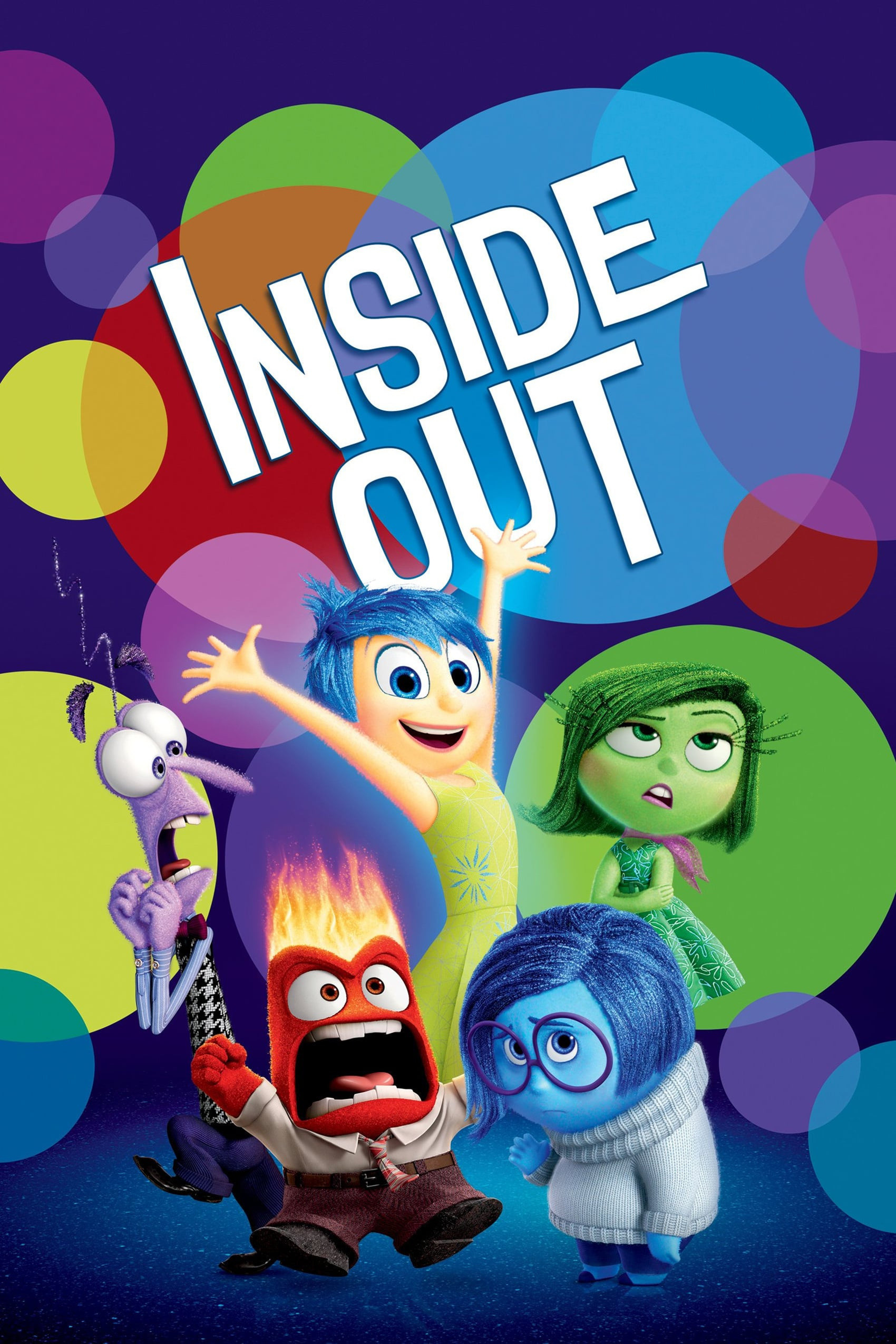
Inside that mind, five emotions—Joy, Sadness, Anger, Fear, and Disgust—form a kind of inner committee, each competing or collaborating to guide Riley through her turbulent new life. What really struck me was how the film doesn’t just assign them roles; it allows each emotion to have a full narrative arc, with its own quirks and failings. Most of the action unfolds in “headquarters,” where the emotions struggle to keep Riley’s “core memories” and sense of self intact amid changes and challenges. The journey becomes especially engaging when Joy and Sadness get lost in Riley’s labyrinthine subconscious, leaving Anger, Fear, and Disgust to take the emotional wheel, steering Riley into unexpected territory.
If you haven’t seen the film, this is where I’ll avoid specifics to spare you the biggest surprises. But I found that even knowing the shape of the story doesn’t blunt its impact—the real power comes from watching these emotions learn, stumble, and ultimately discover that each has a purpose. That realization forms the center of what makes Inside Out so rich and resonant, regardless of age.
Key Themes & Analysis
Right from the first frame, I realized this wasn’t just a children’s movie. Inside Out’s genius lies in how it treats children’s emotional worlds with a gravity and nuance I rarely see in animated films. One of the strongest threads throughout the movie is its exploration of the complexity and value of so-called “negative” emotions. For me, this felt both cathartic and revolutionary. Instead of treating joy as the only desirable state, the film acknowledges—and ultimately celebrates—the place of sadness, anger, fear, and disgust in our lives.
There’s a specific sequence—the one set in “Imagination Land,” a creative mishmash of Riley’s fantasies—that particularly inspired me. It makes it clear that growing up is not about gaining more control or even clarity, but embracing chaos and contradiction. The film tells us, with both wit and tenderness, that maturing means learning to weave together the whole spectrum of emotional experiences. I saw echoes of my own adolescent struggles here, and I suspect others will too.
Pete Docter’s direction is remarkably subtle for such a high-concept premise. The animation—full of rich, shimmer-like details—mimics the ephemeral nature of thought and memory, while playful visual metaphors (like the literal “Train of Thought”) kept me smiling in recognition. What left the deepest impression on me, though, was the voice acting. Amy Poehler pumps boundless optimism into Joy, while Phyllis Smith’s Sadness is so tender and relatable that I found myself rooting for her almost immediately. Each voice actor embodies the complexity and vulnerability of their assigned emotion, never resorting to caricature.
I also have to mention the color design and physicality given to each emotion—those choices did more than just decorate the film. They taught me to “read” each emotional beat in Riley’s story, turning every mood swing into a splash of kinetic energy. Michael Giacchino’s gently uplifting score was the final touch, providing a careful balance between exuberance and melancholy that echoes the main thematic thrust: finding harmony between opposites.
What ultimately hit me hardest was the film’s argument that pain isn’t something to be edited out of the story. True happiness, Inside Out argues, comes from letting ourselves feel deeply—even when it’s not easy or convenient. In a genre often obsessed with neat resolutions, this film’s wise, bittersweet conclusion stood out to me as a real act of creative courage.
My Thoughts on the Historical & Social Context
I watched Inside Out in the summer of 2015, a time when conversations about children’s mental health were just starting to get real public attention. The U.S., and much of the world, was moving away from the old “keep a stiff upper lip” approach, slowly waking up to the importance of actually naming and validating children’s feelings. For me, this film felt like it landed right on the crest of that cultural wave—making it both relevant and, I think, quietly radical.
Pixar has always had a knack for blending child-friendly animation with grown-up-level themes, but here, the company tackled depression, family disruption, and emotional intelligence head-on. I remember how, at the time, parents and teachers were starting to ask bigger questions: How can we help kids talk about sadness or anxiety? Why does the culture keep pushing constant happiness as the “goal?” This film’s insistence that Sadness is not only necessary but transformative struck me as both timely and hugely important.
I also think back to what was happening socially—the rise of social media, discussions about “fake” happiness, and growing awareness of how kids internalize emotional distress. The pressures Riley faces—new city, new school, trying to pretend everything’s fine when she doesn’t feel that way—seemed to mirror a broader shift, both for kids and adults. I saw the film’s mindscape as a kind of allegory for our era’s internal balancing act: the need to accept our emotional messiness instead of hiding it behind a polished surface.
What moves me most, looking back from today’s perspective, is how prescient the movie feels. In the years since, mental health discussions have only grown more urgent. Inside Out was, to my mind, ahead of its time in advocating for compassion, openness, and the acceptance of all kinds of feelings. Its message about the value of vulnerability resonates even more now, especially after years marked by isolation, upheaval, and renewed focus on wellness and empathy.
Fact Check: Behind the Scenes & Real History
I’m always fascinated by the stories behind the making of ground-breaking films, and Inside Out is full of them. One detail that stands out is how deeply personal this project was for director Pete Docter. He has said he was inspired by his own daughter’s experience with growing up and changing emotional landscapes. In my view, this explains the authenticity I felt in every frame—there’s a parent’s gentle wisdom embedded in the story’s intricate architecture.
Another piece I found intriguing concerns the way Pixar’s team developed the film’s look. Early character designs reportedly included up to 27 different emotions, but that proved both overwhelming and confusing. Through research, the creative team consulted with neuroscientists and psychologists to whittle the cast down to the five core emotions. The collaboration between storytellers and scientists gives the movie a unique psychological foundation, which I think helps viewers—especially children—connect with their own inner worlds in new ways.
On the technical side, animating the “mind world” presented fresh challenges. The character Joy, for example, was initially rendered with a radiant, glow-like effect. Pixar’s artists had to create brand-new software tools to produce her distinctive light particle aura, which I found gave her a palpable, untouchable quality that made dramatic sense.
I also discovered that early drafts included dream-like influences from filmmakers such as Michel Gondry and Jean-Pierre Jeunet, clear in the way the subconscious is visualized with surreal landscapes and shifting logic. That blend of creative influences, filtered through Pixar’s sensibility, set Inside Out apart from anything else in the studio’s filmography. There’s a palpable sense of innovation and risk throughout the production process, and knowing the lengths the team went to—from scientific research to technological breakthroughs—only deepens my appreciation for what they accomplished.
Why You Should Watch It
- You’ll experience an authentic, deeply-felt look at how emotions shape our memories and sense of self—something rarely explored in family-friendly films.
- The inventive animation and world-building create a visual and emotional journey that’s as entertaining for adults as it is for younger viewers.
- The film’s message about embracing all feelings—especially sadness—feels more important and resonant than ever in our current era.
Review Conclusion
Years after my first viewing of Inside Out, I’m still swept up in its blend of warmth, imagination, and honesty. It’s rare to find a film, especially in the animated genre, that takes children’s emotional realities quite so seriously while also providing such joyous, inventive entertainment. The combination of innovative storytelling, scientific insight, daring animation, and pitch-perfect voice acting makes this a high-water mark for Pixar. In an age where “happiness” is often fetishized, Inside Out’s perspective on the necessity of sadness and vulnerability feels not just fresh, but urgent. This isn’t just another animated caper—it’s a deeply empathetic journey that encourages viewers of all ages to honor their full range of emotions. I’d give it a bold 4.5 out of 5 stars.
Related Reviews
- The Iron Giant (1999): Like Inside Out, this animated film uses a vibrant visual style and a child’s perspective to gently examine complex emotional and social themes. I was struck by how both movies frame personal growth against the backdrop of loss, change, and the struggle to accept difficult feelings. If you appreciated the emotional honesty and “big questions” in Inside Out, The Iron Giant will resonate with you.
- Mary and Max (2009): For those who value animation as a vehicle for honest explorations of mental health, this Australian stop-motion film offers a darker, more adult-oriented take on loneliness, friendship, and empathy. What connects it to Inside Out, in my view, is its refusal to shy away from sadness or complexity—though its tone is less exuberant and more bittersweet.
- Bridge to Terabithia (2007): While not animated, this film mines similar territory in showing children navigating grief, imagination, and emotional discovery. I think both movies understand that resilience isn’t about erasing sorrow, but discovering the richness that comes from embracing the whole spectrum of feeling.
- Coco (2017): Another Pixar achievement, Coco delves into memory, family, and the bittersweet pull between joy and loss. The bold colors, innovative animation, and heartfelt storytelling create the same sense of emotional authenticity that won me over in Inside Out.
If you want to explore this film beyond basic facts, you may also be interested in how modern audiences respond to it today or whether its story was inspired by real events.
🎬 Check out today's best-selling movies on Amazon!
View Deals on Amazon