
Plot Summary
The first time I watched Independence Day, directed by Roland Emmerich in 1996, I felt a surge of adrenaline—I truly believed the fate of the world hung in the balance that summer. At its core, this film fuses science fiction spectacle with disaster movie thrills, weaving together multiple characters and plotlines as an immense extraterrestrial threat looms over Earth. What continues to stand out to me is the feeling of rapid escalation: we’re dropped into worldwide panic as gigantic alien ships descend, governments scramble, and ordinary people suddenly become heroes. The story follows everything from a tech-wiz cable guy and a cocky fighter pilot to a battered U.S. President, each racing to confront the unknown with wildly different backgrounds and stakes.
Without delving into major plot spoilers, the narrative structure is built like a ticking bomb: Emmerich keeps the tension unrelenting, frequently cutting between citywide destruction, military war rooms, and personal family dilemmas. I was particularly drawn to how the ensemble cast grounds the catastrophe, with every character contributing uniquely to humanity’s fight for survival. The film toes a line between bombastic heroism and intimate emotional stakes, which makes each act feel both huge and personal at once.
The strongest moments for me always come during scenes where ordinary individuals are forced to make impossible choices, against impossible odds, resigning themselves to a greater cause. When that dynamic between personal struggle and collective action plays out, it feels larger than any single alien invasion.
Key Themes & Analysis
What fascinates me about Independence Day years later is how it reimagines the classic science fiction disaster through a lens of global cooperation. The theme of unity against overwhelming adversity is explored not just on a national scale, but on a planetary one. I remember feeling a thrilling optimism as cities and nations—usually divided by politics—are suddenly forced to band together. The film’s emotional impact, for me, stems largely from these moments of solidarity, as well as the sheer scale of loss depicted across the world.
Looking closer at Emmerich’s directing style, I’m continually impressed by how he choreographs chaos without losing focus on his characters. The blend of practical effects and then-state-of-the-art visual effects creates a tactile sense of destruction. For instance, the now-iconic obliteration of city landmarks was achieved with miniature models and explosive practical effects, giving the chaos a visceral and grounded look that holds up even after all these years.
I also notice that the cinematography by Karl Walter Lindenlaub makes smart use of wide angles: the camera often pulls back to showcase the overwhelming size of the alien crafts, while tight close-ups capture the raw panic and hope of its cast. There’s a meticulous pacing that ramps up dread, briefly pausing for humor or humanity before unleashing heart-pounding action. I find it remarkable how such sequences, from air dogfights to intimate farewells, remain visually coherent and emotionally gripping.
On the acting front, Jeff Goldblum stands out, delivering sly intelligence and sharp wit in a role that could easily have been one-note. Will Smith, embodying the ambitious and brash Captain Steven Hiller, injects every scene with charisma and kinetic energy, balancing comic relief with genuine gravitas. Bill Pullman’s portrayal of the U.S. President brings a surprising tenderness and moral weight; his rallying speech, for me, remains one of the genre’s best motivational moments. Supporting roles from Mary McDonnell, Judd Hirsch, and Brent Spiner each add texture, elevating the human cost amidst the spectacle.
What ultimately stays with me is how the film uses spectacle not only for entertainment but to spark reflection on vulnerability, resilience, and sacrifice. There’s an old-Hollywood grandeur and optimism baked into the script that makes it more than an ordinary summer blockbuster. By juxtaposing mass destruction with personal courage, Independence Day redefines the stakes of the sci-fi genre, asking what society is willing to do—together—when confronted with annihilation.
My Thoughts on the Cultural Impact & Legacy
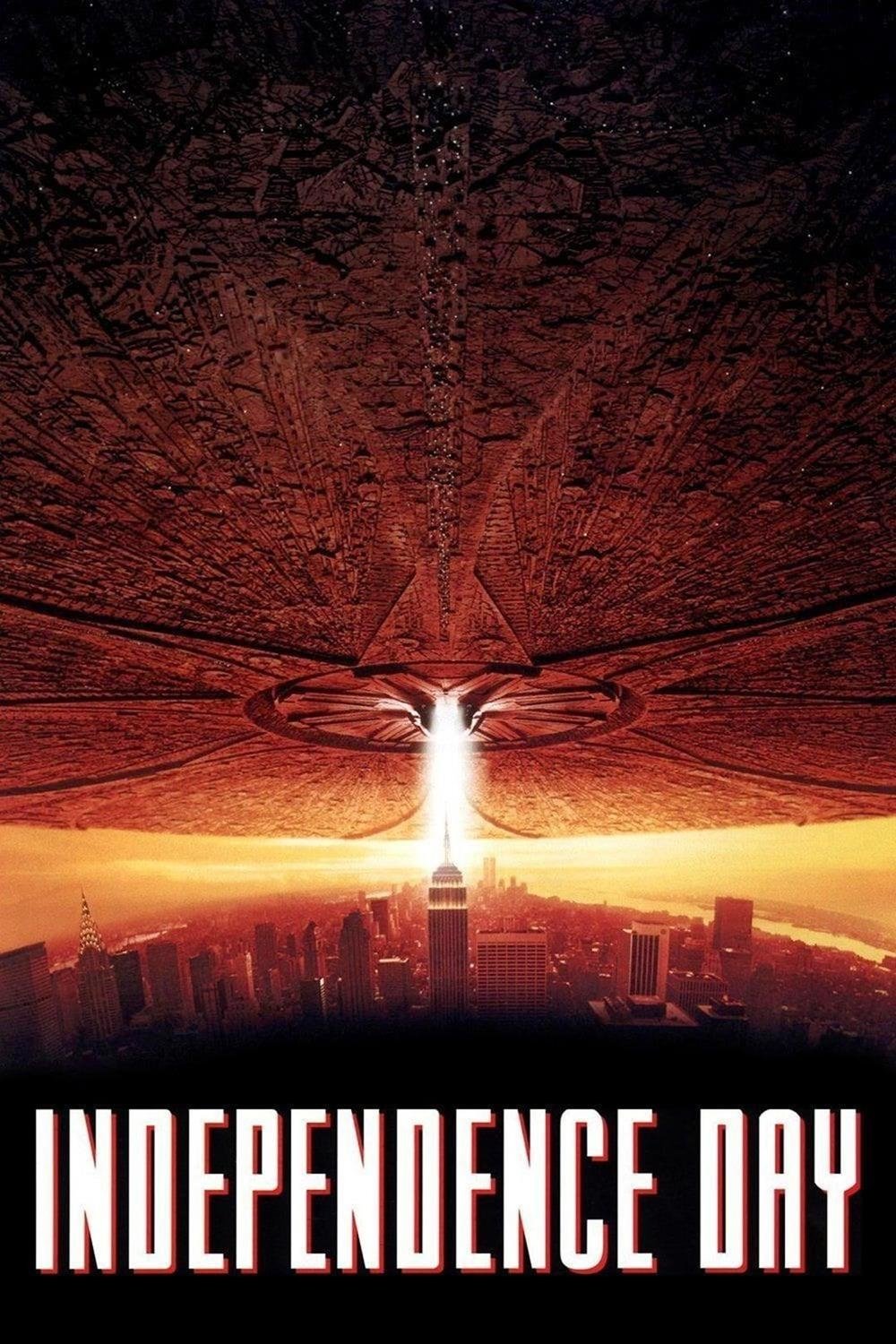
From my vantage point as a film enthusiast, Independence Day fundamentally reshaped my expectations for modern blockbusters. I can still recall the cultural buzz building in 1996, as television spots and word-of-mouth stoked curiosity and anticipation. In my view, the film ignited a renaissance for ensemble-driven disaster epics, with studios racing to replicate its formula of destruction, drama, and droll comic beats. I often think back to how the film’s image—a massive mothership gliding over a skyline—became instantly iconic, recognizable even to those who had never seen the movie.
What matters most to me is how the film helped move Hollywood toward more global, inclusive narratives for blockbuster storytelling; here were lives from different backgrounds, all center stage, with their own moments of bravery and heartbreak. The tone, both earnest and cheeky, has influenced major franchises and big-budget spectacles ever since, including the Marvel Cinematic Universe’s approach to balancing sincerity with humor.
Personally, I find myself returning to the way the film frames humanity’s relationship with disaster and hope. While some criticize its jingoistic undertones, I interpret its optimism as fundamentally about belief in possibility—the idea that, when united, we might achieve the miraculous. As someone who grew up with a steady diet of science fiction, this film crystallized for me why these stories are important: they allow audiences to confront existential anxiety while modeling heroism and adaptability.
In curating science fiction for others, I’m always aware of how deeply this film set the template for emotional stakes at a global level. Independence Day occupies a special place in my memory as a film that not only entertained me, but challenged me to look beyond borders and divisions, imagining a world where our differences become our strength in the face of unimaginable threats. That sense of inclusivity and scale remains unmatched.
Fascinating Behind-the-Scenes Facts
When I look back at the making of Independence Day, I’m struck by the ingenuity and risk embedded in its production. One detail I find endlessly intriguing is how the film’s iconic White House explosion sequence used a detailed miniature that was over 10 feet long, rigged with dozens of high-speed cameras to capture the perfect, devastating shot. The production team could only shoot it once due to the intricacy and cost, which meant every element had to be meticulously planned. That’s a level of craftsmanship rarely seen in today’s CG-heavy era.
Another anecdote that sticks with me involves casting and last-minute scrambles. Will Smith was not the studio’s top choice for the lead role; executives hesitated to cast him, worried about international appeal, until director Roland Emmerich insisted that Smith’s dynamic presence was essential. That decision, in hindsight, transformed both the film and Smith’s career, showcasing the power of conviction behind-the-scenes.
A lesser-known, but equally fascinating fact, centers on the movie’s viral marketing campaigns. I remember learning that the studio ran a promotional campaign simulating government cover-ups and Area 51 conspiracies online, far ahead of its time in terms of using the Internet to build intrigue. This move not only enhanced the film’s mysterious aura, but also laid the groundwork for modern viral campaigns in the film industry—redefining how movies could engage audiences beyond the theater.
Why You Should Watch It
- If you crave high-stakes, visually spectacular disaster movies that balance action with emotional engagement, this film delivers a pulse-pounding ride from start to finish.
- For those who appreciate blendings of humor and heroism—with standout performances from Will Smith, Jeff Goldblum, and Bill Pullman—Independence Day is a textbook example of effective ensemble storytelling.
- If you’re interested in blockbusters that shaped modern pop culture and set new standards for summer event movies, this is essential viewing within the sci-fi genre.
Review Conclusion
After revisiting Independence Day, I’m reminded why it’s more than just a nostalgic spectacle—it’s an exhilarating, surprisingly hopeful meditation on what it takes to unite amid chaos. For me, its combination of technical innovation, bold performances, and sweeping optimism still packs a punch, even years removed from its premiere. With its enduring legacy and relentless energy, I happily give the film a solid 4.5/5 stars. It remains one of the rare blockbusters I recommend without hesitation to anyone craving both suspense and an uplifting vision of collective heroism.
Related Reviews: Connected Classics and Blockbusters
- War of the Worlds (2005) – I see Spielberg’s adaptation as a spiritual sibling to Independence Day; both films pit ordinary families against overwhelming alien forces, emphasizing the emotional fallout alongside widescale destruction. If you’re drawn to the mixture of blockbuster spectacle and intimate tension, it’s a must-watch.
- Armageddon (1998) – For those who loved the global stakes and ensemble cast of Independence Day, I always point to Michael Bay’s asteroid epic. The two films share a relentless pace, memorable one-liners, and a penchant for blending absurdity with genuine heroics.
- Edge of Tomorrow (2014) – This modern sci-fi gem echoes Independence Day’s spirit of resilience in the face of annihilation but adds a clever time-loop twist. I found both films thrilling for their inventive action, grounded performances, and ultimately hopeful tone.
- Pacific Rim (2013) – Guillermo del Toro’s kaiju blockbuster captures a similar sense of worldwide unity against an inhuman enemy. Like Independence Day, it balances grand-scale battles with quirky, heartfelt character moments, making it perfect for fans seeking both chaos and camaraderie.
- The Day After Tomorrow (2004) – Since it’s another Roland Emmerich outing, I see this disaster epic as a thematic sibling, trading alien invasions for climate catastrophe but retaining that global, ensemble-driven formula. If the tone and direction of Independence Day appealed to you, this follow-up is naturally compelling.
For readers looking to go deeper, these perspectives may help place the film in a broader context.
🎬 Check out today's best-selling movies on Amazon!
View Deals on Amazon