
Plot Summary
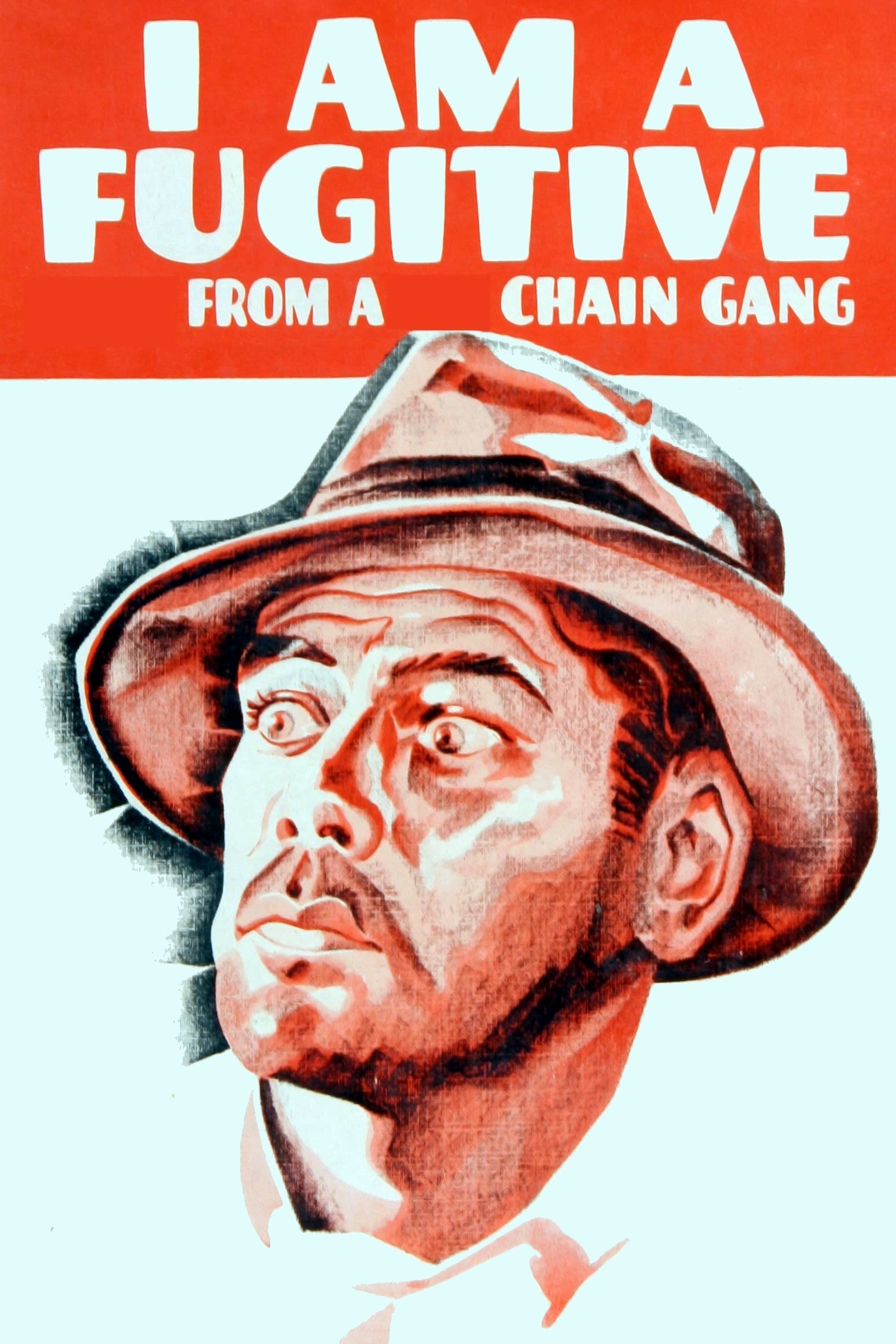
Sitting in a darkened room with “I Am a Fugitive from a Chain Gang” flickering before me, I couldn’t shake the feeling that I was witnessing more than just a story; I was connecting with a raw, almost desperate plea for justice. Directed by Mervyn LeRoy in the early 1930s, this searing drama thrusts its audience into the oppressive world of prison labor in the American South. The tension never lets up, but I found that the film’s mastery lies in how it draws me in with empathy instead of bombast.
Following World War I, I watched James Allen (portrayed with both subtlety and intensity by Paul Muni), a recently returned veteran, as he tries to build a new life, only to be unjustly accused of a crime he didn’t commit. Allen’s subsequent journey through the chain gang system is a harrowing odyssey—one that LeRoy refuses to sanitize for comfort. While I want to steer clear of major spoilers, it’s worth warning: the film’s climactic confrontations and Allen’s ultimate fate may leave some viewers shaken by their starkness. The heart of the story, for me, beats in the scenes where justice and hope wither under institutional cruelty. Those moments lingered, gnawing at me long after the credits rolled.
Throughout, the pacing remains gripping and taut—never wasting a frame. Even the film’s quieter pockets are charged with a sense of paranoid energy, as Allen encounters characters who range from exploitative to compassionately human. As I retraced Allen’s steps, railroaded into a world of hard labor, desperation, and fleeting resistance, I realized just how thoroughly the film places the audience within his skin; it’s a narrative built to rattle and provoke without resorting to melodrama.
Key Themes & Analysis
What struck me most as I navigated “I Am a Fugitive from a Chain Gang” was its blistering social critique. For a film made in 1932, the candor with which LeRoy and his collaborators illuminate institutional injustice is still startling. Through Paul Muni’s quietly devastating performance, I found myself questioning not just the nature of crime and punishment, but also the meaning of personal dignity in a system devoted to breaking it down. Allen’s transformation—from hopeful war veteran to a man hunted by both the law and his own conscience—mirrors a society grappling with its own shattered postwar optimism.
The cinematography by Sol Polito deserves particular mention. What I noticed immediately was how the camera’s restless mobility and shadow-saturated compositions conjured a sense of both literal and metaphorical entrapment. When Allen crawled through muck, or the prisoners marched in the harsh glare of the workyards, I could almost feel the cloying weight of that environment—every shot serving as a silent condemnation of the cruelty embedded in the chain gang system.
LeRoy’s direction is nothing short of fearless. Rather than painting Allen as either a hardened criminal or a sanctified victim, LeRoy opts for authenticity. The film resists easy sentiment, trusting the audience to recognize injustice without theatrical speeches. I realized that even in moments of fleeting hope or generosity—when Allen glimpses the possibility of escape or friendship—there’s an underlying dread, a sense that freedom is always conditional, contingent on some faceless authority’s whim.
The supporting cast amplifies this sense of verisimilitude. Characters like Marie Woods (Glenda Farrell) bring a bedraggled realism to the picture. In particular, Farrell’s turn as the opportunistic landlady gave me a sense for the era’s brutal survival instincts, her every choice echoing the film’s larger themes: how desperation blurs moral boundaries, and how justice often goes to the highest bidder.
The screenplay, adapted from the memoir by Robert Elliott Burns, pulses with urgency and pain. I appreciated how the dialogue avoids stilted moralizing; instead, it’s sharp, lived-in, and loaded with tension. The editing, too, wields a propulsive force—scenes of Allen’s attempted escapes are pared down and tightly wound, each cut mirroring the constant threat of recapture. The film’s chilling finale, which I won’t spoil, struck me as one of the most haunting in pre-Code Hollywood, an ending that refuses easy reconciliation and instead leaves viewers (especially me) both devastated and galvanized.
Beyond the immediate narrative, I found that “I Am a Fugitive from a Chain Gang” is ultimately a film about hope versus hopelessness—about what happens when society systematically grinds down the individual, and whether anything can possibly grow in the devastated soil left behind. The fact that the movie remains a masterclass in social commentary—even nearly a century later—speaks volumes about its artistry and intent. I could not help but compare it to contemporary exposes of institutional failure, yet few manage the same blend of indignation and empathy.
My Thoughts on the Cultural Impact & Legacy
What lingers with me, far beyond any individual performance or technical flourish, is how profoundly “I Am a Fugitive from a Chain Gang” reshaped my understanding of what pre-Code Hollywood was capable of accomplishing. This wasn’t just another social drama; it was a lightning rod, galvanizing public opinion and instigating debates about penal reform across the United States. I find it almost miraculous that a studio picture from this period could so effectively push past mere entertainment and become a direct indictment of governmental abuse.
The film’s lasting resonance stems from both its artistry and its bravery. When I compare it to other movies of the era, I am consistently moved by its willingness to name names and assign blame without couching its outrage in platitudes. It arrived right as Americans were questioning old systems, and it offered not just catharsis but also a call to action.
As a film curator and critic, I measure this movie’s significance not just by its awards or box office returns (though it was both a critical and popular success), but by the reactions it continues to provoke. I can recall discussions with fellow cinephiles who pinpoint this movie as the moment social realism found a foothold in Hollywood. Even now, whenever I revisit “I Am a Fugitive from a Chain Gang,” I sense echoes in the works of Sidney Lumet, Norma Jewison, or even modern chronicles like Ava DuVernay’s “13th.”
For me, the legacy is also personal. I’m continually struck by how the film undermines cinematic conventions of its own era, refusing any simple redemption arc, instead asking viewers to confront the uncomfortable truths that persist in our institutions today. That’s why I often return to it when programming retrospectives or writing about the history of American film—because it’s a rare example of art directly changing both audience consciousness and the law itself. The film spurred real-life outrage and activism, contributing to changes in the treatment of prisoners and lending a voice to those who had none. That, to me, is evidence of real cinematic power.
Fascinating Behind-the-Scenes Facts
One of the most fascinating aspects of “I Am a Fugitive from a Chain Gang” for me is the fact that Paul Muni was not the studio’s first choice for the lead. The role of James Allen was originally considered for other stars, but Muni, with his background in the Yiddish theater and a reputation for immersion in his roles, ultimately secured the part. His meticulous preparation included research into Southern prison camps and meeting with former convicts, lending the character uncommon authenticity. As someone who values character-driven storytelling, I find this commitment genuinely inspiring.
Another production detail I find remarkable is the film’s use of real former chain gang prisoners in supporting roles. LeRoy, determined to bring an unvarnished realism to the screen, cast several non-actors who had directly experienced the system. This choice imbued scenes with a gravity and credibility that most Hollywood productions of the time could only dream of, and it made me realize just how much the film owes its emotional impact to voices rarely given the spotlight.
Perhaps most intriguing is the fact that the movie’s maker, Mervyn LeRoy, faced considerable pressure from studio heads and even Southern politicians to soften the film’s criticisms, fearing backlash or censorship. Instead, with the direct support of Warner Bros., LeRoy pressed forward—cynically aware that a glossed-over ending would rob the film of its bite. I often think about the courage it took to stick to the story’s uncompromising vision, especially in an era when the Hays Code was tightening its grip. That choice, for me, is what elevates this film from provocative to genuinely revolutionary.
Why You Should Watch It
- The film’s raw, unflinching examination of America’s justice system still resonates today, and its power to evoke empathy is unparalleled.
- Paul Muni’s performance as James Allen is a mesmerizing masterclass in restraint and emotional nuance.
- Its place in history—as both an influential social document and a touchstone for prison dramas—makes it indispensable for anyone interested in the evolution of American cinema.
Review Conclusion
Rarely am I shaken by a film as I am by “I Am a Fugitive from a Chain Gang.” Every aspect—from its thunderous social message to its lived-in performances and uncompromising direction—draws me back for repeat viewings. I would urge anyone with an interest in the roots of social justice cinema, or those simply seeking a jolt of genuine cinematic urgency, to experience this classic firsthand.
This is not just a film to admire, but one to feel, question, and remember. My rating: 5/5 stars.
Related Reviews
- “The Grapes of Wrath” (1940): I recommend this because, like “I Am a Fugitive from a Chain Gang,” it’s an unvarnished portrait of American hardship—unflinching in its look at institutional neglect and the indomitability of the human spirit. Both films share a capacity for generating empathy through direct, socially conscious storytelling.
- “Brute Force” (1947): I see a direct line from LeRoy’s film to this prison noir. It’s a different era, but the air of desperation, the themes of injustice, and the claustrophobic intensity all echo the earlier film’s innovations.
- “Cool Hand Luke” (1967): If “I Am a Fugitive from a Chain Gang” opened the doors for prison dramas, “Cool Hand Luke” ran through them. I’m drawn to the lineage of resilience and outsider rebellion that connects the two, along with their visual language and critiques of authority.
For readers looking to go deeper, these perspectives may help place the film in a broader context.
🎬 Check out today's best-selling movies on Amazon!
View Deals on Amazon