
Plot Summary
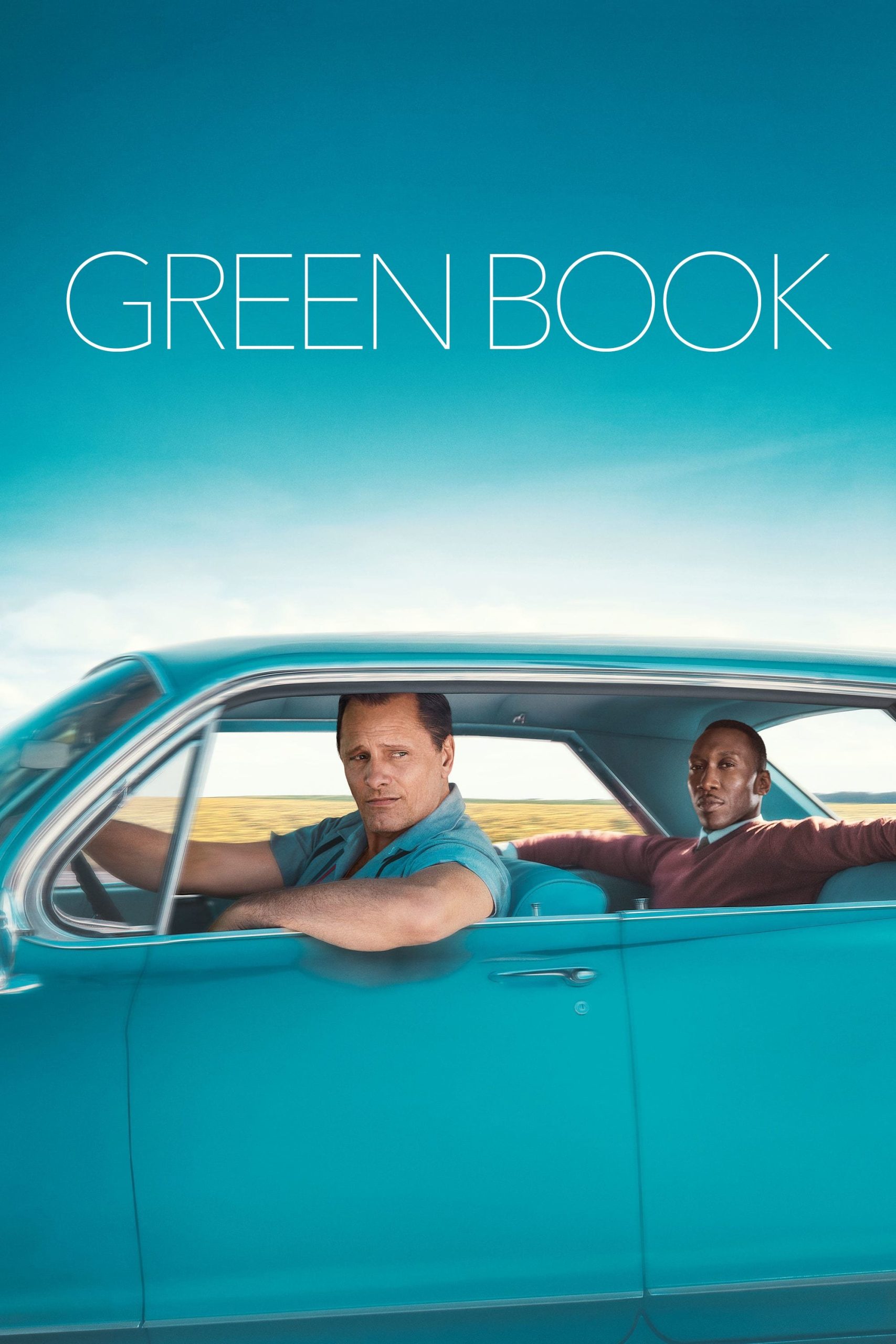
From the first moment, what struck me was how Peter Farrelly’s direction drew me into a world both intimate and vast. Set in the early 1960s, the story follows Tony “Lip” Vallelonga, played with striking authenticity by Viggo Mortensen, a tough but soft-hearted bouncer from New York. When Tony is hired as a driver for Dr. Don Shirley, a world-class African-American pianist portrayed by Mahershala Ali, their journey through the Deep South unfolds as both a literal and metaphorical road trip brimming with tension, resilience, and unexpected friendship.
I found myself absorbed in the dynamic as these two men, brought together by circumstance but separated by culture, class, and race, used the Green Book—a travel guide for Black motorists during the Jim Crow era—to navigate both physical and societal obstacles. While the film spends much of its runtime exploring their evolving relationship, their conversations and the challenges they face along the route are presented with both humor and unflinching honesty.
The beauty of the story, for me, is how the script weaves lighter moments with deeply rooted social commentary. The film is careful not to spoon-feed solutions or wrap difficult themes in a perfect bow, instead letting the cracks show in both characters and society. If you want to avoid major story spoilers, it’s best to experience this arc for yourself, as some plot turns hit hardest when unexpected. But rest assured, the soul of the film rests not in shocking revelations, but in the nuanced moments where empathy is tested, pride is confronted, and humanity is revealed—on both sides of the car’s divide.
Key Themes & Analysis
What truly lingers with me about Green Book isn’t just the stylish 1960s set pieces or the clever one-liners; it’s the film’s attempt to grapple with issues of race, dignity, and isolation—not in sweeping pronouncements but in quiet exchanges. The concept of “otherness” pulses through every frame, whether it’s Don Shirley’s lonely, cavernous apartment or Tony Lip’s boisterous, bustling home life.
Mahershala Ali’s performance is a masterclass in restraint; every glance, every pause, carries volumes of lived pain and stubborn pride. For me, Ali embodies the burden of assimilation and the agony of being exceptional in a world determined to keep you outside. I was repeatedly moved by how Ali’s Dr. Shirley both resists and yearns for connection, relying on Tony’s bluntness as much as he holds himself apart from it.
Viggo Mortensen, meanwhile, brings a remarkable physical transformation and a buoyant energy to Tony—but what I found even more impressive was his ability to make ignorance feel real, and change feel hard-earned. Their chemistry on screen felt honest rather than sentimental, as mistrust gives way to grudging understanding. The humor in their exchanges never trivialized the stakes at hand; instead it underscored how humor can be survival, resistance, and even a bridge between worlds.
Farrelly, who I once knew only for broad comedies, delivers a remarkably restrained directorial hand here. The cinematography, with its sun-dappled highways and cramped diners, captures both the hope and claustrophobia of their journey. The camera often lingers on the discomfort—awkward silences, telling glances—which I found far more haunting than any explicit act of racism. Nicholas Britell’s plaintive jazz score echoes Don Shirley’s internal world and sets a tone I can honestly say stayed with me long after the credits rolled.
Thematically, Green Book doesn’t claim to solve racism. What I admire is its focus on how change can occur—not as a grand gesture, but through accumulated acts of kindness and persistence. For me, the film’s heart isn’t so much about “fixing” bigotry, but about convincing two men—and, by extension, the audience—that no one’s story is reducible to stereotype.
Of course, the film isn’t without controversy; I’ve spent plenty of time reflecting on critiques of its approach. Some view Green Book as an “uplifting” tale told through a white lens, potentially reducing the pain of segregation to a backdrop for a feel-good buddy story. I think these criticisms matter, and I find myself wrestling with the film’s take on who gets to be centered in stories about racism, and whether reconciliation is always so tidy. Still, the emotional truth the actors bring to each scene—and the honest depiction of messy, gradual understanding—feels undeniable to me.
My Thoughts on the Cultural Impact & Legacy
What’s impossible for me to ignore is how Green Book sparked an enormous conversation about the “race-relations” film in the 21st century. In an era where movies often chase spectacle, I appreciate how this film leaned into character and dialogue. Its Best Picture Oscar win was, to put it mildly, divisive. As someone who cares deeply about both film’s craft and film’s place in social discourse, I found it fascinating to watch the reactions ripple across the industry and broader world.
For me, Green Book stands as both a work of art and a cultural flashpoint. There was something profound in how it forced a new reckoning over whose stories are told, and how much progress we have truly made as a culture. I can recall heated debates with friends about its “Hollywood ending,” yet I remain affected by the scenes that resist easy answers—moments where Tony and Don seem irreconcilable, but choose to keep driving anyway.
Personally, what makes this film resonate with me is not its resolution but its process: the halting, sometimes awkward way change comes about in real life. Green Book, for me, represents how films can be both necessary and flawed, beautiful and frustrating, and how the very act of watching can provoke deeper self-examination. As a curator and lover of cinema, I find myself returning to the questions it raised, not just about representation but about responsibility: Who gets to tell whose story? Who is this film for? And how can art push us beyond comfort without resorting to despair?
In my wider experience, the legacy of Green Book is less about its awards and more about its challenge—a reminder that the movies we make and consume are a reflection not just of where we are, but who we aspire to be. It’s a film I keep recommending, not as a perfect answer, but as a catalyst for the kinds of conversations we need, and as a testament to the power of honest performance to open eyes and hearts.
Fascinating Behind-the-Scenes Facts
Over the years, I’ve dug deep into the making of Green Book—partly out of admiration, partly out of curiosity at how such a seemingly straightforward film could spark so many feelings. One detail that caught me off guard is that the real Tony Vallelonga’s son, Nick Vallelonga, was not only a co-writer but also heavily involved in production. This connection gave the film its authentic cadence (the malapropisms, the family quirks) but also fueled debates about perspective and bias. Knowing that the script sprang from family anecdotes made me rethink the film’s choices—what was included, what was omitted, and what was embellished.
Another compelling behind-the-scenes moment occurred before cameras even rolled: Mahershala Ali, in preparing for his role as Don Shirley, spent months learning to mimic Shirley’s distinctive posture and piano playing. While the piano tracks in the film are performed by virtuoso Kris Bowers, Ali worked obsessively with both the music and choreography teams to ensure every on-screen performance felt utterly real. I found this kind of commitment a testament to why Ali’s performance feels so haunting: it’s grounded in both emotional and physical discipline.
Lastly, I’ve always found it fascinating that Peter Farrelly’s leap from broad comedies like Dumb and Dumber to this nuanced drama was considered a major risk in Hollywood. The commitment by Farrelly to cast against type, especially with Mortensen who spent time gaining weight and adapting an authentically gritty accent, showed that the heart of Green Book was always about transformation—on and off the screen. The director’s willingness to step outside his comfort zone mirrored the story’s call for empathy and growth, which I felt added another layer of meta-narrative for cinephiles like me.
Why You Should Watch It
- The performances by Mahershala Ali and Viggo Mortensen deliver a masterclass in subtle, layered acting that elevates every scene.
- The film creates space for urgent conversations about race, identity, and empathy—both between its characters and among its audience.
- The road-movie structure and period details provide a visually rich and emotionally honest journey that lingers long after viewing.
Review Conclusion
I walked away from Green Book with more questions than answers, but also with a renewed appreciation for films that dare to wade into uncomfortable waters. It’s not flawless—few films dealing with such loaded subject matter can be. Yet, Ali and Mortensen’s chemistry, Farrelly’s surprising restraint, and the film’s willingness to invite nuance rather than certainty made it one of the most discussed and thought-provoking experiences I had that year. For anyone seeking a movie that refuses complacency and rewards attentive viewing, I personally rate Green Book 4.5 out of 5 stars. It’s a film I’ll keep returning to for its humanity, even as I remain challenged by its omissions and choices.
Related Reviews
- Driving Miss Daisy (1989): I recommend this film for its intimate portrayal of friendship layered over a difficult history of racial division. Both films use the vehicle as more than a mode of transport—it’s a crucible where change, discomfort, and understanding are forged.
- BlacKkKlansman (2018): For those compelled by the social themes in Green Book but wanting a sharper, more confrontational take on race relations, this Spike Lee film delivers urgency, dark humor, and layers of meaning relevant to today.
- The Intouchables (2011): This French film, also based on a real-life friendship that defies social boundaries, shares Green Book’s blend of warmth, comedy, and difficult honesty, but approaches differences from a different cultural perspective.
- Hidden Figures (2016): With its focus on unsung Black heroes during a pivotal era in American history, this film resonates with Green Book’s spirit of discovering dignity and brilliance against adversity, and features similarly engaging performances.
For readers looking to go deeper, these perspectives may help place the film in a broader context.
🎬 Check out today's best-selling movies on Amazon!
View Deals on Amazon