
Plot Summary
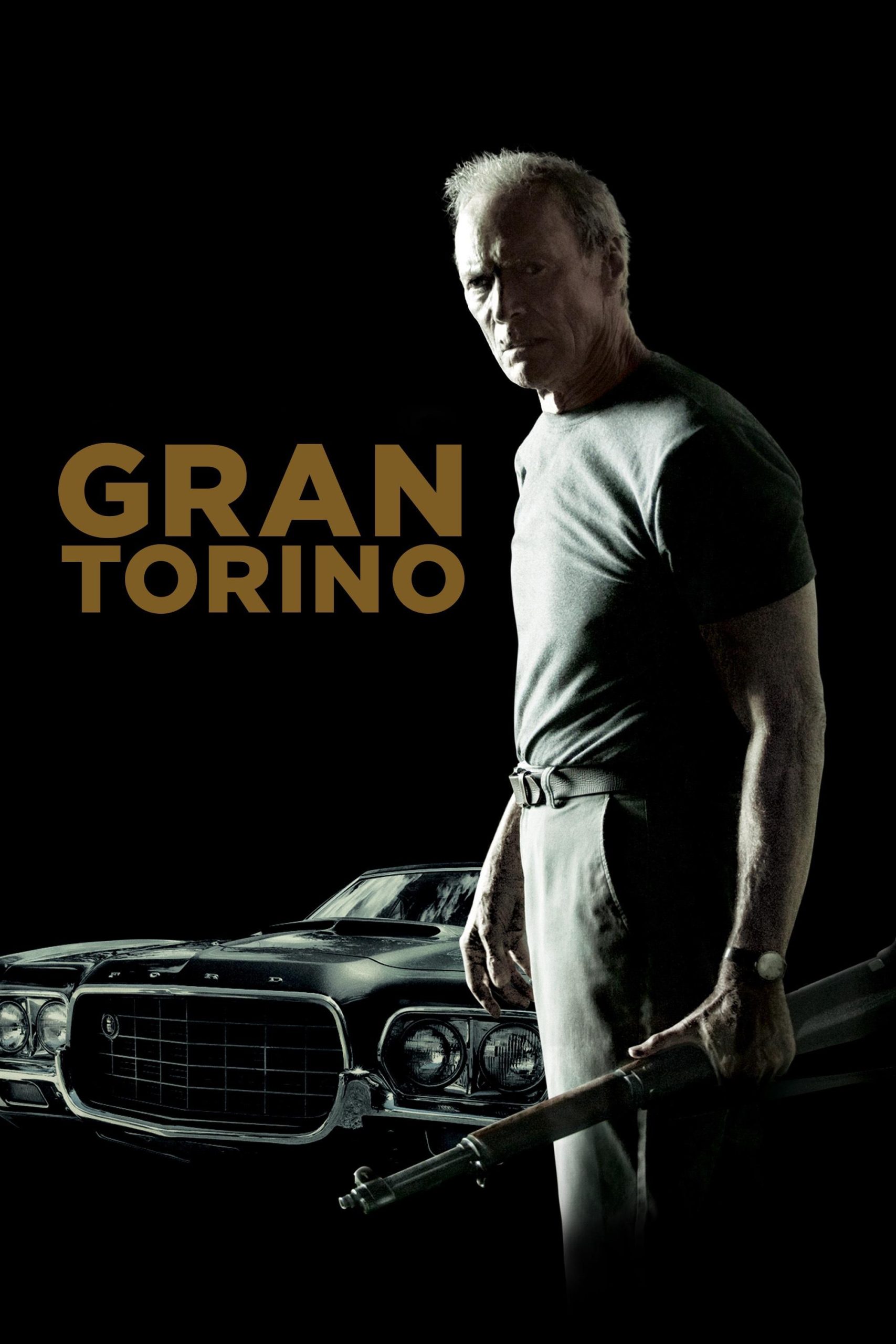
Walking into Gran Torino, I didn’t expect the kind of emotional journey Clint Eastwood would take me on. This film, directed by Eastwood himself, draws its tension and strength from a deceptively simple premise: a recent widower, Walt Kowalski, grudgingly contends with life in a rapidly changing neighborhood. Watching Walt’s interactions with his Hmong neighbors unfold, I saw a story that feels both timeless and sharply contemporary. The film guides us through Walt’s routine existence—his surly demeanor, ritualistic maintenance of his prized 1972 Gran Torino, and wariness toward anyone he perceives as “other.” Pretty quickly, it became clear that the car represents more than just a classic vehicle—it’s a living artifact of Walt’s fading worldview.
Without delving into significant spoilers, the turning point hinges on an attempted theft of the Gran Torino by Thao, the shy Hmong teenager next door. What fascinated me was the unexpected connection that develops between Walt and the Hmong family, forcing Walt to confront his prejudices and entrenched habits. The film’s slow unraveling of these relationships is what kept me glued—each tension-filled interaction serving as another crack in Walt’s tough façade. Violence, loyalty, and redemption are all in play, yet the film’s greatest accomplishment is its refusal to offer them in neat packages. If you want to avoid spoilers, rest assured: while major narrative twists are carefully shielded, the emotional stakes are evident from the very first frame.
Key Themes & Analysis
What really distinguished Gran Torino for me wasn’t just its narrative but its unflinching confrontation with race, generational divides, and the weight of personal history. Clint Eastwood’s performance almost feels like a summation of his previous iconic roles; every gravelly utterance and withering stare echoes Dirty Harry and William Munny, but there’s a vulnerability beneath the bravado. I found the film’s exploration of masculinity and vulnerability to be particularly provocative. Walt’s gruff masculinity masks wounds left over from war, grief, and a changing country that no longer fits his ideals.
The dynamic between Walt and Thao, as well as Walt and Thao’s sister Sue, is what really drives the film’s emotional current. Sue, in particular, challenged my assumptions and provided a counterpoint to Walt’s ingrained bigotry. I was struck by the film’s willingness to let scenes breathe—silence, awkwardness, and even discomfort allow viewers space to wrestle with their own preconceptions.
On the technical side, Tom Stern’s cinematography uses muted color palettes and sharp contrasts to depict the stasis of Walt’s world and the liveliness of his neighbors’ lives. The soundtrack—especially Eastwood’s somber, restrained musical motifs—wraps the film in a sort of melancholic reverence, adding emotional heft without overwhelming the material. Eastwood’s direction feels as though it’s in conversation with his own cinematic past. There’s a sense of final reckoning—he’s not just playing a role, but also examining the archetype he helped create through decades in Hollywood.
What I truly admire is the film’s lack of easy answers. Redemption, in this narrative, is messy and incomplete. Gran Torino invites the audience to sit with discomfort, never shying away from the ugliness of racism or the consequences of violence. It’s a film that lingers with me long after the credits roll, challenging moral binaries and easy sentimentalism.
My Thoughts on the Cultural Impact & Legacy
When I reflect on the legacy of Gran Torino, I recognize how much it redefined my expectations for what a Hollywood “redemption drama” could achieve. Released in 2008, at a time of significant social and political change in America, it struck me as both a mirror and a provocation. Gran Torino isn’t just a personal story—it’s a national conversation wrapped in a screenplay. Watching it, I saw how the film stoked debates about race relations, intergenerational tensions, and the meaning of citizenship in the United States. Rather than painting Walt as a simple villain or hero, Eastwood offers a complicated portrait—one that resists clear labels and instead invites dialogue.
It’s no exaggeration to say that this film made me rethink the possibilities of mainstream filmmaking dealing with themes of immigration and identity. I remember, upon first viewing, being mesmerized by how Eastwood’s star persona was deconstructed, laying bare the contradictions of traditional American “toughness.” The film quickly permeated pop culture, becoming a reference point for how movies can tackle difficult conversations without reverting to platitudes. More personally, Gran Torino shaped my own approach as a film critic and curator: I saw firsthand how it brought diverse audiences together, sparking meaningful debate about empathy, change, and acceptance.
Years later, the film’s resonance hasn’t dulled for me. It still feels relevant—if not more so—in today’s climate of polarized identities and cultural misunderstandings. I find myself returning to Walt’s journey as a study of what honest self-reflection looks like under the harshest of lights. That, for me, is its greatest legacy: the invitation to reconsider our biases and our capacity for connection, no matter how unlikely or uncomfortable.
Fascinating Behind-the-Scenes Facts
One behind-the-scenes story that fascinates me is the casting process. Clint Eastwood insisted on authenticity in representing the Hmong community; instead of seasoned actors, he and casting director Ellen Chenoweth recruited many cast members directly from Hmong neighborhoods. For example, Bee Vang, who portrayed Thao, had no major acting experience prior to shooting. This deliberate choice contributed to the film’s grounded, lived-in realism—and I felt that authenticity leap off the screen.
Another detail I find remarkable involves the titular car itself. The 1972 Gran Torino used in filming wasn’t a prop conjured up for effect—it belonged to a private collector and was meticulously restored before being used on set. Eastwood himself took a lively interest in how the vehicle was treated both onscreen and during production, highlighting the car’s symbolic power as an extension of Walt’s identity. I love how this anecdote underscores just how crucial that car is to every narrative beat.
One more technical tidbit that stands out for me: Clint Eastwood famously shot the film on an accelerated schedule, often completing scenes in one take. This approach, typical of his directorial style, enhances the rawness of the performances. Watching the film, I could sense the immediacy and spontaneity that this rapid shooting style lends to each interaction. For me, that made the drama feel even more urgent and authentic.
Why You Should Watch It
- If you want a film that explores redemption and prejudice in a way that refuses neat, feel-good resolutions, Gran Torino delivers a story that’s as challenging as it is rewarding.
- For those drawn to nuanced character studies, Clint Eastwood’s performance is a masterclass in conveying internal conflict and transformation without showy dramatics.
- If you appreciate films that dare to prompt honest, sometimes uncomfortable conversations about race, community, and forgiveness, Gran Torino is essential viewing for its unflinching gaze and thoughtful complexity.
Review Conclusion
After all my viewings and countless discussions sparked by Gran Torino, I always return to the profound impact it’s had—not simply on its genre, but on me personally. Clint Eastwood delivers a performance and a directorial vision that invites reflection, discomfort, and ultimately, understanding. The story may appear raw and even abrasive at times, yet under the surface, it’s quietly meditative, offering no shortcuts to catharsis. I firmly believe Gran Torino remains one of the bravest and most unvarnished examinations of American identity to come out of modern cinema. My only critique lies in occasional narrative bluntness, but even that feels true to the film’s uncompromising tone. For its courage, honesty, and lingering questions, I confidently rate it 4.5 out of 5 stars.
Related Reviews
- A History of Violence – I recommend this for anyone interested in the intersection of personal trauma and violence within an American small-town setting. Like Gran Torino, it uses character-driven storytelling to explore the cost of buried histories and the struggle for redemption in a restless world.
- Million Dollar Baby – Beyond the obvious Clint Eastwood connection, I always draw parallels due to its careful balance of themes: aging, regret, family, and the search for meaning in later life. The emotional gravity and nuanced performances make it an ideal companion piece.
- American History X – If what drew you to Gran Torino was its unflinching examination of racial prejudice and transformation, this film’s bleak honesty and fierce performances will resonate. Both function as conversation starters for crucial societal self-examination.
- The Visitor – For a quieter, indie take on cross-cultural connection and loneliness, I often recommend this film. Its depiction of unlikely friendships and cultural awakening offers a gentler, but equally profound, reflection on what it means to let others in.
For readers looking to go deeper, these perspectives may help place the film in a broader context.
🎬 Check out today's best-selling movies on Amazon!
View Deals on Amazon