
Plot Summary
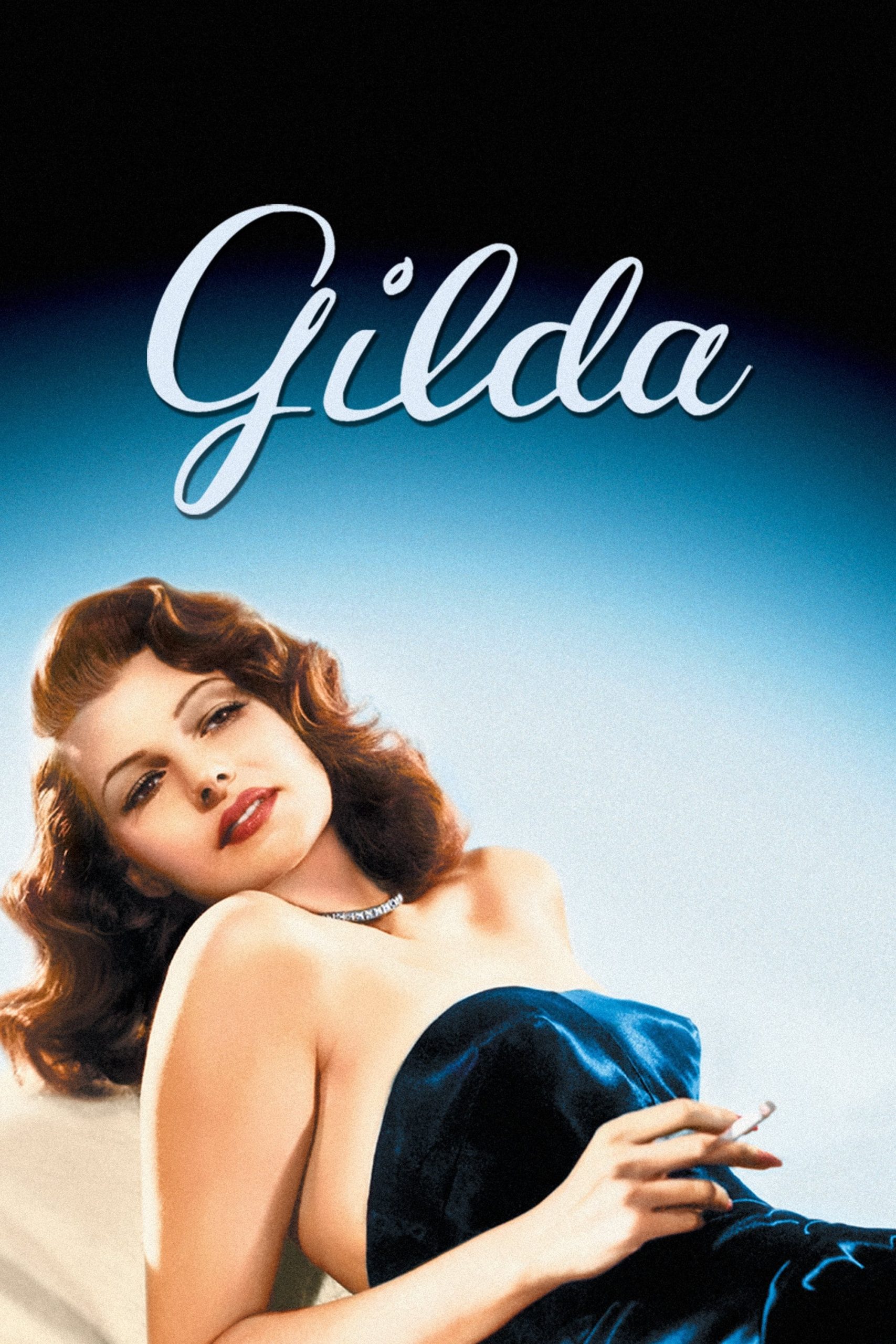
I vividly remember the first time I sat through Gilda—I was instantly swept away by its intoxicating blend of romance, suspense, and the unmistakable electricity that only classic Hollywood noir delivers. Directed by Charles Vidor, Gilda drew me into the shadowy world of postwar Buenos Aires, a backdrop where nothing is ever as it seems. The story is driven by the arrival of Johnny Farrell, an American gambler whose luck—and life—changes dramatically the moment he crosses paths with Ballin Mundson, the enigmatic owner of an upscale casino. But what truly fueled my fascination was the entrance of Gilda herself, a woman so magnetic she seemed to bend the axis of every scene.
Without giving away too many twists (though consider this a soft spoiler warning for those who treasure total surprises), I found the unfolding dynamic between Johnny, Ballin, and Gilda to be one of the most nuanced love triangles I’d encountered. Johnny is drawn into a labyrinth of loyalty and betrayal, with each character guarding secrets that simmer beneath the surface. What I appreciate most is how the film teases at motivations—it’s rarely clear who is using whom, or what anyone truly desires. This ambiguity held me gripped, wanting to parse every gesture and side-glance for hidden meaning.
For viewers new to Gilda, let me reassure you: while the plot weaves in elements of crime and passion, it never descends into melodrama. Instead, there’s a careful calibration throughout, allowing the story’s tension to build naturally, all the while casting a spell that keeps me coming back for repeat viewings.
Key Themes & Analysis
What struck me most about Gilda is how the film weaponizes glamour and danger in a way that’s both exhilarating and deeply unsettling. Themes of power, identity, and obsession run like a live wire through every exchange. I’ve always found the concept of identity in Gilda particularly fascinating: the characters are constantly reinventing themselves or clinging to versions of the truth that serve their fleeting desires. Gilda herself is a perfect example—she’s simultaneously an object of desire, a victim, and a force of unpredictable agency. Watching Rita Hayworth own every frame, I realized how director Charles Vidor deliberately blurs the boundaries between power and vulnerability. There’s a persistent question: Who controls the narrative, and at what cost?
Visually, Gilda is a masterclass in noir cinematography. I can never get enough of the film’s smoky ambience—the interplay of light and shadow that defines the genre. Cinematographer Rudolph Maté paints Buenos Aires as a place where secrets thrive in dim corners, and faces are often half-hidden, suggesting emotional truths that can never be spoken outright. What captivates me is how the film’s visual style isn’t just aesthetic window dressing—it reinforces the psychological stakes. Shadows swallow up characters, echoing their internal conflicts; sharp beams of light momentarily expose what’s hidden, creating bursts of vulnerability.
Performance-wise, I’m always bowled over by Rita Hayworth’s magnetic presence. Her rendition of “Put the Blame on Mame” remains, for me, one of the most iconic musical performances in film—not for its vocals, but for the way she transforms it into an act of defiance. Hayworth’s Gilda is luminously layered—seductive, yes, but never merely a femme fatale cliche. Each gesture is calculated, each expression loaded with ambiguity. I find Glenn Ford’s portrayal of Johnny Farrell just as compelling; he manages to evoke sympathy even as his motivations spiral into darker, more obsessive territory. The tension between Ford and Hayworth is so palpable that, even after all these years, I still catch myself holding my breath during their most charged confrontations.
I also cannot overstate how Vidor’s directorial choices elevate the psychological intensity of the entire film. He uses repetition, close-ups, and strategic pacing to build a sense of inevitability, as if these characters are caught in a doomed waltz. The editing is so precise that every glance and silence lands with devastating weight. For me, these filmmaking choices ensure that Gilda feels alive—never dated, never predictable, always governed by desire, regret, and the search for redemption.
Beyond the technicalities, I felt the social commentary at play in every corner of Gilda’s world. The film subtly addresses issues of gender and power—the ways women are alternately celebrated and condemned for their sexual autonomy, and how men, threatened by this, often weaponize love as a means of control. This underlying current of tension between liberation and repression is why, for me, Gilda is more than a stylish thriller; it’s a sophisticated examination of postwar anxieties and the human drive for connection—even if it comes at the expense of self-destruction.
My Thoughts on the Cultural Impact & Legacy
Returning to Gilda time and again, I find myself marveling at its lasting relevance. For me as a curator and critic, Gilda is the quintessential noir that redefined what a femme fatale could be—forever altering the blueprint for complex female characters on screen. The film was groundbreaking in its depiction of sexual agency, offering a model of female power that was both alluring and dangerous, nuanced and deeply sympathetic. Rita Hayworth became an icon partly because of this duality, and I think her legacy lingers in every cinematic interpretation of a woman who refuses to be categorized.
I’m always struck by how Gilda seemed to anticipate conversations that would dominate film discourse for decades. The tension between spectacle and substance, the interplay of vulnerability and strength, and the insistence on characters who are defined, not by their archetypes, but by their contradictions—these are themes still being mined by filmmakers today. Watching Gilda, I see the seeds of later masterpieces: the flirtation with genre, the subversion of traditional gender roles, and the boldness to suggest that desire and guilt are forever entwined.
Gilda’s shadow looms large over the entire noir genre. When I program retrospectives or write about genre cinema, I often point to Gilda as the moment when noir achieved both mass popularity and undeniable critical respect. It’s not just the style that endures—it’s the willingness to ask uncomfortable questions about love, loyalty, and the masks we all wear. The film’s audacity in presenting flawed, wounded characters feels astonishingly modern, even now.
Personally, what resonates most with me is how Gilda upends the notion of easy answers. Its lasting power lies in its moral complexity and its fearless gaze at the shadows we all carry. This is the reason I champion Gilda whenever someone wants to understand why mid-century film noir still matters.
Fascinating Behind-the-Scenes Facts
Digging into the story behind Gilda, I’ve uncovered details that deepen my appreciation for what unfolds on screen. First, I was surprised to learn that Rita Hayworth’s famous “Put the Blame on Mame” number was not sung by her, but dubbed by Anita Ellis. Hayworth herself choreographed the now-legendary glove striptease, bringing a personal flair and confidence to the number that would become instantly iconic—so much so that both censors and audiences debated its meaning for years afterward.
Another revelation that intrigues me is how the palpable chemistry—and tension—between Hayworth and Glenn Ford was complicated by a real-life friendship marked by rivalry and mischievous pranks. Ford famously put a whoopee cushion on Hayworth’s chair during filming, trying to break the tension on set. Despite—or maybe because of—these playful antics, their on-screen dynamic became the heart of the movie.
I’m also fascinated by the production’s technical challenges. The celebrated shadow lighting wasn’t just for atmosphere; it frequently masked rushed set changes and script rewrites, as the filmmakers struggled to satisfy the Production Code’s moral mandates while retaining the film’s provocative edge. The creative workarounds that Vidor and his team devised are, to me, a testament to the resourcefulness that drives great art under constraint.
Why You Should Watch It
- It delivers unforgettable characters—especially Gilda herself—whose complexity rewards careful attention and repeated viewings.
- The film’s visual style and psychological depth represent the absolute high-water mark of classic noir cinematography and storytelling.
- It grapples with universal questions of trust, desire, and redemption, making it as relevant now as it was almost eighty years ago.
Review Conclusion
Reflecting on Gilda, I’m always left with the sense that I’ve witnessed something both dangerous and luminous. The way Charles Vidor marshals every element—from casting to camera movement—creates a film that feels utterly confident in its ambiguity. Rita Hayworth’s performance alone is enough to make Gilda essential viewing, but the richness of its themes and the sophistication of its filmmaking make it a standout of American cinema. If you’re looking for a film that will both thrill and unsettle, that will prompt you to look deeper at the faces behind the smoke and mirrors, this is the one I recommend without reservation.
My star rating: 5/5.
Related Reviews
- Double Indemnity (1944)—Whenever I reflect on Gilda’s exploration of duplicity and morally ambiguous romance, my mind returns to Double Indemnity. The film’s razor-sharp dialogue and similarly provocative femme fatale make it a perfect companion for viewers who appreciate tension-laden noir with biting social commentary.
- Notorious (1946)—Alfred Hitchcock’s film is a masterwork of suspense and twisted desire set amidst a dangerous postwar world, echoing many of the emotional and visual undercurrents I find in Gilda. The interplay between Cary Grant, Ingrid Bergman, and Claude Rains is as sharp—and as shadowy—as any noir relationship.
- Leave Her to Heaven (1945)—While pushing at the boundaries of noir with its Technicolor excess, this melodrama explores destructive love and obsession from a female perspective, much like Gilda’s critique of agency and social expectation.
- Laura (1944)—Otto Preminger’s atmospheric thriller shares with Gilda a fascination with identity, longing, and the way truth morphs in the haze of memory and desire. The central mystery, anchored by Gene Tierney’s performance, delivers similar cerebral pleasures.
For readers looking to go deeper, these perspectives may help place the film in a broader context.
🎬 Check out today's best-selling movies on Amazon!
View Deals on Amazon