
Plot Summary
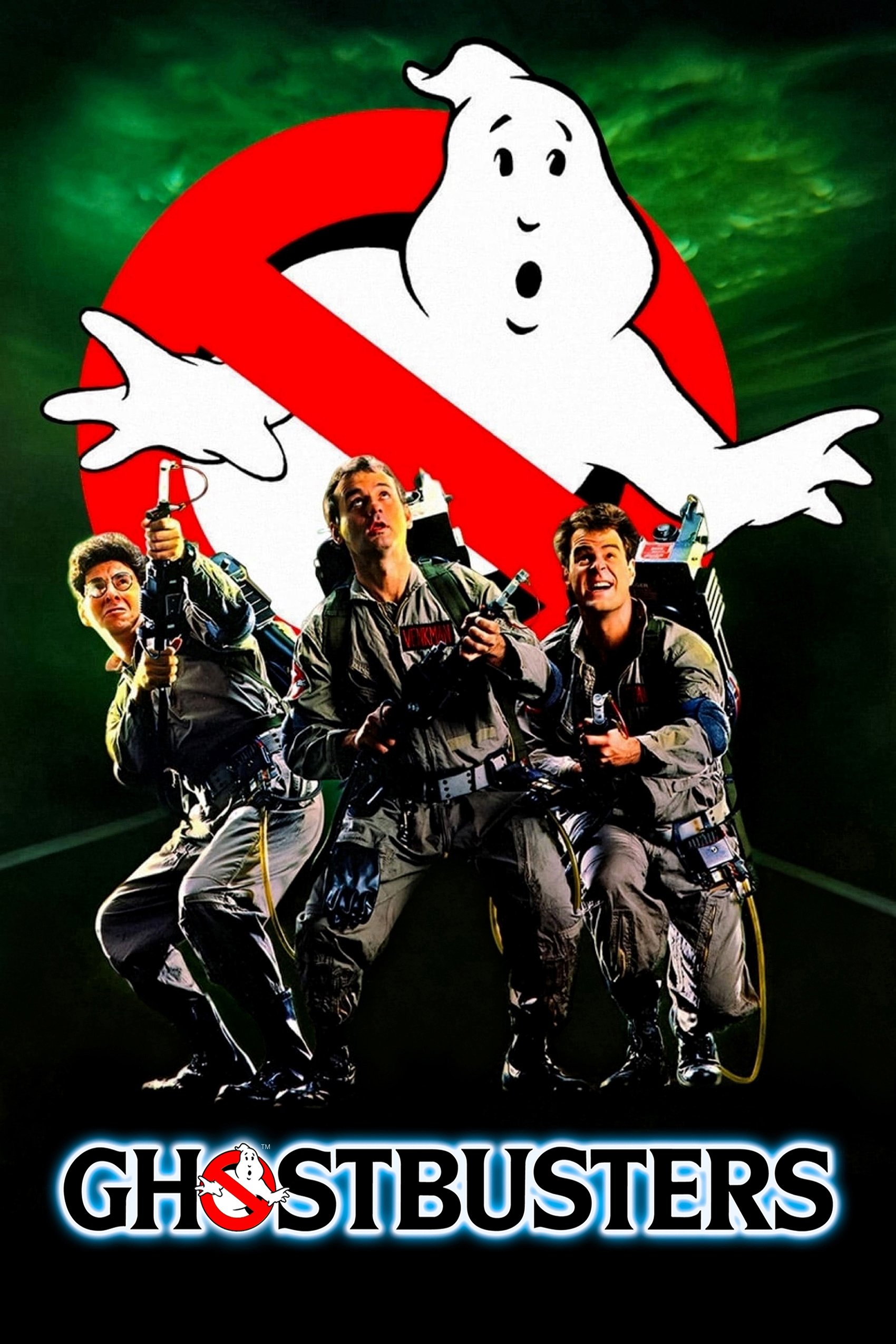
Every time I revisit the first moments of Ghostbusters, I’m instantly transported into a world that teases absurdity and possibility without ever tipping its hand too early. I love how director Ivan Reitman sets a playful tone right from the jump. Watching three quirky scientists—Peter Venkman, Ray Stantz, and Egon Spengler—fumble through a ghost encounter in the New York Public Library, I felt both the exhilaration of the unknown and the comedy of human ineptitude. What follows is a series of wild choices: academic careers ending, a new business being born inside a decrepit firehouse, and public skepticism turning, almost overnight, into frantic demand for professional ghost-catching services. If you haven’t seen Ghostbusters, I won’t spoil its finale, but be warned: After a slow build, chaos erupts on a scale that even my most jaded movie-watching self still finds breathtaking and hilarious.
I always find myself grinning at the understated absurdity: nuclear-powered gadgets, corporate logos slapped onto paranormal services, ghostly green apparitions making late-night TV news. The movie’s narrative structure doesn’t follow a traditional hero’s journey; it’s more like a madcap sprint through 1980s New York, where a supernatural crisis tests and upends every social norm. The central team, as unlikely a bunch of heroes as I’ve ever rooted for, must balance love, friendship, and bureaucracy—all while facing off against unspeakable entities from another dimension.
Key Themes & Analysis
For me, the central theme of Ghostbusters is the collision of science and the supernatural, wrapped in a sly satire of American commercialism and bureaucracy. I find myself especially drawn to the way science, here embodied by the Ghostbusters, becomes as much about making a living as about advancing knowledge. The scientific jargon, the outrageous proton packs, and the DIY lab equipment aren’t only gags—they’re a commentary on how American ingenuity turns everything, even the absurd, into an industry.
I also find the camaraderie among the Ghostbusters to be the film’s lifeblood. Bill Murray’s Peter Venkman is all charm and cynicism, and Murray’s delivery is so dry and offbeat that I constantly catch new comedic nuances with each viewing. Dan Aykroyd’s Ray Stantz, by contrast, is pure childlike belief, while Harold Ramis’ Egon is the picture of deadpan certainty. It’s that chemistry—both on and off the page—that gives the movie its momentum and heart. The performances are iconic; each Ghostbuster is perfectly cast, but Sigourney Weaver as Dana Barrett brings a grounding presence that counterbalances the chaos.
Visually, the film’s New York is fantastical yet familiar. The cinematography captures the city’s grit, amplifying the contrast between everyday concerns and world-ending threats. I’ve always admired Reitman’s direction, especially in the way he paces comedic beats against increasingly outrageous supernatural events. The film’s practical effects—especially the iconic Slimer chase and the towering Stay Puft Marshmallow Man—set a benchmark in visual storytelling that, to me, still holds up against modern CGI extravaganzas. Practical effects, not just eye candy but character themselves, root the narrative in tactile reality.
Underlying all this is a sly critique of authority. The film skewers both lovers and haters of bureaucracy, lampooning the EPA, city officials, and academic institutions as obstacles to progress. Even as a kid, I sensed Ghostbusters was challenging me to laugh at red tape while rooting for the misfits who punch through it. This distrust of centralized authority, juxtaposed with the team’s ragtag capitalism, feels both quintessentially 1980s and bitingly relevant today. The humor is never cruel; it’s self-aware, poking fun at everything from academic pretensions to greed without slipping into cynicism.
My Thoughts on the Historical & Social Context
When I immerse myself in Ghostbusters, I can’t help but view it as a time capsule of 1984 New York—and by extension, of America itself. This was a city teetering on the brink, with rampant crime, graffiti, and urban decay but also brimming with a new wave of optimism. In that sense, Ghostbusters harnesses the anxieties and aspirations of the Reagan era, when entrepreneurship was idolized and distrust of the government ran high. The film’s heroes are academic castaways, forced by economic necessity to go private—and in that choice, I see a reflection of a society shifting from public to private solutions for public problems.
The subtext of urban anxiety is woven everywhere: haunted apartments, overburdened city services, threats to the very fabric of civilization filtered through bureaucratic indifference. My generation, watching this in the context of Cold War tensions and economic uncertainty, must have felt the appeal of a madcap band of outcasts finding salvation through ingenuity—and a little luck. The sense of ordinary people facing down apocalyptic scenarios resonates with anyone living under a shadow, be it nuclear or supernatural.
What captivates me is how the film’s themes still echo today. In an era when skepticism about science persists and entrepreneurship reigns supreme, Ghostbusters feels as insightful as ever. I read the film as a celebration of collective action amid chaos, even if that teamwork is scrappy and imperfect. The team’s victory lies not in their flawless skills but in their ability to unite eccentric strengths for a shared cause. Our world—now, as in 1984—needs that lesson, delivered with a wink and a proton stream.
Fact Check: Behind the Scenes & Real History
As someone who delights in the stories behind the stories, I’ve uncovered some fascinating truths about Ghostbusters’ production. The most jaw-dropping to me? The original concept for Ghostbusters was almost unrecognizable compared to the final film. Dan Aykroyd initially imagined a much darker, effects-laden epic set in the future, where ghostbusting was a common job across multiple dimensions. Columbia Pictures reined in this vision, both for budgetary reasons and to keep the film accessible—a choice that, in my view, was a masterstroke of creative compromise.
I’m also intrigued by the casting process. Did you know that John Belushi was set to star alongside Aykroyd before his tragic death in 1982? The loss of Belushi forced a reimagining of the script and led to Bill Murray stepping into Venkman’s shoes. The resulting dynamic, in my opinion, established one of cinema’s great comedic ensembles—proof that necessity can breed brilliance.
Technical innovation, too, defined the project. The visual effects team, operating under enormous pressure and tight deadlines, invented new methods for layering effects onto live-action footage. The infamous library ghost and Slimer sequences still impress me, not only for their creativity but for their tangible, practical messiness that digital effects today often lack. The film’s mix of puppetry, miniatures, practical chemicals, and optical compositing was, and remains, groundbreaking.
Why You Should Watch It
- It’s a genre-defying blend of comedy, action, and supernatural thrills that remains unmatched in energy and wit.
- The ensemble cast delivers some of cinema’s most memorable comedic performances, infusing the movie with heart and originality.
- Its themes of resilience, outsider triumph, and inventive problem-solving continue to feel urgent and relatable decades later.
Review Conclusion
For me, Ghostbusters is a rare beast—a blockbuster that’s smart, subversive, and unfailingly entertaining. Every time I watch, I’m taken in by the snappy dialogue, charismatic performances, and inventive visuals, but even more so by the film’s reminder that chaos can be tackled with a grin and a little collaboration. It’s not nostalgia that keeps me returning, but the film’s deft balancing of irreverent fun and real-world savvy. I happily give Ghostbusters a star rating of 5/5—not for perfection, but for its inimitable blend of joy and ingenuity.
Related Reviews
- Gremlins (1984) – I see Gremlins as a kindred spirit to Ghostbusters, with its anarchic humor, practical effects, and subversive take on urban horror. Both films balance scares and laughter, making them great companion pieces for anyone interested in 1980s genre mashups.
- Beetlejuice (1988) – Tim Burton’s offbeat vision feels like the Gothic cousin to Ghostbusters’ urban comedic chaos. I love how both films play with the boundaries of life and the afterlife while spoofing societal norms.
- Men in Black (1997) – For me, Men in Black carries the legacy of Ghostbusters into the sci-fi realm: mismatched partners, irreverent humor, and outlandish secret threats. If the business end of supernatural containment in Ghostbusters fascinated you, the alien regulatory antics of Men in Black will too.
If you want to explore this film beyond basic facts, you may also be interested in how modern audiences respond to it today or whether its story was inspired by real events.
🎬 Check out today's best-selling movies on Amazon!
View Deals on Amazon