
Plot Summary
If I stop and recall my first viewing of “Full Metal Jacket,” what imprinted itself most indelibly on my memory wasn’t any single turning point in the storyline, but rather the relentless emotional terrain it forced me to cross. Stanley Kubrick’s searing vision of the Vietnam War deftly shattered any preconceptions I’d held about combat movies. The plot unfolds in two distinct acts: first, a psychological crucible set in the barracks of Parris Island, where a fresh platoon of Marine recruits is systematically deconstructed and rebuilt by the profanity-laden cadences of Gunnery Sergeant Hartman. Here, I saw young men being remolded into instruments of warfare, with Private Joker—my narrative touchstone—at the heart of the transformation. The second act wrenched me overseas, plunging into the chaos of the Tet Offensive. Through Joker’s eyes, I encountered not just the brutal mechanics of combat, but the existential confusion and dark comedy intrinsic to survival in a war without clear moral boundaries.
What struck me most was how Kubrick split the film: the first half plays like a chamber piece, claustrophobic and rhythmically intense, while the second immerses me in the sprawling, almost surreal violence of a war zone. The film never lets up on the sense of dread and unease—even in its moments of absurdity or gallows humor. For anyone concerned about spoilers, I’ll avoid revealing the outcome of pivotal character arcs, but I must share that the film’s middle point delivers a gut-punch that still unsettles me years later, forever coloring my idea of what a war film could accomplish emotionally.
Key Themes & Analysis
Delving beyond its narrative framework, “Full Metal Jacket” stands out as one of the most incisive cinematic dissections of the machinery of war—not just in its physical brutality, but in its psychological manipulations. I found myself absorbed by how Kubrick focuses on dehumanization as a central theme. The relentless, ritualistic training strips each recruit of identity until the line between protection and predation nearly vanishes. Gunnery Sergeant Hartman terrifies and fascinates me; his insistent, often obscene monologues rendered by R. Lee Ermey leap out as both grotesque and, disturbingly, mesmerizing.
Cinematographically, I’m constantly reminded of Kubrick’s notorious perfectionism—each shot, no matter how seemingly casual, is meticulously composed. The cold precision of the camera work during the boot camp sequences mirrors the process of regimentation itself. I see stark symmetrical compositions, concrete grays, and the chilling neatness of rows of cots or soldiers—all reinforcing the message that, in this place, individuality is not only discouraged but actively dismantled. This careful visual approach extends into the combat scenes, where the destruction of Hue City is rendered with shocking clarity and beauty: burning buildings standing amid chaos, evocative tracking shots, and sudden, jarring close-ups that put me inside the emotional crossfire.
Kubrick’s directorial choices create an emotional whiplash that I rarely experience: moments of dark comedy or banality collide with terror and tragedy. The dialogue, particularly the interplay between Joker and his squadmates, reveals the absurdity of war and the gallows humor soldiers adopt to cope. I can’t help but focus on Matthew Modine’s performance as Joker, which masterfully balances sardonic wit with mounting disillusionment. Vincent D’Onofrio’s portrayal of Private Pyle is another axis on which this story pivots—a slow, painful descent that left me staggered by its raw vulnerability and terror.
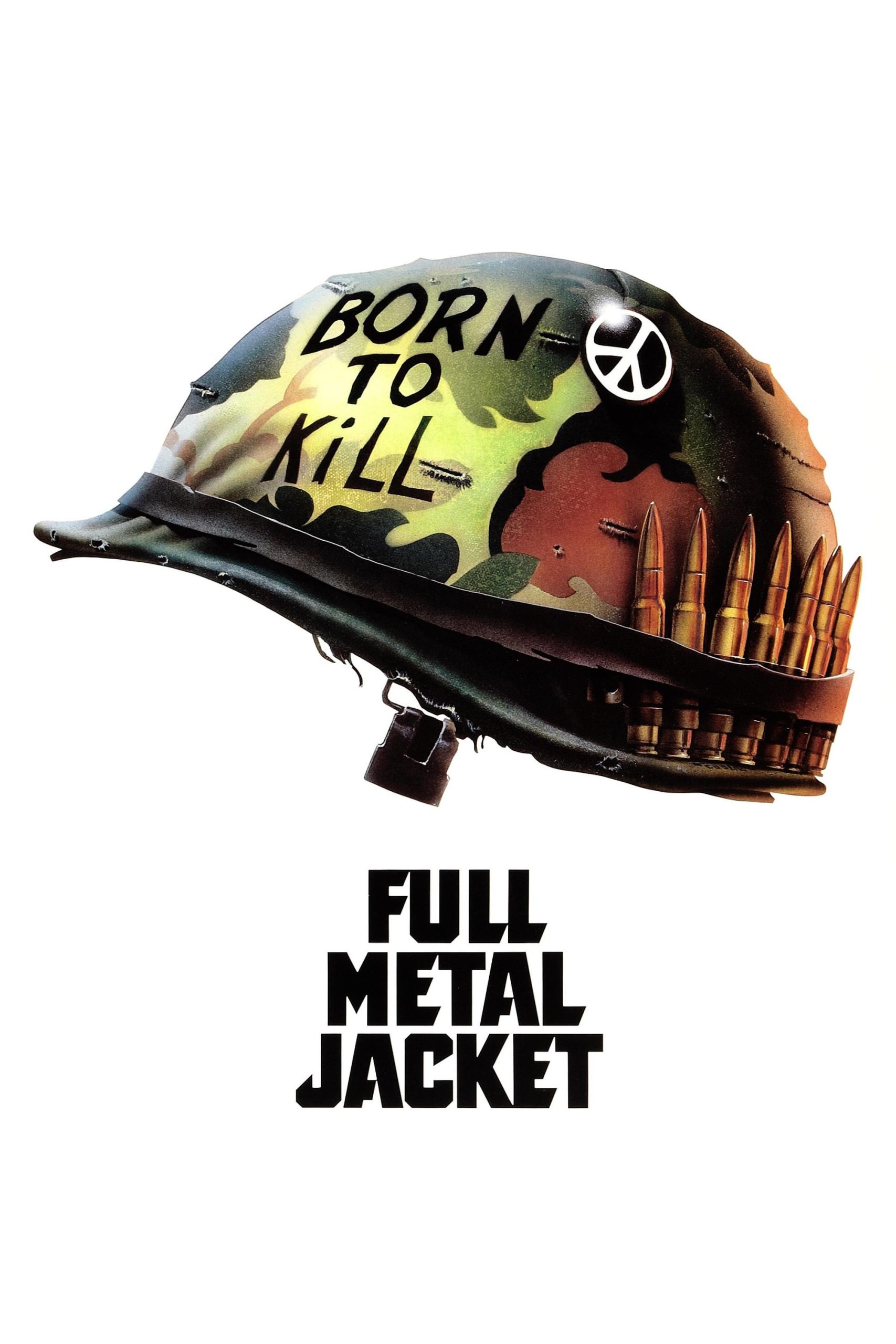
Beyond the technicalities, I felt the film’s treatment of violence and ethics to be unwaveringly honest. The iconic helmet emblazoned “Born to Kill” juxtaposed against Joker’s peace pin is a motif that haunted me; it crystallizes the internal contradictions of soldiers—simultaneously agents of destruction and seekers of meaning. Every decision feels weighty, every loss personal, and each act of violence imbues the world with another layer of ambiguity.
My Thoughts on the Cultural Impact & Legacy
For me as a curator and devoted cinephile, watching “Full Metal Jacket” wasn’t just a film experience, but a lesson in how cinema can punch through the boundaries of genre and expectation. I witnessed firsthand the ways in which Kubrick’s vision reshaped not only how war is depicted on screen, but how audiences process the psychological aftermath of violence and authority. The film’s structure alone—its willingness to unsettle, to halve itself narratively and change tonal gears—felt brave and still feels radical today. When I revisit it, I’m reminded that war movies need not glorify heroism nor indulge in spectacle to leave scars on the viewer; the true wounds are psychological, insidious, and persistent.
What continues to resonate most profoundly with me is the film’s uncanny ability to tap into a collective sense of disillusionment and irony that overlays the Vietnam generation—and, perhaps, every generation touched by conflict. I see traces of “Full Metal Jacket” everywhere: in dialogue-driven war films that followed, in darkly comic takes on war, and even in contemporary anti-authoritarian social commentary. Kubrick’s influence extends into television, video games, and music. I notice echoes of Hartman’s drill in every subsequent depiction of military indoctrination. Perhaps above all, this film taught me that genre boundaries are porous—melding satire, horror, drama, and absurdism into a singular, unyielding vision.
As a film analyst, I feel compelled to continually reference “Full Metal Jacket” when discussing not just war movies, but any film that strives to interrogate systems of power and the fraught process of identity formation inside institutions. Its legacy is undeniable and, for me, profoundly personal.
Fascinating Behind-the-Scenes Facts
Whenever I peel back the layers of “Full Metal Jacket,” I’m struck by the unexpected stories embedded in its making. One of the most fascinating production tales is how R. Lee Ermey—originally hired as a technical advisor due to his real-life Marine drill instructor experience—won the role of Gunnery Sergeant Hartman. Kubrick, famous for meticulous casting, was so taken with Ermey’s spontaneous, unscripted audition tirade (all improvised, using tennis balls hurled by crew members to elicit authentic rage) that he rewrote the role for him. That resolute authenticity radiates in every frame Ermey graces.
During research, I also discovered that Kubrick didn’t shoot in Vietnam at all; instead, he transformed an abandoned gasworks in East London into the bombed-out streets of Hue. Imported palm trees and the strategic placement of debris and pyrotechnics allowed Kubrick to craft an eerily convincing war zone—proving again his godlike attention to atmosphere. Filming over such a long period (almost two years), under less-than-ideal British weather, introduced its own set of notorious challenges. The crew’s adaptability in creating those lush, tropical visuals in such an unlikely setting has always inspired my appreciation for movie magic done right.
And I can never forget Vincent D’Onofrio’s physical transformation into Private Pyle. He gained nearly 70 pounds for the role—the most weight ever gained for a film at the time. D’Onofrio’s willingness to so completely dissolve into his character set a formidable new standard for method acting, a dedication that still awes me when I consider the psychological and physical toll it must have exacted.
Why You Should Watch It
- Revelatory performances and haunting authenticity: Every character, especially Gunnery Sergeant Hartman and Private Pyle, offers unforgettable, deeply felt performances that transcend war movie clichés.
- Kubrick’s unique vision and craftsmanship: It’s a masterclass in directing and cinematography; every scene is composed with purpose, subtext, and visual storytelling that rewards close attention.
- A provocative take on war’s psychological consequences: Rather than glorifying battle, the film asks difficult questions about identity, violence, and the machinery of conflict that remain startlingly relevant.
Review Conclusion
After years and countless rewatches, “Full Metal Jacket” continues to provoke, disturb, and illuminate. It is not an easy film, nor does it aspire to comfort or resolve. Instead, I’m drawn to it as both art and critique: a mosaic of unforgettable images, caustic humor, and searing human truths. For me, Kubrick’s take on Vietnam lingers long after the credits roll—not just as a war movie, but as a testament to the psychological churn of all conflict, and a reminder of the razor-thin line between obedience and autonomy. I cannot recommend it highly enough to any serious lover of cinema, whether you seek technical mastery, powerful acting, or films that aren’t afraid to ask the most dangerous questions.
My rating: 5/5 stars.
Related Reviews
- Apocalypse Now – I recommend this to anyone who responded to Kubrick’s blend of beauty and chaos in “Full Metal Jacket.” Coppola’s film navigates the hallucinatory surrealism and moral ambiguity of Vietnam, layering in philosophical despair and iconic set pieces that mirror the intensity and complexity I admire in Kubrick’s work.
- Paths of Glory – Another Kubrick masterwork, this antiwar classic plumbs the hypocrisy and futility of military bureaucracy during World War I. Its symmetrical compositions, satire, and biting commentary on leadership resonate strongly with the themes that keep drawing me back to “Full Metal Jacket.”
- Jarhead – While set in the Gulf War, Sam Mendes’ adaptation echoes “Full Metal Jacket” in its focus on military conditioning, disillusionment, and the psychological warfare soldiers wage internally. I found the film’s dry wit and sharp character studies to be deeply informed by Kubrick’s influence.
- Come and See – For those who want an even more visceral look at war’s traumas, this Soviet film devastates with its harrowing depiction of Nazi atrocities. Like “Full Metal Jacket,” it refuses sentimentalism and prioritizes psychological shattering over catharsis, making it an essential companion piece in my war film canon.
For readers looking to go deeper, these perspectives may help place the film in a broader context.
🎬 Check out today's best-selling movies on Amazon!
View Deals on Amazon