
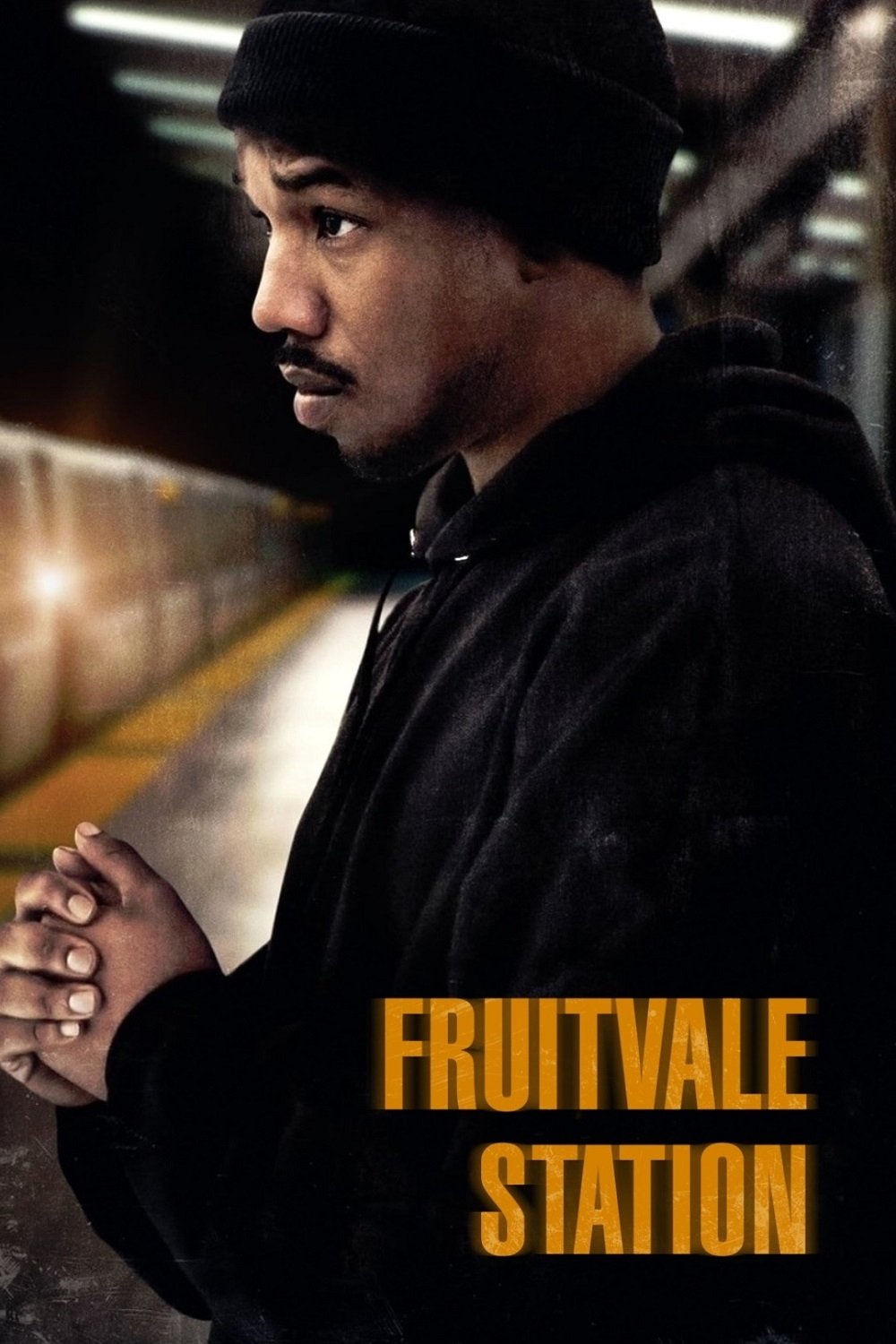
Plot Summary
When I first watched Fruitvale Station, I was instantly struck by how it draws the viewer in with a sense of intimacy and urgency. Ryan Coogler, in his remarkable directorial debut, roots the film in a single transformative day—a choice that instantly builds tension and emotional impact. The narrative follows Oscar Grant, portrayed with raw complexity by Michael B. Jordan, through the last twenty-four hours of his life. We see him as a son, a father, and a friend, all while he navigates the ordinary and the extraordinary moments that shape him.
Through Oscar’s interactions—whether he’s on the phone with his mother, working at his job, trying to better his life for his young daughter, or simply moving through his Bay Area neighborhood—I felt privy to the weight of his choices and the tender unpredictability of each moment. By focusing on the ordinary, the film makes the extraordinary heartbreak that follows hit that much harder. This approach also does something rare: it elevates Oscar’s humanity above mere headlines or news clips. There’s a searing moment of authenticity that defines every scene, making it impossible to look away.
Warning: The film builds toward the real-life tragedy that occurred on January 1, 2009, at the Fruitvale BART station in Oakland. Even though the outcome is a matter of public record, Coogler’s storytelling is not about the event as a headline—it’s about how that single moment is situated in a lived experience brimming with hope, flaws, love, and contradiction.
Key Themes & Analysis
What stays with me long after the credits roll isn’t just the deeply affecting narrative, but how Fruitvale Station insists that no life is reducible to a single moment or act. The film is relentlessly focused on humanizing Oscar Grant—not as an emblem, not as a statistic, but as a fully realized person whose joys and missteps feel honest and familiar. This is such a rare feat, especially in films that center on real-life tragedy.
One of the most powerful themes for me is the fragility of opportunity when shaped by structural injustice. Every detail in Oscar’s journey feels earned—from the hope in his efforts to turn his life around to the everyday frustrations and brushes with systems stacked against him. This tension permeates the entire film, and it feels intentional, never heavy-handed. The director’s hand is evident but unobtrusive, inviting empathy not pity.
The cinematography by Rachel Morrison is another revelation. I found the handheld camera work and shallow focus pulled me into Oscar’s perspective, letting me experience the disarray and anxiety in real time. There is a closeness—a literal and emotional proximity—that refuses to let me sit back and remain detached. Morrison’s intimate style brings the stakes, both little and monumental, right into personal space.
Director Ryan Coogler’s choices make all the difference here. His decision to structure the film as a day-in-the-life is deeply humane—the result is a film that never feels exploitative, even as it addresses explicit and painful realities. The dialogue is remarkably natural, with much of it feeling improvised or woven from authentic experiences. The tension is built not through melodrama but through unveiling the rhythms and ruptures of everyday living in a racially charged America.
Michael B. Jordan’s performance is, for me, a standout of the decade. There’s a vulnerability to his portrayal of Oscar that feels lived-in: he is neither all-saint nor all-sinner, and that complexity is what gives the film its depth. Melonie Diaz as Sophina, Oscar’s girlfriend, brings her own steady emotional presence, grounding the film with strength and heartbreak. Octavia Spencer, as Oscar’s mother Wanda, nearly steals every scene she’s in—the quiet gravity in her performance lends an emotional undertow to the entire film.
Beyond the characters and their relationships, I think what most distinguishes Fruitvale Station is its blend of social commentary and artistry. Coogler doesn’t offer easy answers, nor does he sermonize. Every scene is calibrated to make me reflect on how history, society, and individual choice intersect. The result is a film I can’t simply watch—I have to feel it, question it, and, long after, grapple with its implications.
My Thoughts on the Historical & Social Context
Having lived through the era that Fruitvale Station seeks to capture, I remember how the real case of Oscar Grant erupted into the national consciousness in early 2009. For me, the film speaks both as a tribute and a call to action. At the time of its release in 2013, America was in the throes of reckoning with a series of highly publicized incidents of police violence, especially relating to Black men. The emergence of smartphones and the proliferation of citizen-recorded footage brought these issues to social media feeds and headlines in ways that were impossible to ignore. Fruitvale Station felt, to me, like the first wave of cinema that translated those urgent digital conversations into a deeply personal film narrative.
What resonates even more deeply today is how the film’s narrative of life interrupted—of possibility cut short—is still so painfully relevant. Watching the film now, I can’t help but draw parallels to subsequent social movements like Black Lives Matter and the countless calls for police accountability. The film was released before those terms dominated mainstream discourse, but its central questions about justice, empathy, and whose stories deserve to be told have only grown more pressing.
Fruitvale Station doesn’t lecture or editorialize; it asks us to inhabit a perspective that is too often missing from public debates. For me, this approach makes the film enduring. It forced me to question how many times lives like Oscar’s have slipped from view, and why so few films attempt to capture their fullness. That’s why, from my perspective, Fruitvale Station is not just a historical document but a living intervention: a reminder that behind every flashpoint incident is a web of relationships, hopes, and dreams forever altered.
Fact Check: Behind the Scenes & Real History
Digging into the real-world events and the making of Fruitvale Station unearthed a few facts that made my appreciation for the film grow even deeper. One detail I found striking is that the film was shot on location in Oakland, and—most notably—portions were filmed at the actual Fruitvale BART station where the incident took place. This decision heightened not only the authenticity but also the collective sense of memory for community members involved in the production.
Another behind-the-scenes detail that stays with me: Michael B. Jordan and Ryan Coogler met Oscar Grant’s family as part of their research. According to interviews, this wasn’t just a superficial gesture; both the director and lead actor immersed themselves in firsthand accounts, ensuring their depictions reflected reality rather than dramatic invention. I sense this care in every moment: Oscar’s relationships and the emotional intricacies of his day come across as honest and lived-in, not merely constructed for the screen.
For those wondering how closely the film matches real events, I did my own research and found that while the film dramatizes certain sequences for narrative clarity, the bulk of Oscar’s last day draws closely from eyewitness accounts and available surveillance footage. Much of the dialogue and timeline align with those captured in news reports and court testimonies. However, some composite characters and time compressions were necessary for storytelling flow—a common movie-making necessity, but always handled here with a respect for truth over sensationalism.
Why You Should Watch It
- Fruitvale Station offers an unflinching, compassionate look at a life behind the headlines, making it deeply personal and universally resonant.
- The performances—especially Michael B. Jordan’s career-defining turn and Octavia Spencer’s heartbreaking portrayal—anchor the film with authenticity and emotional gravity.
- Ryan Coogler’s directorial vision combines social urgency with cinematic artistry, resulting in a film that feels as relevant and necessary today as it did upon its release.
Review Conclusion
When I reflect on what makes Fruitvale Station essential viewing, it’s not any one scene or technical ambition but its ability to turn a news story into a lived, breathing life. Its themes—empathy, justice, the precariousness of hope—are delivered with the kind of artistry and purpose that only comes from filmmakers with something urgent to say. I left the film questioning, angry, and moved—perhaps the best testament to the power of cinema to inspire not just discussion but action.
For those who want films to challenge as much as entertain, to illuminate overlooked truths while honoring individual humanity, Fruitvale Station stands out. My rating: 4.5/5 stars. The half-point off is a reflection of a few moments that felt slightly overdramatized, but those quibbles pale against its overwhelming strengths. This is a film I will continue to revisit, recommend, and reflect on for years to come.
Related Reviews
- “If Beale Street Could Talk” (2018): I was drawn to Barry Jenkins’ film for its poetic, heart-wrenching depiction of Black life intersecting with institutional injustice. Much like Fruitvale Station, it centers empathy and intimacy over polemic, employing lush cinematography and soulful performances to tell a deeply personal story rooted in systemic realities.
- “Blindspotting” (2018): Set in Oakland (like Fruitvale Station), this vibrant, urgent film uses a blend of humor, poetry, and drama to interrogate gentrification, race, and police violence. Watching it, I felt the same sense of place, heartbreak, and immediacy that Fruitvale Station evoked.
- “The Hate U Give” (2018): This powerful adaptation navigates a young woman’s experience after witnessing police violence. It shares Fruitvale Station’s desire to depict the personal aftershocks of public tragedies, while balancing social commentary with fully realized characters.
If you want to explore this film beyond basic facts, you may also be interested in how modern audiences respond to it today or whether its story was inspired by real events.
🎬 Check out today's best-selling movies on Amazon!
View Deals on Amazon