
Plot Summary
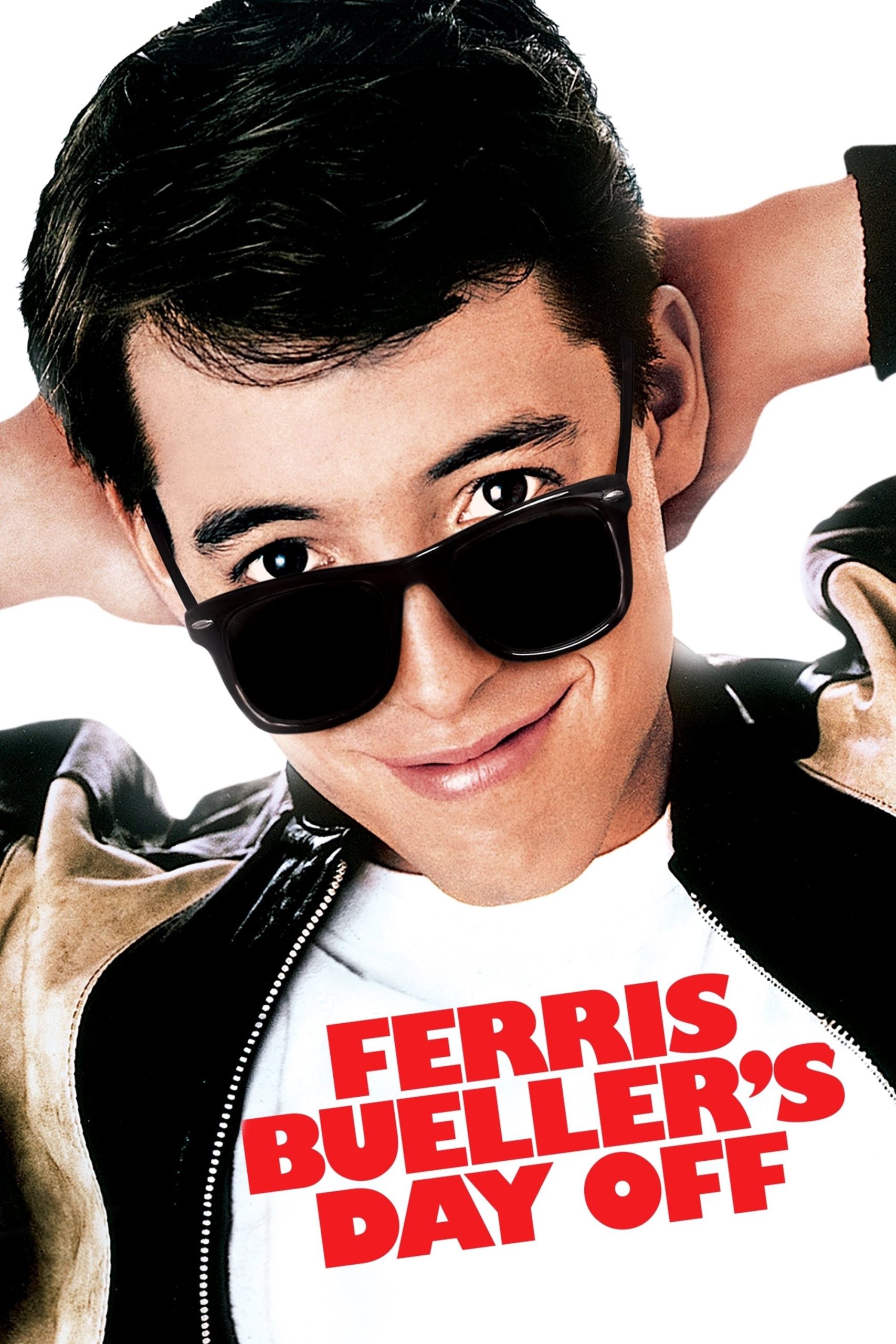
From the very first frame, I’m immediately swept up by the infectious energy and sly wit that Ferris Bueller’s Day Off exudes. It’s honestly nearly impossible for me to watch this movie and not feel a thrill shot of adolescent rebellion and a nostalgic wave for days when life felt, at least in retrospect, ripe for seizing. I remember the first time I watched it, thinking how rare it was to see a comedy capture the daring urge to break free, without descending into cynicism or melodrama. Ferris Bueller (played with pitch-perfect charm by Matthew Broderick) isn’t just skipping school—he’s orchestrating the ultimate act of youthful self-determination.
The storyline unfolds over one gloriously subversive day in suburban Chicago, and while I wouldn’t dare give away the biggest surprises for newcomers, I will say that it follows Ferris, his longtime girlfriend Sloane (Mia Sara), and his anxious, loyal friend Cameron (Alan Ruck) as they outwit authority and savor every illicit minute. The movie doesn’t just show truancy; it lets me live vicariously through Ferris’s calculated high jinks, blending perfectly timed comedic set pieces, witty banter, and real emotional stakes.
What I find most alluring is how cleverly the movie intersperses Ferris’s perspective with the panicked responses of his adversaries—from the perpetually flustered school principal Ed Rooney to Ferris’s skeptical sister Jeanie. There’s a buoyant, almost conspiratorial feel that keeps me rooting for Ferris’s success even as I cringe at the prospect of him being caught. This delicate tone balances humor and tension without ever feeling mean-spirited, and it’s a testament to director John Hughes’s singular touch that the journey remains engaging without overindulging in slapstick or farce.
All along, Hughes teases the boundaries between fantasy and reality, as Ferris addresses the audience directly, inviting me into his confidence. Even after multiple viewings, I’m still surprised at how personal those moments feel, erasing the screen and making me an accomplice in his adventure—one that’s imbued with sly social commentary about the rules we follow and the joy of questioning them.
Key Themes & Analysis
What struck me most upon rewatching is how the film’s breezy surface conceals a surprisingly rich meditation on agency, fear, and the pressure of growing up. On one hand, there’s the undeniable celebration of youth and freedom, best embodied by Ferris’s mantra, “Life moves pretty fast. If you don’t stop and look around once in a while, you could miss it.” I find myself reflecting, as an adult, on how that ethos gets harder to hold onto with time—making the film not just a paean to teenage escapism, but a gentle nudge to never fully surrender it.
The camaraderie between Ferris, Cameron, and Sloane is one of my favorite dynamics in any teen movie. It’s tempting to see Ferris as the ringleader and the others as supporting players, but what always draws me deeper is Cameron’s journey. Beneath the film’s giddy surface lies his profound, quiet struggle—with anxiety, family burden, and a paralyzing fear of the future. Alan Ruck’s performance is a revelation: by turns funny, lost, and heartbreakingly real. The movie’s greatest emotional payoff doesn’t come from Ferris outsmarting Principal Rooney, but from Cameron’s tentative, reluctant steps toward self-assertion. This interplay between Ferris’s reckless confidence and Cameron’s vulnerability elevates the movie above mere comedy.
As a cinephile, I can’t help but savor John Hughes’s directorial ingenuity. The editing is crisp—never letting a gag or chase scene overstay its welcome—while the skyline of Chicago becomes a character in its own right. There’s a real warmth in how Hughes frames the city, infusing scenes at the Art Institute or atop the parade float with a sense of shared youthfulness. Cinematographer Tak Fujimoto finds unexpected grace in these moments, infusing even the broadest slapstick with artful composition.
Ferris’s fourth-wall breaking asides, which so many movies imitate (and rarely as effectively), make me feel like a confidante. This stylistic choice is a masterstroke, inviting the audience to not just watch, but to participate in the infectious irreverence. I think about how this device shaped later films and shows—from “Deadpool” to “Fleabag”—yet it never feels gimmicky here, probably because Matthew Broderick radiates such charisma with every wink.
The supporting cast leans into archetypes—Rooney as authoritarian, Jeanie as the resentful sibling—but Hughes never lets them become mere punchlines. Even secondary characters get their moments of empathy or humanity, reinforcing the film’s message that every person, no matter how peripheral, is struggling to have their own “day off.”
My Thoughts on the Cultural Impact & Legacy
I can’t overstate how thoroughly Ferris Bueller’s Day Off has embedded itself in American pop culture, and frankly, in my own metric for what makes a teen film enduring. For me, John Hughes set the blueprint here—not just in genre trappings, but in capturing youth with equal parts awe and irreverence. Watching Ferris defy authority and orchestrate a city-wide escapade reminds me of the giddy, defiant optimism that defines adolescence for so many. I can think of few films that have managed to translate the fleeting feeling of “eternal summer” into celluloid and make you believe that one brilliantly stolen day can last forever in memory.
What resonates even decades later is how the movie sidesteps nostalgia for nostalgia’s sake, instead offering an evergreen invitation for viewers of any age to reclaim a little of their own brashness. I’ve felt this personally over the years—whether watching as a teenager, longing to seize my own “day off,” or as an adult, suddenly realizing the weight of responsibilities that make Ferris’s heroics even more audacious and exhilarating. Hughes doesn’t just define the high school movie; he gently interrogates it, using humor, empathy, and sharp observation to remind us that growing up doesn’t have to mean giving in.
Culturally, I believe the movie endures because it manages to be both mischievous and Big-Hearted. Countless films have borrowed its playbook—ensemble teen comedies, meta-narration, the one-wild-day format—but few match its sincerity or emotional insight. From fashion to slang, from parade scenes now iconically parodied to the very idea of “breaking the fourth wall,” the film has left fingerprints on everything from sitcoms to viral memes. As a curator, I often measure a film’s significance by how it expands the boundaries of its genre, and Ferris Bueller’s Day Off shaped the template while never allowing its sense of fun to feel forced or dated. That’s as rare as it is commendable.
Fascinating Behind-the-Scenes Facts
One thing that truly intrigues me about Ferris Bueller’s Day Off is the whirlwind pace of its development. John Hughes famously wrote the entire script in less than a week—a creative sprint that stuns me, given how finely tuned the dialogue and character beats feel. Hughes was known for his intense, immersive writing sessions, but hearing that a film of this caliber was conceived so rapidly only deepens my appreciation for his vision.
There’s also the ingenious use of real Chicago locations. The scenes inside the Art Institute, for example, mark one of the first times I felt a teen movie treat a setting with genuine reverence, not just as a backdrop for hijinks. Rumor has it that the museum staff were initially skeptical, but Hughes’s respectful approach won them over. That respect shines through in the film’s gorgeous sequences amid world-class art, which gave me a new lens not just on the city, but on how cinematic storytelling can lovingly fold real places into fiction.
Perhaps my favorite bit of trivia is the wild casting process for principal roles. Alan Ruck, who played Cameron, was actually in his late twenties during filming! That blows my mind every time because his portrayal of teenage anxiety feels so raw and immediate. Ruck claimed he drew inspiration from friends and former classmates to nail that sense of being “stuck in neutral.” The age gap ended up adding a layer of gravity to his performance—and it’s a testament to the film’s dynamic casting that none of it feels artificial on screen.
Why You Should Watch It
- Unmatched Charisma and Wit: Every viewing is a reminder of how magnetic and infectiously clever early John Hughes comedies could be, thanks to sharp writing and a cast firing on all cylinders.
- Bittersweet Emotional Depth: Beneath its riotous surface, the film explores real anxieties and hopes about the future, leaving a deeper impact than most escapist fare.
- Cinematic Craftsmanship: From inventive fourth-wall breaks to dynamic editing and pitch-perfect musical cues, the movie remains a masterclass in high-concept, low-cynicism storytelling.
Review Conclusion
Walking away from Ferris Bueller’s Day Off, I always feel a rush of rebellious optimism—like I’ve been given permission, if just for a moment, to reclaim some of that wide-open sense of possibility. In my eyes, it isn’t simply a “teen comedy”; it’s a universally resonant meditation on time, fear, joy, and the fleeting nature of youth. Hughes’s deft direction, Broderick’s charm, and Ruck’s bittersweet honesty combine into a movie that rewards endless rewatching, always revealing something new about both its world and my own feelings about growing up. For anyone who believes that cinema can be both fun and profoundly true, this film remains essential.
My rating: 4.5/5
Related Reviews
- Rushmore (1998): For me, Wes Anderson’s offbeat prep school comedy is a spiritual cousin to Ferris Bueller, pairing coming-of-age mischief with beautifully composed visuals and a deep empathy for youthful ambition and insecurity. Both films revel in rebellious protagonists pushing back against adult authority, making each a standout in the high school canon.
- Lady Bird (2017): Greta Gerwig’s nuanced portrait of teenage yearning and defiance in suburban America resonates with the same honesty and humor as Ferris Bueller, albeit filtered through a more contemporary lens. I recommend it to anyone drawn to authentic explorations of growing up’s joys and heartbreaks.
- Fast Times at Ridgemont High (1982): This movie shares Ferris Bueller’s irreverent tone and ensemble cast, while offering a slightly rawer, more grounded look at high school life. It’s another foundational teen comedy that captures the energy, confusion, and humor of youth in a way that’s both wild and wise.
For readers looking to go deeper, these perspectives may help place the film in a broader context.
🎬 Check out today's best-selling movies on Amazon!
View Deals on Amazon