
Plot Summary
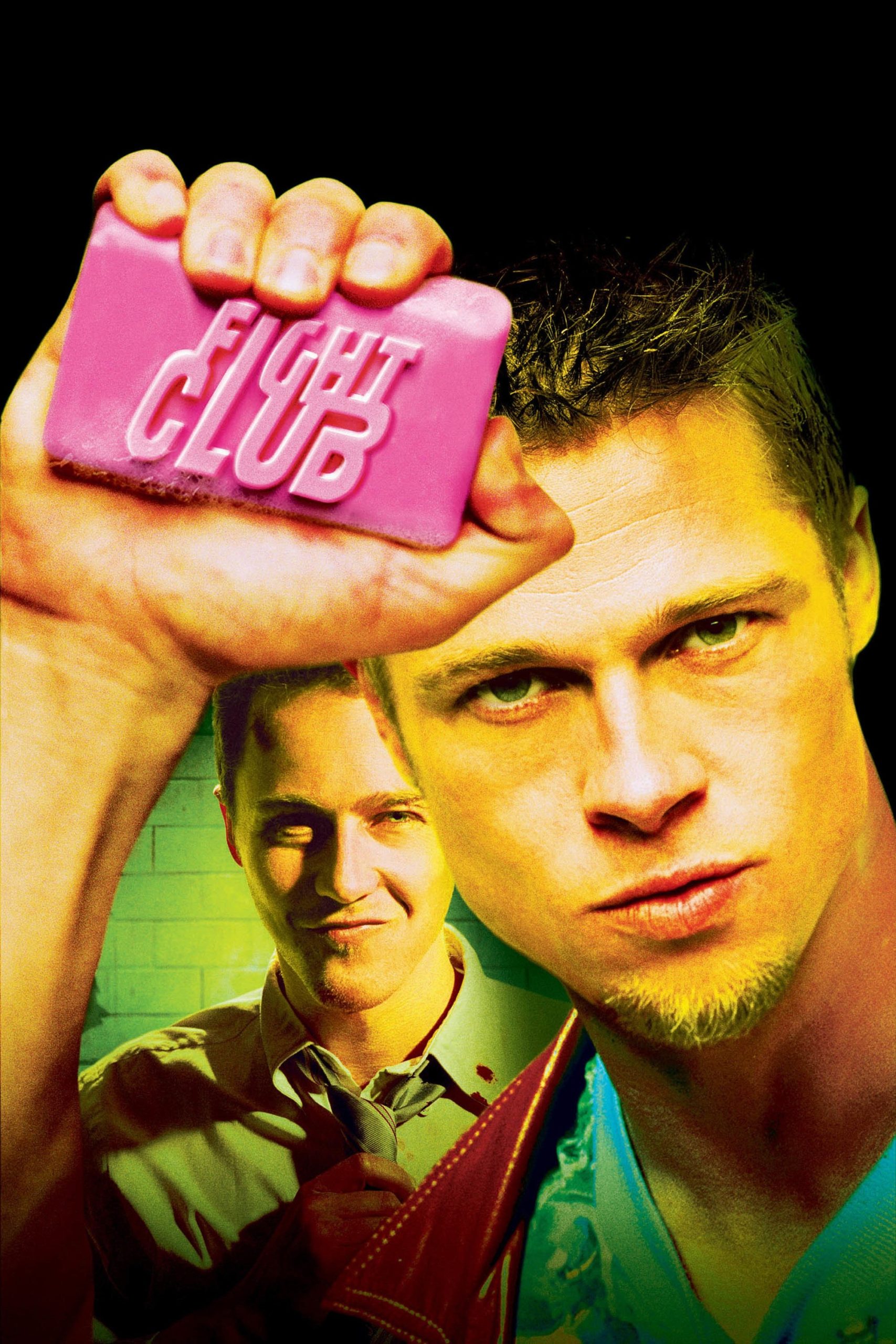
Nobody warned me the first time I watched “Fight Club” that I would walk away feeling so powerfully unsettled—yet oddly understood. Directed by David Fincher, this film struck me as a cinematic live wire: a brash, unfiltered diagnosis of modern masculinity and consumer fatigue poured into the jagged mold of a psychological thriller. Rather than offering the safety net of formulaic storytelling, “Fight Club” throws its viewers into the feverish perspective of an insomniac office worker (Edward Norton), whom I quickly recognized as a reflection of late-90s cultural anxiety. He stumbles through a life that feels anesthetized, surrounded by IKEA catalogs and self-help platitudes, until he meets the anarchic and enigmatic Tyler Durden (Brad Pitt). What follows is a descent—no, a dive—into an underground world of chaos and self-destruction, masked as liberation. The plot never hesitates to challenge my assumptions about identity and agency, twisting through anti-corporate rants and narcotized cityscapes. Without giving away its pivotal twists (spoiler warning here for newcomers: significant plot secrets are jealously guarded), I can say that watching this movie is like moving through a hall of mirrors, where nothing remains stable—not even the self.
Key Themes & Analysis
Every time I revisit “Fight Club,” I am pulled back to its most aggressive theme: the search for authenticity in a world engineered for consumption. The ways in which Fincher frames this crisis—washed in sickly greens and bruising shadows courtesy of cinematographer Jeff Cronenweth—make the audience feel complicit, not just entertained. This film is about men who are profoundly lost, seeking communion through violence and raw honesty in a society that has flattened both. It almost dares me to consider the cost of trading comfort for meaning, or if such a trade is even feasible. The foundation of every scene is built upon alienation and rebellion: support groups meant to heal instead become surrogate drugs, and the titular Fight Club morphs from catharsis into something much darker and contagious.
Fincher’s directing is, in my eyes, a lesson in tonal precision. He orchestrates disquiet and despair with surgical skill, amplifying the film’s claustrophobia through clever camera tricks and relentless pacing. There are sequences—especially the first chaotic bouts in the club’s grimy basements—that linger in my mind because of their brutal, balletic energy. Yet, the film never glorifies violence; instead, it exposes our yearning for unfiltered experience, even if it means self-destruction. Narration crackles with Chuck Palahniuk’s dark wit, and the script is ferociously clever, flipping the audience’s expectations over and over. The fourth wall is frequently toyed with, inviting me to consider my own complicity in the spectacle.
As for performances, Edward Norton’s unnamed narrator is the very image of vulnerability simmering with rage. His mutinous chemistry with Brad Pitt’s Tyler Durden gives the film its dangerous spark, a double act that oscillates between master and apprentice, self and shadow. Every line, every exchange, sizzles with tension—sometimes sexual, sometimes fraternal, always volatile. Helena Bonham Carter’s Marla is perhaps the movie’s most tragic figure, a woman as broken as the men she drifts between, utterly refusing to play by their rules, yet somehow more honest than either male lead about the price of survival.
My Thoughts on the Historical & Social Context
When I consider what “Fight Club” meant to audiences in 1999, it helps me see why its core conflicts exploded off the screen. That historical moment was an inflection point: America had reached the end of one century and the threshold of another, flush with the seeming security of the post-Cold War economic boom yet quietly anxious about what it all added up to. Personally, I can sense the film’s tension with corporate culture and consumerism as a direct response to the hollow victories of ’90s capitalism—where buying power promised happiness, but delivered only numbness. The way “Fight Club” exposes masculinity adrift—no longer defined by war, work, or clear social purpose—still resonates with me, especially in an era where identity feels even more malleable, and existential angst has been outsourced through screens and algorithms.
I believe the film taps into real fears about authenticity, loneliness, and the human urge to rebel against meaninglessness. Looking through my own lens, I find it especially prescient in how Tyler Durden’s rhetoric—raw and sometimes frightening—echoes not just the disaffection of late-’90s America but also the polarized, angry, and often tribal landscape of today. The cult-like fervor the movie depicts feels eerily similar to real-world movements that promise “realness” or “truth,” often at the cost of rational debate. I am often struck by how, more than two decades later, “Fight Club” remains an urgent provocation about the seductions and dangers of belonging, challenging viewers to scrutinize not just society’s values, but their own.
Fact Check: Behind the Scenes & Real History
Delving into the movie’s production history only heightens my appreciation for its boldness. For example, I was fascinated to learn that Edward Norton and Brad Pitt both sustained real injuries during filming: Norton actually hit Brad Pitt in the ear during the famous “hit me as hard as you can” scene, an unscripted moment that made it into the finished film because Fincher valued authenticity over choreography. That gritty realism feeds directly into the rawness I feel watching those basement fights.
It’s also remarkable to me that the choice of soundtrack—specifically the haunting use of The Dust Brothers’ electronic score and the Pixies’ “Where Is My Mind?”—was a contentious element that Fincher had to fight to keep. Studio executives thought the music was too abrasive and unconventional, but for me, it perfectly mirrors the disconnect and yearning that define the film’s atmosphere.
In addition, I am endlessly intrigued by how Fincher and his team crafted certain visual effects. To convey the narrator’s insomnia and mental disintegration, the team employed digital techniques to create seamless camera moves—like passing through trash cans and kitchen appliances—which were groundbreaking at the time. These details are easily missed on casual viewing, but for me, they cement the movie’s technical innovation.
Why You Should Watch It
- If you crave films that challenge your worldview, “Fight Club” is a relentless interrogation of what it means to be real in a world saturated with artifice.
- The blistering performances, especially the dynamic between Norton and Pitt, deliver some of modern cinema’s most memorable and unsettling character work.
- Visually and structurally, the film is a masterclass in daring, subversive filmmaking—pushing the limits of genre, style, and psychological complexity.
Review Conclusion
It’s rare for me to encounter a film that burrows so deep beneath my skin, leaving me questioning not only story but self. “Fight Club” is unsettling, provocative, and—at times—deeply sardonic. Through Fincher’s meticulous eye and the daring script, it paints a picture of late-20th-century unease that remains painfully relevant. Every viewing unearths new layers of meaning, from its commentary on toxic masculinity to its merciless satire of corporate culture. For all its controversy and misinterpretation, I believe “Fight Club” secures its legacy by demanding, even decades later, that we confront the martial law of our own minds.
Star Rating: 4.5/5
Related Reviews
- “American Psycho” (2000): If you’re as intrigued as I am by movies that satirize and skewer modern masculinity, you can’t miss “American Psycho.” This film echoes “Fight Club” with its luxurious visuals and razor-wire social critique, following another antihero navigating a world gone numb with excess and alienation.
- “Se7en” (1995): Another David Fincher tour-de-force, “Se7en” offers that same palate of darkness and moral ambiguity. Here, instead of consumerism and identity, the focus is the warped logic of justice—a film that, much like “Fight Club,” compels me to look at the structures and systems that mold our values.
- “A Clockwork Orange” (1971): Stanley Kubrick’s dystopian satire pulses with the same dangerous energy and psychological curiosity. If you’re drawn to explorations of violence as both liberation and imprisonment, and enjoy films that test cinematic boundaries, this is essential viewing.
- “The Machinist” (2004): Christian Bale’s haunting performance as a sleep-deprived machinist conjures the same sense of dislocation and paranoia I found so compelling in “Fight Club.” Both films are psychological puzzles that ask sharp, uncomfortable questions about what happens when reality splinters.
- “Trainspotting” (1996): While its tone veers more toward dark comedy, Danny Boyle’s cult classic explores community, addiction, and self-destruction in a manner that fans of “Fight Club” will recognize—and perhaps, like me, will find equally unsettling yet viscerally honest.
If you want to explore this film beyond basic facts, you may also be interested in how modern audiences respond to it today or whether its story was inspired by real events.
🎬 Check out today's best-selling movies on Amazon!
View Deals on Amazon