
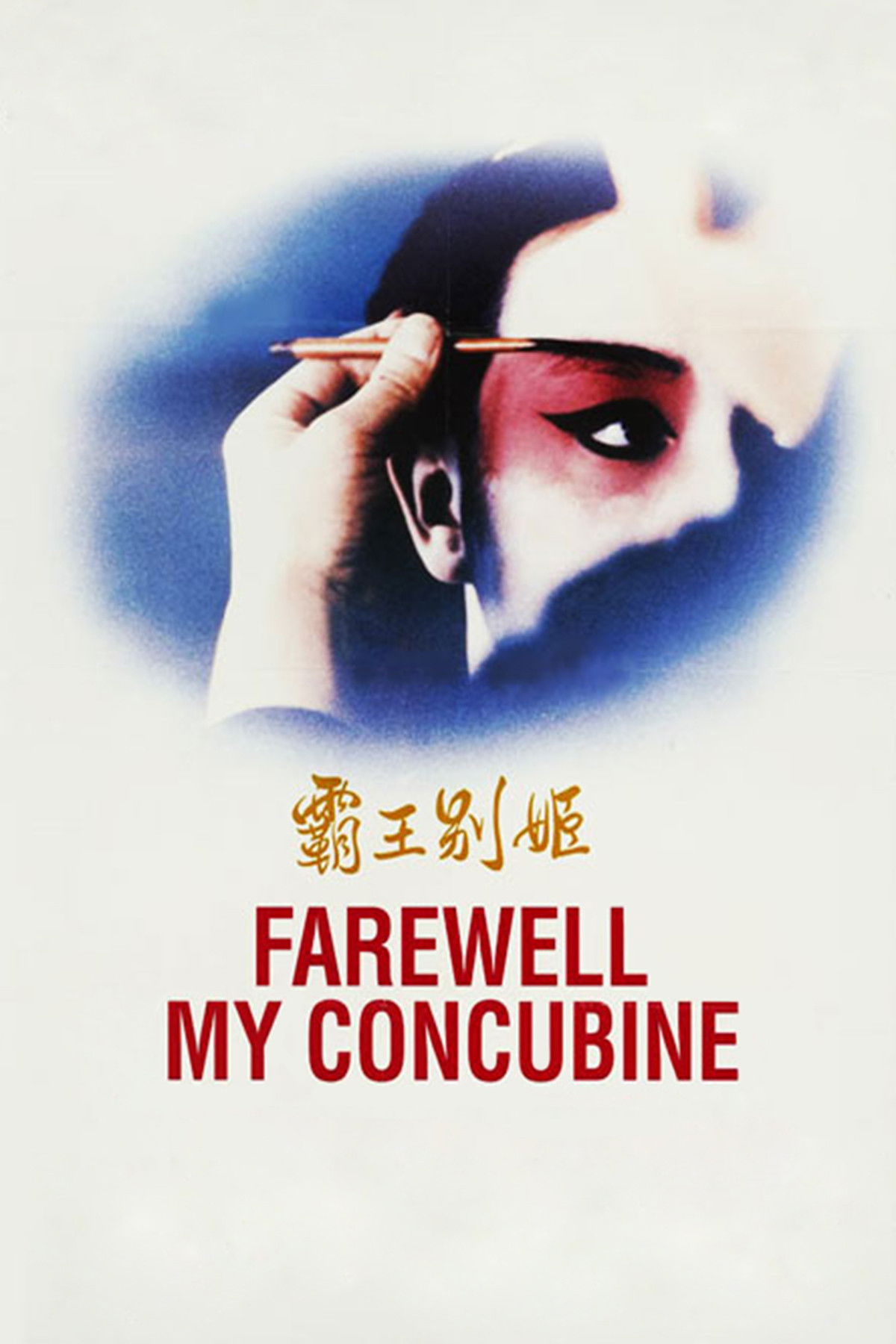
Plot Summary
When I first watched Farewell My Concubine, I became immediately enveloped in its intricate tapestry of love, ambition, art, and betrayal. The film, masterfully directed by Chen Kaige, falls within the historical drama genre, but to me it never felt confined by that label. Instead, it opens up whole worlds—spanning decades in Chinese history—through the relationship of two Peking opera stars. What made the plot unforgettable for me wasn’t just the epic sweep of history or the visual grandeur, but how it laced intimate human struggles within that grand backdrop.
Set throughout the shifting tides of 20th-century China, the film follows the lifelong bond between Cheng Dieyi and Duan Xiaolou. As children, I watched them endure punishing training at a Peking opera troupe. This foundation forges a connection marked by both deep affection and lifelong rivalry. As they rise to prominence as opera performers, I saw how their partnership—on stage as the celebrated pair in “Farewell My Concubine”—becomes complicated by China’s social upheavals and the arrival of Xiaolou’s wife, Juxian, a former courtesan. These moments of love and jealousy unfold against the chaos of war, revolution, and shifting political fortunes.
Spoiler Warning: For anyone who wants to go in completely unspoiled, I’ll stop short of revealing the final emotional turns, but it’s important to acknowledge that this is a story where personal tragedy collides relentlessly with national drama, setting the stage for a haunting and resonant conclusion.
Key Themes & Analysis
Each time I revisit Farewell My Concubine, what stands out most is its profound meditation on the mutability of identity and the weight of performance—both on and off the stage.
For me, identity is the film’s most powerful theme. Cheng Dieyi, portrayed with exquisite vulnerability by Leslie Cheung, blurs the lines between his stage persona and his real life. I found myself questioning how much of our public face is self-chosen, and how much is pressed upon us by relentless systems: family, tradition, or government. Dieyi’s struggles to reconcile his gender identity, unrequited love, and artistic passion affected me deeply. Chen Kaige weaves these elements seamlessly, making me reflect on how performance is woven into the fabric of life—not just theater.
Another profound commentary emerges from the film’s handling of loyalty and betrayal. As the characters’ relationships fracture under external pressures—wartime occupation, the Cultural Revolution—loyalties shift and trust evaporates. The way the political environment infiltrates the most private bonds between Dieyi, Xiaolou, and Juxian hit me with particular force. The film never shies away from showing that ideological purges and authoritarian cruelties wreak destruction on the personal just as much as the political.
On a technical level, the cinematography stunned me the first time and continues to impress with every watch. The visual compositions spill over with color—especially during the opera scenes, where every thread, bead, and gesture is meticulously highlighted by cinematographer Gu Changwei. The contrast between the controlled beauty of the stage and the chaos of reality is reinforced visually, drawing me into the characters’ internal and external worlds.
I have to highlight Chen Kaige’s direction, which orchestrates these emotional and historical currents with remarkable clarity. Scenes unfold unhurried, letting silences and formalities either soothe or amplify the latent tensions between characters. The direction is matched with tremendous performances—especially Leslie Cheung, whose portrayal of Cheng Dieyi lingers long after the film’s end; I found every gesture and expression achingly expressive, capturing torment, longing, and devotion all at once. Gong Li, playing Juxian, brings an equal depth to her complex position caught between two men and her own ambition for survival.
What left the deepest impression on me after the credits rolled is how Farewell My Concubine uses art as both salvation and curse. The opera is sanctuary and prison alike—a space to become someone else, but never truly escape oneself. This nuanced approach to the meaning of art and memory, especially within oppressive systems, keeps this film relevant across decades and continents.
My Thoughts on the Historical & Social Context
When I consider why Farewell My Concubine resonated so strongly with audiences in 1993, I can’t ignore the shadow of censorship and artistic repression that loomed over Chinese cinema at the time. The early ’90s marked a period when Chinese filmmakers were only just regaining the room to critically examine their own history—with all its beauty and brutality. Chen Kaige, emerging from the so-called “Fifth Generation” of Chinese directors, used this opportunity to reveal what prior filmmakers dared not: the emotional carnage wrought by politics.
I also find myself drawn to how the film looked unflinchingly at how historical convulsions reshape individual lives. Watching Dieyi and Xiaolou survive (and sometimes fail to survive) warlordism, Japanese occupation, civil war, and the Cultural Revolution, I feel a sobering sense of how mercilessly history moves over ordinary people. It’s not only a history lesson for Western audiences; it’s a mirror that forces me to ask how my own society deals with trauma, repressed identities, or the struggle to find dignity amid chaos.
Even today, I see fresh relevance in the film’s exploration of identity and social roles. The contemporary conversation around gender, sexuality, and artistic expression only adds new layers to my appreciation of Dieyi’s journey. No matter how times change, Farewell My Concubine remains a vivid cautionary tale about what is lost when individuals become tools for political dogma—yet it also offers hope, by finding resilience in the act of creation itself.
I believe that’s why this film matters, not just as a snapshot of a distant culture or moment, but as a living work—a prism through which to view both the pain and possibility of change. For me, that’s the very definition of a classic.
Fact Check: Behind the Scenes & Real History
Whenever I dive deeper into the life of a film, certain behind-the-scenes details bring new appreciation. Farewell My Concubine is no exception—in fact, its production backstory and the way it interacts with real historical events only amplify its impact.
First, the casting of Leslie Cheung as Cheng Dieyi was groundbreaking at the time. Cheung, himself a gay icon throughout Asia, brought unique authenticity and empathy to the role. I find it meaningful that while the source novel (by Lilian Lee) dealt candidly with Dieyi’s blurred sense of gender and sexuality, there was resistance to fully portraying this on screen due to censorship. Still, Cheung’s performance manages to telegraph a suppressed yearning and complexity that I haven’t seen matched in similar roles since.
The film’s depiction of the Cultural Revolution sparked real-life controversy. I learned that it faced edits and temporary bans within China; the depiction of ideological violence and the persecution of artists was considered too raw. To my eyes, the willingness of Chen Kaige and his team to push against state boundaries made the film’s triumph at the Cannes Film Festival all the more significant—it represented a breakthrough not only in artistic achievement but freedom of expression.
It’s also fascinating that, although the characters are fictional and the central opera “Farewell My Concubine” is real, the events portrayed mirror many true struggles endured by opera performers during China’s upheavals. I found research indicating that troupes like the one depicted truly faced violence, blacklisting, or politicized “struggle sessions.” The film takes dramatic liberties—with timelines and characters condensed—but in spirit, it’s a realistic account of how art and artists were battered by history.
Why You Should Watch It
- A stunning visual and emotional journey: Every frame of Farewell My Concubine is composed with painterly care, drawing me into a world I want to revisit again and again—not just for the grand historical moments, but for the intimate heartbreaks.
- Profound performances: Leslie Cheung’s portrayal of Dieyi is a master class in vulnerability, matched by Ge You as Duan Xiaolou and Gong Li’s steely poise. I rarely see an ensemble cast that delivers so uniformly at such a high level.
- Layers of meaning that reward multiple viewings: With its fraught love triangle, rich symbolism, and insight into cultural history, this isn’t just a movie to watch once. Each revisit uncovers new connections between art, politics, and the human heart.
Review Conclusion
As I look back, Farewell My Concubine stands out as one of the rare films that feels both epic and intimate. It’s a triumph of direction, performance, and historical storytelling—a journey that forces me to re-examine where art ends and life begins. Few movies have made me as emotionally invested or intellectually provoked as this one. For its unflinching portrayal of history, its empathetic characters, and its technical achievements, I rate it 5/5 stars. I believe that decades from now, people will still turn to this film, not just for its beauty, but for the questions it asks and the compassion it inspires.
Related Reviews
- Raise the Red Lantern (1991): I recommend this film for its similarly breathtaking visuals and its sensitive exploration of tradition, repression, and gender roles within historical China. Zhang Yimou creates a haunting atmosphere that lingers in my mind just as Farewell My Concubine does.
- The Blue Kite (1993): Much like Farewell My Concubine, The Blue Kite uses a family’s saga to navigate major political and social upheavals in 20th-century China. Its layered storytelling and emotional honesty make it a must-watch for anyone interested in how historical forces impact personal lives.
- All About My Mother (1999): Although set in Spain, Pedro Almodóvar’s film offers a poignant look at gender identity, performance, and found families. I find its emotional rawness and focus on transformative self-invention deeply connected to Dieyi’s journey.
- 霸王别姬 (Farewell My Concubine) – Peking Opera stage versions: For those mesmerized by the operatic performances in the film, seeking out actual stage productions of this classic tale can deepen your appreciation, allowing comparison between cinematic adaptation and living tradition.
If you want to explore this film beyond basic facts, you may also be interested in how modern audiences respond to it today or whether its story was inspired by real events.
🎬 Check out today's best-selling movies on Amazon!
View Deals on Amazon