
Plot Summary
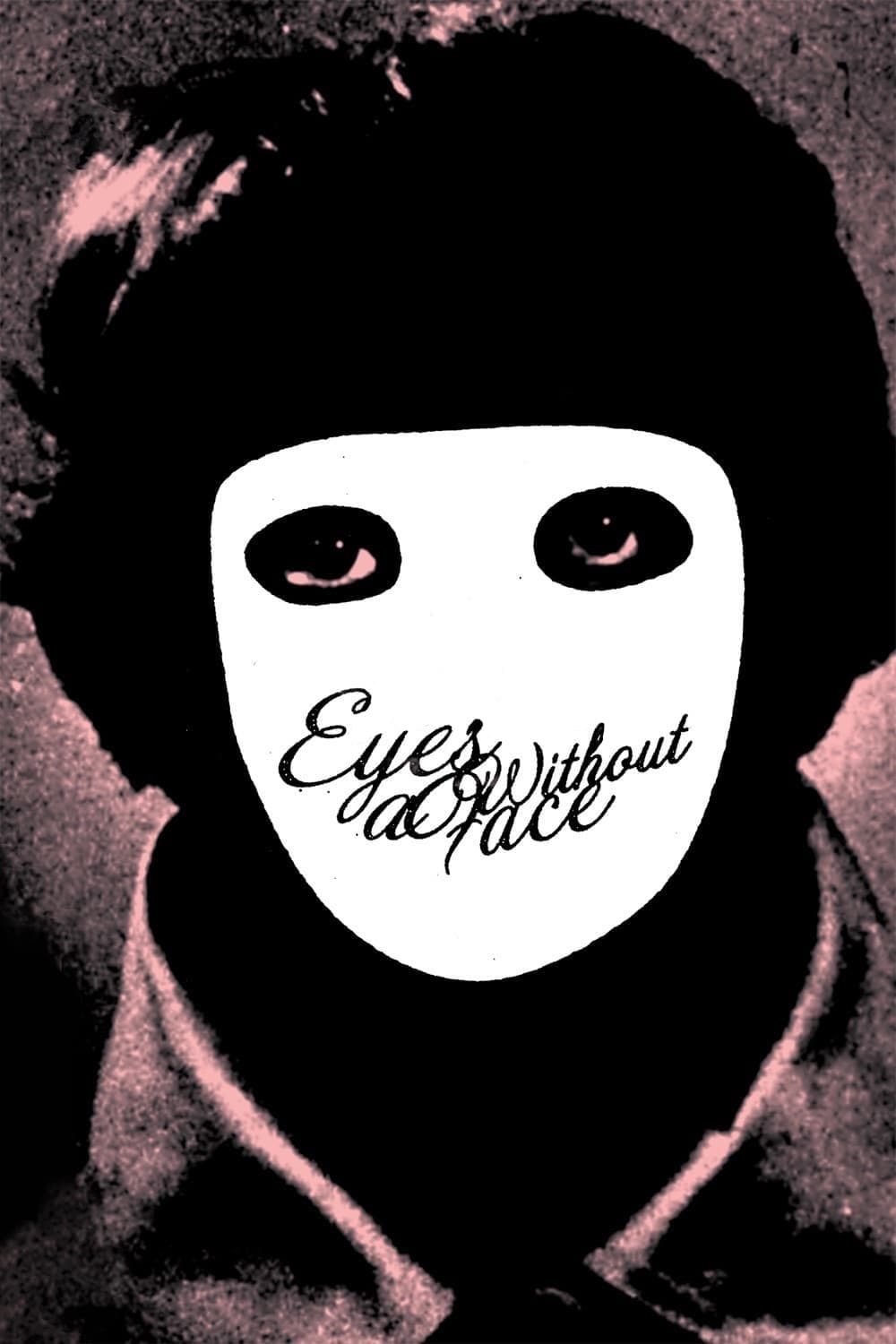
Few films have unsettled me so subtly and so completely as Georges Franju’s Eyes Without a Face. From the moment the opening credits faded in, I felt an icy tension—a dreadful anticipation forged by the film’s deliberate pacing and haunting visuals. Without revealing the film’s most shocking secrets (spoilers lie ahead), I can say that the core narrative revolves around madness fueled by love and guilt. The story follows Dr. Génessier, an esteemed but tormented surgeon, and his enigmatic daughter Christiane, who lives behind a featureless mask after a devastating accident destroyed her face. Together with his loyal, morally ambiguous assistant Louise, the doctor becomes obsessed with restoring Christiane’s once-beautiful features—no matter the cost to innocent lives.
What surprised me was how the film unfolds almost as a ghost story, shrouded in a hush of melancholy rather than the overpowering horror tactics typical of its era. The atmosphere is thick with unease, driven by nocturnal scenes of abduction, the sterile chill of the surgeon’s laboratory, and Christiane’s haunting, floating presence. Even though the true extent of Dr. Génessier’s work emerges slowly, every step closer to the truth brought with it an intensifying sense of tragedy and dread. Watching Christiane wander the manor’s halls, I found myself unnerved by her silence and the disturbing lengths her father pursues to “fix” her. The film never resorts to gratuitous violence, yet the implication of what happens off-screen is absolutely chilling.
Warning: Minor spoilers ahead. While I won’t divulge the fate of Dr. Génessier or Christiane, the plot’s gradual erosion of morality made me reflect on how obsession warps intentions. The final act is both horrifying and strangely poetic, closing the narrative with an ambiguity that lingered in my mind long after the credits.
Key Themes & Analysis
Every time I revisit Eyes Without a Face, I’m struck by how its themes refuse to age or lose potency. On its surface, it’s a tale of science gone awry, but beneath, it thrums with deep anxieties around identity, the body, and the boundaries of love. The film asks unsettling questions: What defines who we are if our appearance has been erased? Where does love end and selfishness begin?
I was especially captivated by Franju’s use of restraint and suggestion. Unlike many horror films of both its own time and ours, terror arises not from mere shock but from lingering anticipation. The cinematography—icy, monochromatic, and almost dreamlike—traps the audience in a realm where horror and sorrow exist in constant tension. Eugen Schüfftan’s camera lingers on empty corridors, shadows, and Christiane’s mask, making even silence oppressive. I found this visual poetry transformative. Each frame feels meticulous; even moments of horror are rendered with an almost surgical sterility. The horrific surgery scene, for example, is disturbingly clinical rather than lurid, which makes it all the more harrowing. I remember flinching, not from what was aggressively shown, but from the unbearable suspense built through slow, careful motion and unblinking detail.
Edith Scob’s performance as Christiane is mesmerizing. Her body language—ethereal, fragile, almost ghost-like—communicates unbearable sorrow and longing even as her face remains impassive behind the mask. I was awed by how she builds empathy with subtle gestures, the tilt of her head, the hesitant way she moves through spaces she once called home.
Alida Valli as Louise brings a chilling devotion to her role, making her character at once monstrous and pitiable. Pierre Brasseur’s Dr. Génessier is similarly complex—a man destroyed by guilt and propelled by arrogance. What I love most about these performances is how the horror comes from psychological tension rather than grotesquery. Nobody is a cartoon villain; instead, I found each character trapped in their own tragic cycle of love, complicity, and denial.
Franju’s direction is masterful for how it weds the traditions of poetic surrealism to the emerging language of horror. He imbues the horror with a lyricism that makes it less about fear of the unknown and more about existential dread. By lingering on stillness, by refusing to offer release in screams or violence, Franju leaves the audience to fill the silence with our own anxieties. That approach still feels fresh and radical today.
I’m also haunted by how the film explores the ethics of medical experimentation and the desperation to reclaim lost beauty. It echoes a postwar anxiety of the body—the fear of deformity, the price of scientific progress, and the inability to accept loss. For me, these are not just historical echoes; they remain piercingly relevant in our visually driven, beauty-obsessed societies.
My Thoughts on the Cultural Impact & Legacy
For me as a curator and critic, Eyes Without a Face stands as a watershed moment in horror and European cinema. When I first encountered the film, I felt I was glimpsing a new language for how cinema could evoke terror and empathy simultaneously. Unlike most horror films that seek to frighten with monsters and gore, Franju’s masterpiece made me consider the horror within everyday love, familial devotion, and scientific pride gone too far. It is this emphasis on psychological horror and atmosphere that vaults the film above genre boundaries and into the realm of timeless art.
Its influence on later works is breathtaking. On a personal level, I can trace lines from Franju’s film to the dreamlike body-horror of David Lynch, the clinical brutality of Cronenberg, and the poetic unease of Guillermo del Toro’s Spanish-language classics. The masked protagonist—tragic, spectral, and entrapped—has become an echo throughout cinematic history, visible everywhere from John Carpenter’s Michael Myers to the philosophical underpinnings of Pedro Almodóvar’s “The Skin I Live In.” Each time I revisit these later films, I see the DNA of Eyes Without a Face stitched delicately into their texture.
Yet, what hits me hardest is how the film forced audiences (and myself) to rethink what horror could be. When I share it with others, I notice new viewers perplexed by its melancholia and lyricism—a sense they’ve wandered into an arthouse painting that’s also a nightmare. This willingness to defy audience expectations, and the refusal to fit neatly into a single genre box, is what cemented the film’s place in my own personal canon. It matters to me not just as a chilling story, but as a touchstone that redefined the possibilities of cinematic storytelling.
The film’s enduring resonance also points to what I value most in cinema: the ability of a director to conjure empathy for the monstrous and the broken. Today, as genres blend and boundaries blur, the importance of a film like this—rooted both in tradition and formal innovation—continues to challenge and inspire me as a film lover and curator.
Fascinating Behind-the-Scenes Facts
One of the fascinating aspects I discovered as I delved deeper is Franju’s battles with censors. The original French censors hesitated to approve the film due to its unsettling medical horrors, fearing it was too shocking even for adult viewers. When it premiered in the United States, many scenes were trimmed or softened, and the film was marketed with lurid, sensationalized posters that misrepresented its true, poetic nature. I find it striking how these choices demonstrate the vast difference between the film’s actual tone—austere, mournful, and elegant—and the way marketers tried to position it as cheap exploitative horror. This disconnect only adds to my fascination with its enduring legacy.
Another bit of trivia that struck me is how the now-legendary surgery scene was so convincing and daring for 1960 that even hardened viewers reportedly fainted in their seats. Franju, who was not a horror director by tradition, discussed how his own background as a documentarian influenced the stark way he approached these scenes. For me, this explains why even after decades, the film’s horrors still feel so real—they are grounded in the mundane, in the cold world of scalpels and latex rather than supernatural spectacle.
There’s also the mesmerizing mask worn by Edith Scob. That blank, porcelain mask was not only a technical marvel in its ability to both conceal and highlight Scob’s expressiveness, but it also went on to inspire generations of film and fashion designers. Scob would later reference this role in Leos Carax’s “Holy Motors,” a testament to the iconic power of that simple, haunting visage. Whenever I see a character in cinema hiding behind a mask—Michael Myers, Jason Voorhees, or even the masked figures of modern dance and performance art—I’m reminded of Christiane’s ghostly presence and the haunting effectiveness of a perfectly minimalist prop.
Why You Should Watch It
- If you’re drawn to atmospheric, existential horror that prioritizes psychological dread over cheap scares, this film will truly unsettle you in ways you might not expect.
- The visual artistry—especially the camera work and iconic mask—offers a masterclass in how to build tension through image and silence alone.
- Anyone interested in the evolution of genre cinema or the intersection of horror and arthouse filmmaking will find this indispensable, as it remains a cornerstone for directors and film scholars alike.
Review Conclusion
There are few horror films that I return to as often, and with as much reverence, as Eyes Without a Face. Each viewing deepens my appreciation not just for its chilling narrative, but for its artistic ambition, its compassion for even the most lost souls, and its profound influence on the evolution of cinema. This is a film that unsettles, enchants, and lingers—refusing to be confined by the conventions of either pure horror or poetic drama. For those who value cinema that innovates while haunting the mind, I cannot recommend it enough. My personal rating: 5/5.
Related Reviews
- “Les Diaboliques” (1955) – I’m always reminded of Clouzot’s French psychological thriller when I watch Franju’s work. Both films harness suspense, ambiguity, and the everyday settings of France to create enduring nightmares rooted in guilt and complicity.
- “The Skin I Live In” (2011) – Pedro Almodóvar’s unsettling, poetic riff on surgical body horror clearly shares thematic DNA with Eyes Without a Face, from its masked protagonist to its boundary-pushing exploration of beauty and control. I return to both films for their hypnotic blend of artistry and shock.
- “Hour of the Wolf” (1968) – Ingmar Bergman’s nightmarish meditation on guilt and identity embodies a similar blend of dreamlike staging and existential dread. It’s another film that, like Franju’s, treats horror as a conduit to unearth the human psyche.
- “Carnival of Souls” (1962) – For viewers who value ethereal, atmospheric horror over shocks, this independent American classic, made shortly after Eyes Without a Face, echoes Franju’s focus on haunting isolation and existential fear.
For readers looking to go deeper, these perspectives may help place the film in a broader context.
🎬 Check out today's best-selling movies on Amazon!
View Deals on Amazon