
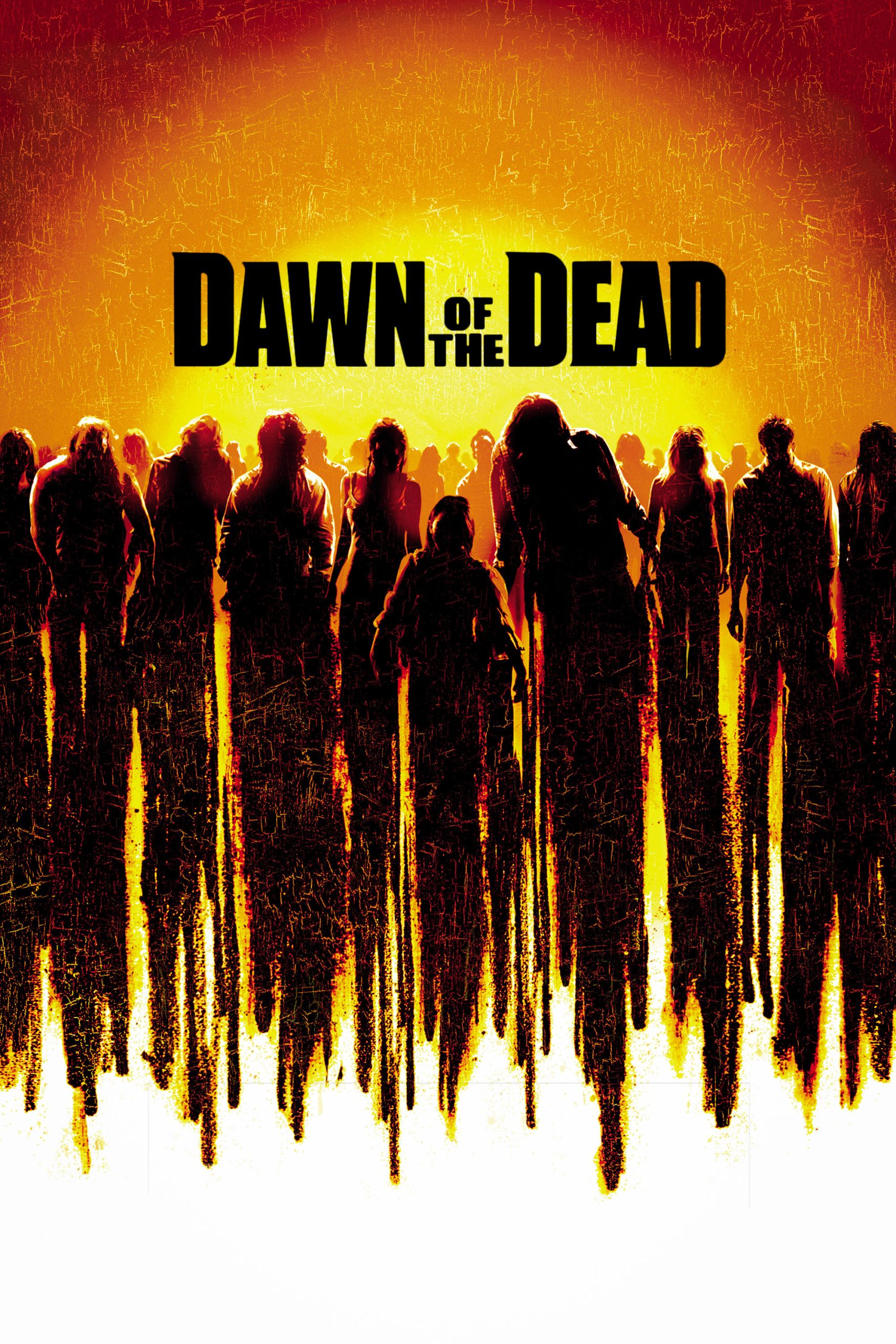
Plot Summary
The first time I watched George A. Romero’s “Dawn of the Dead”, I was floored by the way it reframed my understanding of horror. Set in a world unraveling due to a zombie apocalypse, the film homes in on a small group of survivors who seek sanctuary in an abandoned shopping mall. Romero’s vision isn’t so much about the monsters at the door as it is about the forces that infect us from within society itself. The survivors barricade themselves against the lurking dead, but as days turn to weeks, I found myself riveted by how swiftly their internal alliances shift and their sense of purpose erodes.
Without diving into the film’s major twists, I can say that much of the tension that drew me in came not just from hordes of shuffling zombies, but from the survivors’ slow realization that safety can be as suffocating as chaos. Romero deftly keeps the action pulsating, but what sets “Dawn of the Dead” apart for me is its unblinking examination of how survival can magnify our worst instincts and expose uneasy truths about consumerism, isolation, and primal fear. The mall—a symbol of 1970s American excess—becomes a fortress, but also a gilded cage.
Minor and major spoilers ahead: What left a lingering impact on me was the way Romero refuses to offer tidy resolutions. Characters make impossible choices, tempers flare, compassion fades, and alliances fracture under pressure. Every moment is infused with a sense of unease, urging me to consider whether the world outside is truly more hostile than the one within.
Key Themes & Analysis
I’ve always been fascinated by how “Dawn of the Dead” takes the usual trappings of horror—a zombie outbreak—and transforms them into a scathing, darkly satirical lens on American society. What struck me immediately was how Romero’s zombies, shuffling aimlessly through the gleaming corridors of the mall, are eerie reflections of our own consumer habits. I caught myself wondering: are the survivors really so different from the monsters at their gates? In Romero’s hands, the mall is more than a setting; it’s a character, and often, a battleground for the human soul.
The film is drenched in social commentary, and few movies hit me as hard with their dissection of consumer culture. Romero draws a razor-sharp line between survival and mindless consumption. Scenes of looting and excess are undercut by a sense of hollowness—when the survivors indulge in all the material goods they once coveted, I saw how quickly delight turns to boredom and anxiety. The endless aisles and glass storefronts start to feel claustrophobic, and I genuinely felt the creeping emptiness that overtakes the group.
Beyond the overt critique of materialism, I was drawn to the film’s nuanced take on community and alienation. The survivors, at first united by fear, slowly unravel as pressure mounts. Each attempt to restore normalcy—a hot meal, a game, a hint of routine—rings increasingly hollow as the line between safety and stasis blurs. I found this exploration of psychological decay under stress to be one of the film’s most unsettling aspects. It’s less a fight against the undead, and more an examination of the ways in which isolation and uncertainty erode human bonds.
The cinematography remains some of the most memorable in late-‘70s horror. I was especially struck by Romero’s utilitarian, sometimes documentary-style camera work, which grounds the supernatural in a reality that feels disturbingly plausible. Michael Gornick’s cinematography switches masterfully from wide, sterile shots of the empty mall to claustrophobic close-ups that amplify panic and paranoia. The gory set-pieces are both shocking and thought-provoking, forcing me to question my own reactions to violence as spectacle.
Tom Savini’s revolutionary practical effects—an orgy of blues, reds, and grotesque prosthetics—completely changed the way I viewed horror realism. Watching the zombies feast, I was both repulsed and in awe of the technical artistry. Romero’s use of bold color splashes, especially the iconic (if somewhat stylized) zombie blood, provides not just a visual punch, but also a surreal, nightmarish quality that further distances the violence from bland realism.
Performance-wise, I found the cast refreshingly grounded for a genre piece. Ken Foree, as Peter, anchors the film with a performance that balances stoic resilience and quiet dread. I noticed a remarkable depth in his eyes, communicating so much unsaid anguish beneath his calm exterior. David Emge, Scott Reiniger, and Gaylen Ross round out the core cast, each bringing a believable sense of exhaustion, hope, and frustration. What’s especially powerful for me is how the characters are painted with shades of gray: no one is purely heroic, and everyone, at times, is overtaken by fear, selfishness, or regret.
Romero’s directing achieves a rare balance between chaos and order. Amidst the swirling violence, his editorial control keeps the pace relentless but never rushed. I love how he oscillates between dark humor and macabre horror, forcing me to confront my own complicity in both the film’s carnage and its satire. There’s a playfulness to Romero’s vision that never undercuts the genuine horror, but instead, sharpens it.
My Thoughts on the Cultural Impact & Legacy
Few films have stayed with me the way “Dawn of the Dead” has—and it’s not just the blood or the zombies that haunt me, but the way Romero forever changed what horror could be. As someone with a deep passion for curating the great turning points in cinema, I consider this film not simply a genre classic, but a seismic shift in how movies reflect—and critique—the world around us. It’s hard to overstate the influence Romero’s vision had on both horror and pop culture. Watching this film for the first time as a teenager, I realized that fear could be political, satirical, and bitingly relevant.
This is the movie that cemented my belief that horror is one of the most potent mirrors of its time. The way Romero weaponizes the mundane—shopping, leisure, routine—had an enormous impact on countless directors who followed. I see echoes of his style in everything from Danny Boyle’s “28 Days Later” to the entire resurgence of zombie narratives in film, television, and even video games. I personally believe that the genre owes much of its modern vocabulary—fast zombies, apocalyptic settings, bleak humor, and social critique—to Romero’s fearless experimentation here.
The social commentary in “Dawn of the Dead” resonates more now than ever, as our relationship with consumption and media grows more complex. I often return to this film not just as a horror fan, but as someone curious about how movies anticipate shifts in cultural anxiety. It’s in the cracks between the scares—those quiet, desperate moments in the mall—where I feel the movie’s real legacy lies. For me, this is not just a film about the end of the world; it’s a meditation on how we mourn the world we leave behind. That’s what keeps it pertinent, more than four decades after its release, and why it continually informs my approach to critically examining and contextualizing other works.
Fascinating Behind-the-Scenes Facts
Part of what makes revisiting “Dawn of the Dead” so rewarding for me is delving into the stories behind its creation. Three pieces of trivia always stand out in my mind, not just for their creativity, but for how they showcase Romero’s unique approach to independent filmmaking.
First, the film’s cast was filled with both professional actors and genuine locals, which gave it a raw, lived-in feeling. I learned that Romero shot much of the film in the Monroeville Mall in Pennsylvania, and often had to sneak scenes overnight when the mall was closed. Hearing interviews, I’m fascinated by how the cast and crew would film in the dead of night (pun intended), then rush to clean up the zombie makeup and fake blood before shoppers arrived in the morning. The logistics alone—working against tight schedules and tight budgets—speak to the immense passion and commitment involved.
Another detail I find endlessly interesting is Tom Savini’s groundbreaking work on special effects. At the time, realistic gore was not common in cinema. Savini invented many of these techniques specifically for the film, sometimes using household items and elaborate prosthetics to achieve those unforgettable effects. I’ve read how Savini would experiment with concocting new blood formulas using everyday products and food coloring. The bright, almost cartoonish blood became a notorious visual cue—one that ended up defining the film’s aesthetic and influencing generations of horror effects artists.
Finally, I love how the film’s score, composed by Goblin, was integrated. Goblin was an Italian progressive rock band best known for their collaborations with Dario Argento. The blend of pulsing synths and discordant rock riffs adds a hypnotic, otherworldly energy to the movie. Interestingly, different versions of the film exist worldwide because Romero assembled the soundtrack with a combination of Goblin’s original work and library music. The result is a film that feels slightly different depending on which country you see it in—a rare occurrence that further cements its cult legacy.
Why You Should Watch It
- It redefines what horror cinema can do, blending terrifying set-pieces with unflinching social commentary.
- The practical effects and makeup work pioneered by Tom Savini remain benchmarks for the genre, delivering both visceral frights and astonishing artistry.
- It is an unmissable touchstone for anyone interested in the evolution of cinematic storytelling and cultural critique.
Review Conclusion
Each time I revisit “Dawn of the Dead”, I’m struck by its relentless inventiveness and depth. Romero’s film is scary, yes, but it’s also endlessly reflective—a mirror for my own fears, hopes, and suspicions about the world. Whether you love horror or simply appreciate cinema that challenges and provokes, this is a masterwork that rewards attention and analysis. I cannot recommend it highly enough, especially for those ready to explore the darker, more incisive corners of genre filmmaking. My rating: 5/5 stars.
Related Reviews
- “Night of the Living Dead” (1968) – I’ve always found Romero’s original zombie masterpiece the ideal companion to “Dawn of the Dead.” It’s grittier, more claustrophobic, and its innovative approach to race and survival in America still packs a punch. If you’re curious where the revolution in zombie cinema began, start here.
- “28 Days Later” (2002) – Danny Boyle’s modern update injected new energy into the zombie genre with fast-moving infected and raw, documentary-style storytelling. Watching this film felt like seeing Romero’s influence translated for a new era of uncertainty.
- “Shaun of the Dead” (2004) – Mixing sharp British comedy with affectionate horror homage, Edgar Wright’s film works as both genre parody and heartfelt tribute to “Dawn of the Dead.” I love how it wrestles with everyday mundanity in the face of apocalypse, just as Romero did.
- “They Live” (1988) – While not a zombie film, John Carpenter’s biting satire on mass media and consumerism feels spiritually connected. I’ve always admired its subversive humor and clever visual metaphors, making it a perfect recommendation for anyone compelled by Romero’s critique of American culture.
For readers looking to go deeper, these perspectives may help place the film in a broader context.
🎬 Check out today's best-selling movies on Amazon!
View Deals on Amazon