
Plot Summary
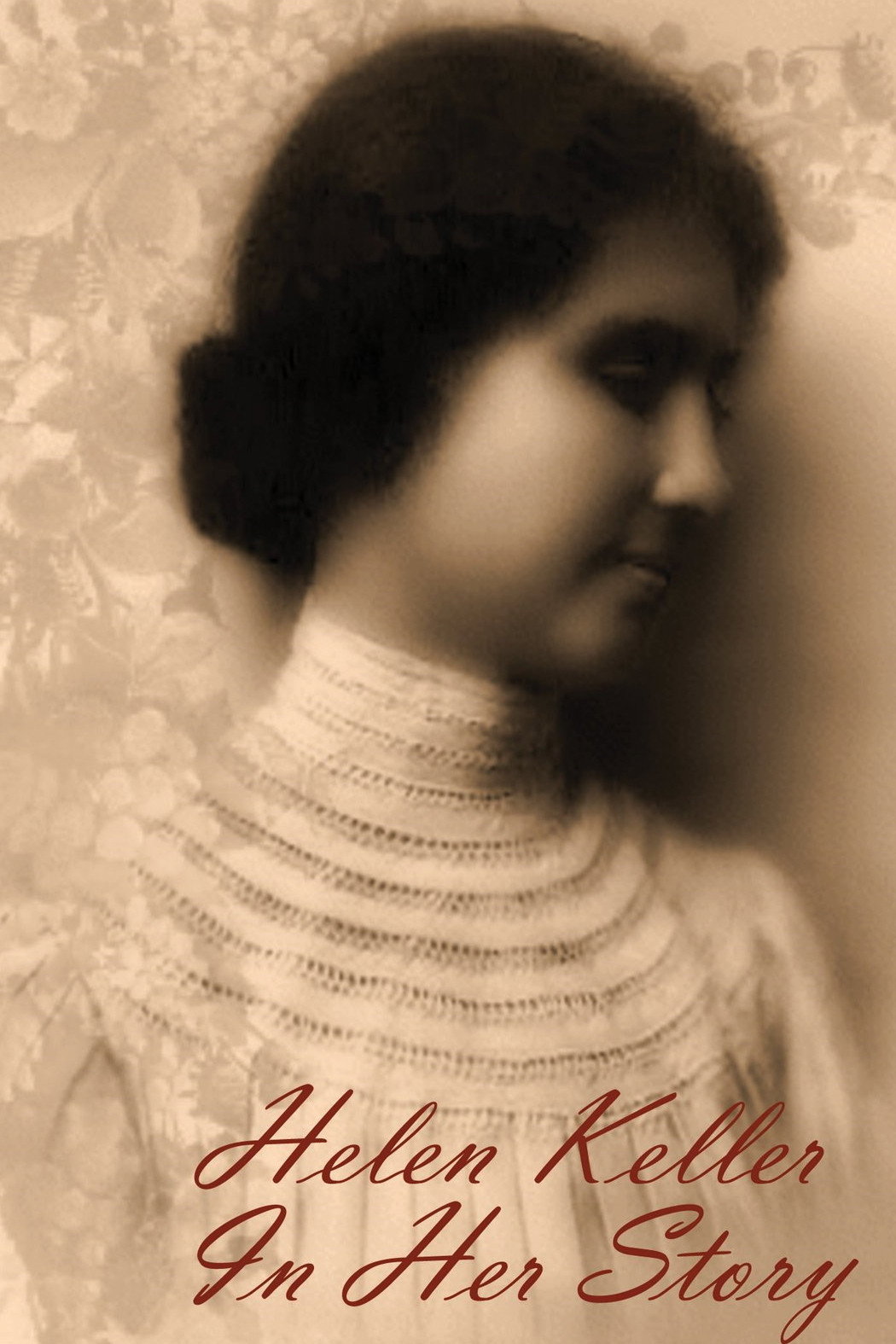
I remember the first time I experienced “Helen Keller in Her Story,” and I was immediately struck by how gracefully director Nancy Hamilton blended documentary clarity with personal warmth. Instead of offering a generic biopic, the film immerses me in Helen Keller’s world through intimate interviews, thoughtful narration, and genuine moments between Helen and her lifelong companion, Anne Sullivan Macy. The narrative moves purposefully through the pivotal stages of Helen’s journey, from her isolated childhood through her breakthrough with language and, ultimately, her emergence as a globally recognized figure of hope and human resilience.
Throughout the film, I sense a deliberate avoidance of melodrama. Rather than focusing solely on Helen’s challenges, the story celebrates her curiosity, intellect, and spirit. Archival footage, present-day interviews (for the time), and scenes of Helen in her later years working tirelessly for those with disabilities offer a deeply felt portrait. As I watched, I found the structure both informative and artful, allowing me to witness not just what Helen overcame, but how her worldview and activism shaped an era. Her relationships—with Anne Sullivan and Polly Thomson, in particular—surface as meaningful emotional anchors, and their interdependence is handled with real sensitivity.
What lingers most is how the film intertwines Helen’s achievements as an advocate, writer, and speaker, showing glimpses of her public presence alongside moments of private vulnerability. The careful use of narration lets me in on her internal landscape, and at every turn, I felt the film invites the audience to reflect as much as it informs.
Key Themes & Analysis
From my perspective, “Helen Keller in Her Story” deftly explores what it means to transcend limitations—whether physical, societal, or philosophical. At its heart, the film asks me to grapple with the nature of communication itself, and how connection and empathy can break through even the most daunting barriers. The relationship between Helen and Anne Sullivan is unmistakably the soul of the documentary, and I was particularly moved by how the camera lingers on their wordless interactions—hands moving, expressions shifting, the palpable trust between them.
The documentary’s cinematography enhances these themes beautifully. I noticed how the close-ups frequently dwell on Helen’s face, hands, and the tactile alphabet she uses to communicate, putting me in direct contact with the tactile world she inhabits. I find this choice disarmingly effective—and, in a way, it conjures a sense of cinematic intimacy that script-driven storytelling often struggles to achieve. The visual language here underscores the isolation and breakthrough of sensory experience in a way that’s both poetic and grounded.
Nancy Hamilton’s directorial approach impresses me for its restraint and empathy. Rather than resorting to sentimentality, she trusts the audience to be moved by the truth of Helen’s life, not just its dramatic potential. The documentary refuses to make Helen a symbol of tragedy or performative inspiration. Instead, I believe it champions her as a thinker, activist, and individual who challenges the preconceptions of her time and mine.
I can’t ignore Katharine Cornell’s narration, either—the calm assurance of her voice provides structure without overshadowing the subject. To me, this was an inspired choice, lending dignity and coherence but never intruding upon Helen’s presence. When paired with the frankness of Helen’s interviews and the gentle humor that peeks through, this creates a full-bodied portrait that resists easy categorization. The film’s greatest strength, in my view, lies in its willingness to center Helen’s own words, ideas, and indignation over injustice, instead of reducing her to a passive recipient of charity or pity.
What’s more, the depiction of the evolution of disability rights advocacy feels ahead of its time. While it remains grounded in the 1950s, I was surprised by the unflinching depiction of the obstacles Helen faced in her activism. The film’s commitment to showing her in action—traveling, speaking, lobbying—reminds me just how hard-won every breakthrough was. I come away convinced that this film is as much about the collective effort for equity and respect as it is about a singular heroic journey.
My Thoughts on the Cultural Impact & Legacy
If there’s one documentary I find myself returning to for insight, “Helen Keller in Her Story” is it. To me, its influence ripples through both cinema and broader cultural conversations about disability and representation. At a time when very few films centered disabled lives on their own terms, this documentary did so with remarkable tact and actual participation from its subject. Helen Keller, present and active in her own narrative, is a profound act of historical documentation. The authenticity here bridges the gulf between subject and spectator—I felt I was learning with and from Helen, not just about her.
As a curator and critic, I’ve always appreciated how the film pioneered a type of documentary that gives full agency to its subject, instead of speaking for them. This choice—still not universally observed—set a precedent for decades of advocacy cinema and shaped my own standards for what respectful, ethical documentary filmmaking can be. The film’s legacy lives on both in storytelling and in activism; to this day, I see echoes of its approach in works that champion self-representation and inclusivity.
It’s not just a dry historical record; the emotion, resolve, and flashes of humor within the film continually draw me back and remind me why it still matters. Whenever I engage with contemporary debates over accessibility and agency, Helen’s presence in this film feels like a guiding touchstone. It shaped an entire generation’s view of what people with disabilities could achieve and, just as importantly, how they wished to be seen. This enduring relevance is why I keep recommending the film—not as a lesson in overcoming adversity, but as an invitation to rethink the terms of participation and dignity in public life.
Fascinating Behind-the-Scenes Facts
While I’ve admired the finished film for years, the stories behind its production are equally compelling. One fact that always fascinates me is that this documentary was produced on a modest budget and completed years after the idea was first conceived, primarily due to the dogged persistence of Nancy Hamilton. She was a celebrated Broadway playwright and lyricist, not a director by trade, and I find it remarkable that she stepped into this new role out of genuine admiration for Helen Keller and a desire to tell her story with integrity. Hamilton’s transition from theatre to documentary gives the film a unique warmth that most contemporaries lacked.
Another of my favorite details: Katharine Cornell, who narrates the film, was Helen Keller’s actual friend and a theater legend in her own right. Having a close friend serve as narrator adds heartfelt authenticity to the project. I learned that Cornell’s longtime advocacy for women in the arts influenced the sensitivity and respect that pervades every frame of the documentary. This connection between subject and storyteller is, in my mind, an overlooked but powerful ingredient in the film’s impact.
One more bit of trivia that delights me every time: the filming process itself proved challenging, as Helen was in her seventies and the logistics of capturing both everyday moments and archival history required careful planning and cooperation. The filmmakers were able to capture genuine interactions between Helen, Anne, and Polly Thomson by creating a relaxed environment, allowing Helen’s sense of humor and intellectual curiosity to shine through the camera rather than forcing stiff re-enactments. This creative decision resulted in many unguarded moments that distinguish the film from its peers.
Why You Should Watch It
- This documentary offers an unvarnished, deeply personal look at Helen Keller’s life, placing her agency and voice at the center of her story.
- The film’s empathetic direction, real-life relationships, and candid moments create a rare blend of historical importance and emotional connection.
- As an early example of disability cinema, it remains relevant—challenging old stereotypes, championing self-representation, and inviting reflection on society’s progress (and remaining work).
Review Conclusion
On every viewing, I’m reminded why “Helen Keller in Her Story” remains so resonant for me. It’s not only a historical document but a living testament to human connection, courage, and the ongoing fight for respect and equity. Its restraint and honesty have made a permanent impression on my definition of what nonfiction film can and should do. I cherish the way the film’s artistry aligns seamlessly with its subject matter, resulting in an experience that is as emotionally potent as it is enlightening. I often measure other documentaries against this one and rarely find another that balances intimacy, dignity, and social impact so effortlessly.
My Rating: 4.5/5
Related Reviews
- The Miracle Worker (1962) – My fascination with Helen Keller’s legacy made me seek out this dramatization of her childhood breakthrough with Anne Sullivan. I found that its intense performances and focus on communication echo the same core themes, and it deeply enhances the effect of watching the documentary.
- Sound and Fury (2000) – Watching this later documentary about the Deaf community’s debates on cochlear implants, I saw a thoughtful exploration of disability, culture, and communication that resonates with the ethical curiosity I saw in “Helen Keller in Her Story.”
- Lives Worth Living (2011) – This landmark film charts the U.S. disability rights movement, and after experiencing Helen’s advocacy onscreen, I felt a clear through-line between her pioneering activism and the collective efforts this documentary chronicles.
For readers looking to go deeper, these perspectives may help place the film in a broader context.
🎬 Check out today's best-selling movies on Amazon!
View Deals on Amazon