
Plot Summary
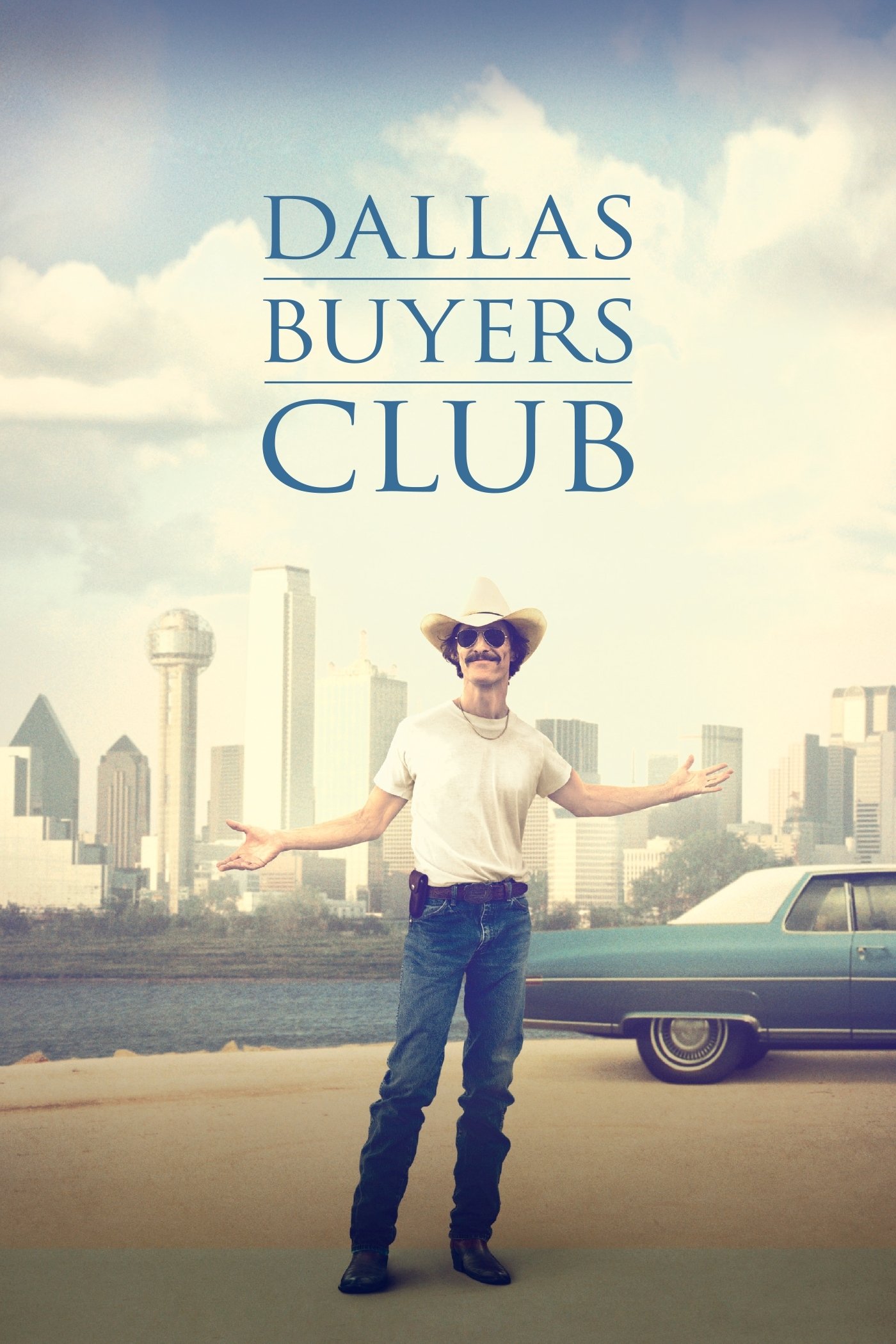
My memory of Dallas Buyers Club starts not with the story itself but with the visceral impact of its opening moments. Directed by Jean-Marc Vallée, the film lands squarely in the biographical drama genre, but for me it felt like much more—a raw, lived-in piece of cinema that threw me straight into the gritty world of Ron Woodroof. Set in mid-1980s Texas during the height of the AIDS crisis, I watched as Ron, a rough-edged electrician and rodeo cowboy, is jolted by an HIV diagnosis. For a man who embodied a hyper-masculine, risk-taking lifestyle, this blow rewired everything about his identity and outlook.
As the plot develops, I felt myself pulled into Ron’s desperate scramble for survival in a system that had all but abandoned him. Instead of surrender, he fights—first for the right to treat his own illness and then, strikingly, for the dignity and lives of others shunned by society. The founding of the “Dallas Buyers Club,” an illicit cooperative to obtain and distribute unapproved medication, becomes the heart of the story’s resistance. What I appreciated most is that the narrative doesn’t offer easy answers or trite victories. Instead, it unfolds in shades of gray, revealing Ron’s evolution from self-preservation toward empathy and reluctant activism.
Warning: minor spoilers ahead—for anyone wanting to experience every narrative twist firsthand, it’s best to skip specifics. But I must mention that, for me, the relationship between Ron and Rayon (Jared Leto), a transgender woman also afflicted by AIDS, formed one of the film’s most profound pillars. Their initially antagonistic dynamic grows into a partnership and unexpected friendship, and I was deeply affected by their mutual transformation as they face down institutional barriers, rampant prejudice, and their looming mortality.
Every character, from Ron to Dr. Eve Saks (Jennifer Garner), adds layers to the journey, but it was the sense of radical resilience in a time of fear and ignorance that remained with me long after the credits rolled. What made this story different for me was its refusal to sanitize hardship; every setback and small triumph felt uncompromisingly real.
Key Themes & Analysis
What struck me most as I reflected on the film was its uncompromising look at systemic neglect during an epoch-defining public health disaster. The AIDS crisis of the 1980s is often recalled in broad strokes, but Dallas Buyers Club zeroes in on the intimate, everyday battles—against bureaucracy, medical indifference, and personal prejudice.
I found that Vallée’s direction steered clear of melodrama; instead, he crafted something stark, deliberate, and pulsing with immediacy. The hand-held camera work and mostly natural lighting dropped me directly into the heat and grime of Ron’s world, leaving little between me and the reality on-screen. From an analytical standpoint, this approach gave the film an almost documentary authenticity. In many scenes, I barely felt the director’s hand, which made every heartbreak and act of defiance that much more affecting.
Thematically, the film circles around individual agency in the face of institutional apathy. I saw Ron’s journey—not just from ignorance to awareness, but from isolation to reluctant solidarity—as emblematic of the power one person can wield when determined to defy the status quo. Yet, the screenplay is sharp enough to avoid painting Ron as an uncomplicated hero. His prejudices and selfish moments remain visible. That willingness to let protagonists be deeply flawed, sometimes even unlikable, is what makes their eventual growth so potent for me as a critic and as a viewer.
I can’t talk about Dallas Buyers Club without highlighting its central performances. Matthew McConaughey’s physical transformation is legendary, but it’s the haunted, restless energy he brings to Ron that drove my emotional investment throughout the film. I sensed every ache, every flash of fury, and every moment of confused compassion as if they were my own. Then there’s Jared Leto’s exceptional work as Rayon, which for me remains among the most tender and devastating portrayals of vulnerability on screen. Their chemistry doesn’t just serve the narrative—it’s the narrative’s heartbeat.
Cinematographically, Yves Bélanger’s choices—favoring tight, often claustrophobic framing—underscore the characters’ sense of being cornered, whether by disease, by regulation, or by bigotry. I found this especially effective in moments when Ron confronts the limits of his own body or the glass wall of hospital corridors, fighting not just death but indifference.
Finally, the film delves deeply into the ethics of medicine and the hunger for dignity in terminal illness, topics I find endlessly compelling and painfully relevant. The push and pull between hope and despair, autonomy and authority, pervades almost every scene. While sabotage from pharmaceutical companies and regulatory agencies is a clear antagonist, I appreciated that the film stops short of demonizing individuals in favor of critiquing broader systems.
My Thoughts on the Cultural Impact & Legacy
As someone who has watched the landscape of biographical dramas evolve, I believe Dallas Buyers Club represents a turning point—a film that dared to treat the AIDS crisis with piercing realism and nuance, rather than as a tragedy framed only by sentimentality. It returned agency to the afflicted, treating every character as complex, worthy, and capable of change.
For me, the film’s cultural legacy is rooted in its ability to draw viewers—myself included—into an emotionally immersive vision of survival, community, and persistent defiance. Released in a cultural moment still marked by misunderstanding and stigma around HIV/AIDS, the film forced conversations that were often avoided. As a curator of film, I see its influence ripple through subsequent movies: willingness to center marginalized experiences, embrace of flawed protagonists, and the prioritization of authentic narrative voices.
On a personal level, I felt compelled and challenged. The film doesn’t let me remain a detached observer; I feel implicated in the injustices faced by the characters, and I’m made to ask myself how I might act in their place. I think that’s why it continues to resonate with me—its central questions about empathy, courage, and social responsibility remain pressing, both within and beyond the medium of film.
I’ve since paid closer attention to other stories on screen that examine systemic injustice, whether focused on healthcare, sexuality, or civil rights. Dallas Buyers Club helped energize those larger conversations, setting a new standard for how cinema can illuminate the most harrowing aspects of our recent past while finding unexpected hope amid adversity.
Fascinating Behind-the-Scenes Facts
Digging into the story behind the making of Dallas Buyers Club, I uncovered details that deepened my appreciation for what ended up on screen. One fact I find particularly striking is the film’s famously minuscule budget. Production reportedly operated on just $5 million, and I learned that this shoestring approach forced the filmmakers to shoot without extras and often with natural light, sometimes finishing set-up and takes in minutes. There was very little margin for error, and I think that urgency is keenly felt in the film’s brisk, on-the-fly energy.
Another detail that lingers for me is the sheer commitment of the cast. Matthew McConaughey lost around 50 pounds for the role of Ron Woodroof, while Jared Leto immersed himself in the character of Rayon long before cameras rolled, staying in character between takes and even living as Rayon off-set to ensure authenticity. As an analyst, I believe this depth of method acting elevates their performances to a rare echelon and rewards the audience with a haunting sense of reality.
Finally, it almost astounds me to consider that the screenplay floated in Hollywood limbo for two decades before production finally began. So many studios reportedly passed or abandoned the project due to concerns about budget and “commercial risk.” Knowing that the story only reached us through sheer persistence makes the completed film feel even more like a miracle of cinema.
Why You Should Watch It
- The standout, Oscar-winning performances by Matthew McConaughey and Jared Leto are among the most transformative character creations I’ve ever witnessed—raw, unfiltered, and emotionally devastating.
- The film’s honest, unflinching portrayal of an often-misunderstood chapter in American history offers not just a window into the past but a challenge to present-day viewers to confront their own assumptions and complicity.
- The intimate, documentary-like visual style draws you directly into the story, making every victory, defeat, and moment of connection feel profoundly personal and immediate.
Review Conclusion
When I reflect on my strongest cinematic experiences, Dallas Buyers Club ranks among the most unforgettable. It’s a film that left me raw and reflective, questioning, and oddly, hopeful. What the movie achieves—through its exceptional acting, bold directing, and unwavering commitment to hard truths—is nothing short of transformative. I believe it set a new bar for biographical drama and for cinematic activism, refusing to let comfort blunt the impact of its message. My personal rating: 4.5/5 stars—a near-masterpiece that reshaped the genre for me and, I believe, for the industry at large.
Related Reviews
- Philadelphia – I recommend this 1993 drama for its groundbreaking depiction of HIV/AIDS discrimination through a legal and personal lens. Like Dallas Buyers Club, its impact is magnified by powerhouse performances that sparked national conversation around stigma and civil rights.
- Can You Ever Forgive Me? – Audiences who found themselves drawn to the partnership between outcasts in Dallas Buyers Club might appreciate this film’s exploration of unlikely friendship and moral gray zones within the framework of true-life struggles.
- Milk – For viewers interested in biopics highlighting LGBTQ+ activism and systemic barriers, this film’s focus on the late Harvey Milk’s fight for equality offers resonance with the themes of resilience and individual advocacy central to Dallas Buyers Club.
- The Fighter – While this is a sports drama, I see a similar use of grit, transformation, and community among marginalized figures that echoes the raw energy and redemptive spirit of Dallas Buyers Club.
For readers looking to go deeper, these perspectives may help place the film in a broader context.
🎬 Check out today's best-selling movies on Amazon!
View Deals on Amazon