
Plot Summary
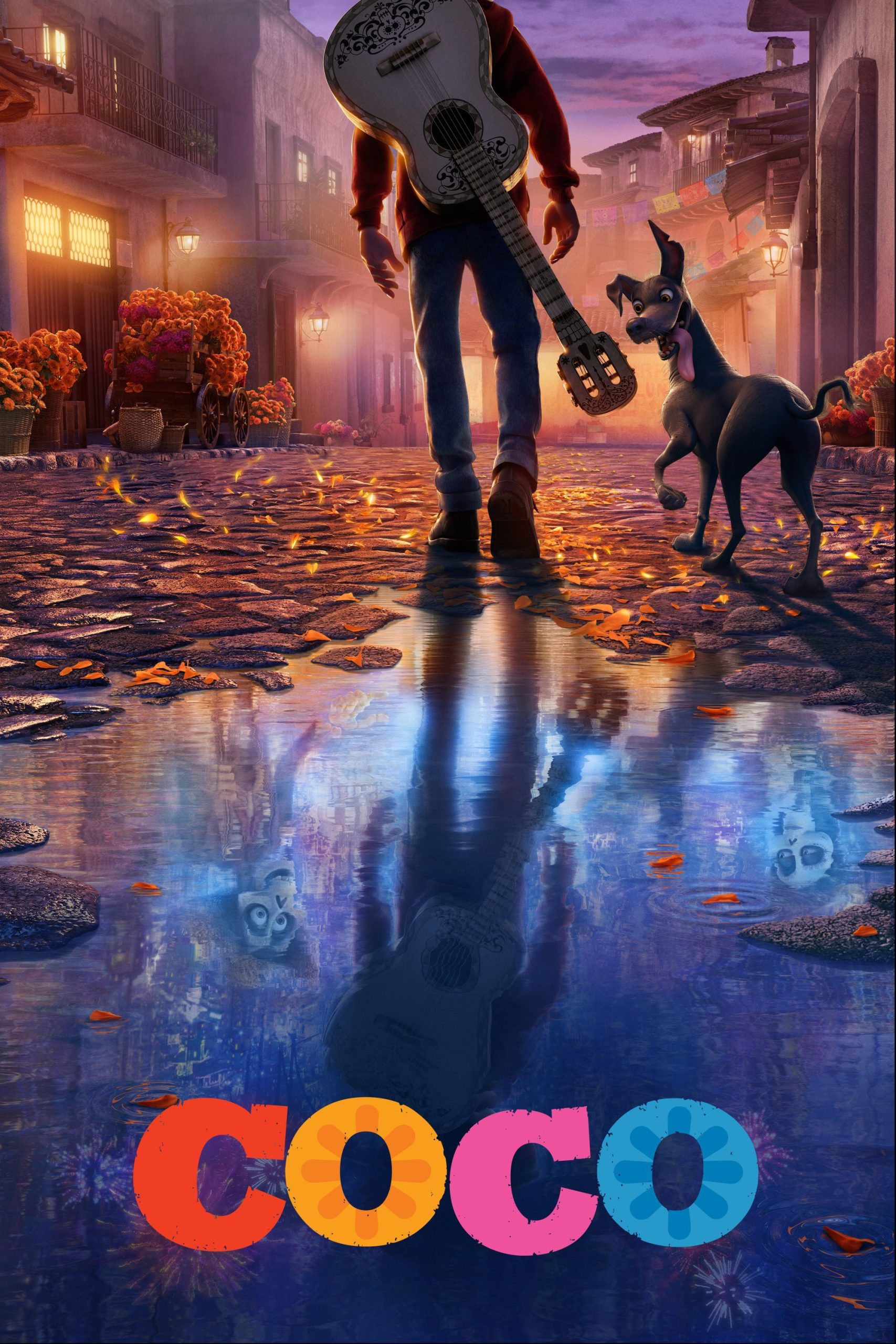
Watching Pixar’s Coco for the first time felt like being wrapped in a tapestry of color, music, and emotion—everything I associate with a truly memorable animated film. Lee Unkrich, who directed this heartfelt fantasy adventure, crafts a world that’s as visually playful as it is deeply resonant. The central story follows Miguel, a boy with dreams much larger than his small-town life will allow, and the plot weaves through Mexico’s Day of the Dead traditions in ways I found both respectful and enchanting. Without giving away key turns, I can say that at its core, Coco is about honoring family—past and present—while also daring to pursue one’s own voice and dreams.
The opening thrusts us into Miguel’s complicated world, where music is at once banned and yearned for—a paradox I found entirely believable in families shaped by old wounds. It’s not just a cartoon journey across magical landscapes; it’s a young boy’s quest for identity, entwined tightly with the living and the departed. The emotional arc is rich: Miguel’s voyage into the Land of the Dead (without spoiling the why or when) forces him to reckon with legacies he didn’t expect and roots he never knew he craved. For viewers who avoid spoilers, rest easy: the story cultivates surprises that only deepen the emotional payoff without relying on shock tactics.
Having watched countless animated features, what distinguished Coco for me is how every step of Miguel’s journey seems to serve a larger meditation on memory, tradition, and aspiration. The vibrant Land of the Dead is more than a backdrop; it’s essential to understanding how tradition can both constrain and empower.
Key Themes & Analysis
What keeps Coco resonating in my mind isn’t only its storyline, but the profound meditation on remembrance and generational ties. I’m always searching for films that refuse to treat their young audiences with kid gloves, and Coco stands tall in this respect. The film explores how people live on as long as their stories are told—an idea beautifully captured through both visual storytelling and musical motifs. I found the central theme, “Remember Me,” not just a musical number but a thesis statement for the whole film.
From a cinematographic perspective, the work is dazzlingly meticulous. Each shot of the Land of the Dead pulses with life. What continues to astound me on rewatches is how the animators treat the afterlife not with gloom, but as a celebration—gilded bridges of marigold petals, luminous cityscapes, and spectral alebrijes gleam with an energy that tells as much story as dialogue ever could. I noticed how contrasting palettes between the land of the living (earthy, muted) and the land of the dead (electric, jewel-toned) reinforced the core message: vibrant memories stave off decay.
Lee Unkrich’s direction feels more confident to me here than even in his earlier work on Toy Story 3. There’s a palpable trust in the young characters’ emotional intelligence. The voice cast—particularly Anthony Gonzalez as Miguel and Gael García Bernal as Héctor—imbue their roles with an authenticity that anchors all the magical realism. The performances never pander; instead, they invest the world with sincerity. Even side characters are memorable: I personally delighted in each cameo by Miguel’s ancestors, who embodied the tension between devotion and exasperation.
Musically, “Coco” is a triumph. The film’s original songs aren’t just catchy numbers—they are plot-relevant, culturally rich, and emotionally potent. “Remember Me,” in particular, struck a nerve. In my experience, this melody has a haunting quality that persists long after the film. The music not only advances the plot but also bridges cultural divides, making universal Miguel’s very specific journey. Each strum of the guitar and burst of voice reminds me that an animated feature can challenge, uplift, and move grown viewers every bit as much as kids.
What I found most rewarding—both as a film lover and critic—was how Coco balances heartfelt emotion with real stakes. Loss, regret, and forgiveness are not lightweight themes, especially in a film designed for kids. Pixar and Unkrich trust the audience to wrestle with what happens when dreams divide families, and the film finds honesty in how complicated love can be. By the end, I didn’t feel manipulated—I felt seen.
My Thoughts on the Historical & Social Context
When Coco debuted in 2017, the world—especially the United States—was embroiled in conversations about identity, heritage, and cultural respect. I remember the outcry when stories or traditions were appropriated or misrepresented, and there was a palpable hunger for authentic Hollywood depictions of non-white cultures. For me, watching Coco in that context, I sensed a purposeful response to these cultural anxieties. The care taken in representing Mexican traditions was not just background texture; it was front and center, asking audiences to celebrate difference rather than flatten it.
The film’s focus on Día de los Muertos was more than decorative—it was a love letter to a culture that American cinema often caricatured. As someone with a deep interest in how popular art shapes national conversations, I found Coco’s willingness to immerse itself in the specifics of Mexican folklore both brave and overdue. The film was released at a time when immigration and Latino heritage were fiercely contested topics in American politics. In this light, Coco offered a gentle but persistent argument for empathy, understanding, and reverence across boundaries.
What makes Coco’s message resonate today is its dual appeal to tradition and individualism. In a rapidly globalizing, sometimes rootless era, the assertion that “remembering” is a radical and necessary act feels even more urgent now than it did in 2017. I return to this film for its reminder that every act of memory—whether for a grandparent or a forgotten artist—fortifies our sense of community, and that stories, when honored, build bridges not only through generations but across entire cultures. Coco mattered to audiences then because it was a statement of pride and belonging; it matters to me now because it’s an open invitation to practice remembrance as a daily act of love.
Fact Check: Behind the Scenes & Real History
Behind Coco’s intoxicating charm lies rigorous research and some genuinely surprising filmmaking stories that I love to share. First, it stunned me to learn that Pixar sent its creative teams on extensive field trips through Mexico for over three years, documenting festivals, family altars, street musicians, and rural landscapes to ensure authenticity. This hands-on approach shines in the tactile specificity of every on-screen detail. I’ve rarely seen another American-made animated feature treat cultural research with such deep respect.
Another fascinating fact is how the team collaborated directly with Mexican writers, artists, and musicians at every stage, even hiring a team of cultural consultants to verify accuracy in language, costume, and symbolism. This move didn’t just avoid stereotypes; it actively re-centered the narrative within a lived Mexican context. I admire that the filmmakers incorporated feedback from test screenings with Latino families, which directly altered story beats and character design. For instance, the film’s original antagonist shifted dramatically after early audiences felt the portrayal was too harsh or simplistic.
Lastly, from a technical standpoint, I’m endlessly impressed by Pixar’s animation advances in Coco, particularly the rendering of marigold petals. Animators reportedly developed a custom tool to simulate the texture and physics of millions of petals on-screen—a level of detail I notice every time those bridges appear. There’s a subtle difference between artifice and artistry, and knowing this level of commitment only deepens my appreciation.
Comparing Coco to real Mexican tradition, I recognize that the film—while fantastical—remains broadly faithful to the spirit of Día de los Muertos. Its portrayal of ofrendas (altars), the importance of photos, and the emphasis on family meals all ring true. There are liberties taken, of course—no one expects literal afterlife adventures—but the emotional core is authentic. This kind of authenticity, coupled with technical mastery and humility, is what I wish more Hollywood productions would aspire to.
Why You Should Watch It
- The film delivers a universally relatable message about the power of memory and family bonds, making it emotionally resonant for viewers of all ages.
- Its visual and musical achievements transform familiar themes into a lush, unforgettable journey that stands apart from anything Pixar had done before.
- Coco balances cultural specificity with universal storytelling, offering both a celebration of Mexican traditions and an invitation for global audiences to reflect on their own histories.
Review Conclusion
Coco lingers with me because it honors the past not as a relic, but as a wellspring for hope, family, and creativity. Every frame pulses with love—love for culture, for music, for those who came before us. This is a film that never looks down on its audience, no matter their age. If there is any flaw, it’s perhaps in how the story’s most dramatic moments can veer close to melodrama—but I find even these lapses forgivable given the sincerity and beauty on display. Out of all Pixar films, Coco feels closest to my heart: I give it a resounding 5/5 stars.
Related Reviews
- Kubo and the Two Strings (2016) – I connect these two films not only because of the vivid worlds they build, but also because both address themes of ancestral memory and the healing of intergenerational wounds through music and storytelling. Kubo’s stop-motion artistry delivers a similar wonder that complements Coco’s vivid animation.
- Song of the Sea (2014) – Much like Coco, this Irish animated feature weaves folklore and family together, but it does so through the lens of Celtic mythology. I recommend it because it offers an equally rich take on how tradition and loss shape personal destiny.
- The Book of Life (2014) – For those drawn to Coco’s celebration of Mexican culture and inventive visuals, this film provides a vibrant, stylized approach to the Day of the Dead. While more comedic and lighter in tone, I find it shares Coco’s appreciation for cross-generational love and reconciliation.
- Inside Out (2015) – I suggest this one for viewers seeking another emotionally intelligent Pixar film. Like Coco, Inside Out trusts children with complex emotional journeys and offers insight into how our memories shape who we are and who we become.
If you want to explore this film beyond basic facts, you may also be interested in how modern audiences respond to it today or whether its story was inspired by real events.
🎬 Check out today's best-selling movies on Amazon!
View Deals on Amazon