
Plot Summary
When I first encountered Wong Kar-wai’s Chungking Express, I remember feeling as if a window had opened onto a vibrant, restless midnight street. The film is structured as two loosely connected tales, each unfolding amidst the neon-lit chaos of 1990s Hong Kong. Both stories center on lovelorn police officers spiraling through heartbreak, unpredictable encounters, and urban alienation. The first half follows Cop 223, who is reeling from a devastating breakup. He fixates on canned pineapple—one for each day, all expiring on May 1st—while pinning his affections on a mysterious woman in a blonde wig, entangled in the city’s criminal underbelly. The second story introduces Cop 663, a man equally adrift after losing his flight attendant girlfriend, whose life is quietly observed and then disrupted by Faye, an irrepressible fast food worker with dreams of escape and a love of California Dreamin’. Each narrative is self-contained but connected through their shared location, the Chungking Mansions, and through subtle emotional echoes. This film breathes in the liminal hours of Hong Kong’s nights, revealing how intimacy and loneliness often blur in life’s transitory moments. I’d recommend avoiding spoilers; the pleasure is in witnessing how these stories gradually intersect and diverge.
Key Themes & Analysis
Watching Chungking Express, I was struck by its persistent sense of longing and emotional transience. To me, the film lives in fleeting glances, missed connections, and the small gestures people use to communicate when words fail. The two main characters drift through their heartbreak like sleepwalkers: Cop 223 tries to quantify his sorrow through pineapple cans, while Cop 663 drowns in rituals, speaking to inanimate objects as if they might absorb his loneliness.
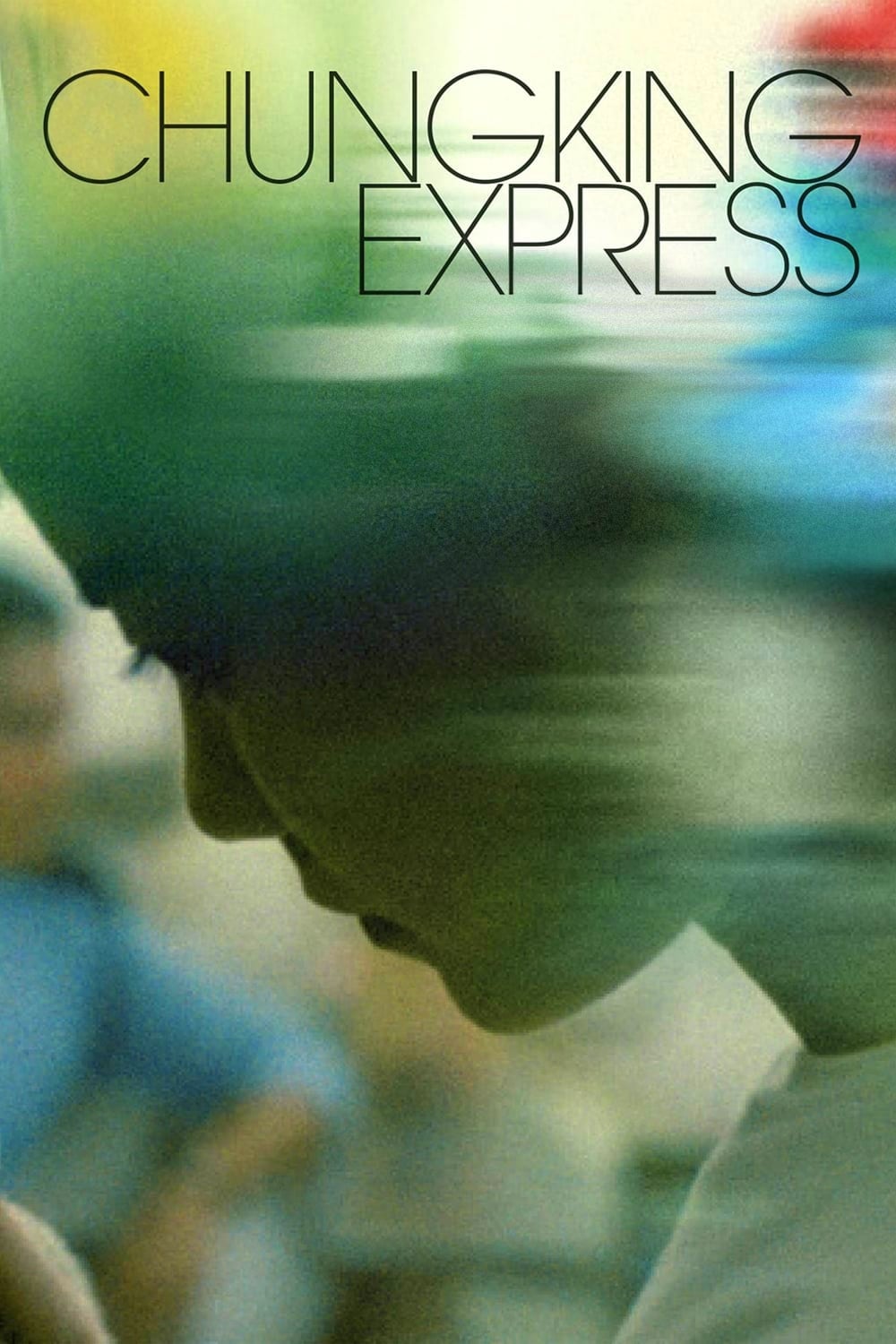
Wong Kar-wai’s direction feels improvisational, and yet every frame seems to pulse with intention. Christopher Doyle’s cinematography dazzled me with its handheld shots and saturated colors; every scene is alive, teeming with texture, reflection, and urban density. Time often feels elastic—blurring through slow motion, quick cuts, and jumpy editing, all of which mirror the characters’ emotional instability. The famous use of step-printing slows time to a syrupy crawl, allowing me to savor the space between moments.
Thematic duality is ever-present: hope and resignation, connection and isolation, chance and destiny. What I admire is how Wong doesn’t offer neat resolutions. Instead, he embraces the ambiguity and improvisation of love. The city itself feels like a third protagonist—messy, crowded, yet filled with hidden pockets of intimacy. Every setting—the neon-lit snack bar, cramped apartments, claustrophobic alleys—drips with atmosphere. The soundtrack, which cycles The Mamas & The Papas’ “California Dreamin’” and Faye Wong’s cover of “Dreams,” creates an emotional through-line that accentuates the film’s yearning for escape.
The acting throughout is quietly remarkable. Brigitte Lin as the Woman in the Blonde Wig commands the camera with a wounded intensity. Tony Leung’s portrayal of Cop 663 is a study in understated hurt—he internalizes so much yet manages to be completely transparent in his vulnerability. Faye Wong, in her screen debut, is all nervous energy, quirks, and infectious optimism, embodying the unpredictable magic of first love. These performances ground the film’s stylistic bravado in deeply felt humanity.
I think the film’s fragmented structure is its secret strength—it allows me to experience different shades of urban solitude. Where some directors use plot to bind their characters, Wong Kar-wai privileges mood, texture, and unspoken emotion. The beauty of Chungking Express lies less in what happens, and more in how it feels to sit in that world—the heartbreak, the hope, the spontaneous possibility that lingers in every encounter.
My Thoughts on the Historical & Social Context
It’s impossible for me to watch Chungking Express without thinking of the era when it was released—1994, on the eve of Hong Kong’s return to Chinese sovereignty. The city was caught between identities, perched on the uncertainty of the future, much like the film’s characters suspended between heartbreak and hope. I see the film’s preoccupation with transience, confusion, and yearning as a direct reflection of the collective anxiety felt by Hong Kongers at the time. Stories set in cramped apartments and labyrinthine alleys evoke the reality of a city grappling with rapid modernization and the looming handover. Social mobility felt uncertain; global influences streamed in, but home remained elusive.
From my perspective, the central motif of missing connections—whether through language, timing, or physical barriers—mirrors Hong Kong’s negotiation with its own identity. There’s an undercurrent of searching for stability in a place where nothing, not even love, feels permanent. While the film never addresses politics directly, I interpret its restless camera, shifting focus, and pop culture confections as subtle gestures toward the uncertainty clouding 90s Hong Kong life. Even today, I’m struck by how the film’s depiction of urban loneliness and yearning for connection still resonates in our age of social media, migration, and digital distance. The film captures something universal in its specificity—a city that refuses to slow down, filled with people desperate for moments that last.
Fact Check: Behind the Scenes & Real History
Digging into the production history, I was fascinated to learn that Chungking Express was made in a burst of creative energy—reportedly filmed in under 23 days during a break in the lengthy post-production of Wong Kar-wai’s earlier film, “Ashes of Time.” This speed and improvisation are visible in every jittery tracking shot, every unplanned reflection, which give the film its kinetic immediacy. Wong Kar-wai often worked without a completed script, letting his actors react organically to situations and dialog written the night before. I love how this method lends the film its sense of unpredictability and spontaneity.
Another detail that stands out to me is the significance of the setting. Chungking Mansions is a real building in Tsim Sha Tsui, famous for its multicultural tenants and labyrinthine corridors. In reality, it’s a symbol of Hong Kong’s status as an international crossroads—something the film amplifies by filling its scenes with diverse characters speaking multiple languages. While the specific characters and events in the movie are fictional, the density, complexity, and multicultural vibrancy of the building are utterly true to life. I find it exhilarating how Wong, lacking Hollywood’s resources, transformed these real locations into cinematic poetry—proving that truth and fiction can blend seamlessly in evocative storytelling.
Finally, I discovered that the film’s narrative was originally intended to be a triptych—three stories exploring isolation and connection—until Wong decided to save the third tale for his next film, “Fallen Angels.” Knowing this, I rewatch Chungking Express with an even deeper appreciation for its unfinished, open-ended energy. The characters’ stories don’t tie up neatly; they simply persist, unresolved and beautifully alive.
Why You Should Watch It
- If you crave a romantic film that defies clichés and puts emotional authenticity first, this movie will linger in your memory long after the credits.
- You’ll experience Hong Kong not as a tourist postcard, but as a living, breathing organism—intimate, chaotic, and heartbreakingly real.
- The innovative cinematography and unforgettable soundtrack create a sensory experience that’s as much about atmosphere as it is about story.
Review Conclusion
Whenever I return to Chungking Express, it feels like slipping into a vivid dream—one colored by longing, regret, and spontaneous hope. I think Wong Kar-wai’s film is a masterpiece of mood and intimacy, equally capable of breaking my heart and buoying my spirit in a single scene. Its characters feel like friends lost and found, its music and visuals like the pulse of a city that never truly sleeps. This is not a conventional love story, nor is it a tidy portrait of urban life. It’s a film that understands, even cherishes, contradiction and ambiguity. For those willing to surrender to its rhythms, Chungking Express remains a singular, irreplaceable treasure. I’m confident in saying it deserves 5 out of 5 stars for its daring style, tender performances, and genuine emotional insight.
Related Reviews
- Fallen Angels (1995) – If you’re drawn to the improvisational storytelling, kinetic visuals, and heartfelt urban loneliness of Chungking Express, Wong Kar-wai’s follow-up is essential viewing. “Fallen Angels” continues to explore the midnight cityscape of 1990s Hong Kong, but its tone is even bleaker and more surreal. The film’s fragmented structure and focus on outcasts searching for connection create a powerful thematic link.
- Lost in Translation (2003) – Watching Sofia Coppola’s film, I was reminded of Chungking Express’s ability to portray alienation and fleeting intimacy within a sprawling city. Both films feature characters adrift in unfamiliar places, communicating through gesture, chance encounters, and silences, rather than grand declarations.
- Happy Together (1997) – Another Wong Kar-wai classic that, while focused on a troubled romantic relationship between two men, shares the same lush visuals, emotional longing, and sense of displacement. The exploration of rootlessness, memory, and the impossibility of return make it a powerful companion piece.
- Moods for Love (2000) – Although more subdued and restrained, this film by Wong Kar-wai is deeply connected with Chungking Express in its obsession with missed connections, unspoken desires, and the bittersweet beauty of what remains unsaid. The rich period detail and masterful camerawork reward any viewer who values atmosphere over action.
- Tokyo Story (1953) – For those intrigued by layered portrayals of urban life and the melancholy of passing time, Yasujirō Ozu’s “Tokyo Story” offers a more classical, contemplative take. While more understated, its meditations on family, generational drift, and quiet longing resonate with the same emotional truth I admire in Chungking Express.
If you want to explore this film beyond basic facts, you may also be interested in how modern audiences respond to it today or whether its story was inspired by real events.
🎬 Check out today's best-selling movies on Amazon!
View Deals on Amazon