
Plot Summary
I still remember the first time I watched Martin Scorsese’s Casino. The film hit me with a sense of kinetic energy, raw tension, and the seductive pull of both glamour and decay. This isn’t just another crime drama; it feels like a fever dream carried on neon lights and Sinatra tunes, set against the shadowy heart of Las Vegas. Scorsese’s direction sweeps me so deeply into this world of vice, ambition, and tragic grandeur that I find myself both repulsed and seduced by the story’s pulse.
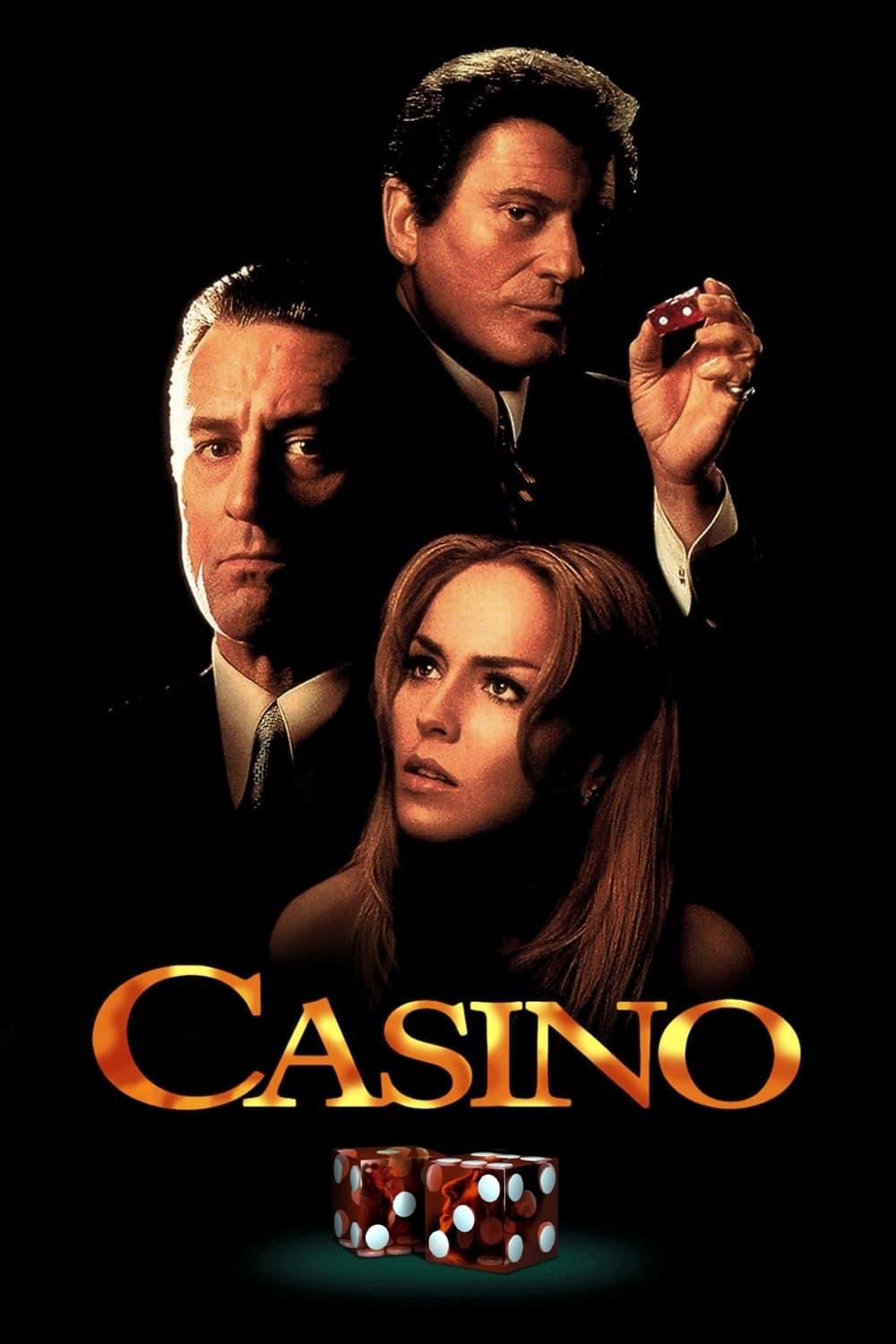
The plot winds through the late 1970s and early 1980s, looping around the rise and fall of Sam “Ace” Rothstein (Robert De Niro), a gambling maestro and precise operator handpicked to oversee a mob-controlled casino. As I follow Ace, Las Vegas unfurls before me: a sprawling desert oasis, at once a playground and a battleground. Ace’s obsessive attention to detail impresses me—not just as a gambler, but as a man enthralled by the illusion of control.
His world is soon complicated by two forces. One is Nicky Santoro (Joe Pesci), his unpredictable boyhood friend whose violent appetites spiral beyond anyone’s control. The other, Ginger McKenna (Sharon Stone), is a wily, magnetic hustler who pulls Ace into a web of passion and destruction. I can’t help but find their triangle both inevitable and excruciating; there’s a powder keg in every whisper and sideways glance.
Light spoiler warning: As relationships fracture and ambitions stoke the flames, I watch the finely balanced order of the casino ecosystem tip into chaos. Greed, jealousy, and betrayal snake through the story, and the city’s glossy promise curdles into violence. For me, it’s less a traditional plot twist than an inescapable slide into tragedy. I’m left marveling at how Scorsese is never content just to show surface action—he wants me to feel the collapse from the inside out.
Key Themes & Analysis
What always draws me back to Casino is its lush, almost operatic meditation on power, greed, and the illusion of control. To me, the film isn’t just interested in mobsters; it’s dissecting the human urge to command fate, only to be undone by the tiniest cracks in that control. I find Scorsese’s style—the swirling camera, the use of omniscient narration by both Ace and Nicky—to be crucial. It engulfs me in the characters’ psyches, making their ambitions and anxieties eerily palpable.
The film’s cinematography is dazzlingly precise. I get lost in the long, gliding steadicam shots through the casino floors, the interplay of Technicolor reds and golds that make the setting feel both alluring and claustrophobic. Every detail, from the glass-chinking sound design to the editing’s relentless tempo, underscores the tension between surface glitter and lurking menace. What impresses me most is how routine acts—pouring money from a slot, rigging a game—become rituals in a secular religion built on risk.
It’s the characters who leave the deepest impression. De Niro delivers an understated intensity as Ace, his every gesture simmering with the weight of calculation. I’m fascinated by how he plays the part with a mixture of pride and gnawing paranoia. Meanwhile, Joe Pesci is absolutely terrifying as Nicky—a man whose loyalty spirals into brutality. The way Pesci oscillates between charm and sudden violence keeps me on edge, never quite sure when the powder keg will explode.
Sharon Stone’s performance as Ginger is an electric shock. I frequently return to her scenes when thinking about what makes Scorsese’s characters pulse with life. She brings a kinetic desperation to her portrait of a hustler desperately trying—and failing—to escape her own self-destruction. Watching her unravel evokes both pity and unease. To me, her Oscar-nominated turn crystallizes Casino’s themes: what happens when someone’s hunger for power and escape meets the dead end of addiction.
Beyond character and style, I often reflect on how the film frames Las Vegas as a character in its own right. The city is a mirage—a machine for transforming human desires into fortunes or ruin. Scorsese’s voice echoes through every tableau: he’s fascinated by American ambition and the ways criminal worlds reflect legitimate ones. There’s a deep sadness beneath the bravado, making me question the cost of chasing opulence and the ways institutional rot can devour even the sharpest survivors.
On every rewatch, I’m struck by how Casino interrogates the “American Dream”. Instead of a heroic climb, success here is a house of cards: dazzling to behold, doomed to collapse. The narration’s wry humor and hindsight, paired with Thelma Schoonmaker’s razor-sharp editing, keep the film urgent and unflinching, refusing easy nostalgia about glory days gone by.
My Thoughts on the Cultural Impact & Legacy
The fingerprints of Casino are everywhere in popular culture and my own vision of the gangster genre. I see its influence whenever movies or series dare to probe the blurred line between criminality and business, or render sprawling, morally complicated worlds with operatic scale. For me, Scorsese created something more than a mob epic—he authored a cautionary tale about power’s corrosive nature, wrapped in glitz and savagery.
I’ve noticed how the film’s blend of brutal violence and slick style paved the way for later works—from The Sopranos to films like American Hustle—that use dark comedy, unreliable narration, and immersive visuals to dissect ambition and corruption. I admire how Casino refuses to romanticize its antiheroes. Instead, I’m left with a lingering sense of loss and entropy; the film never lets me forget the cost of excess, for both individuals and the culture they embody.
On a personal level, this film sharpened my own critical lens. Before Casino, I thought of gangster movies in terms of excitement and stylization. Scorsese showed me how genre could simultaneously entertain and scald, how a director’s vision could extract tragedy from the bones of spectacle. The music choices—anchored by golden-age classics—and the ceaseless motion of the camera still haunt my mind. Every viewing, I’m reminded why Casino endures: it crystallizes the allure and poison of unchecked ambition, echoing through cinema long after the credits roll.
Fascinating Behind-the-Scenes Facts
As deeply as I admire the artistry onscreen, I’m equally fascinated by the production stories that shaped Casino. One standout detail is the way Scorsese used the real-life Stardust Resort and Casino as both a location and inspiration. Filming on the casino floor required unprecedented levels of cooperation; according to interviews, the production shut down major areas of the historic casino for extended periods, with many real-life pit bosses and dealers doubling as extras. I’m captivated by how this blend of fact and fiction gave the film its tactile sense of authenticity—the glint of chips and the hum of slot machines are palpable because they’re real.
Another fascinating tidbit I discovered is the role improvisation played. Scorsese famously allowed actors like Pesci and De Niro to improvise key dialogue, especially during heated confrontations or when portraying the subtle nuances of mob life. There’s a famous story about Pesci’s “head in a vice” scene, where genuine discomfort on set translated into one of the film’s most harrowing moments. Learning this, I appreciate even more how discomfort and tension permeate the film—they’re not just written, they’re felt.
Lastly, I’m always impressed by the meticulous work of costume designer Rita Ryack. She and Sharon Stone collaborated closely to create an astonishing over forty costume changes for Ginger, mirroring her emotional volatility and the era’s flash. Stone herself pushed for bolder, riskier outfits, drawing from vintage photographs and the style of real-life casino socialites. This level of detail, to me, does more than set the mood—it signals character shifts and foreshadows Ginger’s unraveling.
Why You Should Watch It
- It’s a masterclass in visual storytelling. Scorsese’s direction, paired with Robert Richardson’s cinematography, immerses me in every frame—turning the casino into a living, breathing character.
- The performances are unforgettable. De Niro, Pesci, and Stone each bring a unique intensity, pulling me deep into their fraught relationships and shifting loyalties.
- Casino both dazzles and disturbs, offering a biting critique of ambition, addiction, and the American mythos—leaving me thinking long after the final scene.
Review Conclusion
From the moment I saw it, Casino struck me as Martin Scorsese’s symphony about the price of power, sung in the harshest, most seductive chords. The blend of historical detail, operatic storytelling, and deeply human performances reshaped my expectations for crime cinema. Few films dare to expose both the glitter and rot at the heart of the American dream with such technical bravura and emotional force. For those willing to descend into this vortex of grand ambition and greater tragedy, I truly believe Casino is essential viewing—an unblinking reflection of how dreams shatter in the pursuit of more.
My rating: 4.5/5 stars.
Related Reviews
- Goodfellas (1990): Scorsese’s other magnum opus about organized crime, this film shares Casino’s kinetic energy and moral ambiguity. I find it equally mesmerizing for its deep dive into loyalty, violence, and the seductive logic of the mob.
- Heat (1995): Michael Mann’s exploration of obsession and duality in the criminal underworld. For me, it stands out as a kindred spirit to Casino because of its richly drawn characters and the way it interrogates professionalism versus compulsion.
- Boogie Nights (1997): Paul Thomas Anderson’s take on rise-and-fall narratives within a vividly realized subculture. I always pair it with Casino in my recommendations because both films expertly chart the perilous line between excess and devastation, using style to deepen substance.
- The Irishman (2019): Another Scorsese meditation on memory, regret, and the slow corrosion of power. I see echoes of Casino’s melancholy and scope in this reflective, elegiac take on gangster lives past their prime.
For readers looking to go deeper, these perspectives may help place the film in a broader context.
🎬 Check out today's best-selling movies on Amazon!
View Deals on Amazon